



At a glance: What is section 29?
Section 29 of the Medicines Act (1981) refers to medicines that have not been approved by safety regulator MedSafe — or not yet for a particular use. They generally refer to medicines which:
- Replace approved brands that are in short supply or unavailable.
- Are unapproved to be used in a different way or with a different dose (“off label”).
- Are approved for adults but not children.
Until now, these could only be prescribed by medical practitioners — doctors. However, since the Medicines Amendment Act came into force on November 19, NPs and pharmacist prescribers can now also prescribe section 29 medicines.
The newly-expanded ability for mātanga tapuhi/nurse practitioners (NPs) to prescribe section 29 medications is a significant step forward in improving access to care — particularly in primary health.
Until now, it has been both frustrating and, at times, a little embarrassing that we NPs couldn’t prescribe these medications independently.
Section 29 of the Medicines Act cover medicines that have not yet been approved in New Zealand — or for use in a particular way. Until last month’s amendments, only medical practitioners could prescribe them to patients who they believe may benefit.
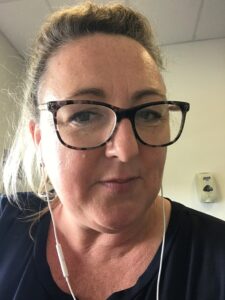
Until now, it has been both frustrating and, at times, a little embarrassing that we NPs couldn’t prescribe these medications independently.
Even nearly 10 years after becoming authorised prescribers, we often still need to reassure patients — especially those seeing an NP for the first time — that our expertise and scope allow us to provide comprehensive, safe, and effective care.
Yet when they have needed something as straightforward as melatonin for insomnia we have been forced to step out of the room and track down a GP colleague to sign the prescription.
Previously, despite having the clinical expertise and patient relationships necessary to determine appropriate treatment, I was unable to directly prescribe certain therapies because they were classified under section 29. This often created delays, unnecessary administrative barriers, and reliance on colleagues who might not be familiar with the specific medicines or their uses.
I had to constantly ask a GP colleague — who may not have used the medication themselves — to prescribe it on my behalf.
One example is cannabidiol products (CBD). I work with older adults and people with long-term conditions so am often asked about CBD as a treatment option for their pain, anxiety and agitation. Some find that CBD offers relief.
I undertook quite a bit research in this area and developed a relationship with a local company that offers a compassionate access programme for patients who can’t afford private supply. Despite having knowledge of, and access to, this programme — far more than many within my general practice team — I was unable to complete the process for treatment for my patients simply because these products were section 29 medications.
Another example is my role with patients at the end of life or those with severe refractory fluid overload in their body, creating significant distress.
In selected cases, a low dose of metolazone can provide profound relief, even if it’s a single dose. Metolazone must be prescribed with caution, but its clinical benefits can be lifesaving in terms of comfort, symptom control, and quality of life.
Yet, as metolazone was a section 29 medication, I had to constantly ask a GP colleague — who may not have used the medication themselves — to prescribe it on my behalf. This often created delays for patients who did not have time to wait.

So the decision last month to drop this barrier represents meaningful progress for NPs and, more importantly, for the people we care for.
While some section 29 medications involve more complex or potentially higher-risk drugs, NPs — like every other prescriber — practise with safety at the forefront. We research carefully, review contraindications, consult guidelines and always refuse to prescribe when the available information is insufficient to ensure patient safety.
Allowing us to prescribe section 29 medications simply aligns our legal prescribing ability with the competencies and professional standards we already meet. It enhances continuity of care, reduces unnecessary delays, and strengthens trust in a highly skilled workforce dedicated to accessible, person-centred care.
— Primary health NP Natasha Ashworth works on the East Coast. She is also a member of NZNO’s nursing leadership section, tapuhi mana whakatipu.