


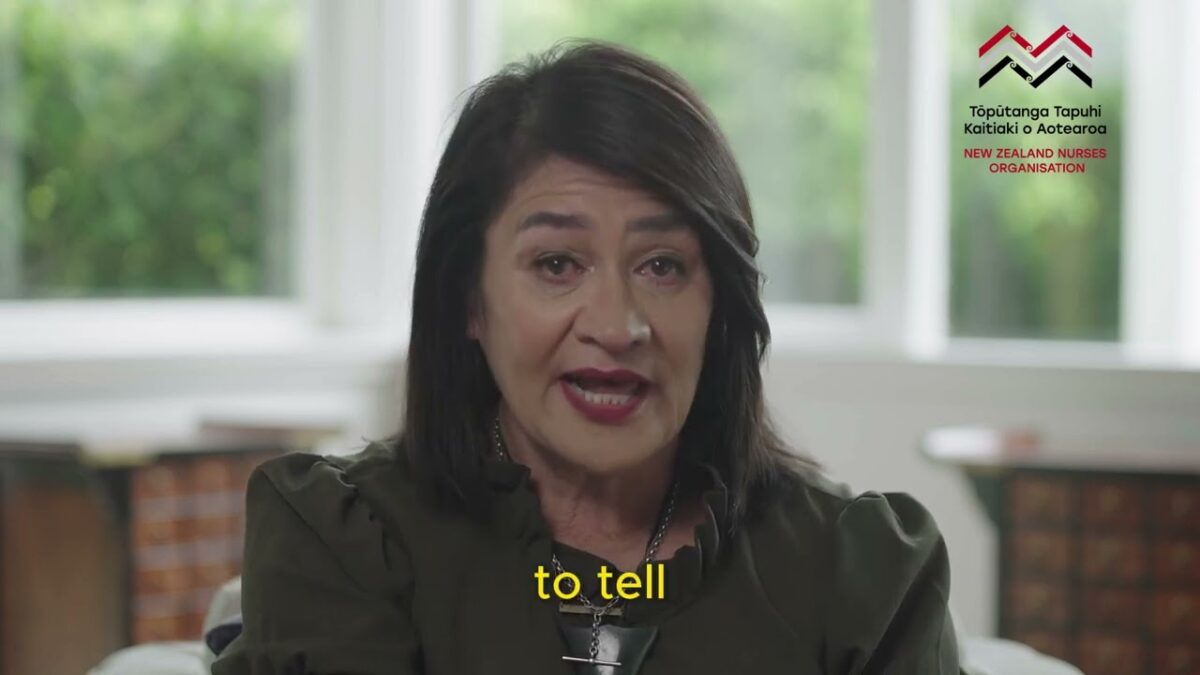

Speaking in the apology video, NZNO kaiwhakahaere Kerri Nuku said the organisation was “incredibly sorry that this happened” to survivors and their whānau.
“It seems unfathomable that this was happening on many of our watch. So we are incredibly sorry as an organisation that represented nurses at the time.”
Nuku said some nurses had participated in the abuse, some stayed silent, and some ran away from the problem. “This is not what we expect from nursing and this is not what survivors of abuse should have received at the hands of nurses.”
In 2024 The Abuse in Care Royal Commission of Inquiry released its findings in the report Whanaketia – through pain and trauma, from darkness to light.
The commission examined what children, young people and vulnerable adults experienced in the care of state or faith-based institutions from 1950 to 1999, as well as abuse that occurred since 2000.
During its five-year investigation, it heard from almost 3000 survivors.
While survivors were now adults, many were children when they came into the system — into state care or psychiatric hospitals — Nuku said.
“They were children, subject to such horrific abuse, degrading treatment, torture, and some of them raped.”
Those children should have been able to rely on nurses to protect them — but that never happened, Nuku said.
NZNO believed in the victims’ stories and the fight ahead of survivors, “and we want to join forces in bringing about change”.
Meaningful action was not an apology “without substance”, with the need for NZNO to look at the inquiry recommendations, she said.
“That this abuse occurred and for so long is a national disgrace. It is not only an issue of historical significance, but with abuse recognised up to 2019, it is also a contemporary issue. For this reason, NZNO joins calls for the swift implementation of all Royal Commissions’ recommendations,” Nuku said in a subsequent media release.
“This is not what we expect from nursing and this is not what survivors of abuse should have received at the hands of nurses.”
Colonisation’s destructive intent was at work, Nuku said, “and nurses became instruments of that harm”. “The scars left behind are not just physical. They are pervasive, lifelong, and intergenerational.”
Speaking to Kaitiaki, Nuku said it difficult to admit as a professional group that NZNO could have done better, and had let people down.
“I had to be mindful that there were nurses that were caught up in this and tried to speak up about it, and the system never allowed their voices to be heard.”
However, nurses had a responsibility and duty to care for vulnerable people, “and we didn’t do the best job that we could”.
NZNO had to be ready to authentically be part of change. “Part of that was making sure of what we can do realistically as an organisation . . . this was about taking small steps, in a meaningful way, to progress change, so it wasn’t overcommitting and not being able to deliver.”

NZNO’s response included a pledge, guided by the findings of the abuse in care inquiries and the Lake Alice Hospital investigation.
NZNO pledge
- Embed trauma-informed and culturally safe practice in nursing education and professional development.
- Advocate for a robust redress scheme that meets survivors’ needs and honours international standards.
- Protect whistleblowers and enforce transparency, ensuring no member can hide from accountability.
- Collaborate with the Nursing Council of New Zealand to strengthen codes of conduct and ethics, making care synonymous with safety and dignity.