



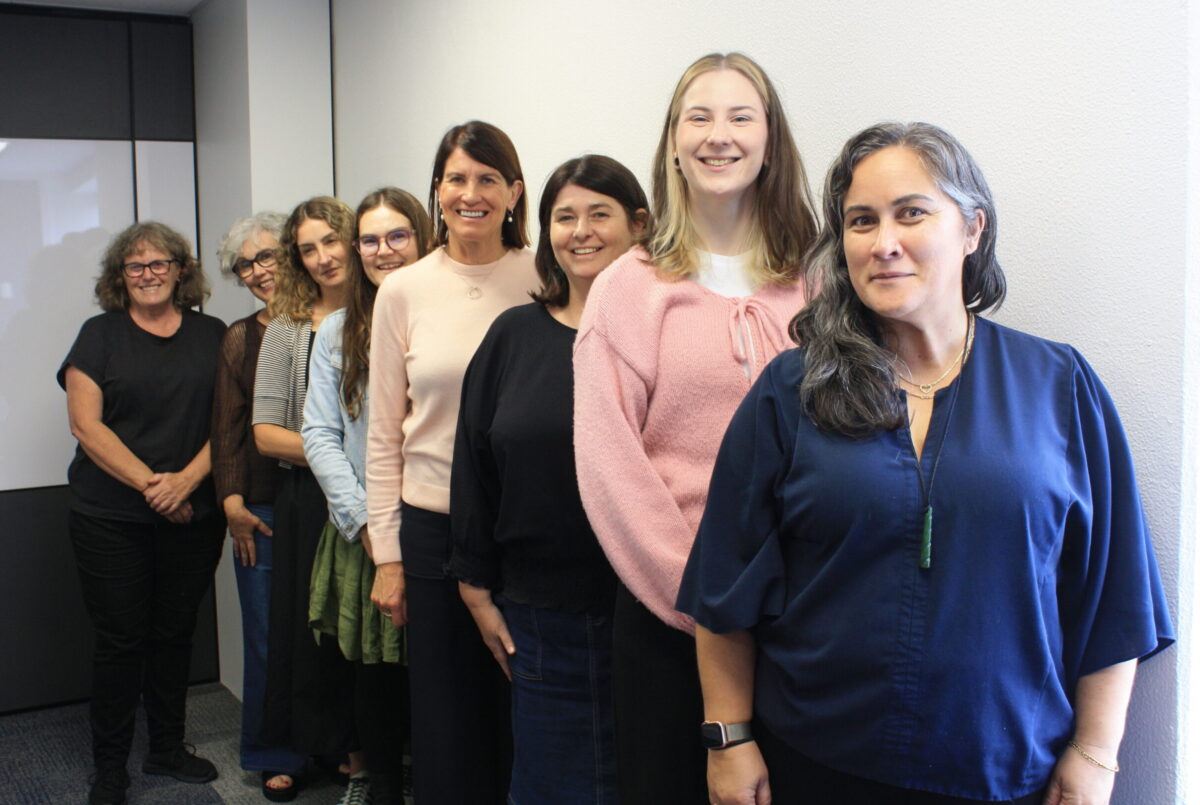
 Speaking at a colposcopy and gynaecology nursing study day in Wellington recently, I saw about 50 nurses there — many already working in or looking to expand into this field. I felt their enthusiasm was a reflection of the growing momentum in nurse-led women’s health services.
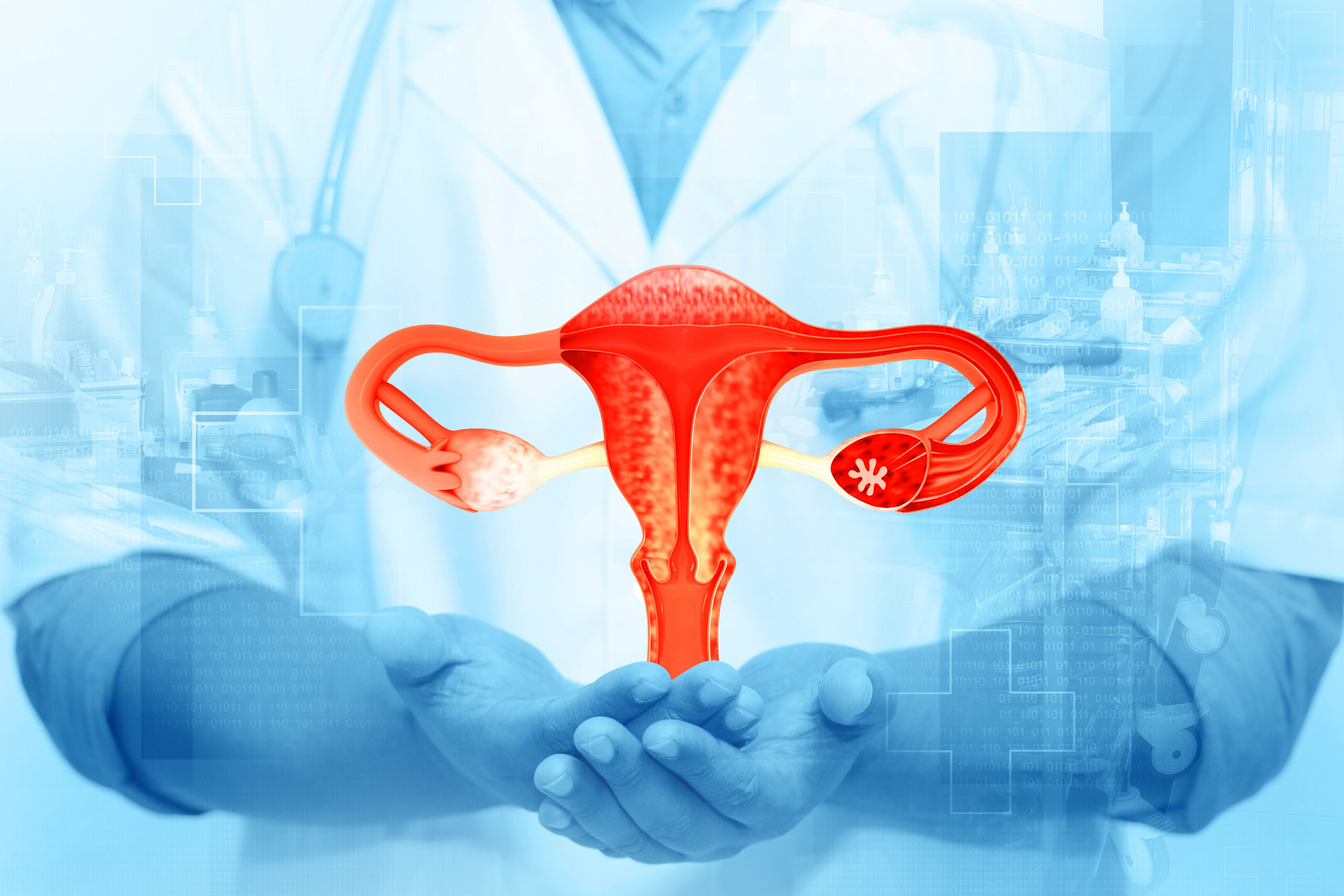
Colposcopy is a procedure where a lighted microscope is used to examine the cervix, vagina and vulva for abnormal cells. A hysteroscopy is where a thin camera (hysteroscope) is used to examine the inside of the uterus.
Currently, around 10 nurse colposcopists are either qualified or in training — an encouraging step forward. In 2023, the college reviewed and updated its colposcopy training standards, creating a clearer pathway for nurses to enter the field. A further update is planned to align with the latest HPV (human papillomavirus — a sexually-transmitted infection that can lead to cancer) screening pathway.
Nurses are well-placed to be part of the solution in both primary and hospital settings.
Evidence shows that increasing the number of nurse colposcopists is cost-effective, reduces waiting times, improves attendance and gives women more choice in their care. Reducing barriers is critical — many women feel nervous or whakamā about cervical examinations.

The introduction of the cervical self-test has also been a significant step forward, with 80 per cent of eligible women choosing this option. The college continues to advocate for it to be free for all.

Equity remains a major concern. Wāhine Māori and Pacific peoples experience higher rates of cervical cancer, with Māori women more than twice as likely to die from the disease compared with non-Māori women. Early detection and timely referral are essential to improving outcomes.
Following reduced funding for cervical screening training, the college is stepping in to provide financial assistance specifically for nurse training in this area.
Expanding into hysteroscopy
We have also been advancing nurse-led hysteroscopy. After a successful pilot in 2018, training standards were developed in line with the United Kingdom model.
Endometrial cancer is a growing health burden in New Zealand, particularly for Pacific women and increasingly for those under 50.
Expanding the number of nurses trained in hysteroscopy will help ensure more timely diagnosis and treatment. Since Waikato nurse practitioner Lauren Moore became New Zealand’s first nurse hysteroscopist in 2022, three more nurses have qualified.
However, the withdrawal of Te Pūkenga’s postgraduate course in 2025 has created a gap. The college is now exploring online training options and working with universities and Te Whatu Ora-Health New Zealand to secure future support.
Advocacy and growth
College membership has grown to nearly 700 members, supported by strong engagement through social media and an active committee.
We recently wrote to Minister of Health Simeon Brown outlining concerns about barriers to timely gynaecological and cervical screening care. HNZ’s chief nurse has responded to acknowledge these concerns and signalled openness to future engagement.
With nurses making up the country’s largest regulated workforce, we are calling for greater nursing and midwifery representation in national discussions on women’s access to care.
Long wait times for gynaecology outpatient appointments remain a significant issue, and nurses are well-placed to be part of the solution in both primary and hospital settings.
A time for transition
After four years as chair, I am stepping down. Christchurch Women’s Hospital colleague Sarah Marshall will take over later this year.
I will continue contributing to the profession through the NZNO nursing leadership section and am helping prepare for the women’s health college conference, Many journeys, one purpose: Honouring all voices in health, to be held in Wellington in May.
A lifelong passion
After beginning my career in 1978 as an enrolled nurse, I have spent more than 40 years in women’s health, most of that time at Christchurch Women’s Hospital.
Drawn to outpatient care and colposcopy early on, I became a nurse practitioner in 2012 and have helped pioneer nurse-led hysteroscopy in New Zealand.
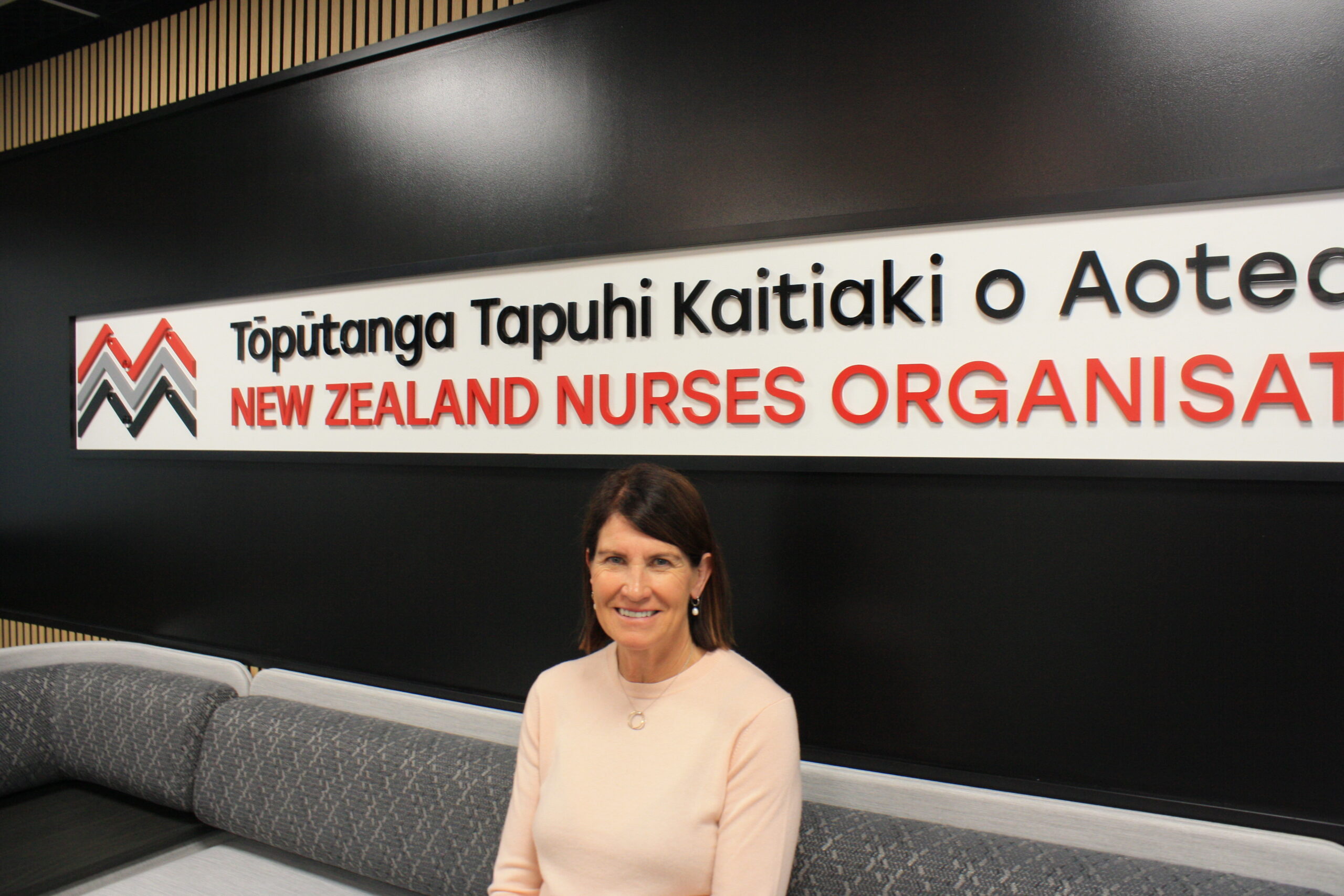
We have a really collegial atmosphere here at Christchurch Women’s Hospital. I support the gynaecologists by picking up a lot of the work and they support me by picking up more of the complex patients.
I love women’s health. It’s often preventative work — helping detect and treat issues early—and that makes such a difference.

— Jill Lamb is outgoing chair of NZNO’s women’s health college and an NP women’s health at Christchurch Women’s Hospital.