



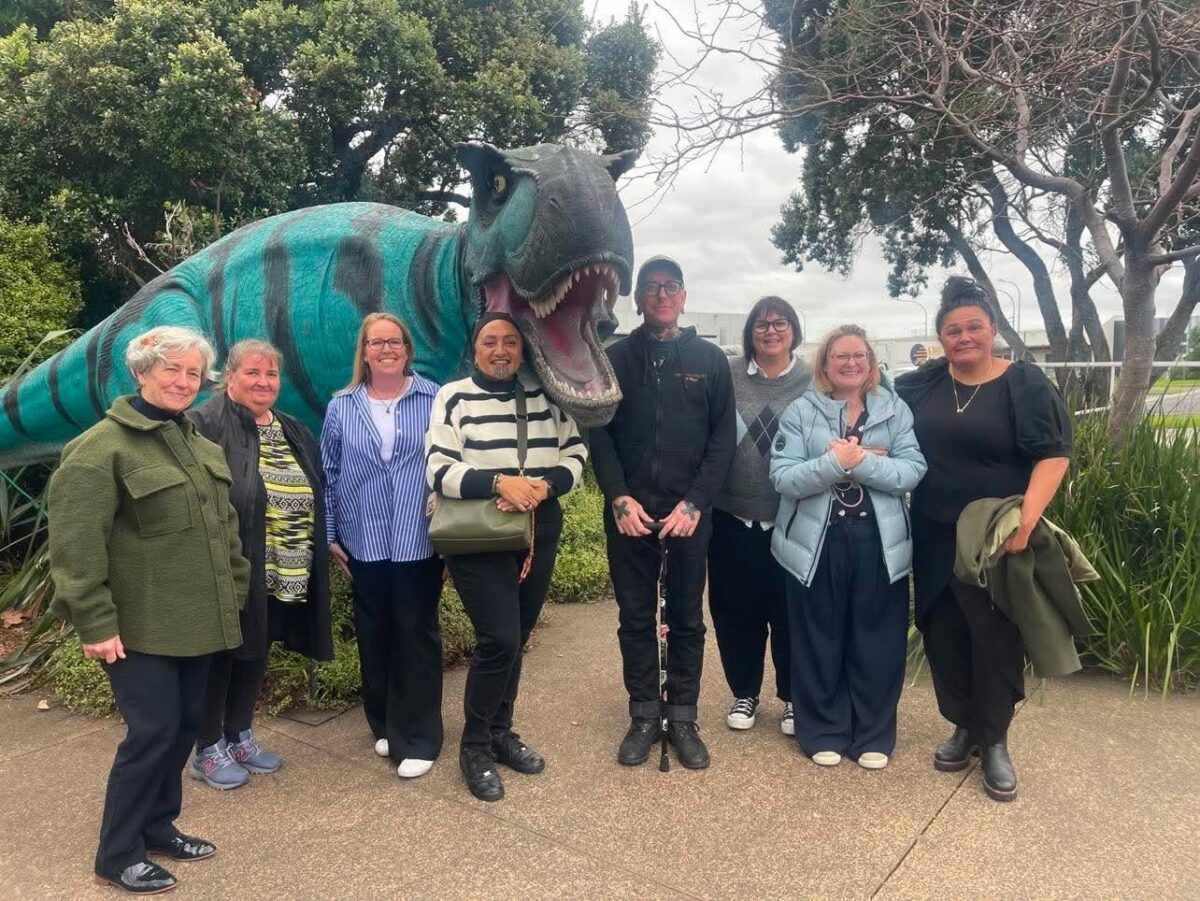
 This year, our college has been really active in speaking up where we feel our voice can help advocate for our vulnerable tamariki and rangatahi. Heading into an election, we were aware this advocacy would require a lot of focus and time.
We strongly oppose a lot of the rhetoric around New Zealand First’s “definition of woman and man” amendment bill, which marginalises our vulnerable rainbow and trans communities. So we have submitted on that and are also supporting an initiative to promote trans-inclusive nursing education to tertiary health-care programmes.
Young people already in poverty are at even more risk from the move-on bill, which is just horrendous for those living on the streets, and would further marginalise rangatahi already so high risk. So we’ve submitted on that bill along with proposed child protection reforms and paediatric and adolescent palliative care initiatives. We want to ensure access is fair and equitable, especially for young people aged 18-24, who are not paediatric by definition but who we shouldn’t be treating as adults, either, as they have unique needs.
As a college we often work closely with other key groups — our colleagues at the NZNO college of primary health care nurses, the Children’s Commissioner Te Kāhui Korowai Rangatahi, Youth Health Aotearoa, Children Rights Alliance Aotearoa and Paediatric Society NZ among others — to keep abreast of what’s going on and what we need to be responsive to.
From Qatar to Australia — and back
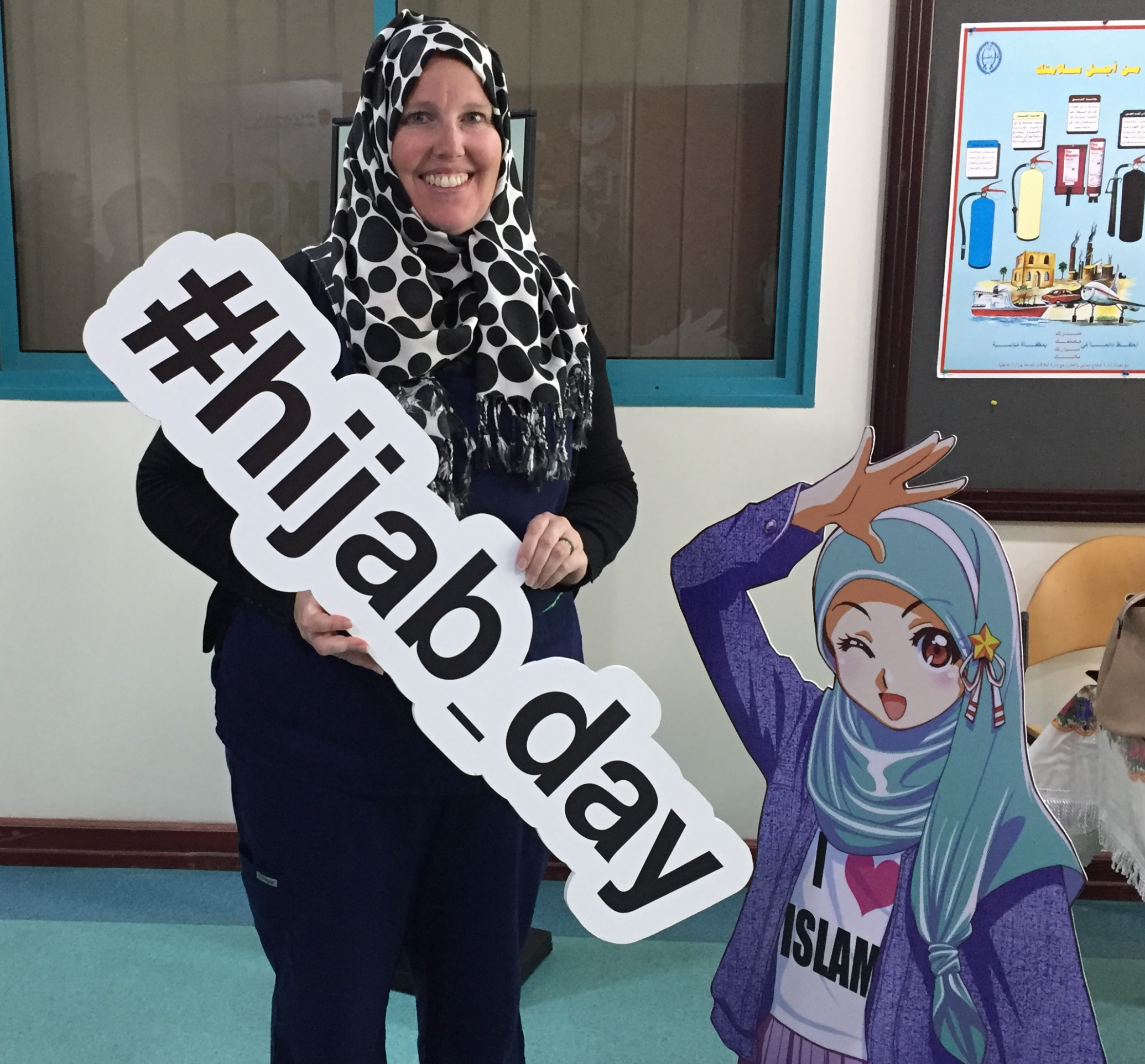
I only ever wanted to work with children and young people — and have done so since graduating 25 years ago in Otago. Over my nursing career, I have worked in most regions of New Zealand, Australia — and Qatar, where I helped in developing and commissioning (check everything works before opening) a new children’s hospital!

My career has largely been focused on nurse-led child and youth health in the community. But 10 years ago after coming home from Qatar, I joined the academic teaching team at Otago Polytechnic’s School of Nursing – Te Kura Tapuhi. Now I develop the child and youth health curriculum, making sure that our up-and-coming graduates and future workforce understand the unique needs of children and young people.
While I’m not practising clinically, I spend massive amounts of time with young people at the school, so still have that pastoral care role — triaging them and steering them to the right supports.
It has been a privilege to give back to help shape the future nursing workforce that has offered me so many opportunities and meant so much.
Having responsibility for 150 students and nine staff, my hands are pretty full. But my dream would be a dual role working in both education and clinical sectors, which can be really hard in nursing in New Zealand.
I feel proud of what we have achieved at the college in my six years there and the work has kept me grounded in what is important for our young people in Aotearoa.
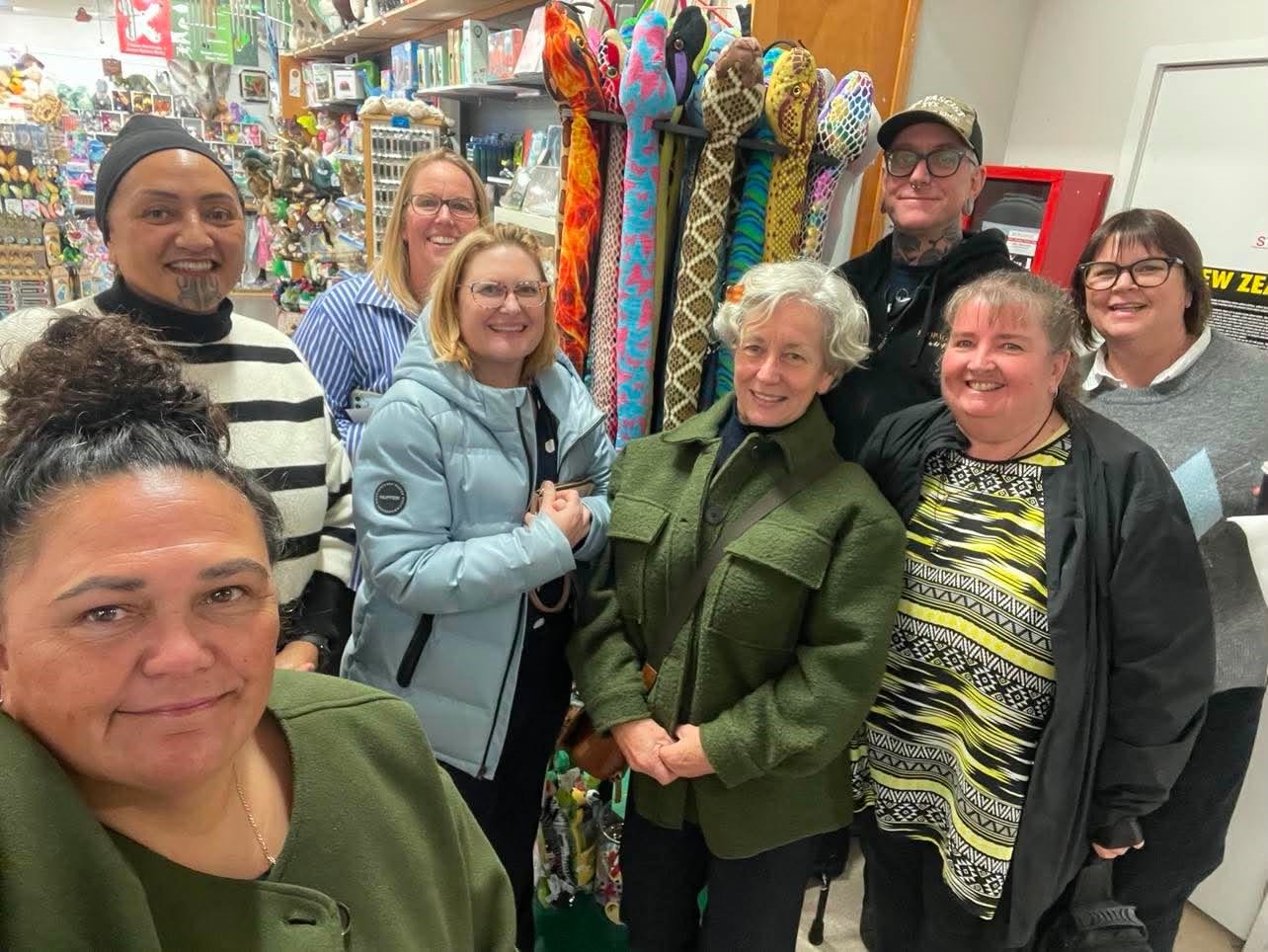
Through this mahi, I have had the privilege of working alongside an incredible team who tirelessly campaign for a better New Zealand for all our tamariki and rangatahi — and the nursing workforce that cares for them.
We’ve been involved in about 10 submissions so far this year — our own or others’. There’s so much going on, politically, and we try really hard to be responsive.
It can be a real struggle as a committee, as we’re all working fulltime in busy roles across the health system so it can be difficult to decide where to put our energy. But we do take our national college work pretty seriously — both promoting the work nurses do in this space every day and representing the voice that children and young people often don’t get.
We work everywhere — anywhere a child or young person might be. So that’s primary health, nurse-led clinics, regional and rural outreach, Well Child, along with child and youth mental health services, rural and regional hospitals around the country in collaboration with specialist hospitals like Starship and Kidz First in Auckland.
We believe access to safe, quality and equitable health, education and social services is a fundamental right for all New Zealanders — particularly for children and young people.
Yet we’re seeing more and more struggles for our young people to access these services. We know, from talking to our primary health colleagues, that there are young people, particularly in rural areas, who are just so underserved. Often they have no means to access health services, or even health education and promotion. That’s a real worry for us, that there are pockets of young people doing it so tough, dealing with poverty, family violence and abuse — areas that often overlap.
On top of that, trying to navigate really complicated health, education and social structures, can be hard for our young people. So we nurses try to support and advocate for them to ensure they are not forgotten.
Growing up, for many of us, can be tough enough but then trying to traverse social media, with the negative lens it can have — the heaviness of that — is not something we envy young person having to navigate.
‘Uniquely challenging’
Working with young people can be challenging. They’re often working out their own identities which can cause conflict with families or society wanting them to conform. They’re going through massive transformation, both psychologically as they try to find their space in the world, and physically as their pre-frontal cortex rewires. So they can be pretty spontaneous.
A key part of being a nurse in this space is to get alongside them and be an active listener, without judging, so you create an environment where the young person feels safe to share.
If we can do that, hopefully we can make their lives a bit easier — and build their trust that when they need help, they can find it.
Membership bounces back
Our membership plummeted a few years ago but we’re now coming back strong! This related to a journal subscription fee which members clearly signalled they didn’t want to pay for, so our numbers dropped for a while there.
But we fought hard to get people back, focusing on what’s important to them. With the use of social media — Facebook Instagram and LinkedIn — we’re now back up to 520.
We’re proud to have growing numbers of nurse practitioners (NPs) and registered nurse (RN) prescribers, which really helps young people access medication they might need, for anything from contraception to urinary-tract infections or ADHD, as well as repeat prescriptions for long-term conditions like asthma or eczema.
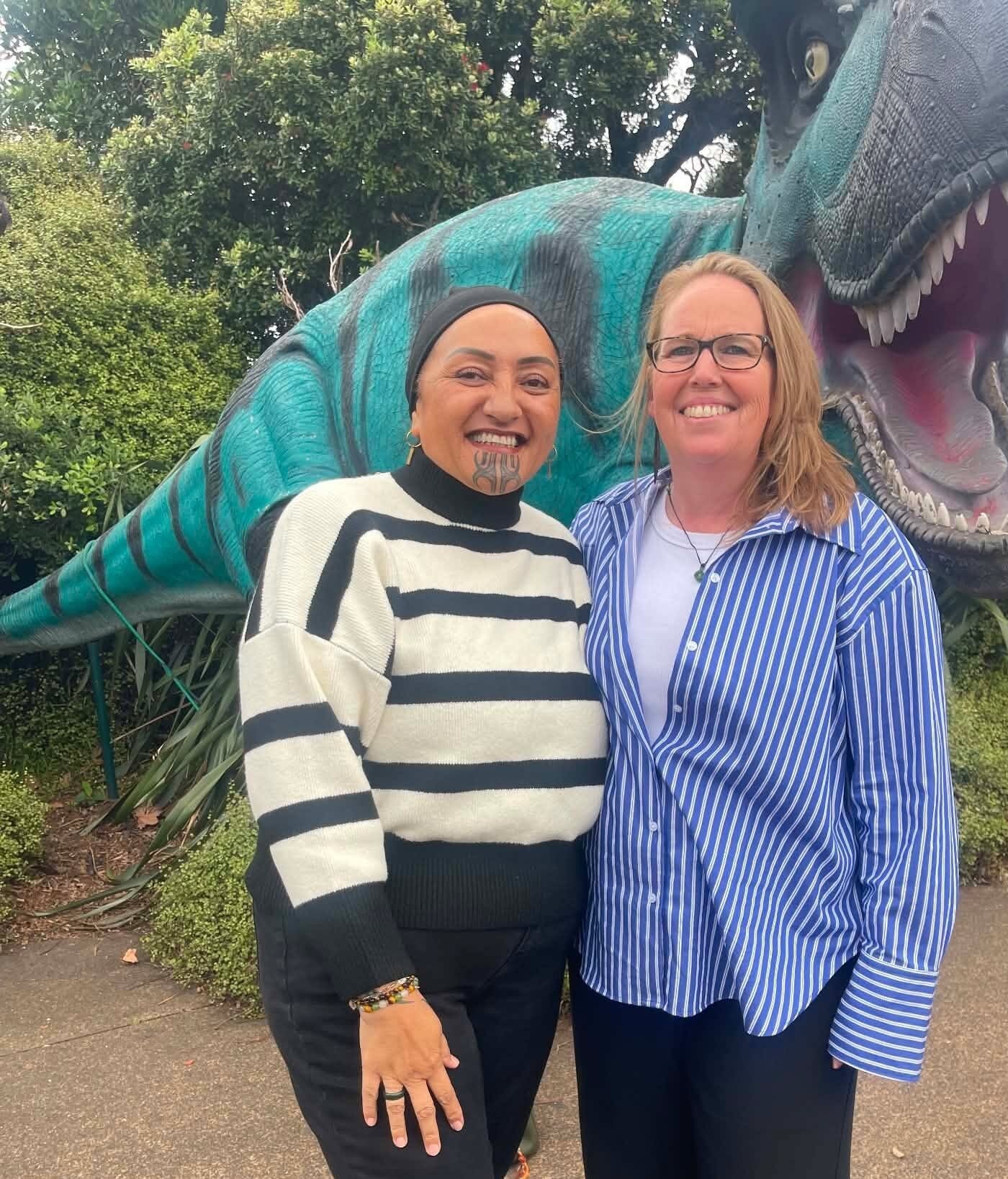
At Matariki 2023, we were gifted a Māori name for our college: Tapuhitia ngā mokopuna mō apōpō, which means to nurse and care for the next generation. This important work was spearheaded by Jo Clark-Fairclough and supported by NZNO kaumātua Keelan Ransfield.
This was an important milestone in upholding our bicultural competency goal. To further complement this, in late 2023 the college adopted a bicultural leadership model, with Jo and myself as co-leaders. This has worked beautifully. But after six years on the committee, we’ve served our maximum term so will be stepping down in November this year.
‘A key part of being a nurse in this space is to get alongside them and be an active listener, without judging, so you create an environment where the young person feels safe to share.’
But we want to keep this kaupapa going — continue to live and breath Te Tiriti o Waitangi and cultural safety in our individual practice and collectively, as a college, to help close the health gap for tamariki and rangatahi Māori. We want to keep advocating this approach to the nurses who care for them.
For us, it’s been about feeling safe to ask questions — taking the lens of our own bias away and be open to learning and growing together.
We feel pretty confident — we’ve had seven people express interest in filling our last committee vacancy, so that’s really reassuring for Jo and I that we’re going to leave the committee in a really good space.