



Did I ever work through it? I’m not sure. Has it framed some of my practice? I’m not sure of that either.
Take my older self back to my younger days and commencing my psychiatric training at an old asylum in the United Kingdom (UK) on the outskirts of London.
Shenley was the largest psychiatric hospital in the UK when opened in 1934. Probably of little relevance to my story but it was a very different setting to where you (my younger readers) will hopefully be today. It opened up a very institutionalised system of care where I met old ladies who had been there for 50 years for various reasons, including getting pregnant when unmarried, being afraid of air raid sirens and other perceived misdemeanors. I should add I was the oldest in my group having done my general nurse training some years before – so around 28 years old.

I lived in a massive nurses’ home with very limited facilities. Bathrooms and kitchens were shared with another 100 residents on my floor — I wish I had some photos I could share with you, but sadly not.
Signs of psychosis were very limited and not at all obvious especially to a young student nurse.
However — and it is a big however — it was fun, friendly and safe. My group of peers was small and we lived, socialised and worked together. Often of a night, we would all pile into my Talbot Samba and drive to Trafalgar Square to climb the lions and get a ticking off from the local bobby. We also didn’t have student loans and were paid whilst on placement.
On placement (three-month placements were typical) at a very acute psychiatric admission ward I encountered severely and acutely unwell patients. This particular memory is about a young 18-year-old male who was mostly presenting as depressed but was being assessed for elements of psychosis. I built up a therapeutic rapport with the young man and possibly was a bit boundaryless — not in terms of my behaviours — but I found him pleasant and good company.

I remember going into his large dormitory one morning with the sun blazing in over his bed and him lying face down listening to John Lennon singing Imagine. I felt a rush of sadness for this young man. It was a very poignant setting which left me feeling unsettled with feelings of helplessness.
Signs of psychosis were very limited and not at all obvious especially to a young student nurse. I attended ward rounds but as a very junior member of the team was not encouraged to participate in any way. His parents had limited contact and visited rarely. Anti-psychotics were prescribed with little effect – possibly the only effects of chlorpromazine were to induce drowsiness.
I grieved silently, too ashamed to talk about my feelings to anyone.
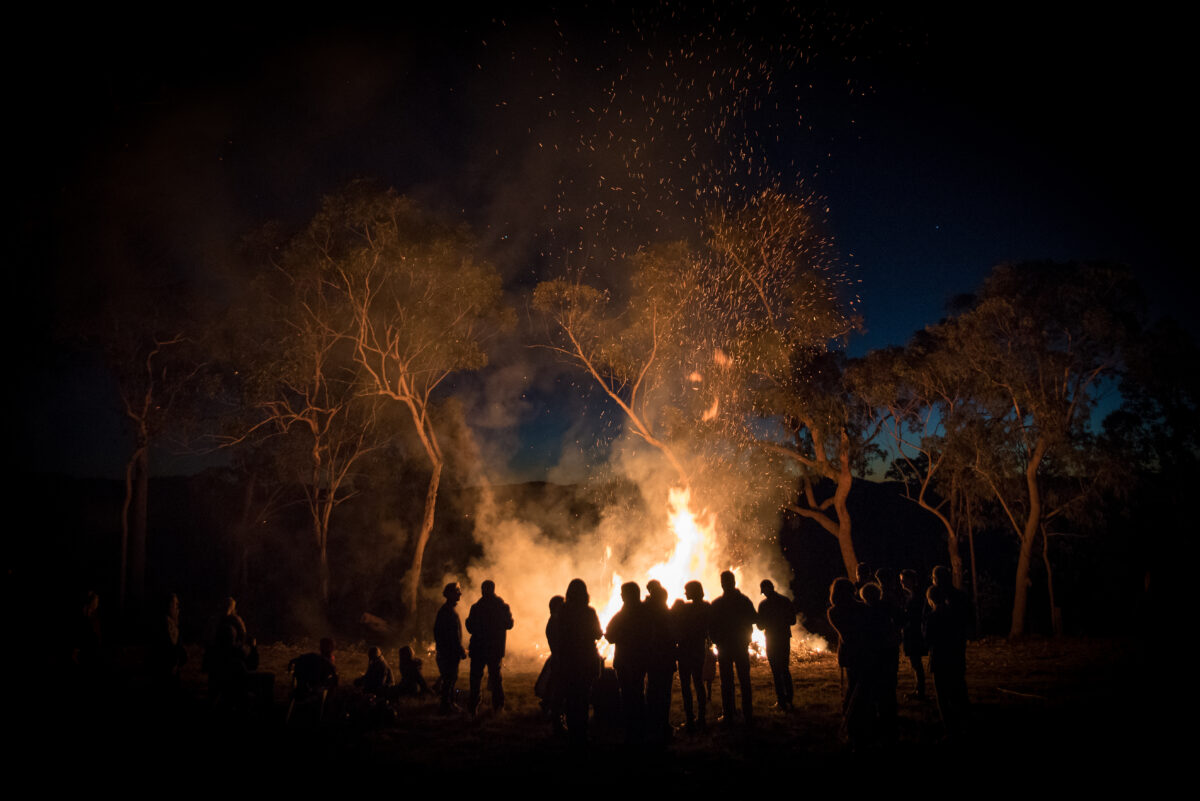
On the night of the 5th of November, 1985, the hospital celebrated Guy Fawkes with a bonfire, which very traditional in the UK ! I did not go along as was at work on the said ward. I received the news around 9pm that the patient had thrown himself on the bonfire and had been taken to the local burns unit in a pretty dire condition. The next day he sadly passed away from his burns.
I don’t find it at all difficult to recall my feelings which shows I probably didn’t process it at all well — also by virtue of the fact that I am here, writing about it today. My feelings were anger and sadness, probably in that order. Angry with the organisation and the lack of understanding of this young person, and sadness that a life had been taken away. I blamed the hospital managers, the ward managers and the nursing team, rightly or wrongly.
‘Devastating’
I can look back with hindsight and see my feelings were possibly not all professional and lacked boundaries but they were human feelings and I hope I still have human feelings today. We are all human and we will all form some sort of feelings for our patients and to deny that is invalidating our humanity. It is important to recognise those feelings and to be proud of them. We are clinicians because we care.
As is sometimes the case, his death was described at the funeral by his parents, as a happy release. This was devastating to hear, however I heard it again from a partner’s family (later in my life) whose other son had suicided. I understand this was their way of making it okay and bearable but it was unbearable for me to hear at the time. Raising a glass to their dead son in their living room to this proclamation was the final straw.
I can look back with hindsight and see my feelings were possibly not all professional and lacked boundaries but they were human feelings.
I deeply considered not continuing with my training at that point, ended my relationship with my then-partner who was a senior clinician (not even on the same ward) and grieved silently, too ashamed to talk about my feelings to anyone. I did carry on and I have witnessed many other difficult events since that time, but none I carry more deeply.
There was no supervision, no one offered to see how I was going and I was left hanging with my sadness and anger. I carry those feelings in my gut to this day and would encourage each and everyone of you to have supervision. If you don’t gel with your supervisor, get another one — it’s no one’s fault or problem. We are only human and need to connect.
— Elaine Franks is a clinical nurse specialist at the South Island eating disorders service.