



By the time nurses graduate, many of them have already experienced burnout, self-doubt, and emotional exhaustion.


Behind every nursing student is a story rarely seen by the general public. While clinical placement is often described as a valuable learning experience, it can also be emotionally demanding, physically exhausting, and mentally overwhelming.
One nursing student who contributed anonymously to this article described placement as a time of “significant learning, emotional growth, and self-evaluation”. Some days brought confidence and connection with patients. Other days brought stress, uncertainty, and the pressure to avoid mistakes.
For a student’s perspective on hospital clinical placement click here.
“The pressure to perform completely, the fear of making mistakes, and the emotional weight of witnessing people suffer all contributed to that moment of doubt,” the student said.


For many nursing students, the challenge is not only learning clinical skills. It is learning to care for others while still learning to care for oneself.
Students often juggle long placement shifts, academic deadlines, financial pressures, and personal responsibilities, with little time to recover emotionally.
Many quietly carry the stories of patients home with them.
“Even when we try not to, we carry the stories of our patients with us,” the student said.
These experiences are not isolated. Conversations with students and new graduates often reveal similar themes: emotional fatigue, fear of failure, inconsistent support during placement, and uncertainty about whether they can continue.
Yet despite these challenges, many students stay.
What makes the difference is often not the workload itself, but the support surrounding it.
The student described supportive clinical educators, preceptors, classmates, and family as the reason they continued during difficult moments.
‘If we want to retain compassionate and capable nurses within the profession, we must pay attention to the environments we create for students.’
“Having someone who listens, reassures, and guides without judgment allowed me to regain my confidence.”
This highlights an important reality within nursing education. Students do not expect placement to be easy. What they hope for is an environment where they feel safe asking questions, making mistakes, and learning without fear of embarrassment or criticism.
Consistent and supportive preceptors can significantly shape a student’s confidence and sense of belonging. In contrast, constantly changing preceptors and unclear expectations can leave students feeling unsettled and unsupported.
“When students feel comfortable asking questions, making errors, and learning at their own pace, the entire experience becomes more enjoyable.”
Retention in nursing does not begin after graduation. It begins during training.
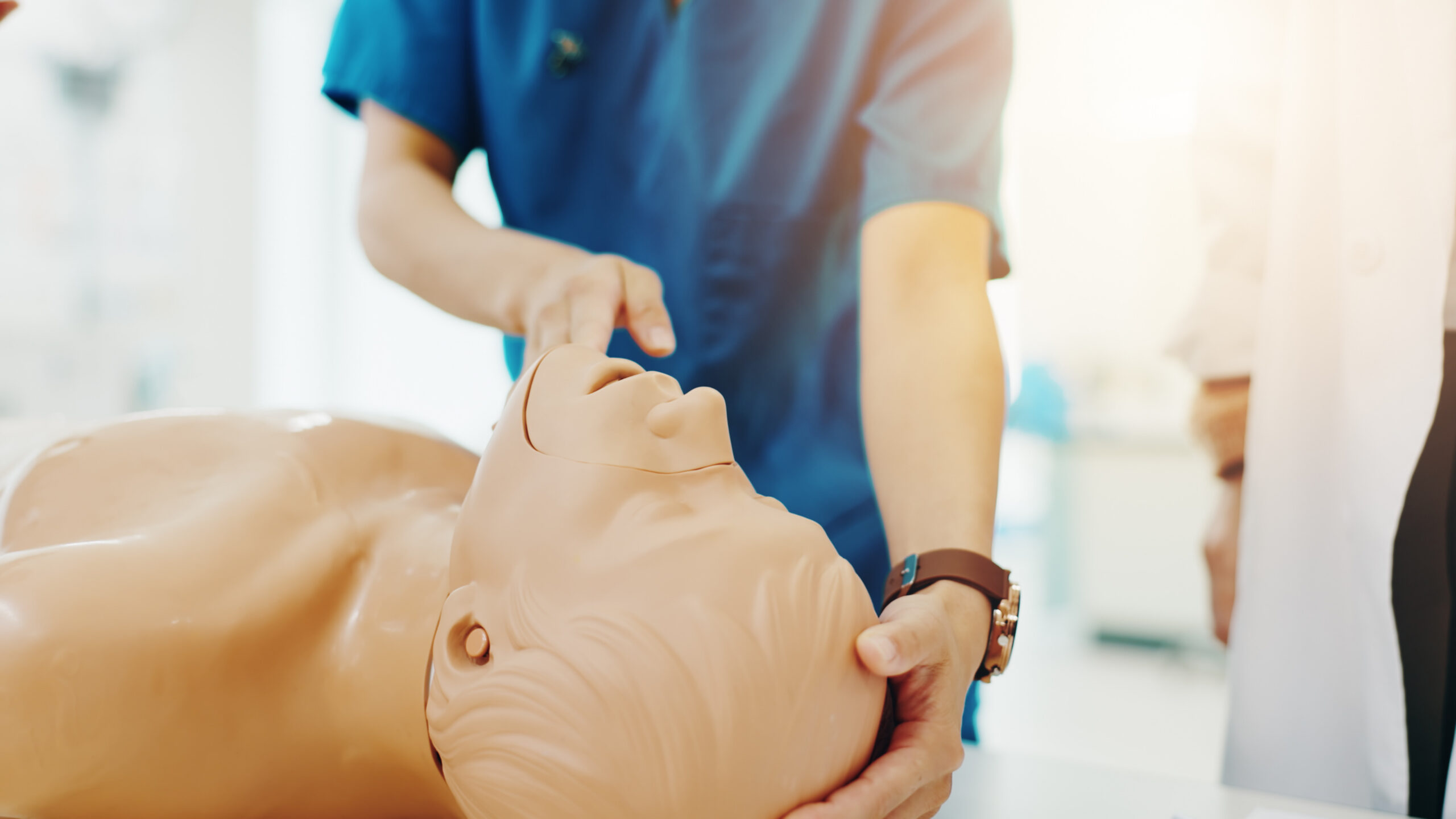
If we want to retain compassionate and capable nurses within the profession, we must pay attention to the environments we create for students. Clinical placements are not only places of learning. They are places where future nurses begin to form their professional identity, confidence, and sense of belonging in healthcare.
Students may forget specific tasks or procedures over time, but they rarely forget how they were treated during placement: A supportive word, patient guidance, or a preceptor who takes time to teach can shape whether a student feels encouraged to continue.
People outside the profession may not fully understand the emotional labour nursing students carry. They are expected to remain compassionate, professional, and resilient while witnessing suffering, navigating complex health-care environments, and managing the expectations of training.
And yet, despite the difficulties, many continue because they still believe nursing matters.
Perhaps retention starts there: not only in resilience, but in creating learning environments where students feel supported enough to stay.
Ceasar Jr. Beltran, RN, is a nursing clinical coach at Middlemore Hospital.