



No one should have to risk their own safety to spend time with their partner, yet a lack of local care left this couple facing that choice.
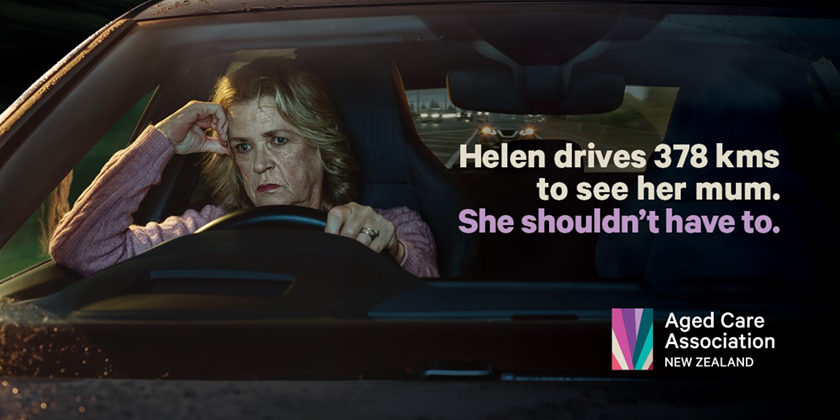
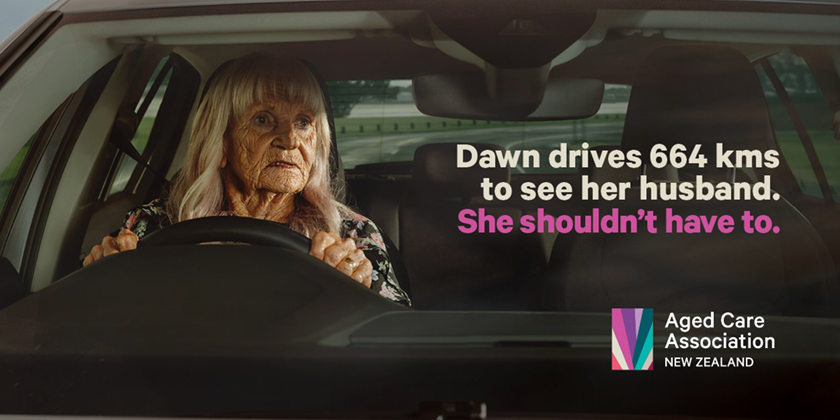
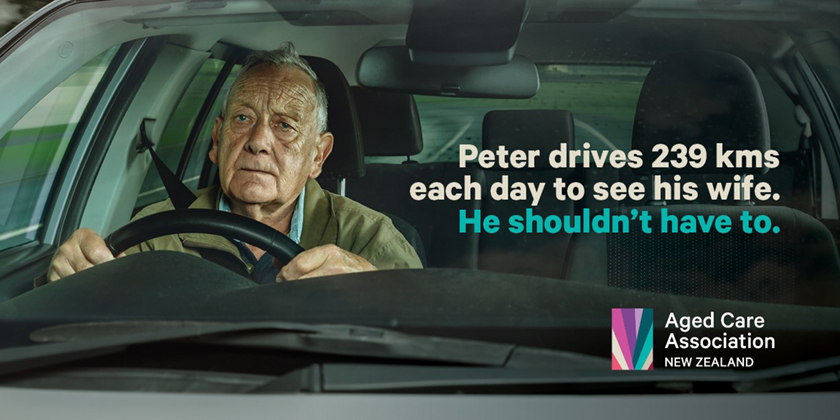
Their experience is one of the stories behind The Long Drive, the Aged Care Association’s election campaign about families being separated by a lack of appropriate local aged care.
By sharing these stories, we want politicians to consider what that separation means. A placement may meet someone’s clinical needs, but distance from their partner, whānau and community can leave them without the familiar company and support they also need.
For anyone who has supported someone through a move into residential care, the importance of familiar people needs little explanation. There is comfort in a visit from someone who knows you well, particularly when so much else has changed.

Living nearby allows a partner to visit regularly, a friend to drop by, or grandchildren to visit after school without becoming an expedition.
Put a long drive between people and everything becomes harder. Petrol costs accumulate. Working families need time off. For an older partner, the journey can become too exhausting to manage safely, forcing them to visit less often. Bad weather or illness can leave a couple separated for even longer, with no certainty about when they will next be together.
The staff providing care can do a great deal to help someone settle and feel supported; but they cannot replace the relationships that person has spent a lifetime building.
This is why local access needs more attention in discussions about aged care capacity.
Having a bed somewhere is not enough
Having beds available nationally means little to a family if the only suitable care for their loved one is hours from home.
Analysis prepared for The Long Drive estimates that four in ten general electorates already need more dementia-care beds, with an estimated 830 additional beds nationwide needed now. By 2038, that gap is projected to grow to 3,260.
Without investment in local specialist care, more families will find themselves having to choose between the care their loved one needs and keeping them close to home.
The wider outlook makes action increasingly urgent. The Ministerial Advisory Group projects demand for residential care will grow by 33% between 2024/25 and 2034/35, and by 91% by 2047/48.
Meeting that demand will take years of planning, investment and workforce development. It also means protecting existing services so communities don’t lose care they already rely on.
For people working across health, the consequences of gaps in aged care reach well beyond residential facilities. They can complicate discharge from hospital, leave families struggling with care they cannot safely manage, and increase pressure on community services.
Aged care is health care – and decisions about its future belong alongside decisions about hospitals, primary care and support at home.
Make local aged care an election priority
That’s why we are encouraging New Zealanders to join us in asking political parties how they will fund appropriate care, support the workforce, and ensure services are available across rural and urban communities.
This election is an opportunity to press for answers and make clear that we expect action beyond polling day. Whether we are supporting patients, caring for whānau or considering our own future, we all have a stake in getting this right.
The families who have shared their experiences through The Long Drive show why that action matters. Visit thelongdrive.co.nz to hear their stories, then ask your local MPs what their party will do to ensure older people can access care close to home. You can find your representatives and send a pre-populated email directly through the website.
The more often politicians hear this concern from their communities, the harder it becomes to leave unanswered.

This advertising content was paid for by Aged Care Association. Hosted content may not represent the views of Kaitiaki Nursing New Zealand or the New Zealand Nurses Organisation.