


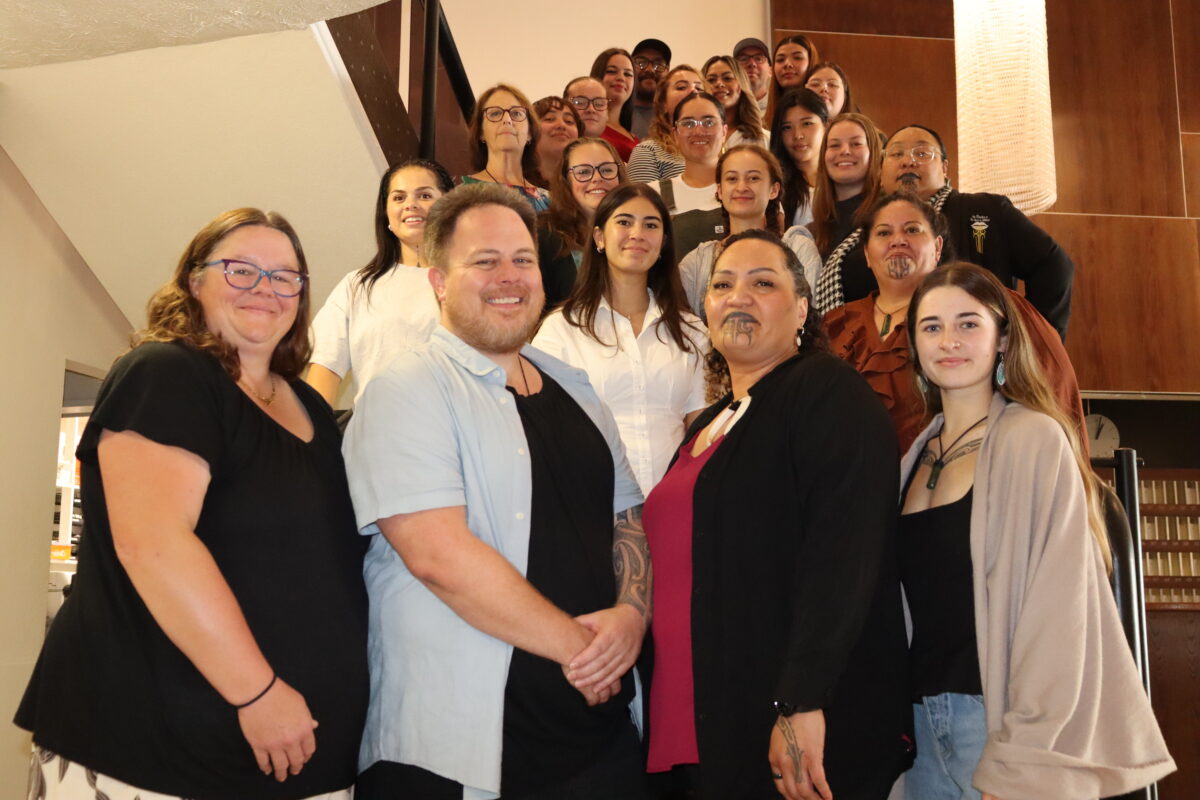
Nursing students across Aotearoa New Zealand are clear about one thing: they want to be nurses. They are committed, motivated and proud to be entering the profession.
But the findings of the 2025 national nursing student survey show that many are being asked to carry levels of financial, emotional and physical pressure that are simply unsustainable.
The survey, conducted by Tōpūtanga Tapuhi Kaitiaki o Aotearoa New Zealand Nurses Organisation-NZNO, gathered responses from more than 1200 students across all 21 schools of nursing. What emerges is not a story of students who lack resilience, but of systems that are increasingly difficult to survive.
‘Being told to ‘just not work’ during placement isn’t realistic when you still have rent, food and kids.’
This is not just an education issue. It is a workforce issue. And it is a call to action for the nursing profession as a whole.

Placement poverty is shaping who becomes a nurse
For many students, clinical placements are the tipping point. Unpaid full-time placement blocks, combined with costs for travel, parking, accommodation and childcare, push students into significant financial hardship.
“I work 30 hours a week just to survive. Then placement starts and I’m expected to work 40 hours unpaid.”
Nearly two-thirds of students reported frequently struggling to afford essentials like rent, food and transport. More than half said they had seriously considered leaving their nursing programme because of money pressures.
Students described being told to “just not work” during placement — advice that ignores the realities of the cost of living and the responsibilities many students carry.
“Being told to ‘just not work’ during placement isn’t realistic when you still have rent, food and kids.”
This is not a personal failing. It is a structural problem that shapes who can enter and remain in nursing.
Learning environments shape the workforce we inherit
Many students described positive placements where they felt supported, welcomed and valued as learners. But these experiences were inconsistent. Others described placements where learning took a back seat to service needs.
“Placements often feel like free labour, not learning.”
One in six students reported feeling unsafe on placement, with experiences of being ignored, belittled or yelled at.
“I was yelled at by an RN in front of staff and patients. No one stepped in.”
These experiences matter. The culture students encounter during their education becomes the culture they expect and sometimes reproduce in practice. If unsafe behaviours are normalised in education, they are carried forward into the workforce.

Burnout before practice even begins
The survey reveals high levels of stress and burnout among students long before registration. Nearly four out of five students reported moderate or high stress during training. Financial pressure, workload, assessment clustering and balancing paid work with placement demands were the most common contributors.
“I don’t need more resilience tips. I need the workload and finances to be manageable.”
While wellbeing services exist in many institutions, students often found them inaccessible due to placement schedules, travel distance or fear that help-seeking could lead to questions about fitness to practise. Most relied instead on peers, whānau and supportive educators.
‘Placements often feel like free labour, not learning.’
Equity and the future workforce
The pressures identified in this survey are not evenly distributed. Māori, Pacific and mature students were more likely to have caregiving responsibilities and experience compounded financial stress.
Alarmingly, nearly three-quarters of Māori students reported that they would consider working overseas if they could not secure a nursing position in Aotearoa after graduation.
“I want to stay here with my whānau, but if there’s no job, I’ll have no choice but to go overseas.”
At a time when the profession urgently needs a workforce that reflects the communities it serves, these findings should concern us all.
Students know what needs to change
Students are not asking for special treatment. They are asking for fair, workable systems that recognise the realities of nursing education and practice. Their solutions are practical and grounded:
- Paid or financially supported clinical placements
- Help with direct placement costs such as petrol, parking and childcare
- Better-supported and prepared preceptors
- Assessment schedules that don’t stack exams on top of placements
- Clear, supported transition-to-practice pathways
“It’s not that we don’t want to be nurses. It’s that the system makes it so hard to get through.”
A collective responsibility
Supporting nursing students is not a “nice to have.” It is workforce strategy, equity practice and patient safety rolled into one. As a profession, we cannot continue to rely on students absorbing systemic pressure through personal sacrifice. If we want to grow and sustain the nursing workforce, the conditions of education must change.
This is a call to action from Kaitiaki and NZNO to nurses, leaders, educators, employers and policymakers to address these issues together, upstream, and with urgency.
- The research was carried out by NZNO’s national student unit with the support of NZNO professional nursing advisor Sandie Bayliss, competency nursing advisor Wendy Blair and policy advisor Sue Gasquoine.
What Needs to Change?
For the future nursing workforce, Aotearoa must:
- Recognise clinical placements as workforce preparation, not unpaid labour
- Introduce paid or financially supported placements
- Reduce direct student costs that create placement poverty
- Ensure safe, supported learning environments with clear expectations of student scope
- Support preceptors with time, training and recognition
- Reform assessment and placement structures that drive burnout
- Provide strong, well-resourced transition-to-practice pathways
- Centre equity, cultural safety and inclusion in all nursing education
— Dr Stacey Wilson has more than 35 years experience across clinical practice, leadership, education and research. She works as a nurse for Manawatū specialist mental health and addiction services, is a senior fellow at the University of Canterbury and an independent researcher. She is also the new chair of NZNO’s nursing research section-te wāhanga rangahau tapuhi.