



Working as a nurse is a journey filled with emotional highs and lows. From the joy of seeing patients recover and their families express gratitude by hugging and kissing your hands, to the heartbreak of delivering the news of a loved one’s passing, the profession demands both emotional strength and compassion.
New Zealand, known globally as a peaceful and welcoming country, attracted me as an immigrant nurse from Pakistan in early 2023. The warm welcome from my employer at an Auckland hospital filled me with hope and enthusiasm. I was ready to embrace my new life and contribute positively to the community.
As I approached him, I recognised his face. He was the very same man who had assaulted me on Queen Street.
However, my optimism was shattered one rainy evening on Queen Street. As I was walking home after visiting a pharmacy, a sudden, sharp blow to my face left me stunned. A young man, accompanied by two friends, stood before me, laughing as blood streamed from my nose. His words were difficult to comprehend amid the pain and shock of the assault.

In that moment, I felt utterly alone. Coming from a society where I would have expected people to rush to someone’s assistance, I found it particularly distressing that passers-by seemed indifferent to what had happened.
Without tissues or anything to stop the bleeding, I resorted to washing my face with rain water. I did not want to return home in that condition and alarm my wife.
I reported the incident to the police but, unfortunately, no meaningful action followed. Although the physical wounds eventually healed, the emotional scars remained.
However, life had an unexpected lesson waiting for me.
A couple of weeks later, when I returned to the hospital, I noticed a man sitting in a wheelchair at the main entrance smoking area. Both his legs were broken and supported by plaster casts. He called out for assistance, asking someone to push his wheelchair back to the ward.
As I approached him, I recognised his face. He was the very same man who had assaulted me on Queen Street.
For a moment, I stood there, caught in an extraordinary human dilemma.
‘Why should I help someone who had hurt me? Why should I extend a hand of kindness to someone who had shown me none?’
The memories of that rainy evening came flooding back. I remembered the pain, the blood, the humiliation and, above all, the feeling of helplessness. Here was the very person who had caused me so much distress, now sitting helplessly in a wheelchair and asking me for help.
My heart was telling me something entirely different. Why should I help someone who had hurt me? Why should I extend a hand of kindness to someone who had shown me none? After all, pushing his wheelchair back to the ward was not my assigned responsibility. I could have simply walked away.
But then another voice spoke within me: the voice of my professional values, my conscience and my humanity.
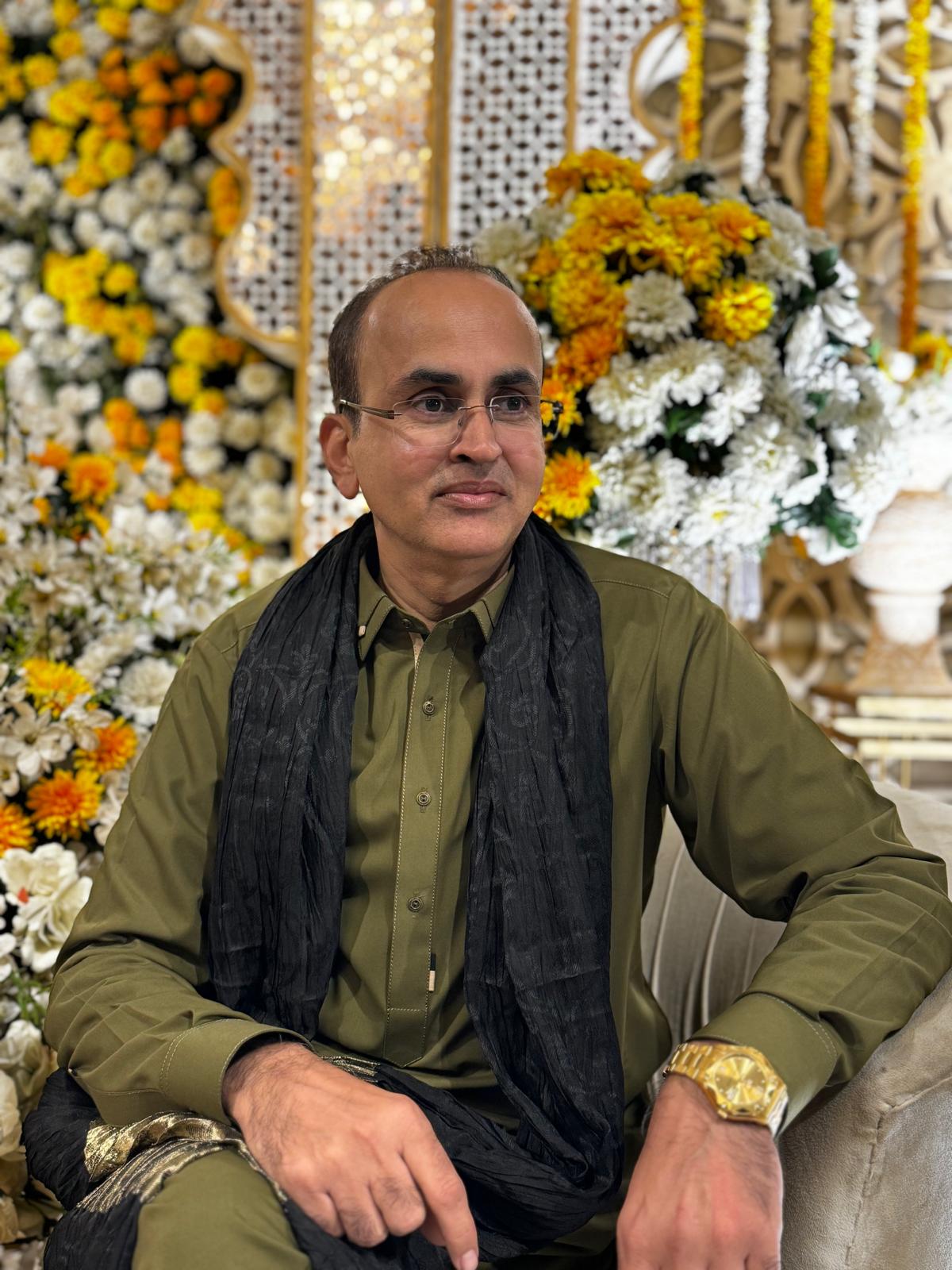
I was facing a conflict, between my personal feelings as a human being who had been hurt, and my professional identity as a nurse. My emotions were understandably telling me to walk away, while my nursing values were reminding me that compassion and respect should not depend on who the person is or how they have treated us.
Eventually, I made my decision. I pushed his wheelchair back to the ward.
It was not because I had forgotten what he had done to me. Nor did it mean that I had justified his behaviour or that the pain of the assault had disappeared. Rather, I made a conscious decision not to allow someone else’s actions to determine the values I would live by.
The nurse’s dilemma
That experience has remained deeply embedded in my memory. It taught me that nursing is not simply about clinical skills, medications, procedures or caring for patients physically. Sometimes, the greatest test of our professional values comes when our personal emotions are in direct conflict with our professional responsibilities.
Throughout my nursing journey, I have also encountered patients who have welcomed me with warmth, kindness and genuine appreciation. A simple smile, a gentle touch or a heartfelt ‘thank you’ from a patient or their family can make even the most exhausting day worthwhile.
‘. . . we must sometimes care for people whose actions we may personally find difficult to forgive’.
These contrasting experiences have taught me something important about human nature. We encounter both kindness and cruelty, gratitude and hostility, compassion and prejudice. It is easy to remember those who hurt us, but we should never allow their actions to overshadow the goodness that still exists around us.
I do not believe that being compassionate means accepting injustice, tolerating abuse or forgetting wrongdoing. Rather, it means refusing to let hatred and resentment take away our own humanity.
Perhaps this is one of the most difficult yet meaningful lessons of nursing: we must sometimes care for people whose actions we may personally find difficult to forgive.
On that day, I did not just push a wheelchair. I made a conscious choice about the kind of nurse, and the kind of human being, I wanted to be.

And that, perhaps, is what compassion truly means.
—Imtiaz Afzal is an NZNO delegate and registered nurse. He has noticed recently that growing numbers patients and families are asking migrant nurses whether they intend to return home.