


“It’s not a birthday I expected to see. Because in July it’ll be four years since my colonoscopy, which was my first diagnosis. So I’m now on the far end of the bell curve.”
We first talked in 2023, after Kidd went public with her terminal bowel cancer diagnosis. She wasn’t angry — as a wahine Māori she said it felt “inevitable — why should I be any different?” given the statistics.
Yet, had the free bowel screening threshold been lowered to 50 for Māori, as the evidence supported — research she had contributed to — she may not be now facing an early death.
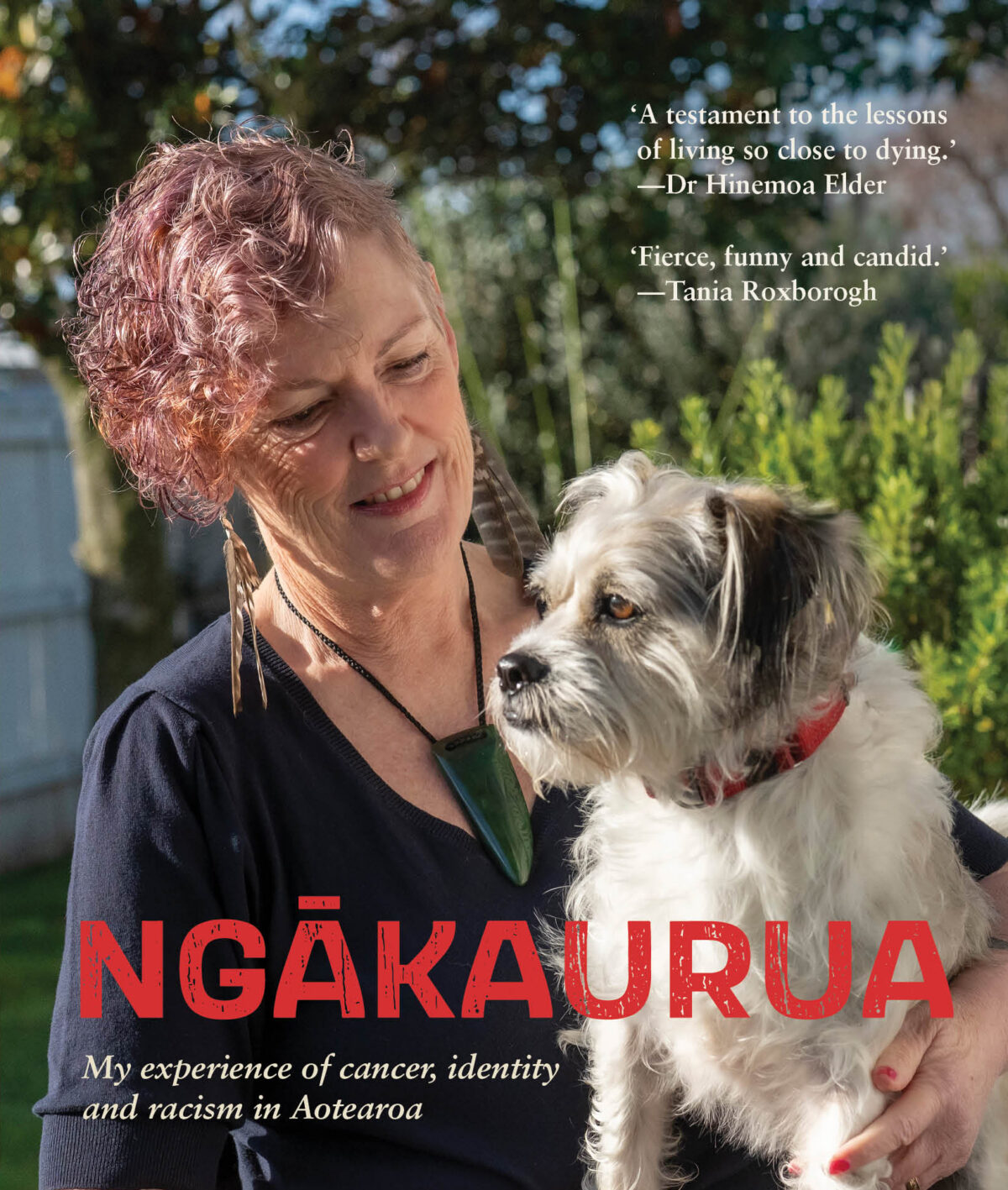
Kidd explores this in her confronting new book, Ngākaurua, a reflection on her cancer diagnosis, identity as a wahine Ngāpuhi and the brutal realities of racism in Aotearoa she’s witnessed in her work — and is now experiencing herself.
As she writes, in the book:
My reality is this. Had free screening been introduced for Māori at 50, when it should have been, I would probably have been caught with a polyp and would not now have terminal cancer. It means I can look at some people who are in power today and say that their decision-making has contributed to my death.
Despite being an introverted and private person, Kidd says she decided to share her story to show how racist and stacked the health system is against Māori — and offer an alternative; a vision of how it might be better, not just for Māori but for everyone. A “reimagining” of a world where primary health is funded enough to provide wraparound, safe and accessible care for whānau; care which is led by whānau, tikanga and mana motuhake — autonomy.
She hopes it will inspire students, new academics or clinicians to find their own approaches to solve health inequities.
But there are other reasons, too.
“The inequities was one thing, but the other reason I was okay putting so much of my history in there is that I wanted to show that it doesn’t matter if you have a rocky start. You can still go on and do stuff that’s really important.”
‘The whakapapa connection is what made it viable to actually dream about doing something different, because I was never able to just settle.’
The book reveals her early failed struggle to become a nurse, in an effort to please her father after a tumultuous childhood, as well as her own severe mental health problems. It tracks her winding and rocky path from mental health nursing into nurse education then academia, which led to her becoming a professor in her 50s — and a determination to go against the grain as a deeply-empathetic researcher willing to share her own vulnerabilities and stories, alongside others’.
“Maybe I’ve given them that little bit of encouragement which says you don’t have to have been groomed into academic success in order to make it in academia. Or that its okay to be a vulnerable researcher who leads with their heart and isn’t all about numbers. There are so many things I hope for this book because my work is not enough to turn around this racist train that we’re on.”
It’s also about her whakapapa — a connection that has been live for her since childhood when she could communicate with her tūpuna — some of whom had also been nurses.
Being so derailed by a chaotic home life, Kidd said, meant school was hard.
“There was no way I was ever going to make it, based on my early and teen years. It had to come from somewhere else. And that somewhere else was my whakapapa,” she says.
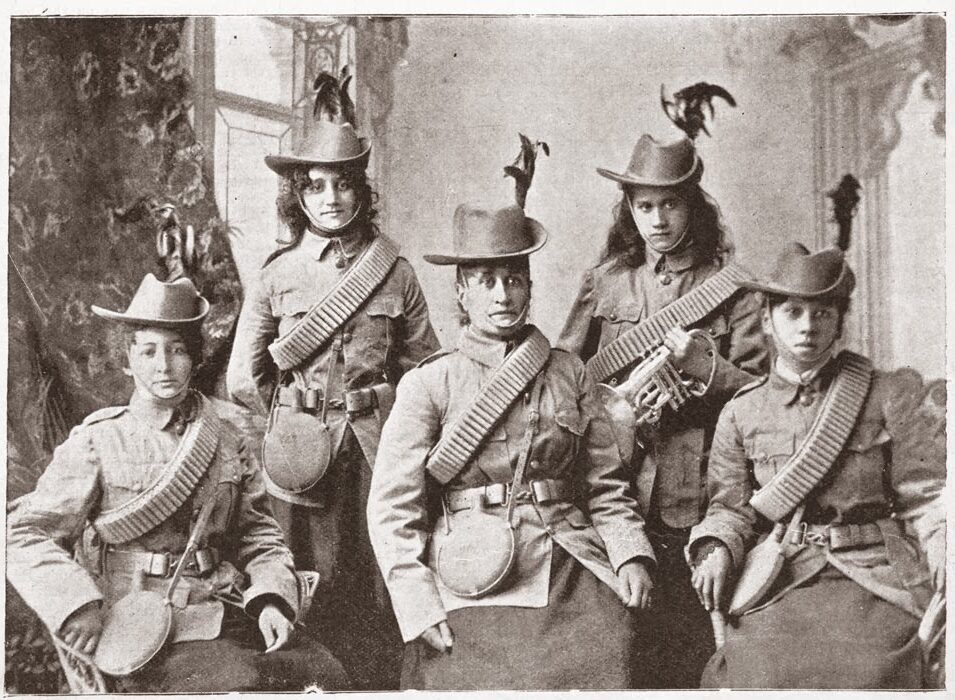
“But the whakapapa connection is what made it viable to actually dream about doing something different, because I was never able to just settle.”
‘Rangatahi have got this’
These days, despite cutting back on projects after getting her one to three year diagnosis in 2022, Kidd is still feeling okay. She is somewhat surprised to be still here. She recently started low-dose chemotherapy to shrink, or slow, the secondary tumours in her lungs.
“I’ve been incredibly lucky these tumours are slow-growing and giving me time.”
Workwise, she is still fulltime at Auckland University of Technology, supervising students and colleagues, advising research groups — and supporting the next generation of researchers as best she can.
“I think it comes back to the new people coming through – the rangatahi and the young adults who are coming through in health across the board, but also particularly Māori youth coming through,” she says.
“They’ve got this — we actually need to get out of their way.”
Too many long-time leaders are “clinging on” to positions of power, instead of stepping aside and supporting fresh young leaders to flourish.
In the last six months, she reckons she has been supervised about eight or nine Māori nursing doctoral students, doing “incredible” work.
“I’m not in a position where I can commit myself to the important research projects that need to be done – but I can commit myself to the people who are putting themselves forward to do those research projects.”
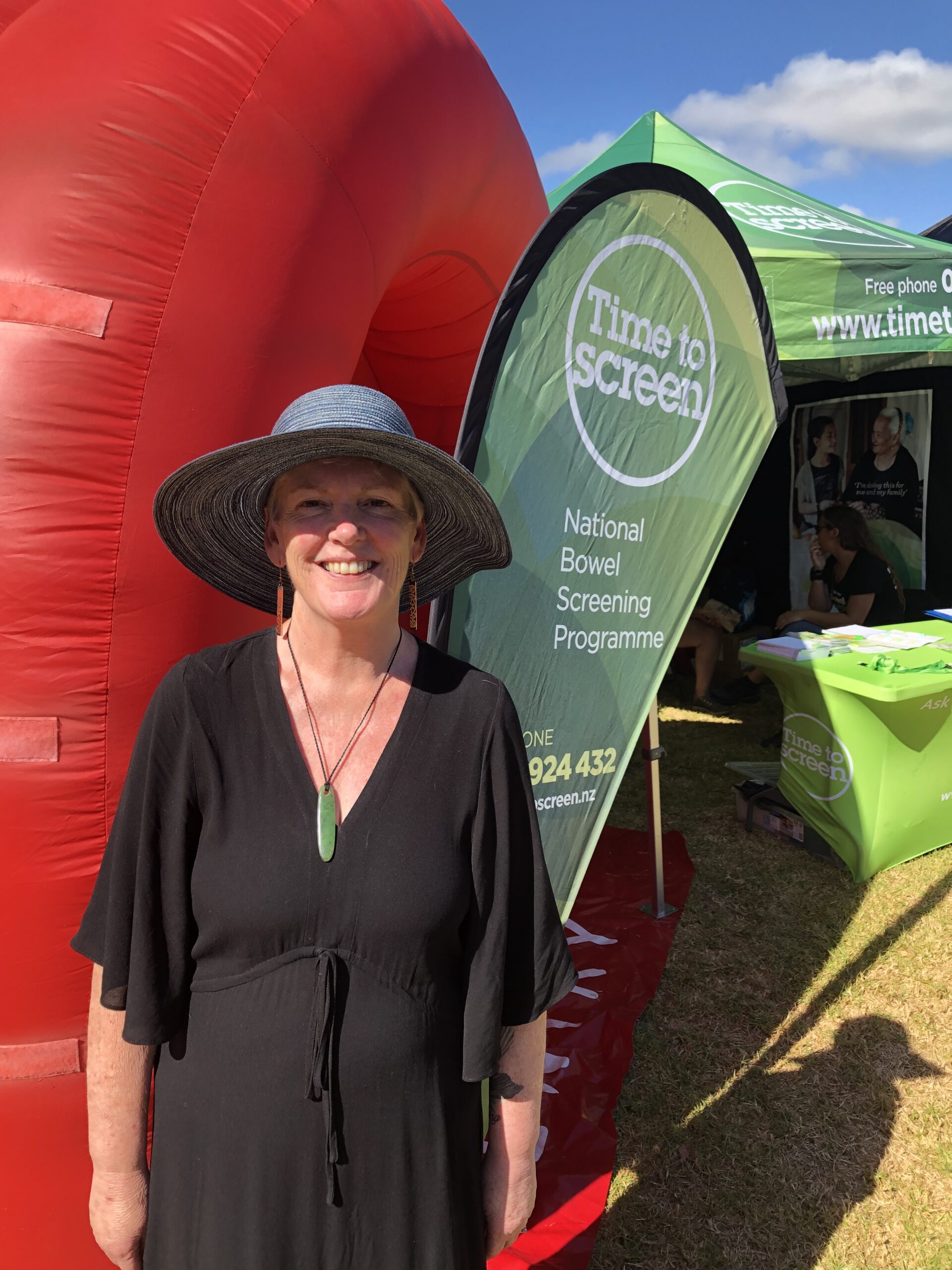
As well as working fulltime, she is also keynote speaker at this month’s world indigenous cancer conference in Manukau, where she is talking about the importance of whānau voice.
‘There are so many things I hope for this book because my work is not enough to turn around this racist train that we’re on.’
She is also co-chair of Māori cancer leadership network, Hei Āhuru Mōwai, which works to tackle racism in cancer care, policies and outcomes.
Fear of ‘white backlash’
And at the end of last year, she and colleagues finally published a damning article in the New Zealand Medical Journal, Tūtakarerewa — Indigenous advocacy and structural racism in bowel cancer screening in Aoteroa New Zealand.
It proves, says Kidd, that in 2020 the Government — via the Ministry of Health — turned its back on expert advice that dropping the free bowel screening age for Māori from 60 to 50 would save thousands of lives. Including, possibly, hers.
“It really highlights how hard people worked in that space and how much evidence was ignored. It shows how these inequities are perpetuated.”
Ignoring evidence that Māori got bowel cancer younger, died faster and things were only getting worse — the Government (led by Labour at the time) decided not to extend the programme.
‘It doesn’t matter if you have a rocky start. You can still go on and do stuff that’s really important.’
Key reasons were “fear of white backlash” — as well as the cost of providing enough colonoscopies to meet the true need that would have been revealed, the study found.
In 2022, the Government agreed to pilot a 50-year-old Māori and Pacific threshold in Tairāwhiti, Midcentral and Waikato, for three years.
But those pilots have now ended, and last year, a new threshold was set by Minister of Health Simeon Brown of 58 for everyone — the same age Kidd was diagnosed with stage four cancer. It meant more than 100,000 Māori and Pacific people who would have been eligible, were at risk.
He iti, he pounamu
Outside work, Kidd these days is focusing on the small but precious things — he iti, he pounamu. Her whānau — she has three daughters, a son and several moko — “dogs, sunshine, ice cream and lots of laughing”.
Ngākaurua is published by Cuba Press was launched at The Women’s Bookshop in Auckland on April 9
- Disclosure: Kaitiaki coeditor Mary Longmore worked with Jacquie Kidd on the editing of Ngākaurua.