


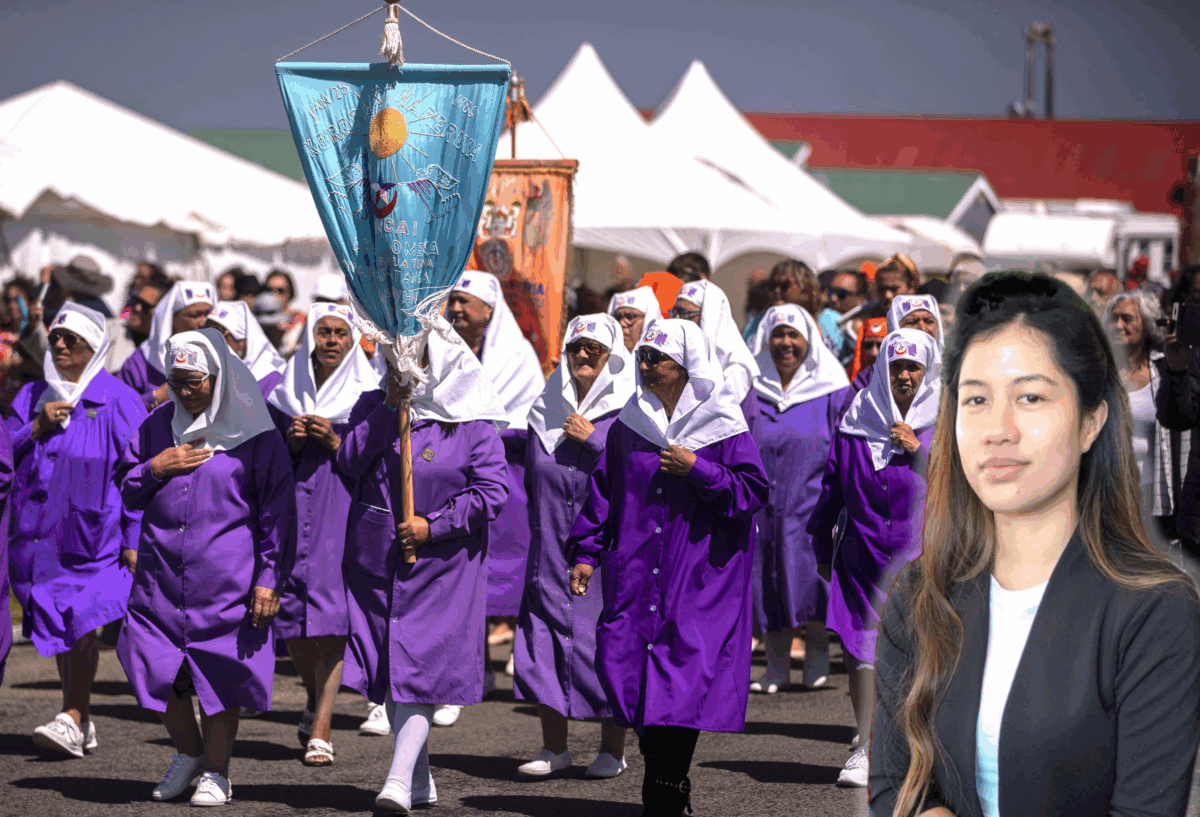
Parekura Mako-Kairimu, 29, is in her fourth month of working the medical ward at Whanganui Hospital, but she has been part of the Rātana Church and movement since she was born, raised at its home (Rātana Pā) which is located between Bulls and Whanganui.
In fact, if her mother had it her way she would be an awhina right now.
Read this story in te reo Māori here.
“Mum tried to get my twin sister and I to be awhina – our church’s equivalent of a nurse, but to be honest that uniform just wasn’t me,” Mako-Kairimu giggled.
“You the nurses, I now say that the name ‘nurse’ should be deleted from among you, and instead place the name ‘awhina’ as your title.”
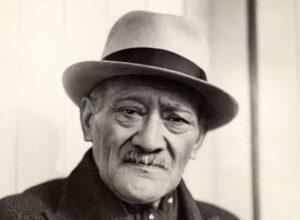
Church founder Tahupōtiki Wiremu Rātana created the role of awhina or spiritual nurses in 1926 to help instill hope, faith and healing back into Māori communities throughout the country who had been ravaged, and lost thousands of family members, to the influenza pandemic. Rātana himself lost the majority of cousins to the disease.
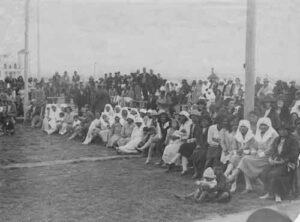
While touring Wairoa in the East Coast, Rātana declared to Māori nurses present, that he would make a place for them in his work: “You the nurses, I now say that the name ‘nurse’ should be deleted from among you, and instead place the name awhina as your title.”
Mako-Kairimu said awhina still exist in the church today.

“My aunty is an awhina. They play an important role, even today, visiting our sick and ill mōrehu [church followers] at home to uplift them using whakapiki [increasing their wellbeing] and whakamoemiti [prayer].
“Awhina don’t change bandages or stitch people. They don’t do what I do in the hospital. They work on the mamae or hurt that can’t be physically seen but is definitely there.”
There are estimated to be 40,000 to 45,000 mōrehu worldwide.
The Rātana celebrations kick off on Thursday and run through until Sunday at Rātana Pā. On Friday, political leaders, MPs as well as the Māori Queen Te Arikinui Kuini Ngā Wai hono i te po.
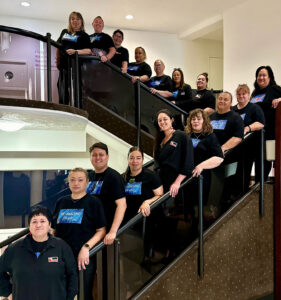
Delegates from NZNO’s Māori council Te Poari will also gather at the pā on Friday.
“My role is to manage the bain-maries in the kitchen, so I will be finding time to do that once my morning shift at the hospital is done.”
Mako-Kairimu said she was inspired to become a nurse because she could apply the Rātana and Māori values she was raised in. And because she could see the need for more culturally competent nurses.
“I got my first experience with the health system when my pāpā had to go to hospital. It was hard for him and us to understand most of the staff there, until we came across a Māori nurse who was able to talk with him in his first language – te reo Māori.
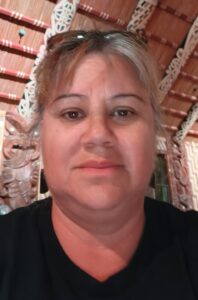
“That’s when I decided, I am going to be a nurse. Nursing also attracted me because it allows me to practice my values of whakapono, waimaramatanga and manaakitanga.”
NZNO delegate at Whanganui Hospital, Michelle Fairburn, said she was looking forward to attending her second Rātana commemoration this year.
“If we are to achieve Te Whare Tapa Whā and advance NZNO’s Te Tiriti o Waitangi aspirations, then it’s important that we observe and listen to the health aspirations of Māori communities, and network with other nurses from around the country, and events like this give us that opportunity.
“Rātana has such a rich history we can learn from. He was a farmer who lost the people he loved to a disease his people knew nothing about, and help them rise above it.”
Showing up at key events in te ao Māori was important, NZNO kaiwhakahaere Kerri Nuku said.
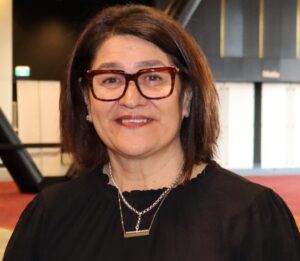
“Delegations of Te Poari attended every event in the Māori calendar last year including Rātana and Waitangi. It’s important we stay connected, and that we are visible to not just our patients but the whānau and iwi they come from.
“Being present at these events allows us to hear their realities, their concerns with the health system and that helps to inform what direction we need to be taking,” Nuku said.