


Minister of Health Simeon Brown this week announced puberty-blocking hormones would no longer be prescribed for gender-affirming care, due to a “lack of high-quality evidence”.
“While this uncertainty persists, the Government is taking a precautionary approach.”
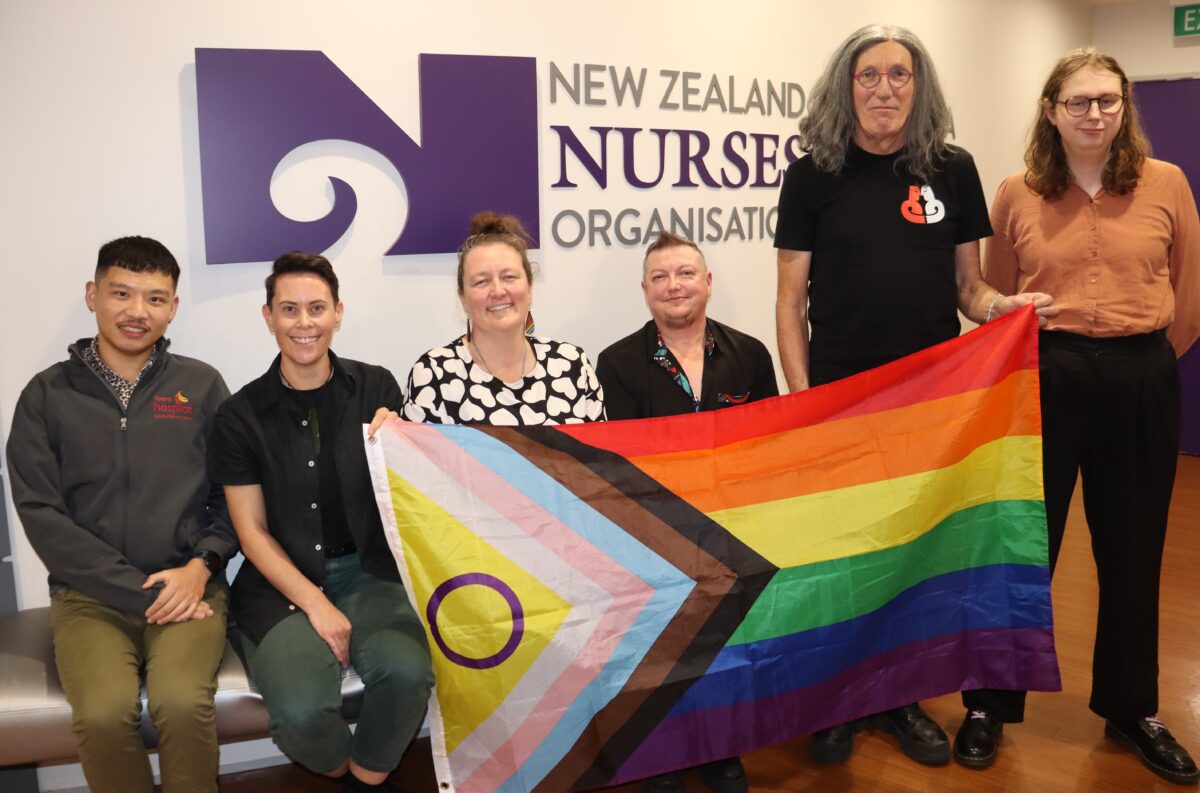
But NZNO’s rainbow special interest group member Juno Hunt said it was an ideologically-driven rather than evidence-based decision which would have a “devastating” effect on trans children and young adults.
The ban appeared to disregard the Ministry of Health’s own November 2024 evidence brief, which found no evidence of risk, Hunt said.
NZNO’s rainbow group wanted the ban reversed and the Ministry of Health’s updated guidelines for gender-affirming care released — nine months after they were completed.
NZNO’s college of child and youth nurses (CCYN) tapuhitia ngā mokopuna mō apōpō has also slammed the ban, and called for it to be reversed.
Nurse practitioner Michael Brenndorfer — who has nearly a decade of providing gender-affirming health care to young people — said the the college was “deeply disappointed and concerned” over the move.
“Puberty blockers have been used safely and cautiously internationally for decades to support transgender young people navigate gender dysphoria,” he said. “This will have a negative impact on the mental health of our young people.”

The sudden political decision to undermine clinical decisions made in consultation with young people and their whānau was deeply concerning, Brenndorfer said.
He blamed an imported culture war that had nothing to do with best practice health care for children and young people.
Earlier this year, the CCYN backed an open letter signed with 13 other health professional bodies in Aotearoa New Zealand, supporting the continued use of puberty blockers for transgender youth.
Updated guidelines on gender-affirming care were completed by the Ministry of Health at the end of March but are yet to be released.
Announcing a ban on the global transgender day of remembrance was particularly callous, both groups said.
Brown said due to “uncertainty” in the Ministry of Health’s evidence brief over the benefits of puberty-blockers for gender dysphoria, the Government was taking a “precautionary” approach and awaiting results of a National Health Service clinical trial in the United Kingdom, expected by 2031.
The drugs, known as gonadotropin-releasing hormone analogues (GnRHa), would remain available for those already using them for gender dysphoria, as well as medical conditions such as early-onset puberty, endometriosis and prostate cancer, Brown said.