


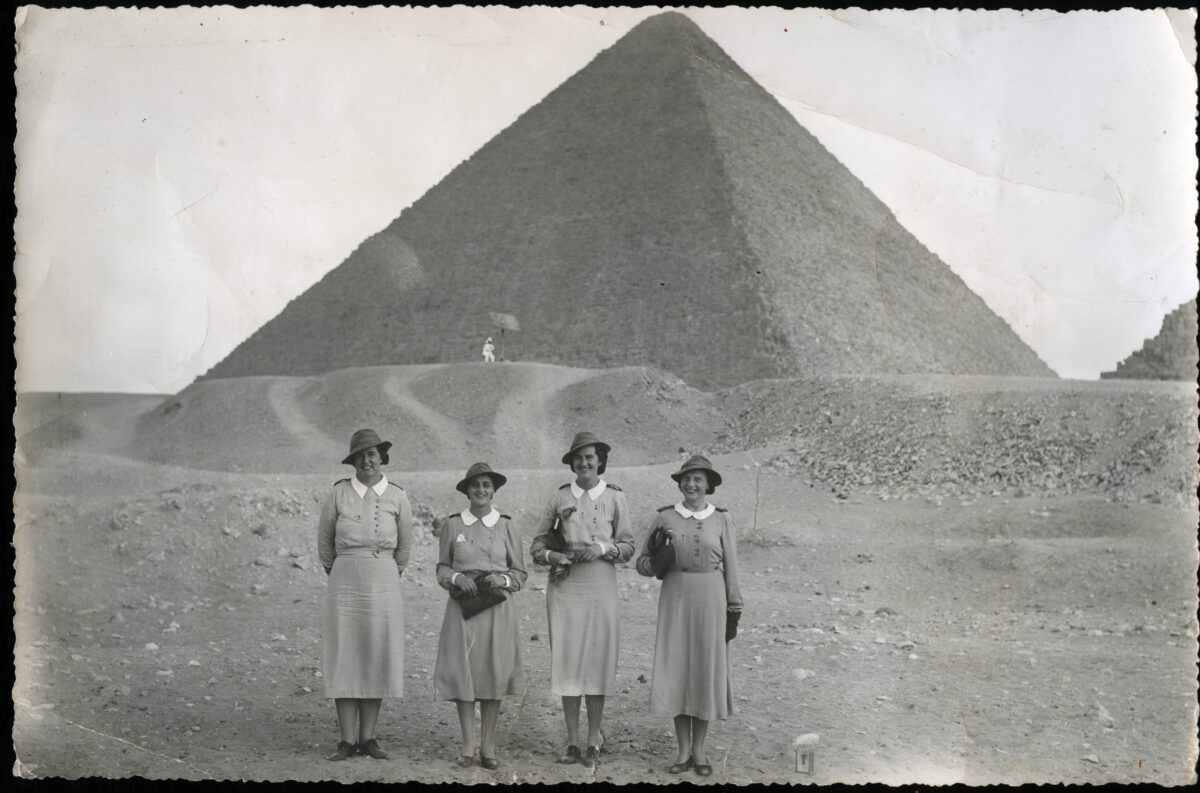
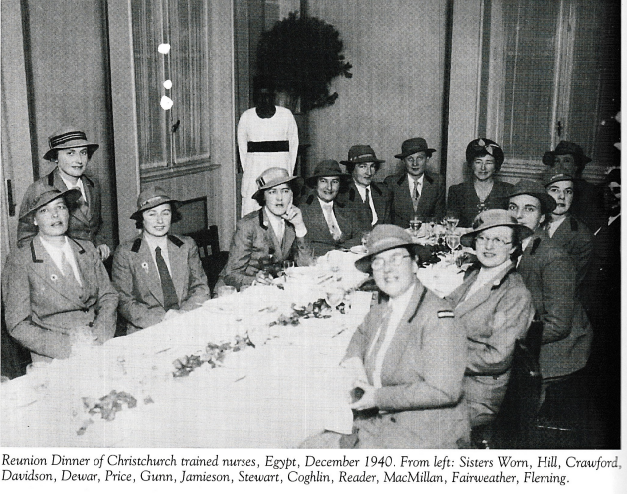
A new exhibition at Christchurch’s Nurses’ Memorial Chapel reveals the stories of the 101 Christchurch Hospital-trained nurses who served in World War 2, and post-war Japan.
Retired nurse Andrea Grieve worked for about two years gathering the profiles for A Legacy of Caring: Our World War 2 Nurses.
They faced bombardment, disease and were forced to join in the likes of the dangerous 1941 evacuation of the island of Crete, Grieve said.

“There’s a fabulous photo . . . of them all hiding in a cemetery and they’ve got their gloves and their hats and jackets and ties, and they’re hiding in this cemetery that was bombed the next day.”
Many had brothers serving in the war; others had seen the work done by nurses in World War 1, she said.
“I think there was an absolute commitment to look after ‘our boys’ — and they were their boys. And those boys loved them.”
Grieve, a mental health nurse, retired in 2020, in her late 60s, after being swept up herself in history: the arrival of the pandemic. “I was told ‘don’t come Monday’ with my age and pre-existing medical conditions.”
Her retirement mahi, however, meant she uncovered stories about ordinary people in extraordinary, and terrifying circumstances.
This included the 1943 Nazi bombing of Bari — a harbour on Italy’s southern coast where a New Zealand hospital was based. Dozens of ships were destroyed — including one secretly loaded with deadly mustard gas.
“They had the horror of these people with burns, hundreds of sailors died, local people [too].”
The nurses had an ability to “compartmentalise” the things they saw, Grieve said, focusing instead on the adventure of travel: even though it included spots with — then unknown — long-term risks.
“I wonder about their exposure in Japan. There’s a quote somewhere from one of the nurses. On their days off they would travel to Hiroshima . . . and pick up pieces of fused glass. I don’t know how radioactive they would have been, but it sounds like they were mucking around in the rubble and picking up stuff.”
The stories and images she found were “absolutely amazing”, she said.
There was the likes of nurse Jane Nepia standing in a photograph with desert soldiers leaning against a truck. She was the first Māori nurse to be awarded the Associate Royal Red Cross.
Nepia worked in casualty clearing stations – mobile surgical units near combat zones, stabilising wounded soldiers; on hospital ships, and then in post-war Japan.
She died in Wairoa hospital in 1982, near her home in Nūhaka in Hawke’s Bay where she retired — tending her garden as long as she could, and helping Nūhaka people as long as she could.
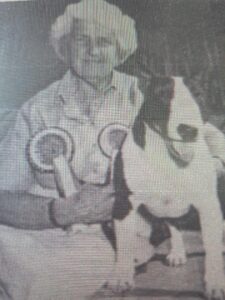
Grieve said her “absolute favourite” story was that of nurse Quita Cordner, on duty in Egypt when a white English bull terrier, a regimental mascot called Major Major, was admitted for surgery “to remove shrapnel from his rump”.
‘On their days off they would travel to Hiroshima and pick up pieces of fused glass.’
“She went on to become a world authority on the bull terrier breed, and I’m convinced it’s because of the dog she helped in theatre.”
Major Major died of illness in Italy and was buried beneath a cross with his name and serial number on it, Grieve said.
Cordner eventually married a retired British naval commander and died in 2011, aged 97.
Grieve said the nurses’ full military records were still under embargo — not allowed to be released — despite the 80 years elapsed since the war ended.
“I’m very hopeful that as people come to know about the project they’ll come forward with more information . . . I find it sad when you look on the Auckland war memorial Cenotaph, there’s very few photographs of them.”
- A Legacy of Caring: Our World War 2 Nurses, September 1-7, midday-4pm. Nurses’ Memorial Chapel. And October 12-26, 1pm -3.30pm on Wednesdays, Saturdays and Sundays, or by arrangement.