


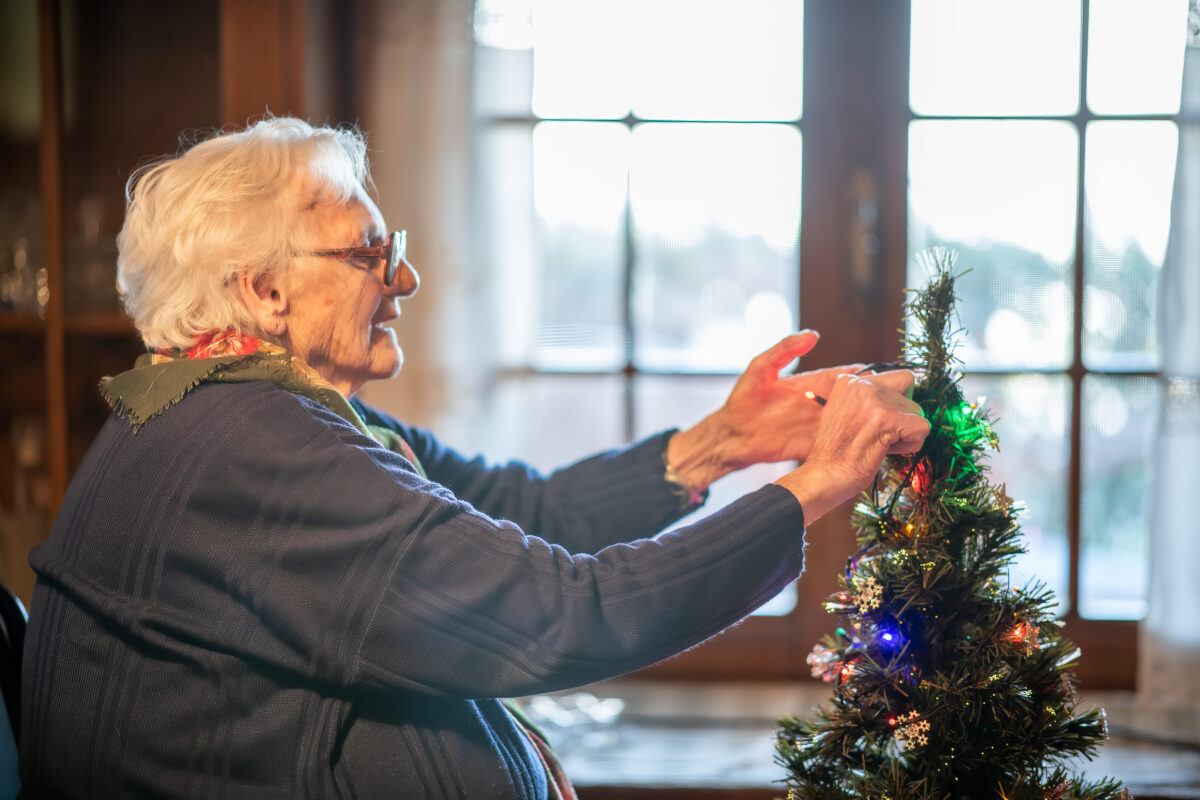
In the week leading up to Christmas, and in the days after, aged-residential care (ARC) facilities often feel warmer and more alive. Decorations go up, special menus appear, music plays softly in the lounges and staff work deliberately to create moments of celebration, comfort, and dignity.
But what stays with me long after Christmas is not the carols or the lunch, but the contrast.

Some residents are collected by family, taken out for a meal, while some are surrounded by familiar voices and laughter. Others sit nearby, watching those reunions unfold. Not because they have no children or relatives, but because no one comes. For a few, there is not even a phone call.
In these moments, the distress was not about missing gifts or outings, but about the quiet realisation of being forgotten.
This reflection is drawn from my nursing practice in aged-residential care over the past few years.
What I have observed was not an isolated experience, nor was it unique to the festive season. Christmas did not create this isolation; it simply made it more visible.
The heightened activity, increased family presence, and celebrations made social differences more apparent. Even residents who usually appeared to cope well became more withdrawn as the days passed and visitors failed to arrive. In these moments, the distress was not about missing gifts or outings, but about the quiet realisation of being forgotten.
While Christmas magnifies the issue, loneliness and social isolation in aged residential care are not seasonal. They persist on ordinary weekdays, on birthdays that pass quietly, and on long afternoons when absence becomes routine. Over time, absence can become normalised by families, by the system and even by residents themselves. Residents may stop asking. Staff may stop expecting visitors.
Loneliness is not only a feeling — it is a risk
What I observed during this period reflects a wider, well-documented issue in aged care: loneliness and social isolation among older people.
In ARC, they can be present even when care needs are met, because care is not the same as connection. Evidence from national and international health authorities consistently shows that loneliness and social isolation have significant consequences for older people’s health.1
Meaningful connection, however, does not require perfection, long visits or significant expense.
Te Whatu Ora-Health New Zealand (HNZ) identifies impacts on both mental and physical wellbeing,2 while the World Health Organization links social isolation and loneliness to poorer health outcomes, reduced quality of life and increased mortality risk3 .
In everyday practice, the effects of loneliness often appear in subtle ways that can easily be misunderstood or overlooked. Residents may become more anxious and repeatedly ask questions. Others may show changes in behaviour, including restlessness, irritability, agitation or a gradual withdrawal from activities they once enjoyed. Low mood and tearfulness are also common, particularly after other residents have received visits. Physical changes may follow, such as reduced appetite or poor sleep.
‘They’re being looked after’ is not the whole story.
It is easy to assume that once a loved one enters aged residential care, their need for family decreases because they are being looked after. This assumption is understandable. Facilities are structured, staffed, and designed to provide safety, continuity of care and clinical oversight. Nurses and care staff deliver care with professionalism and compassion, often going beyond their formal roles to provide comfort and reassurance.
A short phone call at the same time each week provides reassurance and something to look forward to.

However, family contact fulfils a different function from formal care. It provides emotional reassurance, reinforces identity and belonging, and affirms to residents that they remain valued within their family network. This type of connection cannot be substituted by even the highest standard of professional support.
One of the most difficult aspects to witness in practice is the emotional shift some residents experience throughout the day. There may be early hope as the facility becomes busier, followed by quiet disappointment as visiting hours pass and no one arrives. In these moments, residents may feel unseen and disconnected, even while their care needs are fully met.
How families can support connection without needing to do ‘big things’
Many families want to do better but feel overwhelmed by practical constraints or emotional complexity. Distance, financial pressures, caregiving fatigue, strained relationships and the difficulty of witnessing aging and decline all play a role. Sometimes guilt becomes heavy enough to turn into avoidance.
Meaningful connection, however, does not require perfection, long visits or significant expense. It requires intentionality and consistency.
Predictable contact can significantly reduce anxiety for older people. A short phone call at the same time each week provides reassurance and something to look forward to. Knowing when contact will occur is often more important than how long it lasts, particularly for residents living with uncertainty or cognitive decline.
When visits are not possible, acknowledging meaningful days still matters. A brief phone call, voice message, or video greeting on a birthday or holiday can transform how a resident experience that day. Even a few minutes of contact communicates a powerful message: you were remembered.
Sharing responsibility across the family can also improve consistency. When contact falls to one person alone, it may become irregular or stop altogether during busy periods. A simple plan, agreeing who will call or visit on which days, can help maintain regular connection without placing the burden on a single family member.
A respectful reflection
For families with a loved one living in aged residential care, it may be worth reflecting on what presence continues to mean beyond the provision of care. Care meets essential needs, but connection meets the human need to be seen, remembered, and valued.
Christmas will come again. So will birthdays, anniversaries, and ordinary Tuesdays when loneliness can feel even heavier than it does on significant days. The question is whether older people will experience those moments as still connected to family, or as quietly left behind.
Often, it is not grand gestures that matter most, but small, consistent acts of presence. A short, predictable phone call made regularly and at the right time can be enough to remind an older person that they are still remembered, and that they still matter.
Adetoun Oyekunle RN, MNSc, FCNA(NZ), is a care manager at Capital & Coast Care Coordination Centre in Wellington, which provides home help assessments. She is currently completing a professional doctorate on shift choice and flexible scheduling at Victoria University of Wellington’s School of Nursing, Midwifery and Practice.

She is also seeking nurses to take part in a short, anonymous survey on the impact of shift choice and flexible scheduling on fatigue, here.
- NZNO is advocating for safer staffing in aged care, through its Age Safe campaign.
References
- White, J., Falcioni, D., Thomacos, N., Mackenzie, L., Noble, N., & Boyes, A. (2025). Social Connection, Loneliness, and Solutions: Perceptions of Older Adults. Activities, Adaptation & Aging, 1-25.
- Te Whatu Ora-Health New Zealand. Loneliness and isolation – mental wellbeing information.
- World Health Organization. Social isolation and loneliness among older people.