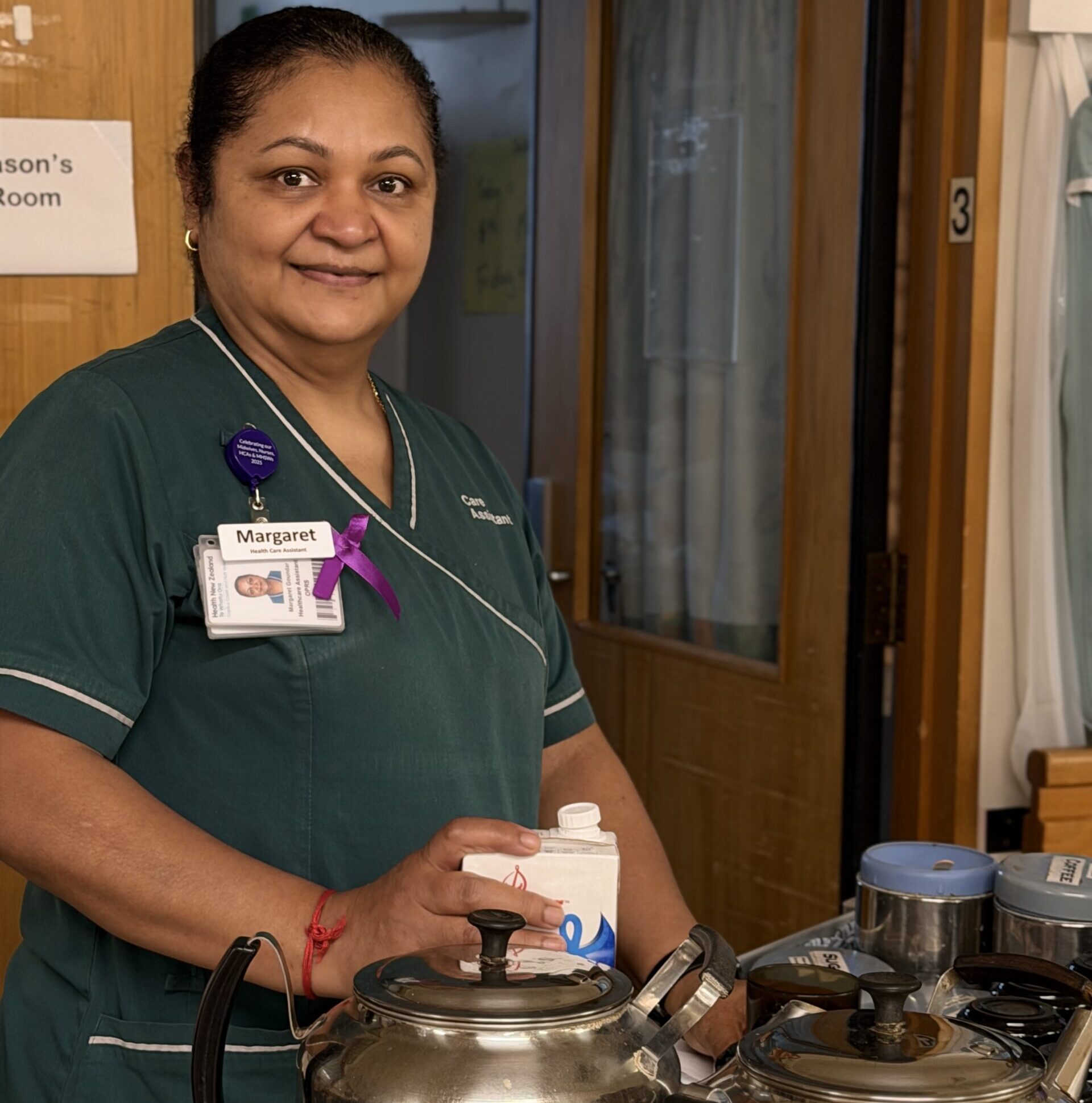



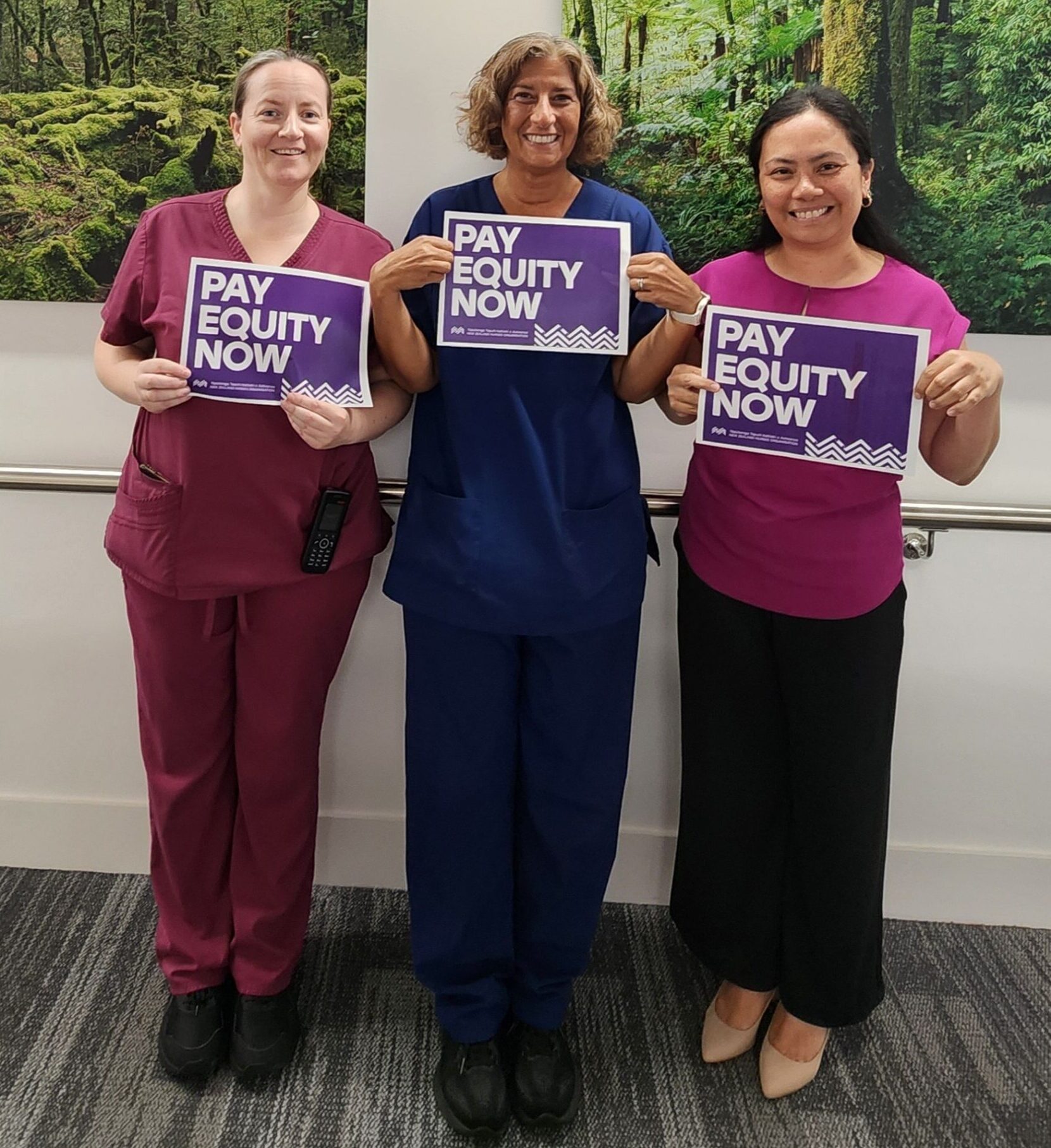
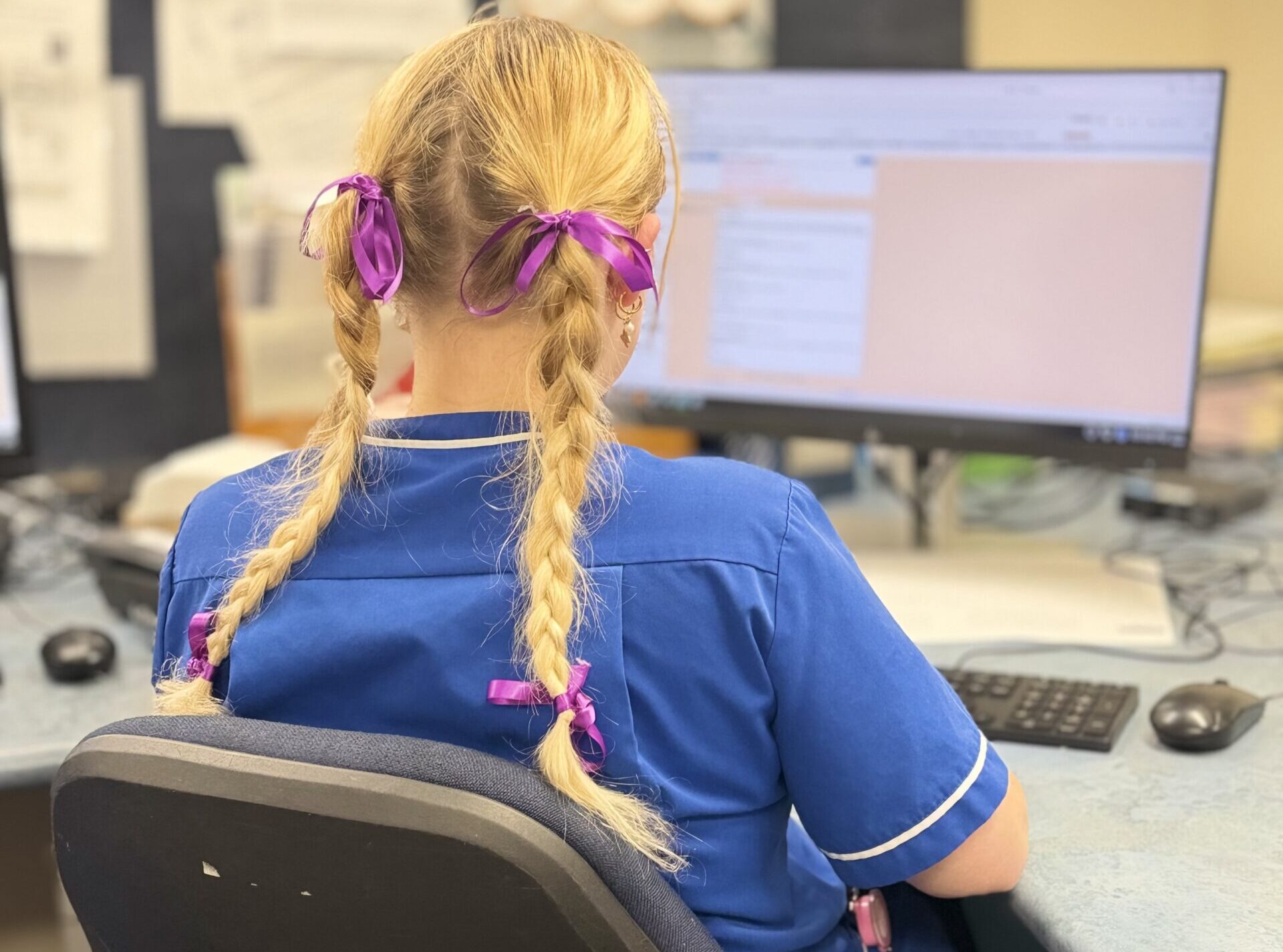
Kaitiaki was swamped with images from around the country snapped by NZNO members and supporters in last week’s go-purple events for pay equity.
We couldn’t fit all our readers’ faces in our stories about the build-up preparations, or about the nationwide events for International Women’s Day, or even the rally at Parliament that drew an inspiring speech by hospice nurse Anna Garton.
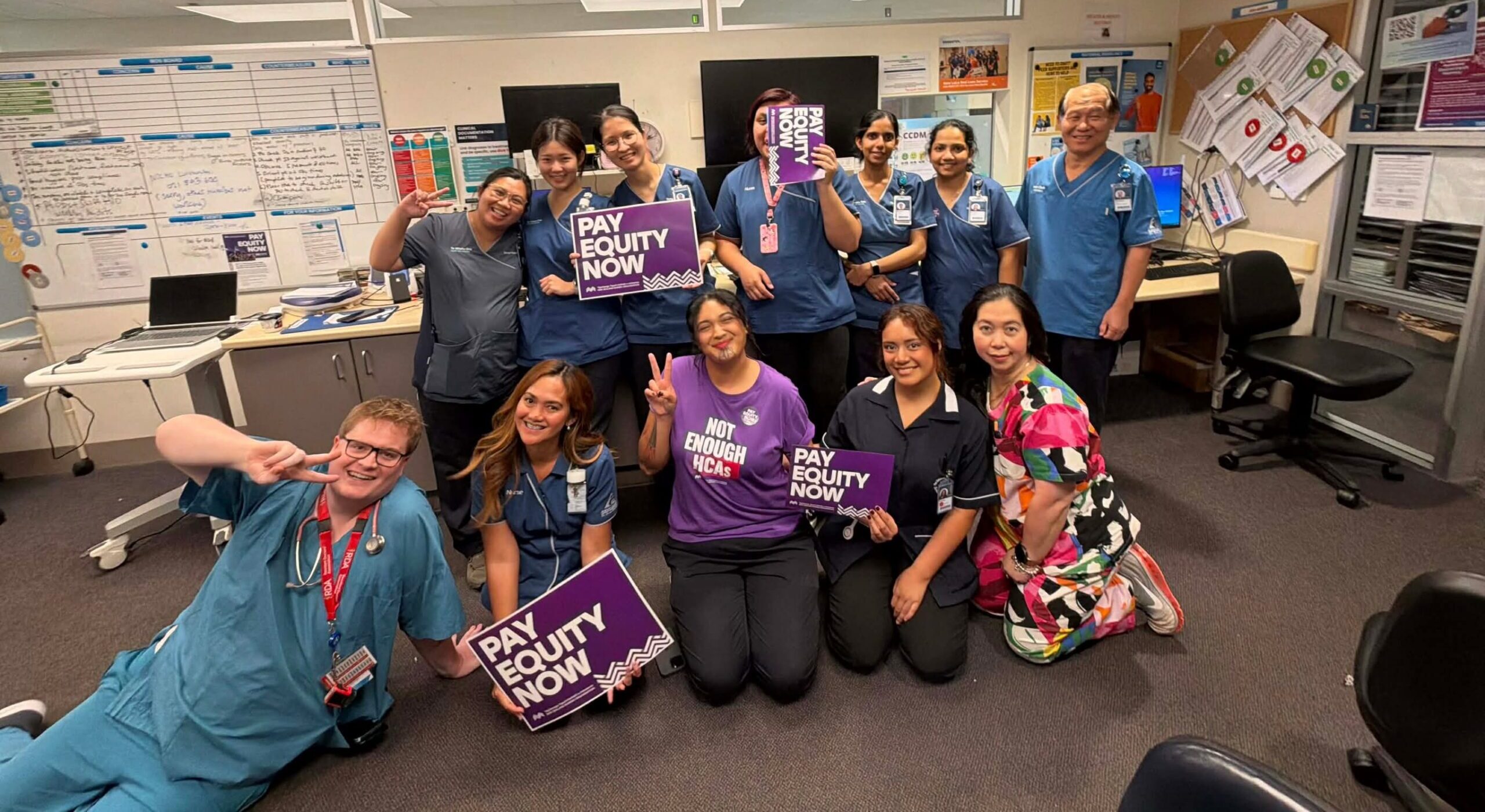
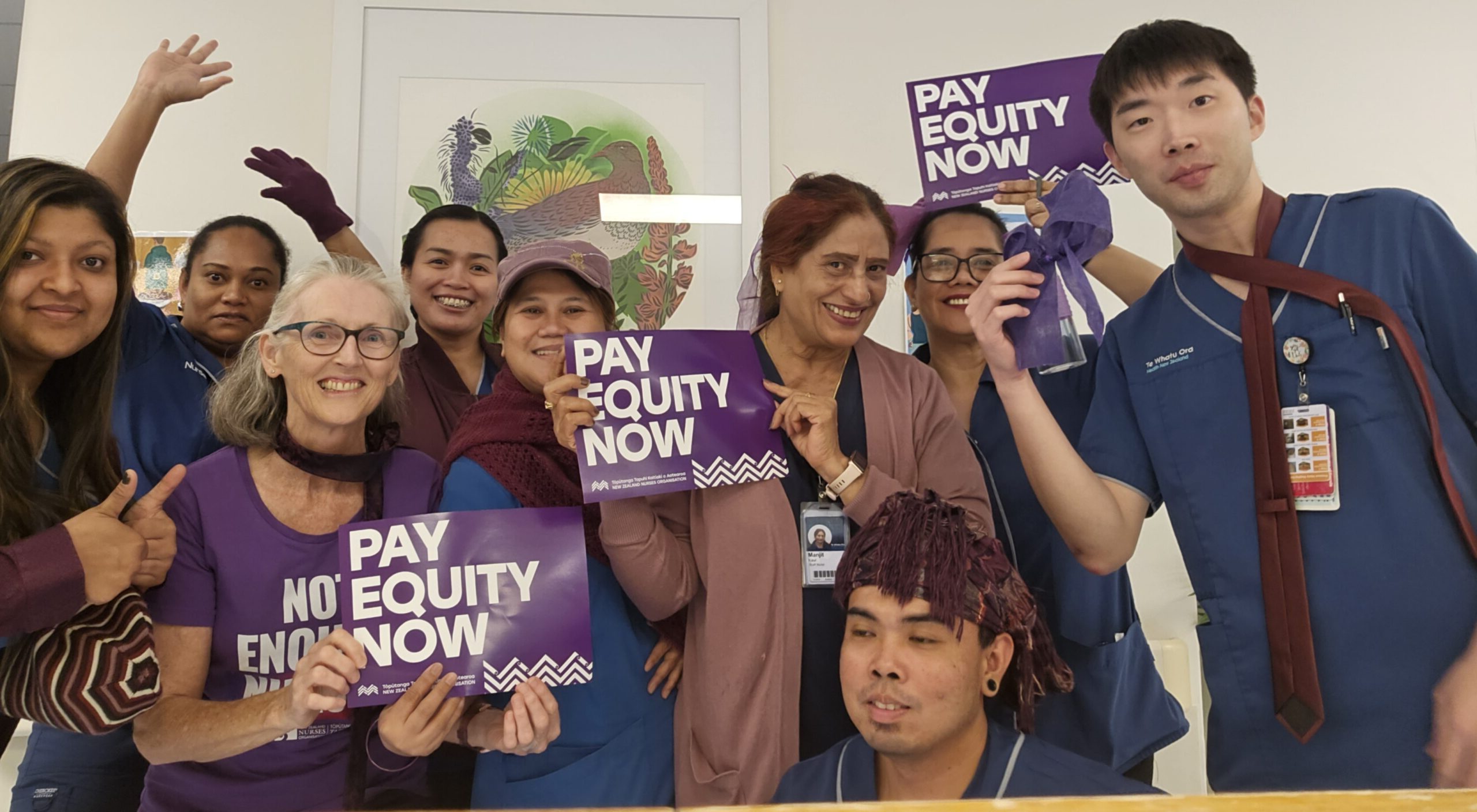
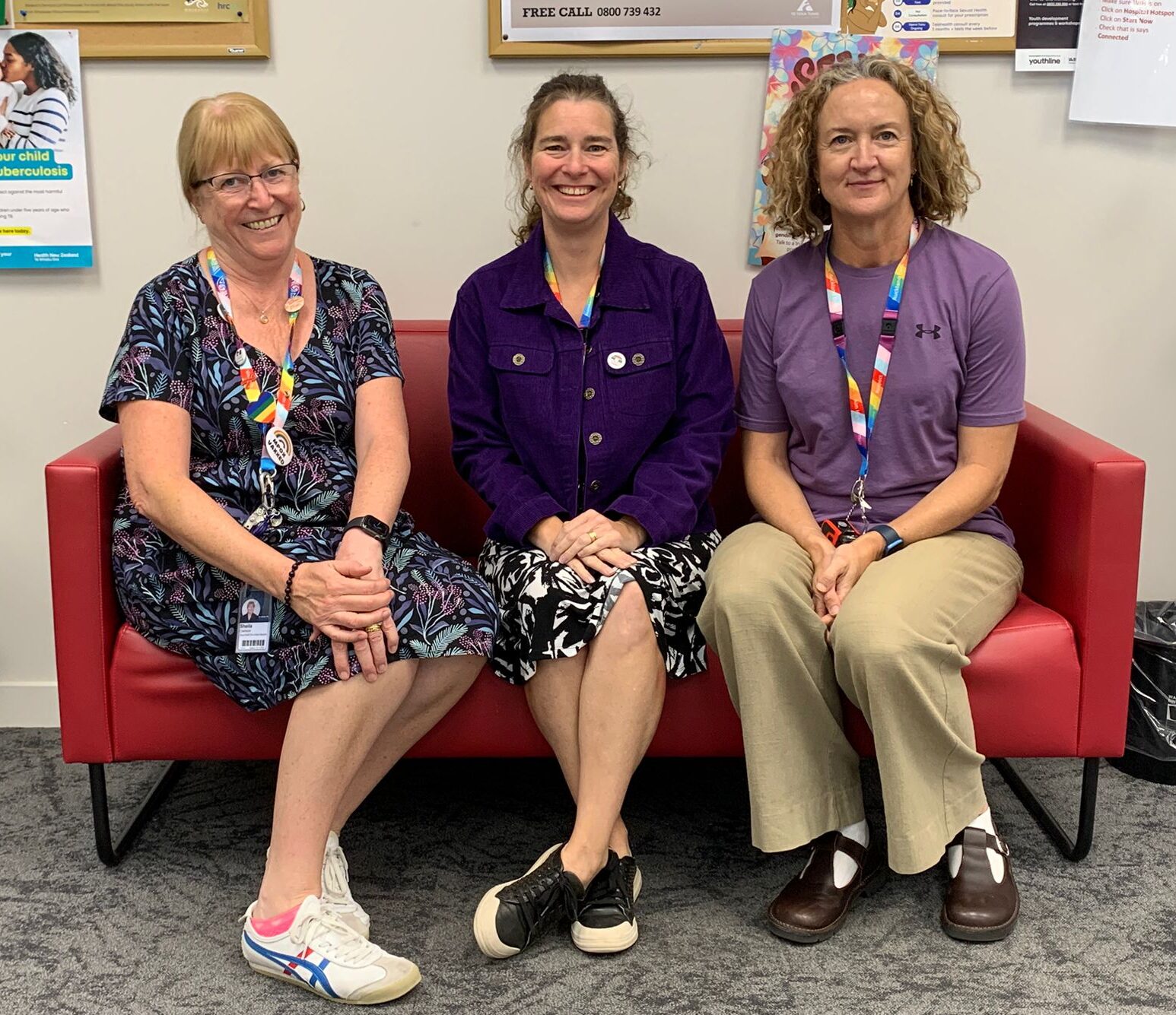
So read on here to see photos from enthusiastic members that were simply too good not to share.
After all, they thought the kaupapa supporting pay equity was too good not to share, too.

Last week’s events came hot on the heels of the people’s select committee release of its findings on the Government’s gutting of pay equity claims.
The committee, comprising former MPs from across the political landscape, held hearings from August to October last year. The aim was to give a voice to communities denied in the actual law-making.
On May 6, 2025, the Government announced it was introducing and passing the law gutting pay equity the same day. At that point, 14 claims had been settled, and 33 were still underway. The changes reportedly saved the Government $12.8 billion for Budget 2025.
NZNO was involved in 12 of these live claims — including two that were only weeks from completion.
At the report launch in Wellington, former Labour minister Lianne Dalziel, a committee member, said the law change’s retrospective application to live claims was a “breach of the rule of law”.
“But the way ministers also covered up what they were doing while letting work on pay equity claims proceed was a breach of good faith.”
Former National MP Marilyn Waring said the Government had destroyed a world-leading pay equity process.
Her message to workers was simple: “Don’t be defeated, that’s what they want. That’s their most important thing: to make you feel powerless . . . defy them.”

The report laid out in detail how the Government covertly planned to dump the law, while still forcing unions and industry bodies to go through the negotiations.
Pay equity seeks the same pay for female-dominated professions (nurses, health-care assistants) as male-dominated mahi requiring similar effort, skills and responsibilities.
But the final word for the week should go to Wellington dialysis health-care assistant Tasi Grant, who spoke outside the city’s hospital as part of a go-purple rally.

“It’s sad, it’s upsetting, because doing this work is really hard. You put so much on yourself and your body — your mental health — to help all these people and not being shown the same support as men is sad.”