


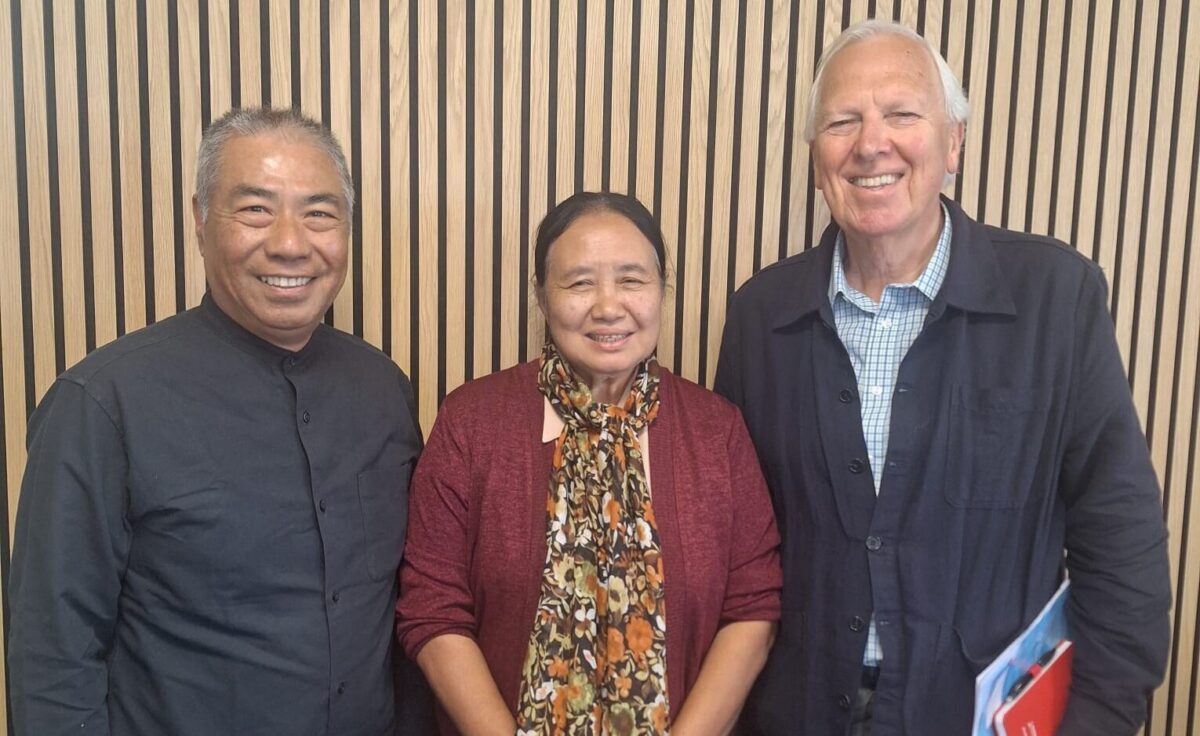
Maung was the guest speaker at an NZNO-UnionAid presentation — talking about building health care during a violent humanitarian crisis. UnionAid is a global union support network.
While she shared her experiences on the Thai border helping those displaced by military oppression, she was also keen to tap into NZNO nursing expertise too and boost training for border health-care workers.
Maung said she fled, along with many other medical and health workers, to the Thailand-Myanmar border in 1988.
She started the Mae Tao Clinic, just inside Thailand, in 1989: working in a donated building with a bare dirt floor. Maung sterilised instruments in a rice cooker — working with colleagues to help patients presenting with everything from malaria, to gunshot wounds and land-mine injuries.
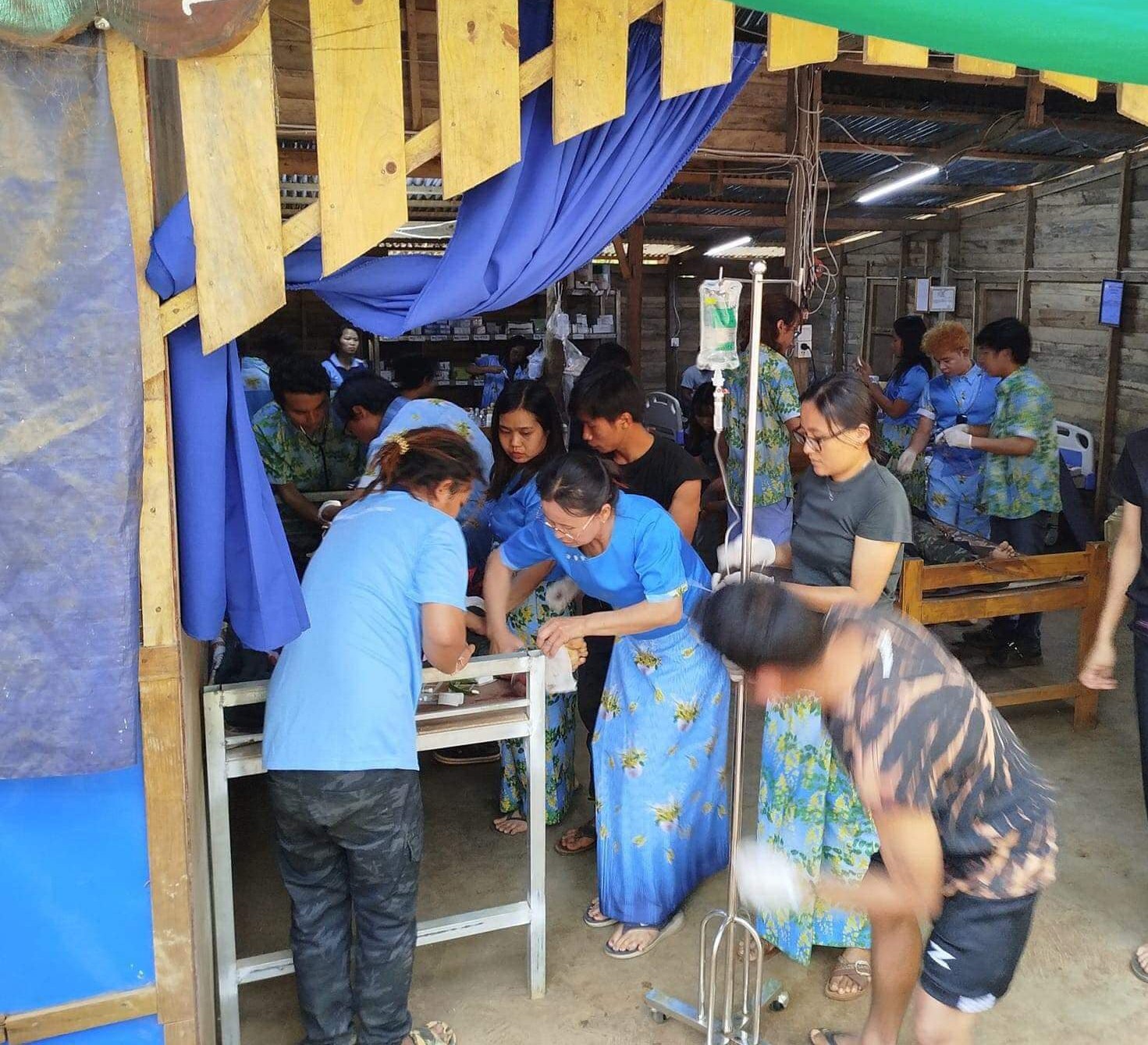
Now there were nine refugee camps along the 2000 kilometre-long border, home to generations of “stateless” people, said Maung.
While everyone suffered from the impacts of conflict and human-rights violations — forced relocation, forced labour, food disruption — women and children were most affected, she said.
Things had only worsened since 2021, when the Myanmar military took over the country in another coup.
The first professionals to oppose the coup were health-care professionals. They joined the nationwide civil disobedience movement — where more than 80 per cent of the health-care workforce, nurses, health-care assistants and doctors went on strike.
In that year after the coup, according to Human Rights Watch, the military killed more than 1500 people in a violent crackdown on resistance.
“Today in Myanmar we have almost 3.5 million, four million people internally displaced — they are always under attack by airstrikes. Airstrikes are ongoing . . . not only on the border now, even in the central part. So many hospitals are being attacked,” said Maung.
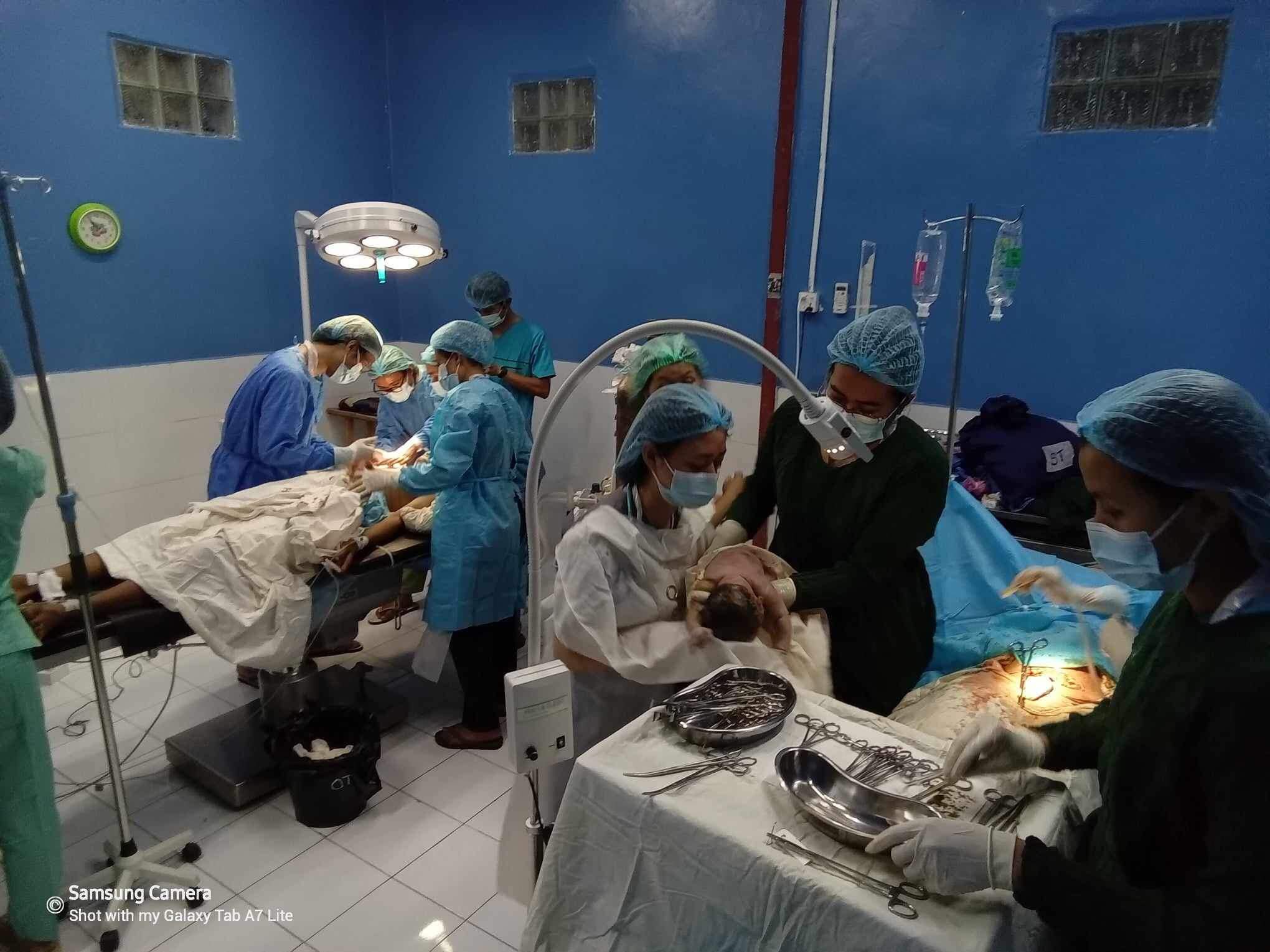
Patient demand increased by 20 to 25 percent annually since the coup, she said. Last year, clinic services provided almost 150,000 outpatient consultations and took 8000 inpatient admissions — including about 1800 women coming to deliver their babies.
Since the coup, the supply chain carrying items like vaccines or malaria medicine to border regions was interrupted or restricted by the military, she said.
Meanwhile, the US Agency for International Development (USAID) had stopped funding the clinic. The agency gutted by Elon Musk’s cost-cutting efforts in the Donald Trump administration.
NZNO lends a hand
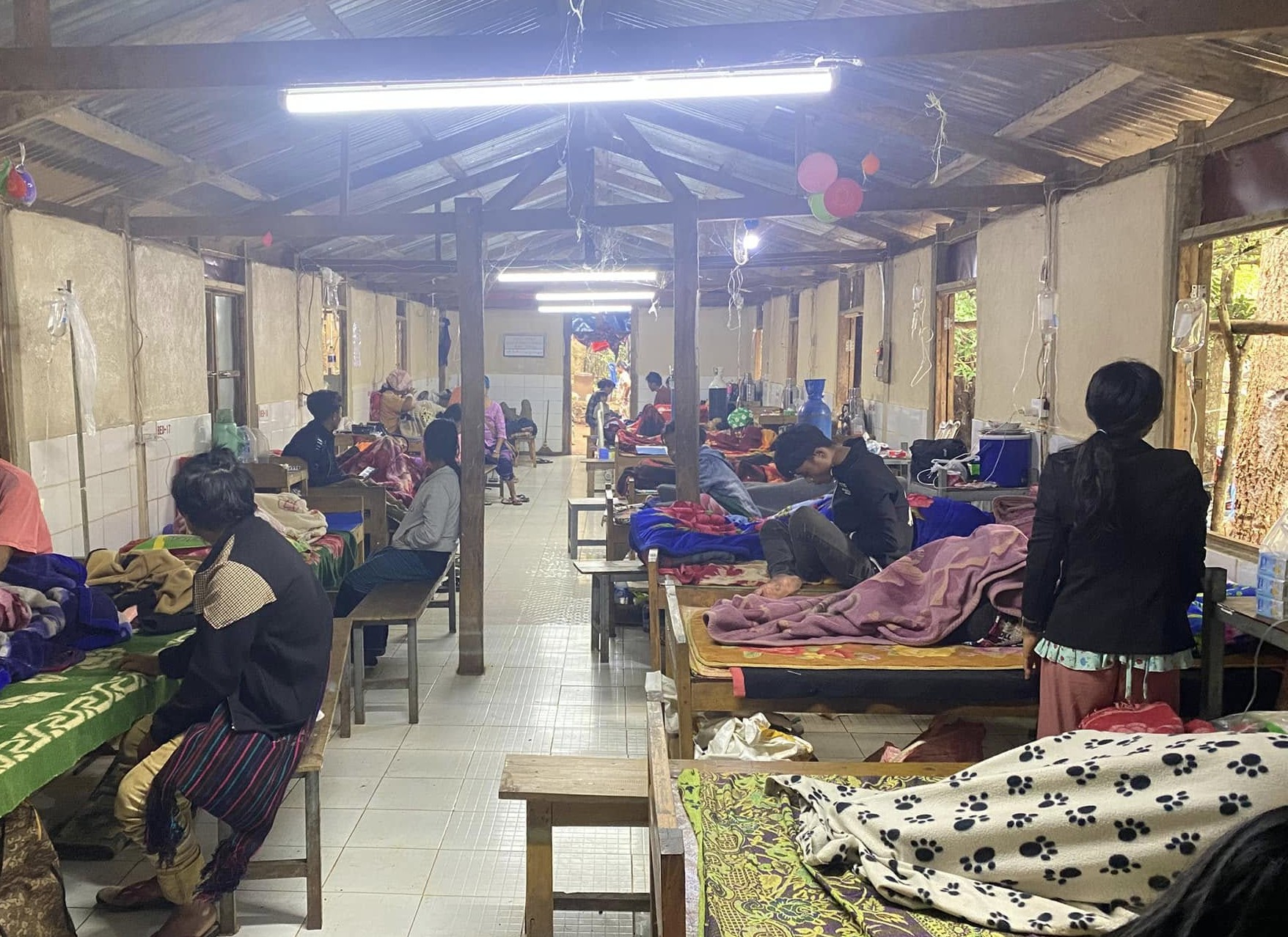
Last year, the NZNO board approved a $35,000 grant for a project to help build a sustainable health-care workforce in Karenni state, in eastern Myanmar, about 500 kilometres north of the Mae Tao Clinic.
Its primary goal was to boost and upskill the local health-care and medical workforce — initiatives including recruiting international nursing experts as volunteer teachers, and engaging with students through online learning.
Separately, but with support from nurses in Karenni and other parts of the world, the Mae Tao Clinic had developed a 120-credit bachelor of nursing curriculum.
Also speaking at the event, doctor Nyunt Naing said NZNO could help by providing expertise and funding for several initiatives including drafting “mock-up” practical exams, performing the testing, as well as grading skill levels from the results for the bachelor students.
UnionAid founding chairman Ross Wilson said NZNO had already built a relationship with the nurse training in Karenni. The next step now would be connecting the Karenni project doctor with Mae Tao’s, he said. “The logic is to look at a larger project.”
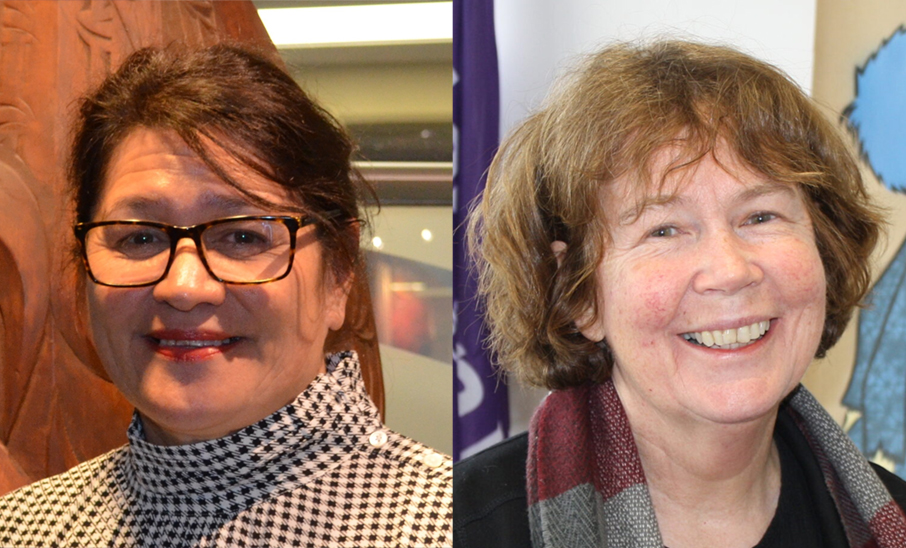
NZNO kaiwhakahaere Kerri Nuku said NZNO was “here to support nurses across the globe”.
“There’s lots of crossovers with the project and discussions we’ve had with practical actions . . . we’ve got colleges and sections that can support some of the development.”
NZNO president Anne Daniels said she believed the “bones” were there for NZNO to establish training programmes.
“Whatever we do . . . in terms of skill development, knowledge development, we have to be very mindful of your constraints . . . it would be wrong of us to deliver any sort of programme that is not cognisant of the infrastructure gaps.”
Maung said she had wanted to be a health professional since she was young — but had grown up in a country that had been oppressed for decades.
Myanmar was ruled by successive military regimes, she said. “So this story of displacement, migration — it’s been going on since 1962.”