


We recently spent three days in North Shore Hospital and were surprised and delighted by the support given by both nurses and doctors. Surprised because there was an obvious shortage of both. Delighted that in this under-resourced setting these health-care professionals gave so much of themselves.
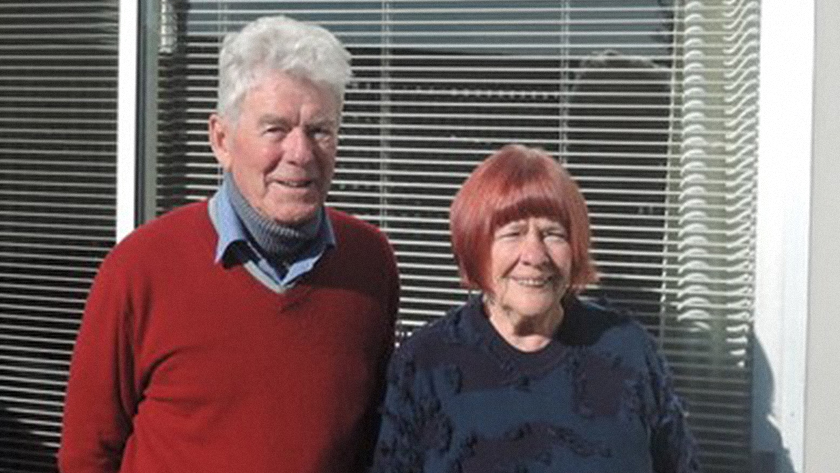
We are both volunteers at a Devonport op shop, were in hospital at the same time and found we shared the same concerns.
We realise our government has put more money into health, with an increase of 10 per cent in the 2026 Budget (for hospital upgrades, more beds and a new IT system) and that nurses are paid more. But nurses say they are also expected to do more.
Health NZ (Te Whatu Ora) has asked hospitals to save money and there are significant restrictions on hiring staff.
Maybe financial planners think that we oldies are asleep by 6.30pm with no needs until 8am. One nurse to 15 patients at night seems very mean.
Sick nurses and health-care assistants are often not replaced when needed. If a health-care assistant calls in sick, a nurse is expected to make beds, shower patients, clean up messes, feed patients and assist with walking as well as their other duties.
We know that we are not a rich country. We don’t have the population or the diversity of high-earning exports to be rich.
The nurses we talked to understand that we may never achieve a nurse/patient ratio of l: l, which is the aim of health systems in Queensland, California and Canada. They just want a “safe staffing” ratio.
The nights we were in hospital certainly showed that this is not happening. We were in medical wards of 30 beds and every bed seemed occupied. There were two nurses on duty in one of our wards after 7pm and an empty nurse station during the night.
It was necessary to join others in the chorus of bells and buzzers. Maybe financial planners think that we oldies are asleep by 6.30pm with no needs until 8am. One nurse to 15 patients at night seems very mean. Australia aims for a nurse/patient ratio of 1:7 at night and 1:4 during the day.
Our hospital system is not keeping up with an ageing population and people are living longer (just look at the death notices), and a freeze on hiring nurses has been in place for some months now.
As we both waited to be discharged — a wait of more than three hours — we wondered whether there was a shortage of doctors to sign us out or a shortage of backroom public servants or both?
Maybe AI will quicken clerical processes but a robot will never replace a doctor or a nurse.
Sarah Beck and Mike Leyden
Auckland
- This letter was first published in the Devonport Flagstaff and Rangitoto Observer.