


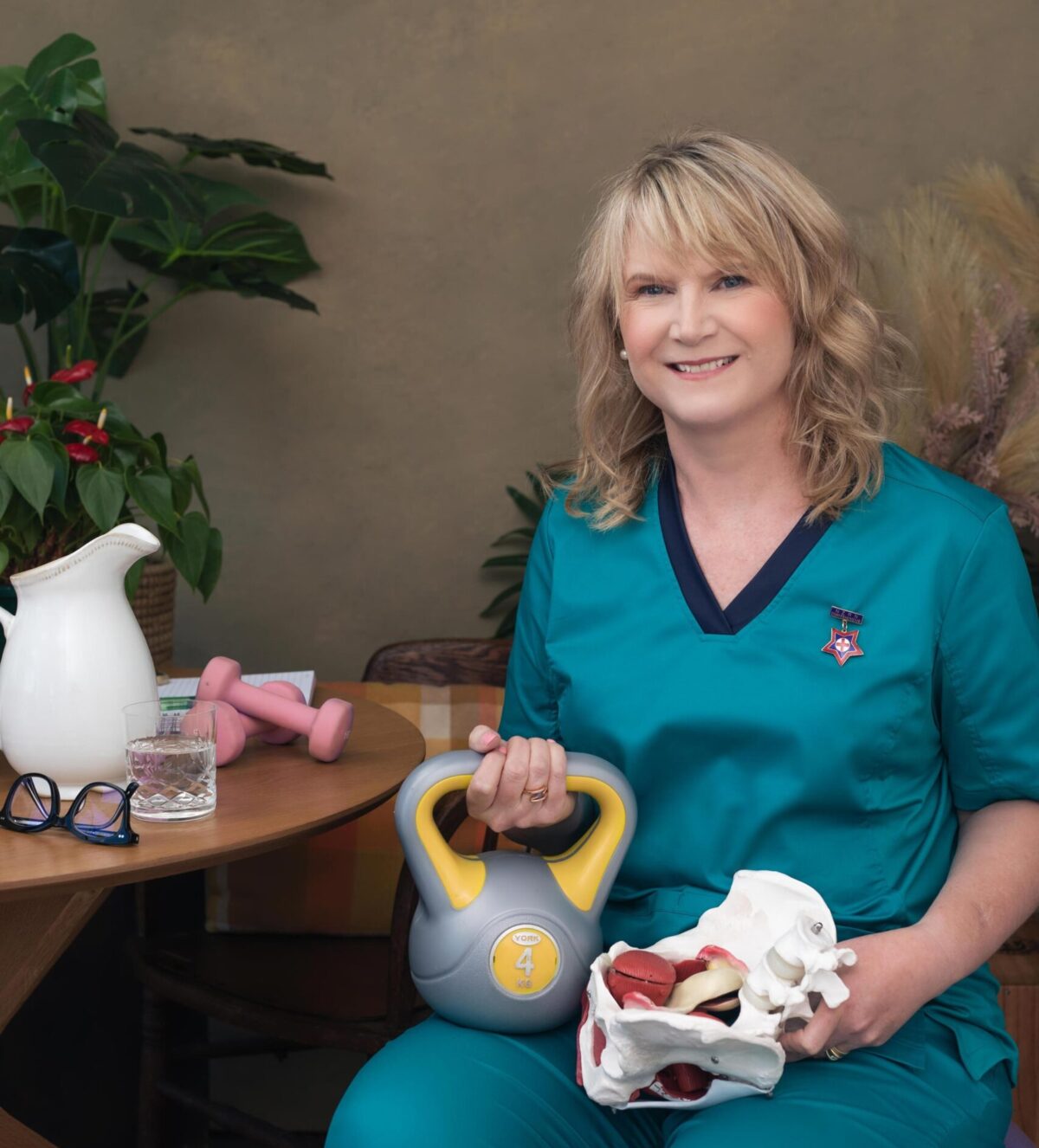
‘I knew it was a thing that happened to me’
My pelvic floor muscles had been totally ignored, yet I’d delivered two babies, and I had some clear risk factors and reasons for referral to pelvic health physiotherapy. I didn’t know about my risk factors from pushing for a long time during Skye’s birth, or the ventouse extraction and perineal tear to name a few. The gym had no idea to ask questions about people’s vaginas before they exercised them.
Sometimes I started to leak, well almost lose the whole lot of urine when I laughed.
Other times I would leak when I ran to hit a volley in tennis (I had taken up tennis again too.) I didn’t see leaking urine as a problem, because to me it was expected, it was what happens when you have given birth, and you are around forty. It was normalised. I knew it was a thing that happened to me, and most probably to other mothers at the gym.
— extract from Lady Talk.
People ask me what triggered my interest in vaginas?
To start with it was my mum’s story about my delivery. The Neville Barnes forceps that were used to pull me into the world. She relayed that story to me so many times. At first, when I graduated from nursing school amongst the sulphur fumes in Rotorua, gynaecology was not something that I had any interest in.

Eewww! No, I did not want to do that — it was taboo, too private and personal. I was young and vaginas were awkward. We don’t talk about them, do we?
I went on to work as a nurse across medical, haematology, plastic and reconstructive surgical, and paediatrics in New Zealand and the United Kingdom over the next decade.
I’d get up with a driving force to save one vagina at a time.
But after my own experiences of childbirth — with its trauma, tearing, pushing, leaking and stitches — my interest in vaginal and pelvic health returned.
I also wanted to focus on wellness, after seeing so much raw sickness and suffering. So, after 13 years, I quit nursing and retrained as a personal trainer, focusing on women who had given birth and damaged pelvic floor muscles.
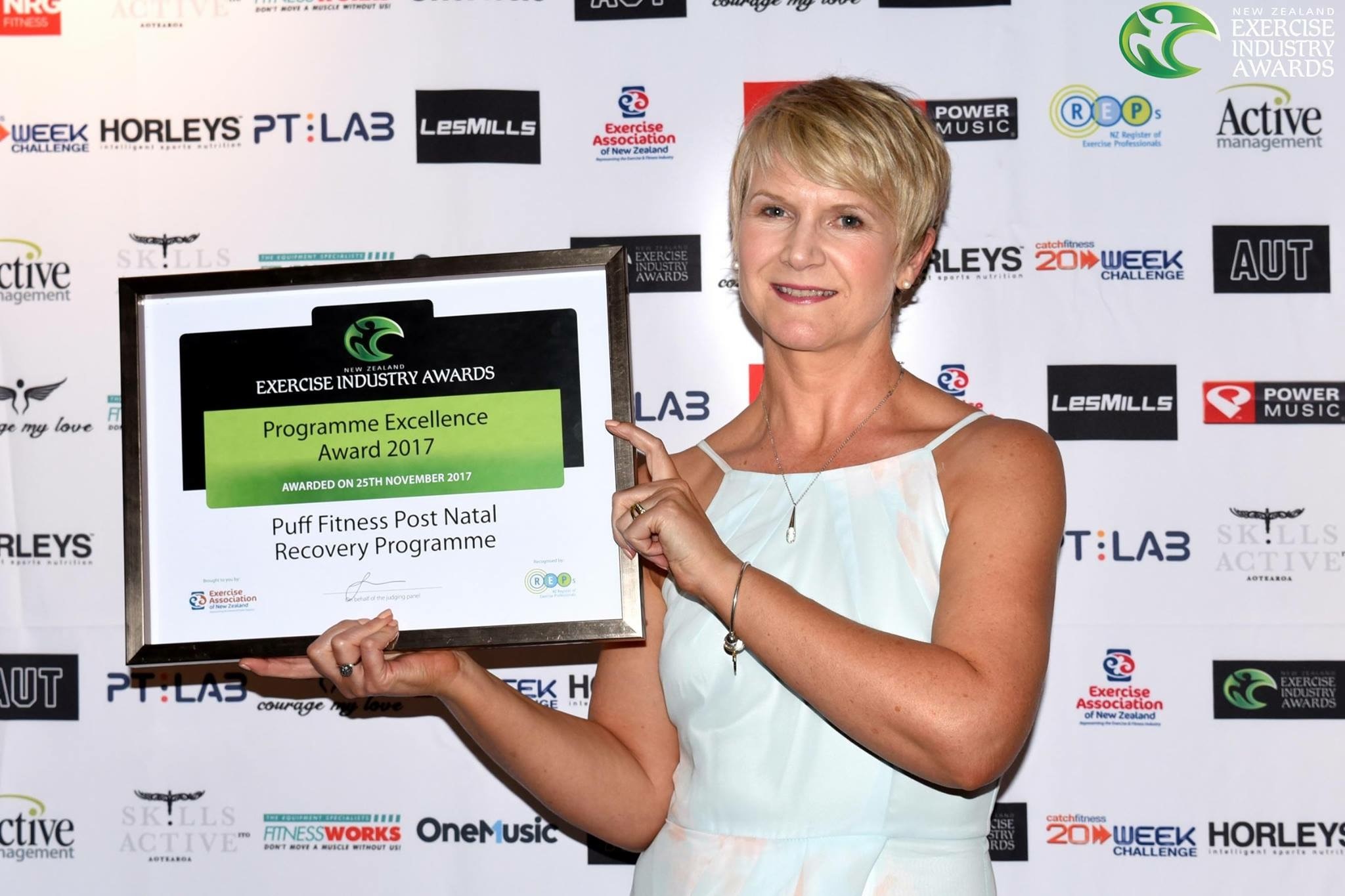
My nursing knowledge came in handy as I developed an award-winning postnatal recovery programme to help women recovering from childbirth trauma, getting them back to health, work and the gym.
It became a passion that got me out of bed every day — I’d get up with a driving force to save one vagina at a time.
But after 12 years in the fitness industry, it began to feel repetitive. As I approached 50, I realised I needed to think about my next steps.
In 2022, I decided to return to nursing. As part of my return to nursing competency assessment programme (CAP), I did a clinical placement in gynaecology, caring for women recovering from vulval and ovarian cancers. That was confronting and drove me to set up my own nurse-led practice in Wellington, focusing on pelvic health.
There, I look at vaginas most days to assess and treat vulval skin conditions, sexual pain and pelvic floor issues. I also work with women on menopause/perimenopause symptom management and preventing chronic disease through lifestyle changes.
Bringing it all together
In 2021, when I hit 50, I thought three things.
Firstly, as a nurse I had seen things that others don’t — the grim reality of frontline health care. I thought by writing about my experiences, I might be able to improve people’s health and, in some cases, prevent disease happening in the first place.
Secondly I wanted to talk about the taboo topics in women’s health. The book opens with this passage:
I was never really into vaginas to start with. I mean people don’t openly talk about them, do they? It’s as if they are taboo or that it’s so private that no one feels comfortable discussing it.
But this shyness can have health impacts, if we don’t get things looked at or even look at it ourselves.
It’s so important for people to know their own vulva and vagina — get your mirrors out ladies, there are things to see! We need to look and feel what our vaginas are like, inside and out, and start talking.
Take action on birth trauma — physical, mental and emotional — and do your pelvic floor exercises every day for life!

Thirdly, I wanted to share my experiences of opening a nurse-led clinic, Ladytalk, in Wellington four years ago focusing on menopause and pelvic health. Was I allowed to?
Yes! As a nurse, the world is your oyster.