


Everywhere that was colonised, Merryn Jones said, had indigenous people with the same health-care problems — the same intergenerational trauma and mistrust.

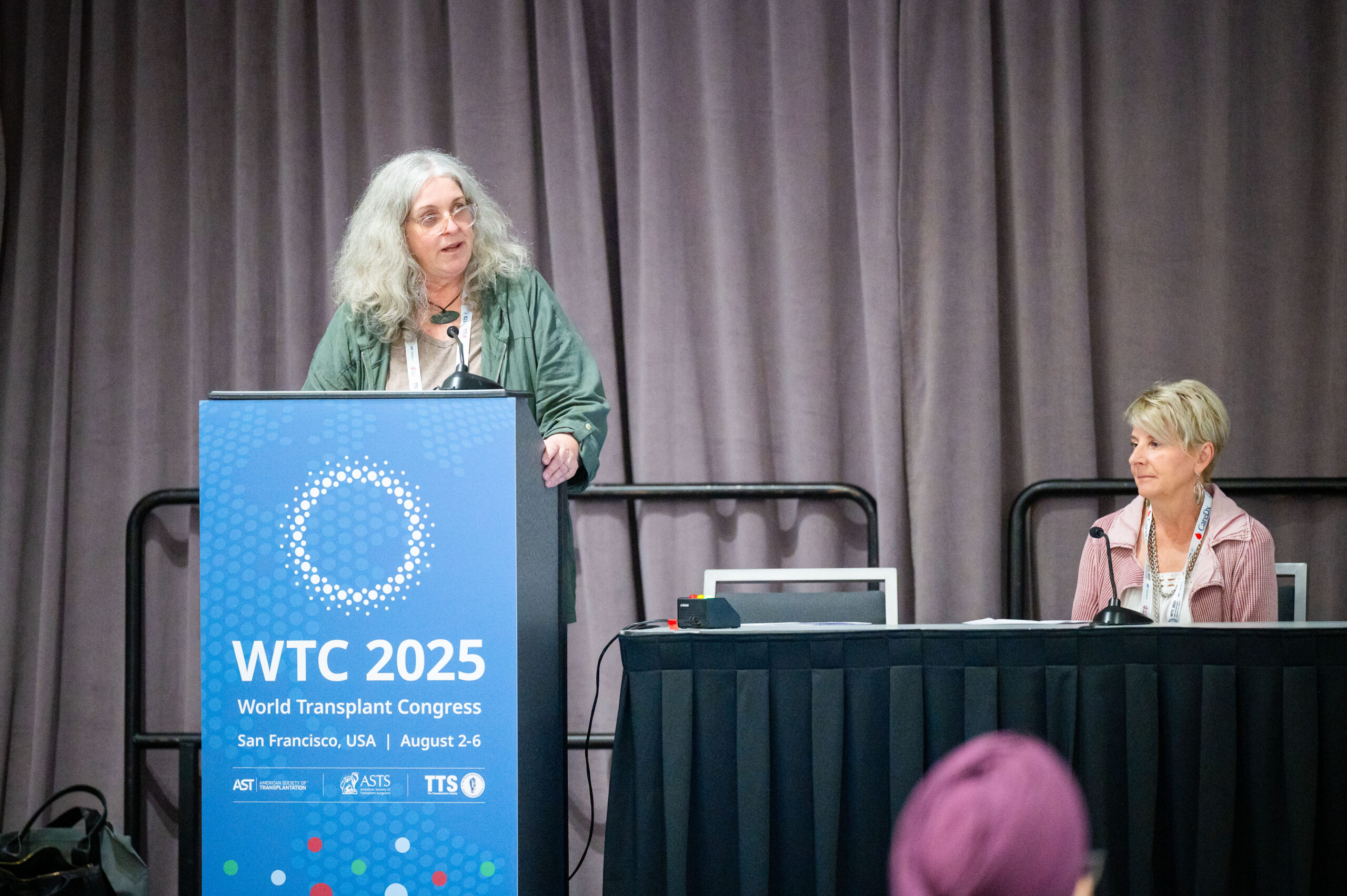
Jones, national clinical manager at Kidney Health New Zealand (KHNZ), has spoken at the 2025 World Transplant Congress in San Francisco. Her kōrero about the reality of organ donations in Aotearoa, and the experience of Māori and Pasifika people, was part of a session dedicated to indigenous speakers.
Jones, helped on the trip with an NZNO grant, said there were plenty of indigenous people in the room for the half-day session.
“Not Māori, but I think these issues are universal . . . I think we all felt ‘gosh’ we’ve got similar stories, whether it’s Māori or Pasifika or First Nations or Aboriginal’.”
A clinical nurse specialist and previously a transplant co-ordinator, she said the “recipe for success” in curbing chronic kidney disease was simple: detecting the likes of diabetes and high blood pressure early, and managing them well.
But even this simple formula ran up against the complicated legacy of colonisation.
Māori had twice the rate of diabetes than non-Māori and a five-times higher rate of end-stage renal disease, Jones said. In 2024, KHNZ figures showed that while Māori and Pasifika people comprised 60 per cent of dialysis patients, they received less than a quarter of the transplants of other ethnicities.
In her Master’s thesis exploring the lived experience of patients trying to recruit living kidney donors, Jones said many subjects shared the same question: “who would I ask, all of my whānau are sick?. . . everyone’s got diabetes or everyone’s got high blood pressure”.
With no living donors available. people were left with the deceased donor waiting list as a source. “And people can wait a long time on that list. They can wait four or five years for a suitable kidney to come up.”

Distrust and trauma
Many Māori and Pasifika people carried intergenerational distrust of the health system, Jones said. “You know, the Dawn Raids weren’t so long ago for Pasifika.”
There were cultural barriers too: one of the risk factors for kidney disease was obesity, Jones said. “And yet many of our Māori and Pasifika are bigger people and culturally that holds mana for many and it’s something to be celebrated.”
This could be a particular barrier to transplantation when a surgeon wanted the patient to have a BMI of less than 30 or 35, she said.
Meanwhile, advanced or badly-managed diabetes can cause inflammatory changes to smaller blood vessels — damaging eyes, kidneys, and even the blood vessels around kidneys.
“There may not be suitable blood vessels for them to attach a kidney to. Or their heart may not be so good, so their cardiovascular risk might be too high to actually have a transplant.”
Jones said intergenerational trauma was real for Māori too. “A lot of people still feel very distrustful of Western health models, or that you only go to a hospital to die.”
It was not that long ago, she said, that Māori were denied health care. “If you weren’t a ratepayer at the turn of the century, you weren’t allowed to go into a hospital.”
The health system needed staff who were not just culturally competent, but showed cultural empathy, Jones said.
It should provide environments that “welcome and embrace” people who were struggling to make ends meet. These were hard-working people who often faced tough decisions between seeing a doctor, or having money for food or rent, she said.
“Nurses need to build trust within our therapeutic relationships. It’s so important.”
“We’re not gonna win every time and it breaks my heart when we see patients come in who have not engaged with their health care to date.”
People bring all sorts of life experiences to the table, she said, and it was important not to judge them. Build trust, partner with people and make them feel supported, said Jones.
“We’re not gonna win every time and it breaks my heart when we see patients come in who have not engaged with their health care to date because . . . they’ve been too busy, or they’ve been looking after mokos, or they’ve been working 50 hours a week and and haven’t had time.”
Jones said end-stage renal disease was a long-term chronic health condition — working in the field might not be for everyone but the demand was only growing.
“There’s more and more people with kidney disease and by 2030, they’re predicting that it will be the fifth leading cause of death globally.”
Funding was going into building “bigger and bigger” dialysis units, she said, but more resources should be put into prevention, and public health campaigns.
Many people did not even know where their kidneys were, let alone what they did, she said.