


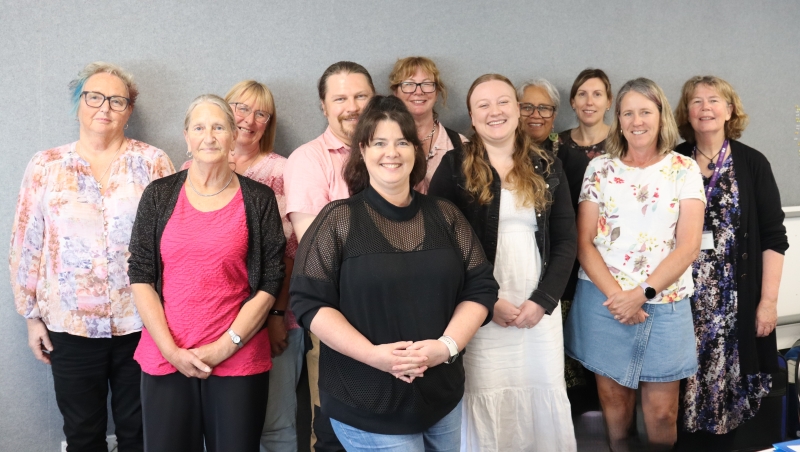
‘Member voice matters’
Both NZNO’s membership committee and Māori governance arm, Te Poari, were established in 2012, as part of NZNO’s first constitution.
It’s objective was to try and better connect members with NZNO’s elected leaders (then-board). It comprised of a representative from each region, two from colleges and sections and two from the national student unit. The president and vice-president also sat on the committee which aimed to work in partnership with Te Poari to ensure member concerns were brought to the attention of the board — and the board’s decisions conveyed to members.
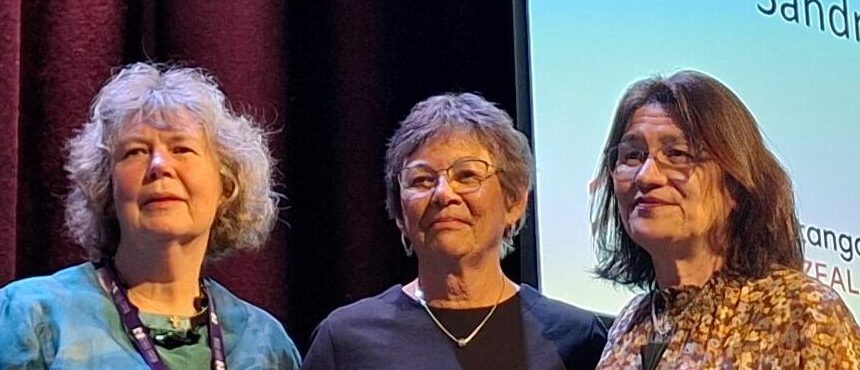
Former chair Sandra Corbett said the committee also evolved to focus on cultural competence and the importance of recognising structural bias in nursing and health, in addressing health inequities.
“We have to make these things better understood because we don’t want to continue to exacerbate the health inequalities we have today.”

Former student co-leader Bianca Grimmer said the committee allowed students to feel “seen” and members connected.
“For students, it meant being seen and getting support to actualise free membership for students. It gave us a united voice.”
While it was now disbanded, “members voices matter and they will continue to shape the future of our union”, she said.
The committee was disbanded in September 2025, when NZNO’s new constitution came into effect.
— Sources: Kaitiaki reports & interviews with members by NZNO social media advisor Naomi Madeiros.
I first joined NZNO’s membership committee in 2020 from the infection, prevention & control nurses college, as a college and sections representative.
At first, I felt quite overwhelmed and suffered from imposter syndrome. I was working in a private clinic at the time, that wasn’t represented in any of NZNO’s collective agreements. I felt like an outsider and very ignorant.
However, within this group, I was nurtured and educated. Over the course of a few years my awareness of Tōpūtanga Tapuhi Kaitiaki o Aotearoa-NZNO operations and functions grew.
‘I believe the membership committee stayed true to its role as a voice and advocate for members, and a conduit between NZNO’s members and leaders.’
The membership committee at the time was very knowledgeable with very strong and influential members such as long-time chair Sandra Corbett.
I had always been a strong advocate for NZNO, since calling on its legal support during a police investigation into a death that occurred early on in my career. But through my involvement with its membership committee, my knowledge exploded regarding the structures and opportunities NZNO offered.
With this newly-acquired knowledge and skills, I became a stronger advocate for the colleges and sections — especially those not often heard — and for educating and informing members about all things NZNO.
The membership committee was a unique mix, with students, regional representatives and college and section representatives as well as the leaders — president and vice-president (ex-officio — by default of their role).
NZNO president Anne Daniels was particularly steadfast in her attendance, which has been much appreciated, helpful and a very positive influence.
As a group, we regularly had the chance to sit around a table to discuss member issues and identify valid concerns and ways to improve NZNO.
We also had the privilege of face-to-face conversations with NZNO’s leaders, which allowed us to both communicate concerns and feed back to members what was happening within the organisation.
Unfortunately, COVID and the loss of some foundational members saw the committee struggle with its purpose between 2020 and 2022. This was when I stepped up to become vice-chair, then chair in 2023. It was a challenging time as we tried to advocate effectively for members.
‘For students, it meant being seen and getting support to actualise free membership for students. It gave us a united voice.’
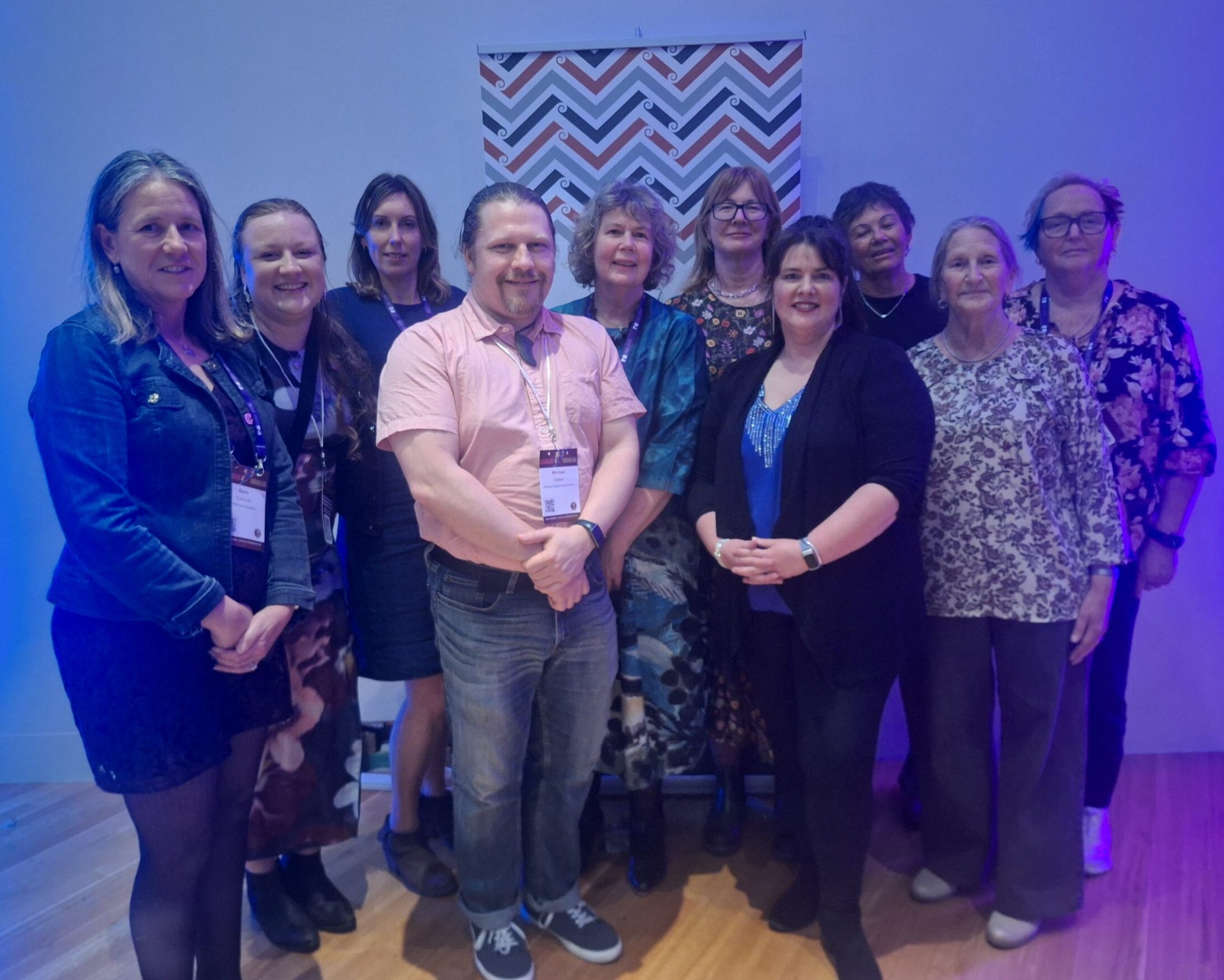
However, NZNO went through a transformation later that year, with the arrival of new chief executive, Paul Goulter. A new strategy — Maranga Mai! — was created, the visibility of NZNO grew and our political voice strengthened.
‘Embracing change’
The membership committee embraced this change. With this focus, we put our heads down and really began to define what we stood for — our role, our purpose, our goal.
We highlighted real concerns from our members, becoming a stronger voice for them. These included a lack of support, violence and unsafe staffing in their workplaces; but also how to better engage and be heard within NZNO.
We also strongly supported NZNO’s national student unit as it highlighted the lack of workplace safety and support for student nurses — financial and professional. We also lobbied successfully for free NZNO membership for students.
The committee also supported the 2018 change to one member, one vote — an approach we believed to be more equitable than delegates/group representatives voting from the AGM floor as previously took place.
Even though most of us worked at Te Whatu Ora-Health New Zealand (HNZ), we worked hard to ensure all members’ voices were represented. As chair, Sandra Corbett had built strong relationships with NZNO’s Māori governance arm, Te Poari, and we worked hard to continue this, and reflect NZNO’s bicultural structure and te Tiriti o Waitangi.
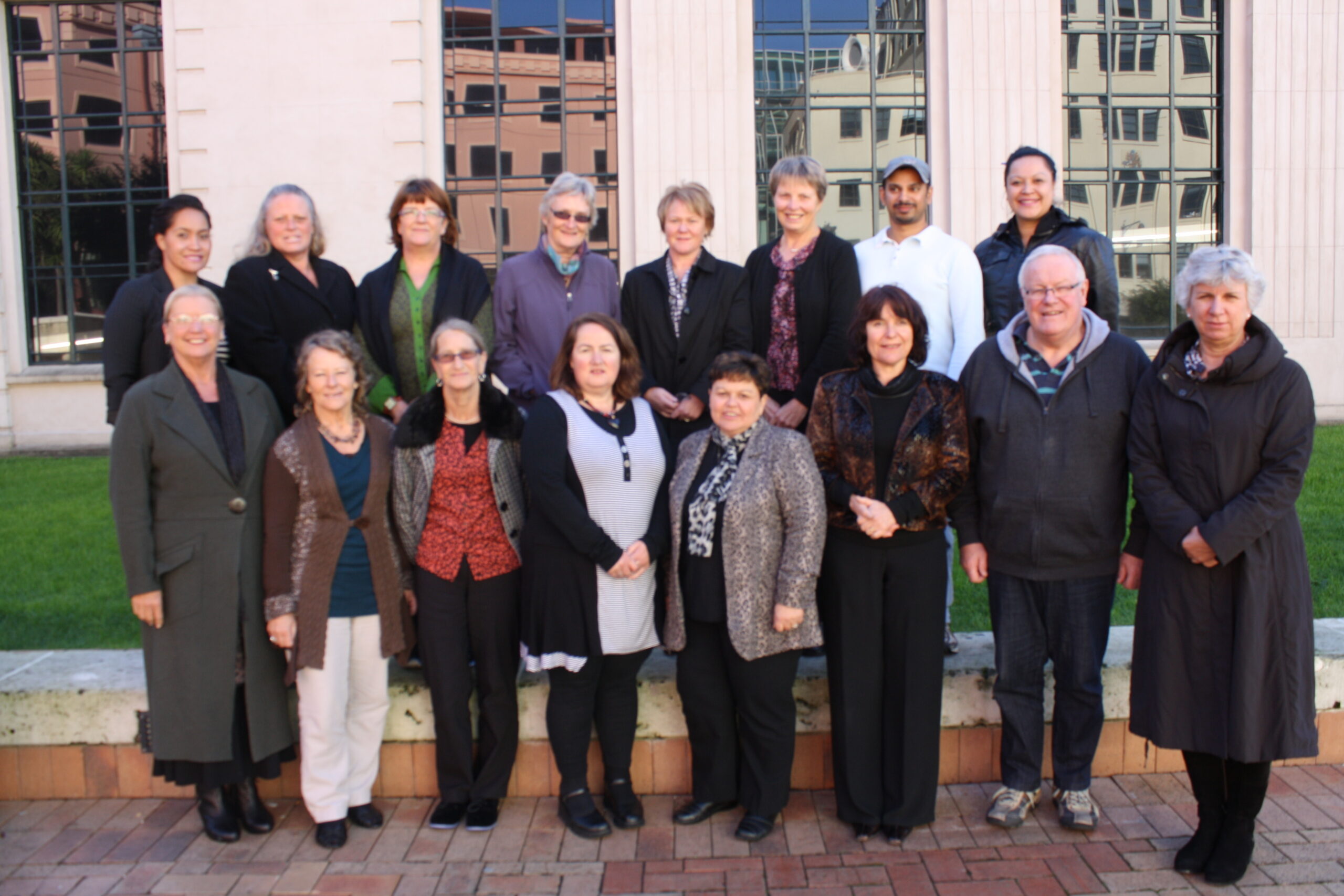
I do feel the membership committee did not reach its full potential. At times our struggles were reflections of the wider struggles NZNO was experiencing.
Nonetheless, in our last year — 2025 — we were working well at identifying and discussing concerns. We were able to highlight many challenges faced by members, bring them to the attention of leaders, and by then had the ability, knowledge and skills to brainstorm effective solutions.
I believe the membership committee stayed true to its role as a voice and advocate for members, and a conduit between NZNO’s members and leaders.
It was also a place of nurturing and developing leaders, supporting members’ understanding of all things NZNO, to encourage member engagement, future leadership and successfully raising the voices of nurses and kaiāwhina.
- NZNO’s membership committee was disbanded in September 2025 at the NZNO AGM, when the new constitution came into effect. Instead, members will be represented through local organising groups currently being set up, in partnership with NZNO’s Te Rūnanga, to create new rōpū (groups) called ngā hapū.