


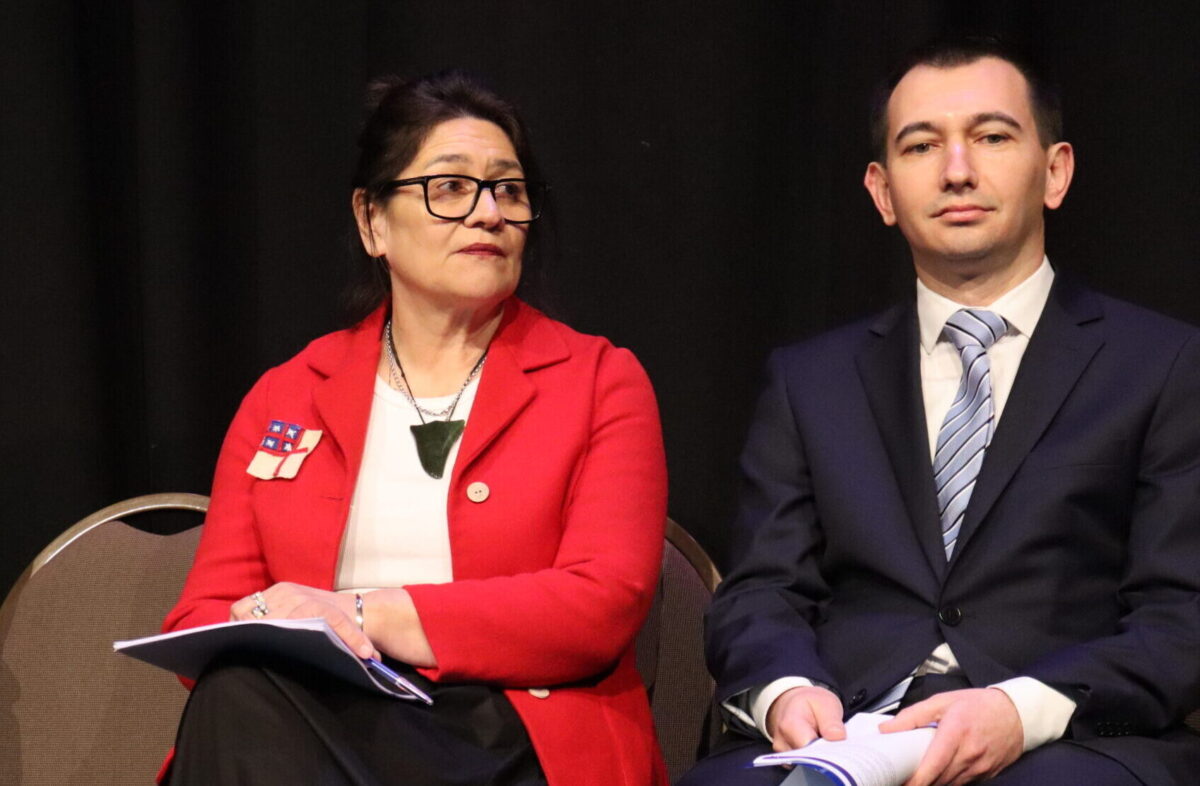
A Kaitiaki investigation has revealed the uncertain status of Māori advisors to Health Minister Simeon Brown, just as their guidance is sorely needed.
In November, Brown announced a new group tasked with shaping the future of primary health — but no Māori or nurses were included.
Facing pressure over the lack of Māori voices, Brown told Kaitiaki he’d be “enhancing” the role of his hauora Māori advisory committee — offering independent advice to boost Māori health.
However it appears its potential suggestions for the new group, invited by the Minister, never made the cut.
Even the Ministry itself is uncertain if the hauora Māori committee had any influence on the appointments.
In November, Brown announced the members of the primary care advisory group (PCAG), without any nurses or Māori, to offer their specialist advice on the future of primary care.
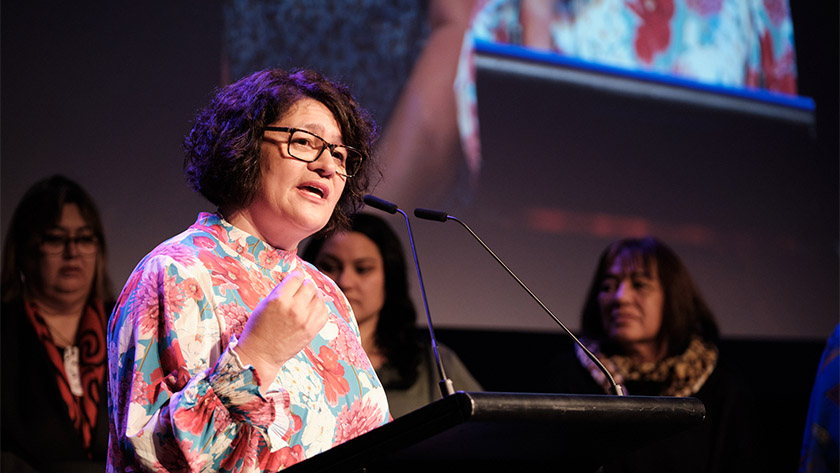
NZNO kaiwhakahaere Kerri Nuku said it was a slap in the face for nurses — the backbone of primary health care in Aotearoa. The lack of Māori voice would “perpetuate a broken system” by failing to address health inequities, she said.
Nuku said the Minister should tell the public what criteria he used to select the group.
Kaitiaki asked Brown a series of questions on the appointments — including whether he was concerned about the absence of Māori given low Māori vaccination rates and the measles outbreak.
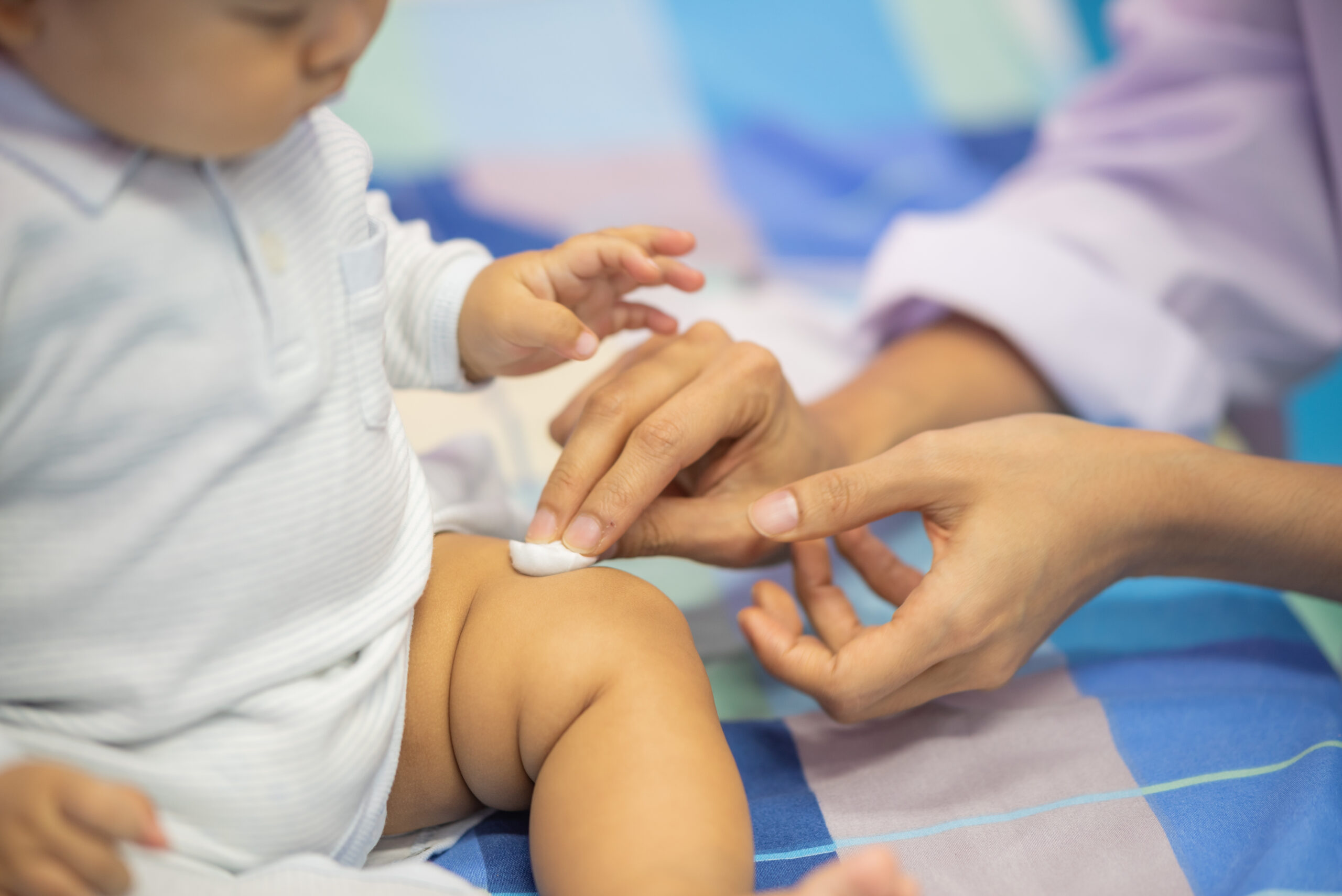
They would be “enhancing the role” of the hauora Māori committee instead as reassurance he would get advice on Māori health priorities. This covered issues like childhood immunisation where “Māori outcomes need improvement”, Brown said.
Kaitiaki then asked if he’d sought the committee’s advice on PCAG.
“I can confirm that I invited the hauora Māori advisory committee to put forward nominations for the new group.”
Had he received any nominations, and did he appoint any? After multiple requests for this information, Kaitiaki was referred to the Ministry for further information.
From here the mystery only deepened — a spokesperson saying the Ministry merely alerted the committee so it could to share the opportunity in its networks.
The Ministry didn’t even know if this led to any applications. The spokesperson did not say if any nominations were made, or accepted.
Pressure, meanwhile, has only grown on primary health workers.
This month NZNO released a survey of 720 primary health members: about 80 per cent had thought about leaving the sector in the last six months.
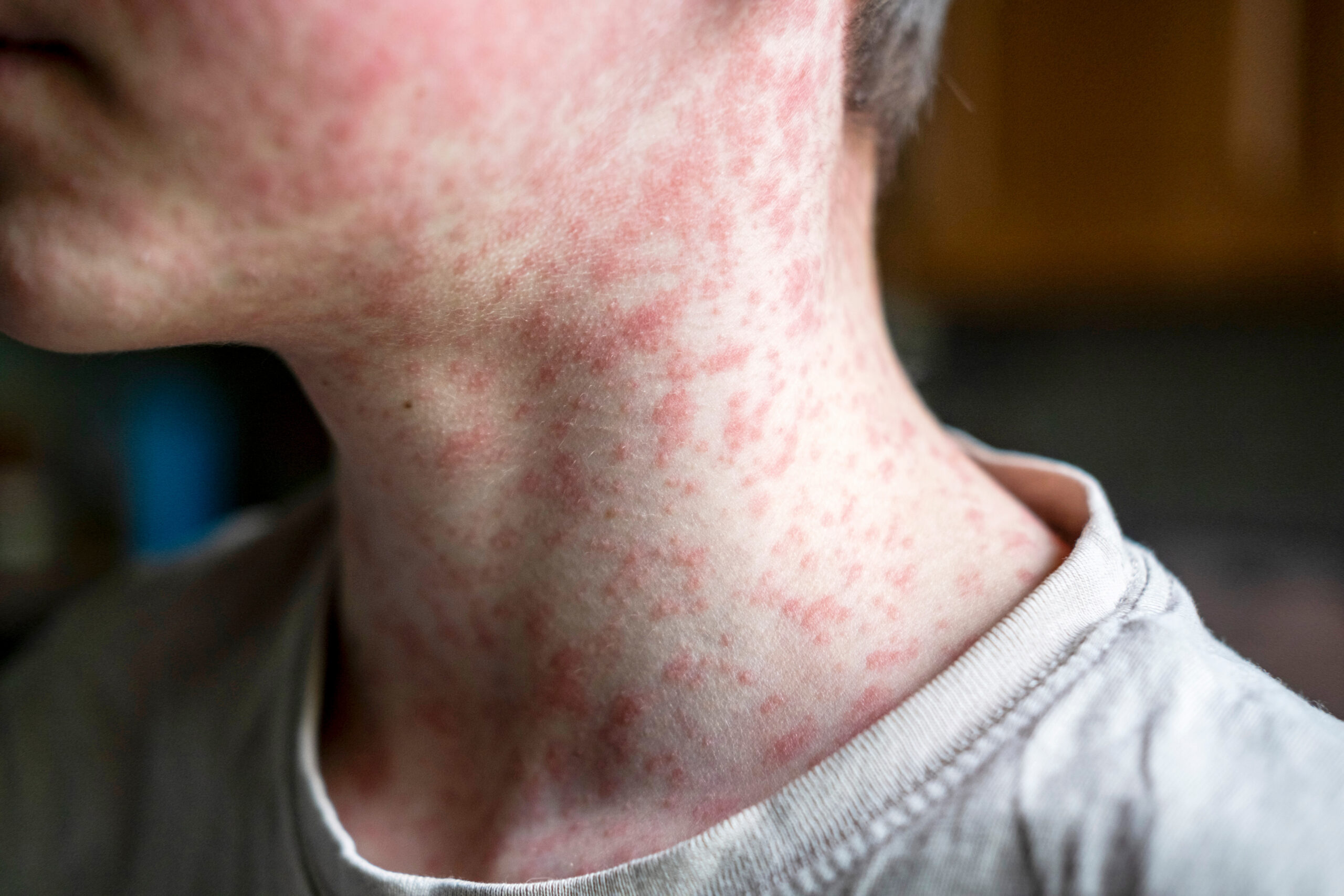
The measles outbreak continued to drag into its third month with another case announced on Monday, taking the case total to 31.
“I can confirm that I invited the hauora Māori advisory committee to put forward nominations for the new group.”
Then on Tuesday, the latest Government health target figures arrived, revealing a stagnant Māori child vaccination rate — dropping from the previous quarter’s 68.4 to 68.3 per cent.
The overall rate managed a feeble quarter-on-quarter increase from 82 per cent to 82.6 per cent — falling behind a hoped-for milestone of 87 per cent.
What’s it really like out there?
In 2019, Samoa’s vaccination rate plunged from 84 percent to 31 percent on the back of surging misinformation after two babies died from a vaccination mishap (not caused by the vaccine).
When measles arrived that same year it killed 83 people and caused 5700 cases.
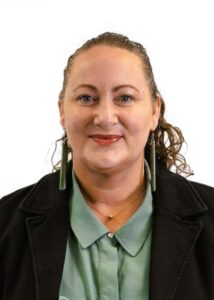
Primary health nurse, and NZNO Auckland regional council chair, Marianne Harris said Pasifika people knew how important vaccination was — now making the informed choice to get vaccinated.
Overall this still wasn’t happening for Māori. “And that comes down to Covid and that information that was shared at that time about the vaccines: And just not trusting the systems, and not trusting us, as healthcare.”
Even before this post-Covid slump, an independent health report into New Zealand’s previous measles outbreak in 2019 identified “significant inequities” in immunisation coverage and outcomes for Māori.
Harris said nurses were very good at communicating — but some people were “absolutely anti-vax”. “And let’s be honest — at the coal face we have very stressed, overworked practice nurses who are doing this for the love of whānau.”

Practice support nurse Shinal Shiwani Lal said most GP clinics had only a single nurse with huge workloads. “In this situation having to give extra vaccinations . . . that also adds on as well. It’s affecting the nurses trying to provide support in this measles outbreak.”
Ironically, it might be measles itself boosting Māori vaccination acceptance (not captured in the latest health target results only covering to September).
“Last week when I was at a clinic vaccinating I had a lot of Māori patients — Māori mothers — who were quite concerned about their babies getting [access to] MMR vaccine,” Shiwani Lal said.
When told about the PCAG selection decision, Harris laughed aloud. “Can you put my name forward? Tell them to contact me.”
There should definitely be nurse representation on the advisory board — and especially Māori representation, she said. “That’s so important.”
Back to the Minister
With the Ministry not sure whether any of the hauora committee’s contacts applied, and it still unclear whether nominations were made, rejected or accepted, Kaitiaki went back to the Minister.
Could he confirm he’d actually invited nominations? A spokesperson from his office confirmed he’d sent a letter making the invitation.
So, Kaitiaki asked again, did he know if any nominations were made, or accepted? At the time of publication, no response had been received.
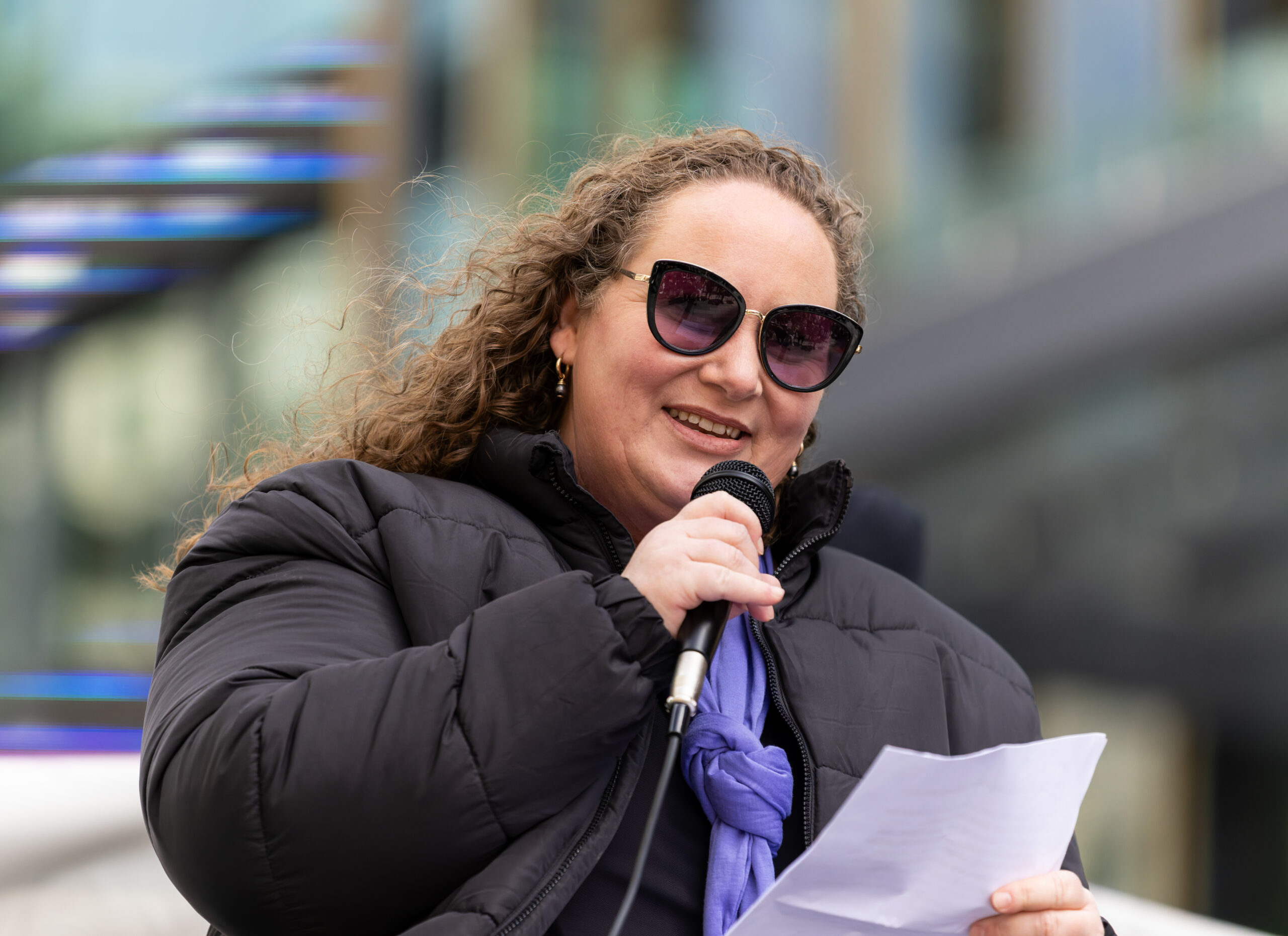
The eight-member hauora committee itself is packed with expertise — including Tā Mark Solomon, Margareth Broodkoorn, Dr Matire Harwood and Tereki Stewart.
A message to nurses
Meanwhile, before her interview ended, Marianne Harris asked to share a message to all of the practice nurses across the country.
“They go above and beyond what they get paid. What they get paid is just literally to pay the bills and to live, to afford a home: there’s no extras in this to go on holiday or anything like that.
“They’re doing it because they love their jobs, they love their whānau. Being a practice nurse you are supporting generations of whānau. You know those people and that’s why you do it.
“I just want to put out a big thank you to everybody doing it.”