

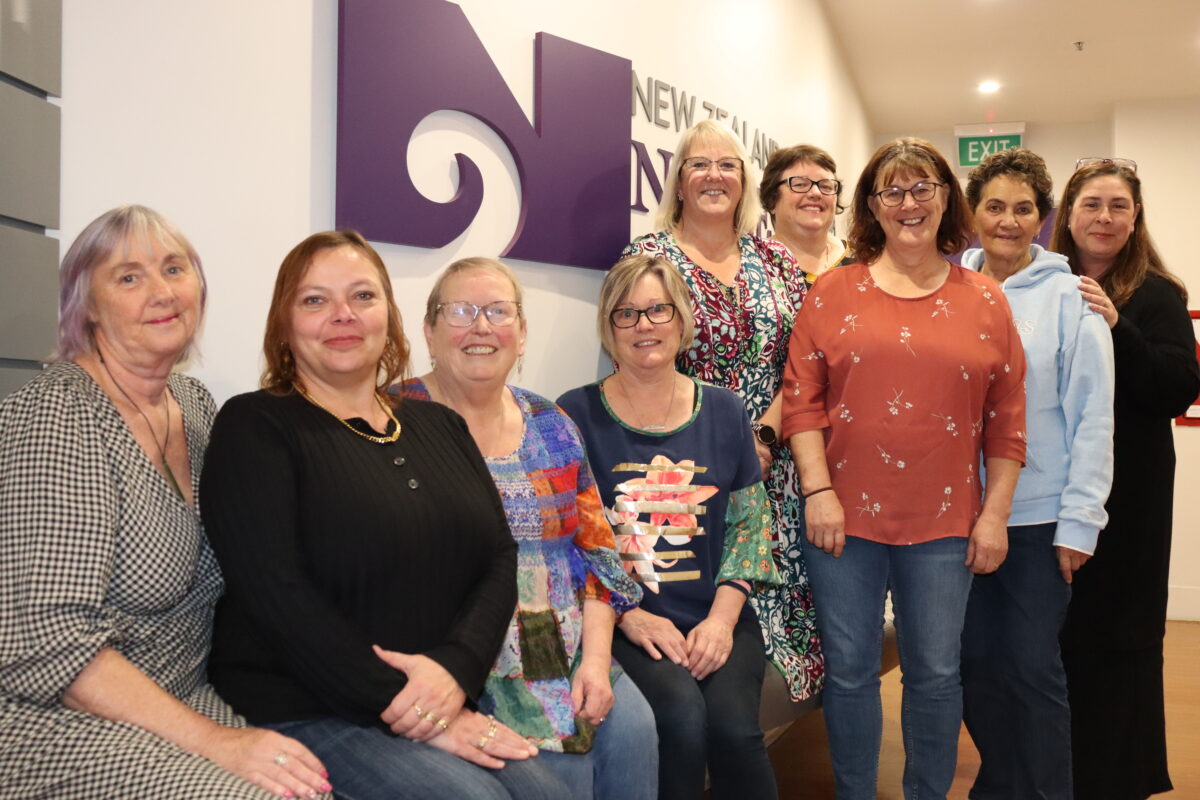
Brown also instructed Te Whatu Ora–Health New Zealand to make better use of enrolled nurses (ENs) and their enhanced scope of practice around the country, after the hui he described as “constructive”.
ENs were last month unceremoniously dumped from the bonding scheme — which offers financial incentives for new health professionals to stay and work in high-need regions/specialties — without any warning or communication.

Enrolled nurse section (ENS) chair Michelle Prattley said they had no idea why they had been left out and only became aware when they saw it on the Te Whatu Ora–Health New Zealand website last month.
‘I expect Health New Zealand to make full use of ENs’ skills and capabilities across the country.’
However, the move has now been reversed, following a December 4 meeting between NZNO enrolled nurse leaders and Brown.

Brown told Kaitiaki after hearing about the challenges faced by ENs, he “made it clear to Health New Zealand that ENs should be included in the voluntary bonding scheme, reflecting the important role they play in patient care.
“More broadly, I expect Health New Zealand to make full use of ENs’ skills and capabilities across the country, and I have asked for advice on how this can be strengthened, including through workforce planning.”
‘Should never have happened’
Prattley welcomed the news, saying it “made my day” — but removing ENs should never have happened.
“Excluding ENs from the scheme sent the wrong signal at a time when workforce remains acute in all areas where ENs can play a critical role,” she told Kaitiaki.
ENs had been part of the scheme since 2009 and restoring them “recognises the vital contribution ENs make to the health system and to patient care across Aotearoa”.
Fully using the skills of ENs — now free from working under the direction of registered nurses — would also be welcome, as it had been a problem.
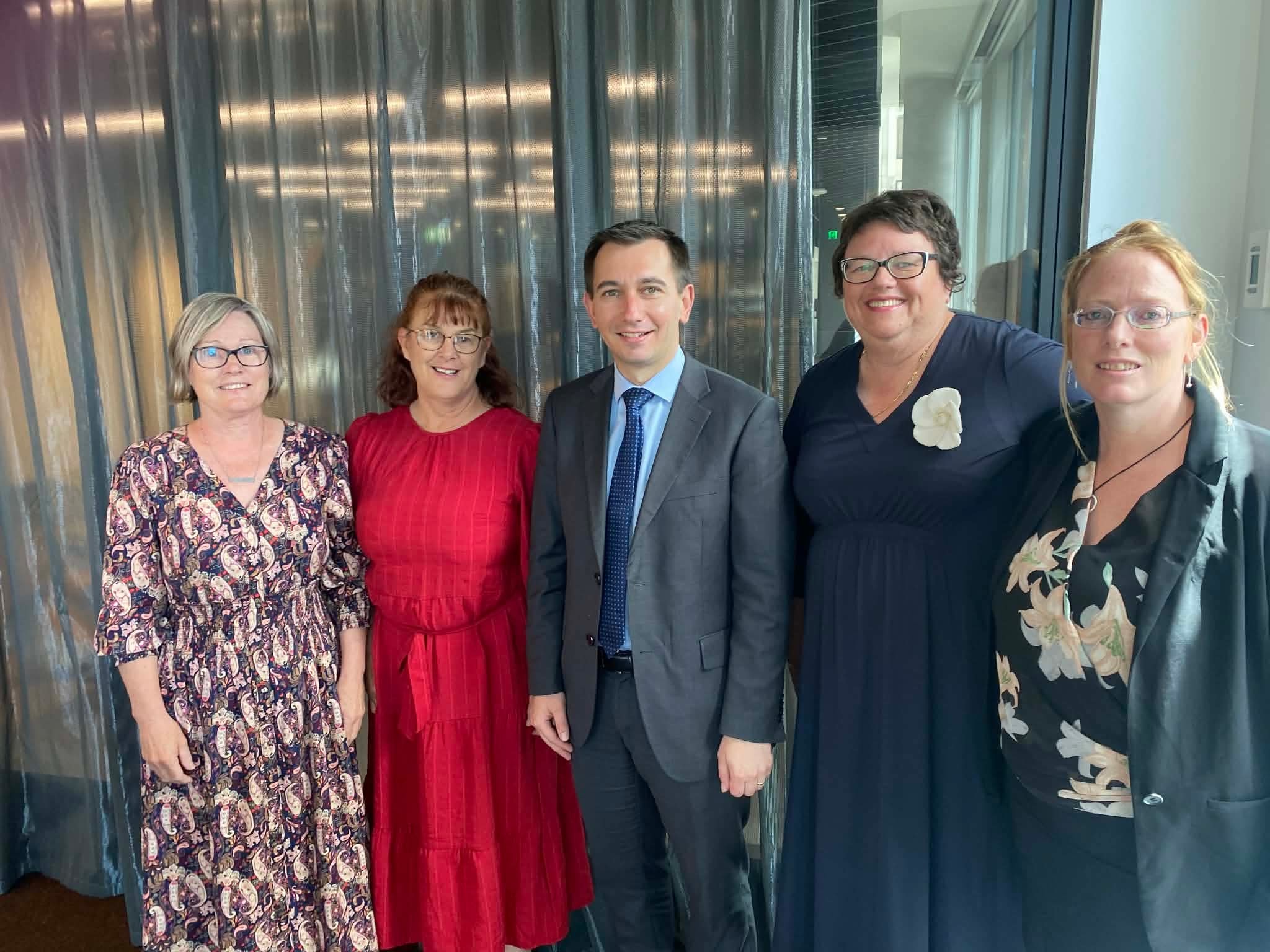
“EN’s are a highly skilled and essential part of the nursing workforce and better use of their capabilities has the potential to improve workforce sustainability, and team-based care across all health settings,” Prattley said.
But to be successful, implementation would depend on clear role definitions and frameworks, good supervision and investment in education.
“ENs must be enabled – not just instructed – to practise to their full potential.”
Prattley said the ENS would be watching closely to see the changes — and would like to see a more collaborative approach from Te Whatu Ora in future.
“We look forward to seeing Te Whatu Ora act swiftly on this direction and to continue collaboration to ensure policies genuinely support the nurses our health system depends on.”

Te Whatu Ora executive national director people & culture and health & safety Robyn Shearer confirmed it was “investigating how 2024 and 2025 graduate enrolled nurses could be supported through the voluntary bonding scheme 2026”.
Brown said he greatly valued the contribution of ENs and their “fundamental role they play in delivering timely, quality health care for their patients”.