


Working in paediatric palliative care means being invited into families’ lives at a time when everything feels like a roller coaster.
People often ask how I manage the emotional load of this role. They imagine I must carry the faces of every child with me forever.
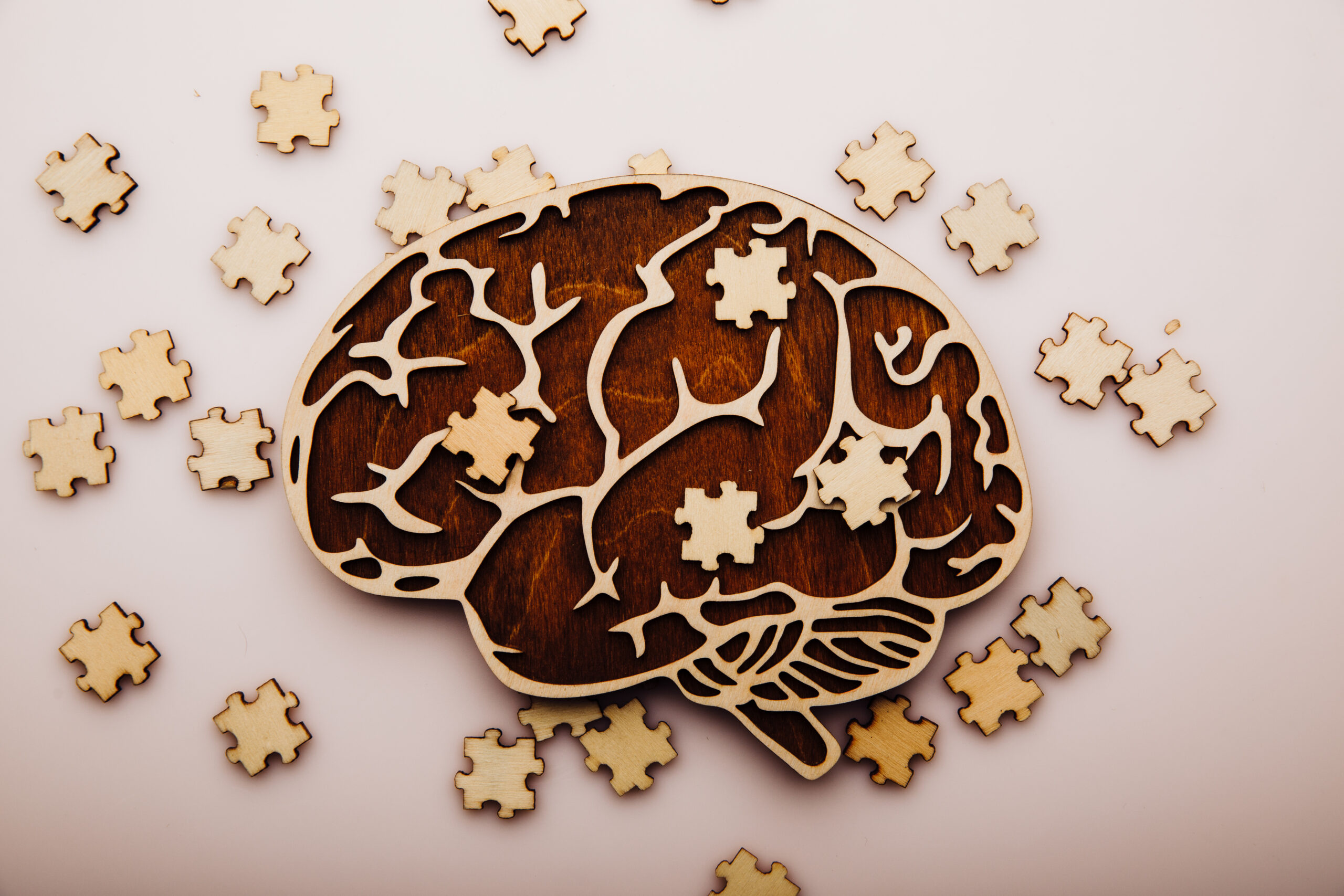
The truth is more complicated, and strangely, a little easier for me. I have aphantasia, which means I cannot form pictures in my mind. I do not see images of moments after they pass. Instead, I remember feelings, words and the sense of being there.
For a long time, I thought this made me less imaginative or somehow missing something.
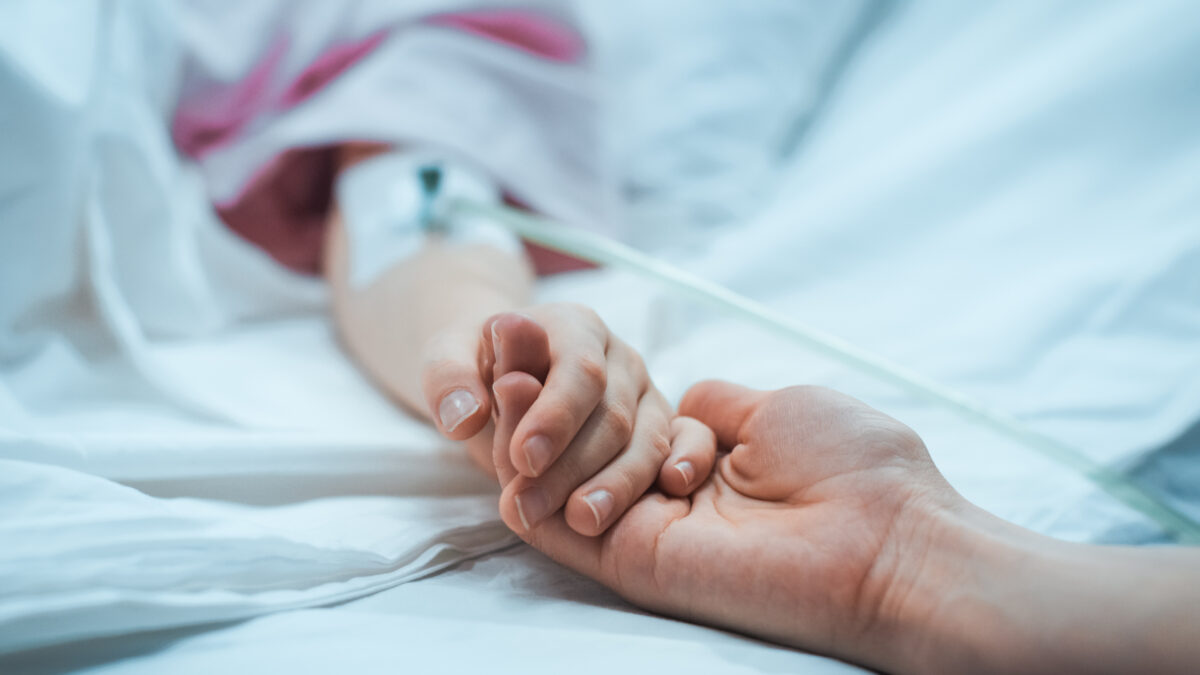
Eventually, I realised it helps me cope with the hardest parts of paediatric palliative care. I face tough experiences supporting children and their whānau as life gently comes to an end. I can still remember the atmosphere in the room. It felt like a deep stillness had settled around. A family member’s hand never leaving their child’s.
There is grief, of course, but also an overwhelming softness. It feels tapu.
I cannot picture any scene now. There is no replay in my mind that drags me back.
What remains is the emotional truth of the moment.
I carry the privilege of being trusted to stand beside a family at such a vulnerable time. Without vivid images resurfacing later, I am able to hold that memory without becoming overwhelmed by it. It sits gently with me instead of taking over.
But aphantasia alone is not what gets me through.
Paediatric palliative care is never done alone. My colleagues are the people who understand without explanation. We debrief after the hard days, check in on each other, share cups of coffee and sometimes tears.
They anchor me when the work feels heavy. They remind me that caring for children and their families is something we do together.
Families also shape my resilience.
I have witnessed parents finding remarkable strength, siblings managing to laugh through tears and whānau drawing courage from their culture, their faith or from one another. They show me what love looks like in its rawest form.
Aphantasia protects me in a way, but the real reason I can keep doing this work is because of the people around me and the children who teach me more than they ever know.
That is how I have made it through the toughest moments and how I continue to show up with compassion each day.
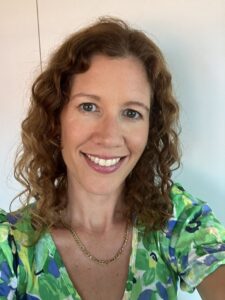
— Vicki Chennells is a paediatric palliative care clinical nurse specialist based in Wellington.