



Nearly one in five people who responded in an NZNO survey of emergency department (ED) nurses working over the holidays was physically assaulted.
Of those, about 18 per cent were left with bruises, about nine per cent were bitten, and about 13 per cent were left with sprains, strains, dislocations or concussions.
Overall, about 84 per cent of respondents faced unacceptable behaviour in the ED — ranging from shouting and swearing to physical aggression and threats.
The survey comes alongside a chronic shortage of Te Whatu Ora health workers — and a warning from NZNO’s College of Emergency Nurses that long waiting times are triggering frustration from patients and their families.
The hard numbers
- About 84 per cent of 93 respondents said they’d face unacceptable behaviour between December 24-January 4.
- Most of this behaviour, about 95 per cent, included shouting and swearing — about 40 per cent included physical aggression.
- About 82 per cent of 78 respondents said they’d been verbally assaulted by a patient or their family, while about 18 per cent of those were physically assaulted.
- Of 79 respondents, about 55 per cent reported the incident — although only about a third of those were a formal Datix.
- Most, about 43 per cent, didn’t report the incident because they didn’t have time and had lost confidence in the reporting process.
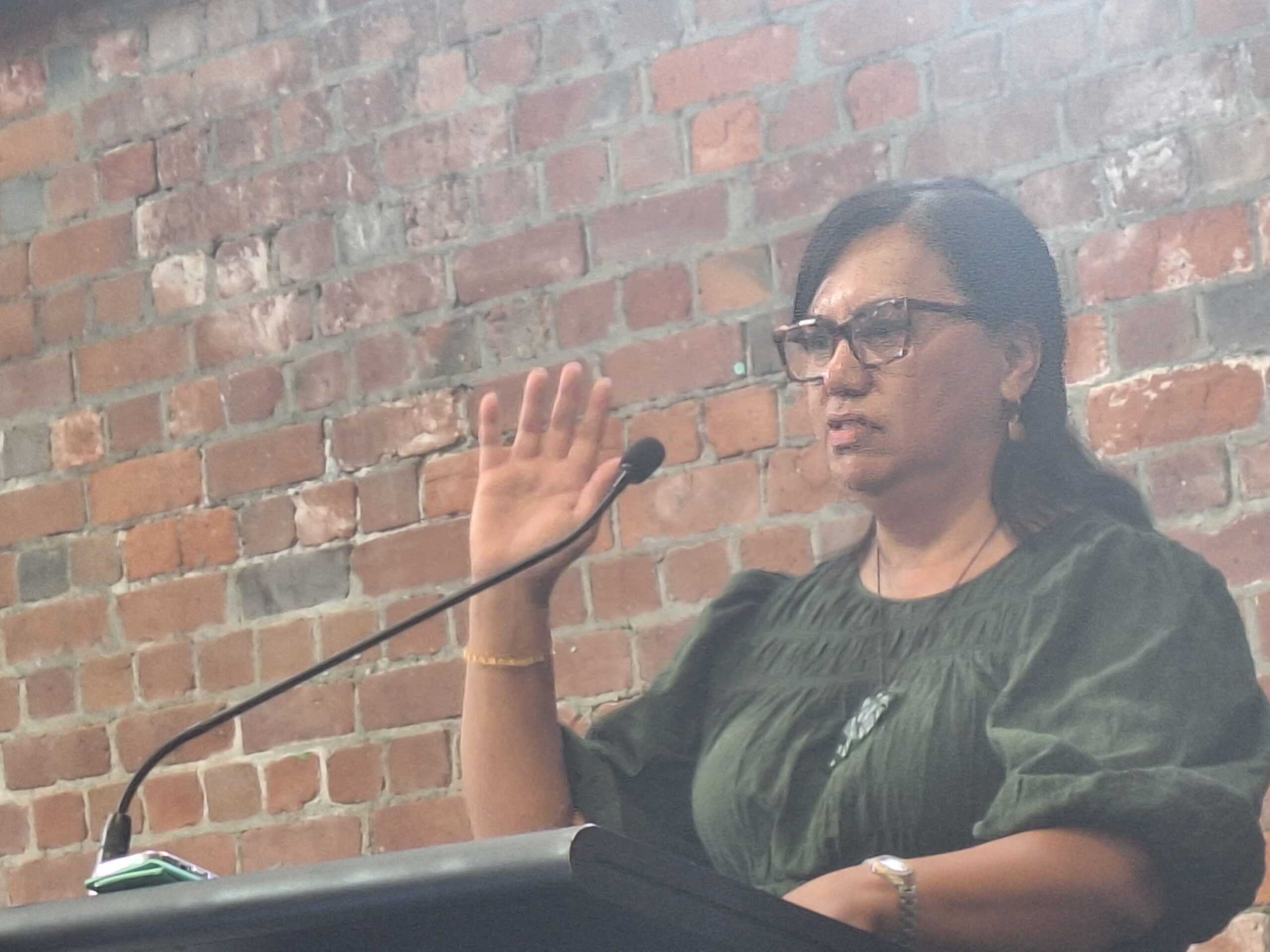
NZNO College of Emergency Nurses spokesperson Natasha Hemopo said at least 55 per cent of respondents said their ED was understaffed at the time of the incident.
“Nurses constantly raise concerns about the link between patients’ frustrations which lead to abusive behaviour and short staffing in EDs. This survey further highlights the correlation between under-staffing and unsafe staffing.”
Nurses did an amazing job, she said, but there were never enough of them.
‘Hold his body, because I’ve got his arm!’
Experienced emergency triage nurse in Hutt hospital, Kelly McDonald was no stranger to the impact of violence in the workplace.
Once a male emergency nursing colleague had been punched and knocked out cold in a waiting room.

Another emergency nursing colleague had a cup of scalding water thrown over her in the workplace.
More nursing graduate hires were needed in emergency nursing, she said — however the normal attrition of experienced staff was impacting the ability to train newcomers.
“It’s a bummer because we need them — we need to bleed the new nurses through so we have more capability at the other end.”
It was a conundrum, she said, with hospitals not employing more staff and older nurses carrying an increased workload.
McDonald had personally experienced workplace aggression — she had to insert a line in the arm of a violently thrashing man held down by security guards: “I’m saying ‘hold his body, hold it, because I’ve got his arm!’, and I put it in. Luckily he had big fat veins.”
Nurses ‘the face’ of patient frustrations
Wellington hospital emergency nurse Ryan O’Donnell said when patients get frustrated and agitated they resort to unacceptable behaviour.
“They will view the nurse as the face of the issue, even the doctor that walks into the room as well is the face that encompasses the long waiting times; maybe they’re feeling like they’re not being heard, feeling like they’re in the dark.”
O’Donnell said the numbers in the survey seemed to be pretty reflective of what he had seen in the workplace.
Waiting times, he said, definitely added to the frustration of patients and their families — “it’s absolutely fair”.

Emergency nurses were a source of calm, reassurance and knowledge in what is for everyone else a time of “confusion, unknowing and fear”.
“When we’re in the ED we’re scared for ourselves and we’re scared for our loved ones and we just want things to happen quickly: we just want to be reassured, and let known we’re being seen and looked after — and that someone has us.”
When emergency nurses get to do that, O’Donnell said, it was one of his favourite parts of nursing.
“When we have the correct staffing and we’re not completely inundated, I think we have that time to give the patient, and I love that part of the job.”
- Click here to see the survey.