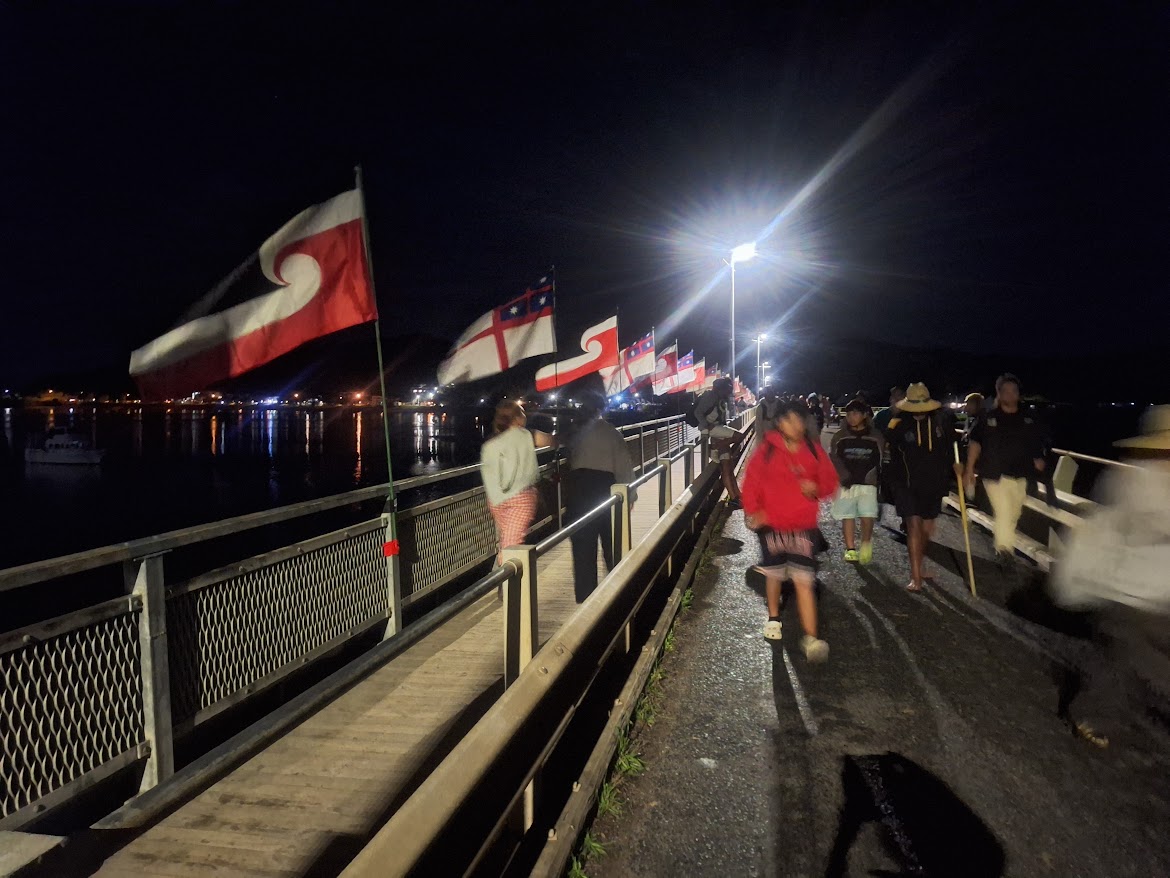


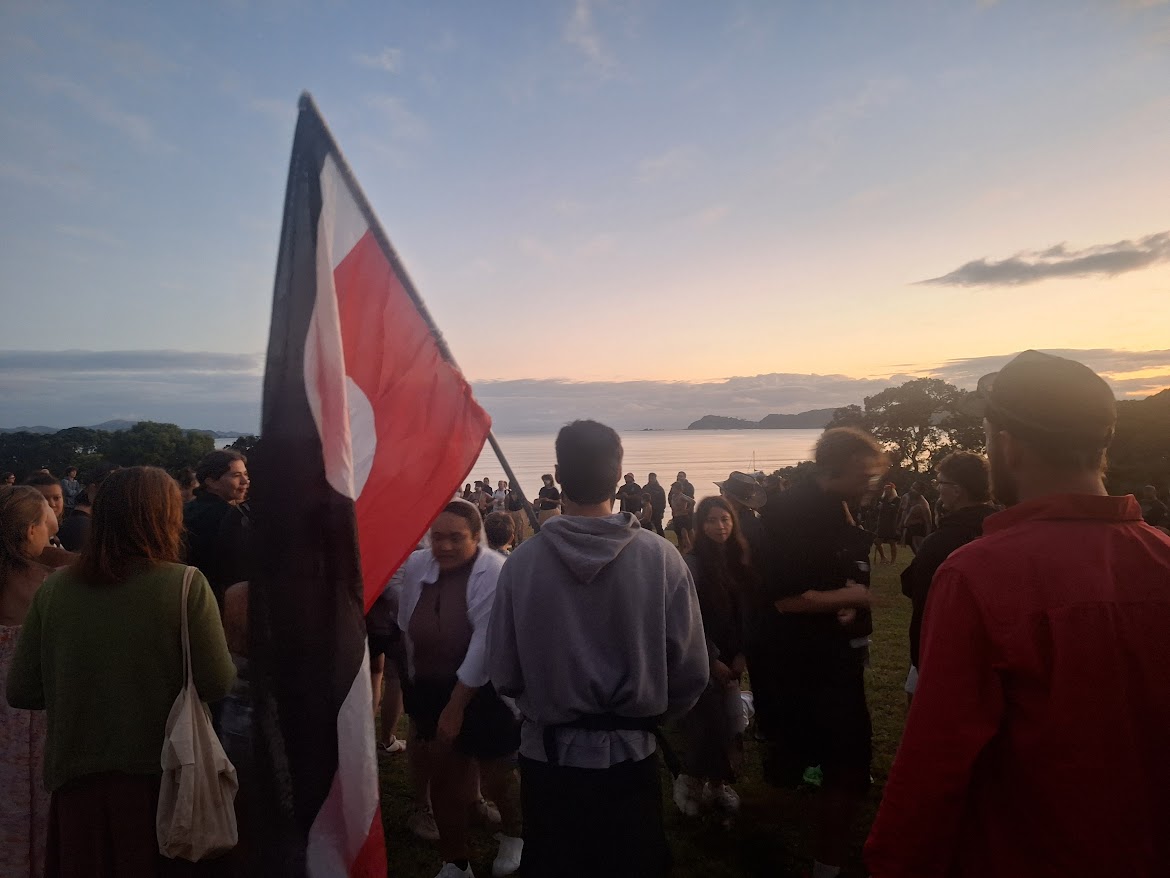
E noho. Haere atu. He taihara koe. Katia tō waha. Pānuitia te rūma.


Sit down. Get off. You’re a crook. Shut up. Read the room.
Kāhore he tohutohu ka koi ake, ka kite tūmatanui ake, ka moata ake, rānei, ki taua kua tukuna ki te kaiārahi ACT a David Seymour i te Rā o Waitangi.
Advice doesn’t come much more pointed or more public or much earlier in the day than that offered to ACT leader David Seymour on Waitangi Day.
Kua whakangūtia Seymour, kātahi ka atawhaingia ia noki e te Runga Rawa kia haere tonu, i a ia e kōrero ana i ngā whakaritenga haeata i mua i Te Whare Rūnanga i ngā papa Waitangi, i tētahi wā e whakaatu nei i ngā āhuatanga tōtara wāhi rua o tētahi tau pōti.

Seymour, one of the speakers at the dawn ceremony in front of Te Whare Rūnanga on the Waitangi grounds, was silenced, then offered Divine assistance to continue, in a moment that encapsulated the polarised state of politics in an election year.
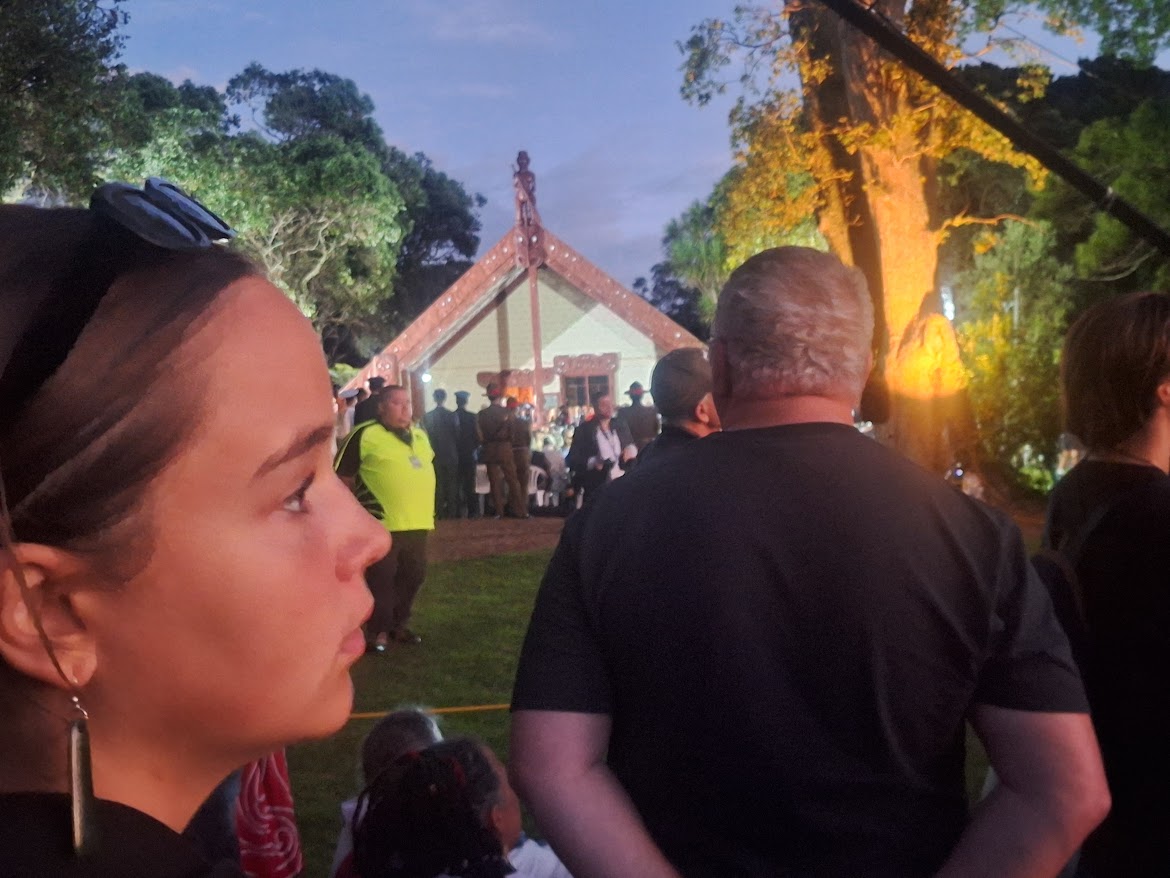
Kua whakatepea te wiki Waitangi i Te Nōta i tētahi whakaritenga i reira ka whakangūtia Seymour e te kaha umere a te marea, i a ia e kōrero ana i te pourangi. Tae atu i ngā tohutohu ki a ia kia noho, kia kati tōna waha noki, he kōrero kangakanga kua whiua – ka ngunguru ake hei whakatū i tāna kōrero.
Waitangi week in the Far North was rounded out at a ceremony where Seymour was literally shouted into momentary silence while he spoke at the podium. As well as the advice to shut up and sit down, there was other, much saltier, language thrown at him – rising to such a volume that he had to stop.
Ka atawhai tētahi o ngā Pīhopa ko Te Kitohi Pikaahu ki tōna taha kia tau ai te mārire i mua i tā Seymour tīmata anō, nā whai anō ka tīmata noki te tāwai i a ia me te kaha whakahē.
One of the Bishops on stage had to step in and calm the crowd, before Seymour continued, only to be loudly heckled again with palpable animosity.
Mēna ka tukuna e te Rā Waitangi tētahi whakaahua o ngā āhuatanga i te tau pōti, ka kitea aua āhuatanga i roto i ngā kōrero a ngā kaitōrangapū me tā te marea urupare ki a rātou.
If Waitangi offers a snapshot of the election year ahead, then the politicians’ kōrero — and the reaction to them — gave a few hints.
E ai ki ngā rongo kōrero a Kaitiaki i te Taite, ka kīia e te Pirimia a Christopher Luxon i roto i tāna kōrero ki te pōhiri mō ngā kaitōrangapū me aro pū ngā hōhipera ki ngā hiahia haumanu o ngā tūroro, kaua ki ō rātou whakapapa.
As reported on Thursday by Kaitiaki, Prime Minister Christopher Luxon’s speech during the politicians’ pōhiri mentioned how hospitals should only focus on patients’ clinical needs, not their “family tree”.
I tino whakahē te kaiwhakahaere NZNO a Kerri Nuku ki taua kōrero, hei whakaaro kuare, whakaiti i te tangata noki.
NZNO kaiwhakahaere Kerri Nuku slammed the idea as ignorant and offensive.
Kua tino aro te kaiārahi Reipa a Chris Hipkins ki te huarahi whakamārie — kia whakatau i te rangimārie kia kaua e tipu mai te riri. I whakakapia tāna kōrero i te pōhiri nā runga i tētahi whakataukī taketake nō Amerika e kōrero ana mō te hira o te kore whāngai i ō tātou kare ā-roto kino.
Labour leader and former PM Chris Hipkins was laser-focused on taking a more conciliatory approach — aiming to calm tensions rather than inflame differences. He wrapped his pōhiri speech with a Native American proverb that outlined the importance of not feeding our worst impulses.
Mehemea ko te tino tihi o te rorotu i Waitangi ko te kore umere ki a koe i a koe e kōrero ana, ka tutuki a Hipkins i tōna whāinga.
If the benchmark of popularity at Waitangi is to not be shouted at during a speech, then Hipkins achieved his goal.
Heoi anō, ehara te rōpū o te tangata i te take katoa ka tōia mai e ia te kōhete: i ngā whakaritenga haeata ka noho mārie te marea i te wā ka pānuitia e te Minita Hauora o mua a Shane Reti tētahi wāhanga o te Paipera.
However, even party affiliation didn’t necessarily draw abuse: at the dawn ceremony former Health Minister Shane Reti was greeted with respectful silence as he read a Bible passage.
Ko tēnei tētahi wiki ka kōrerotia tētahi tapuhi hauora mātāmua i Te Taitokerau a Marie Noa ki Kaitiaki mō ngā wero pūmau o te mahi ratonga hauora ā-iwi: me te iti noa iho o ngā rauemi hei whakatika i te tautika-kore hauora Māori. Ko tētahi pēhitanga kāhore a Luxon e āhei ana kia whakatika nā runga i tana paku aro ki te whakapapa o te tūroro.
Meanwhile, it was a week where the likes of longtime Te Taitokerau primary health nurse Marie Noa told Kaitiaki that working at an iwi provider was always challenging: more resourcing was needed to address Māori health inequities. Something that Luxon, with his preference to avoid exploring patients’ family trees, couldn’t offer much hope on.
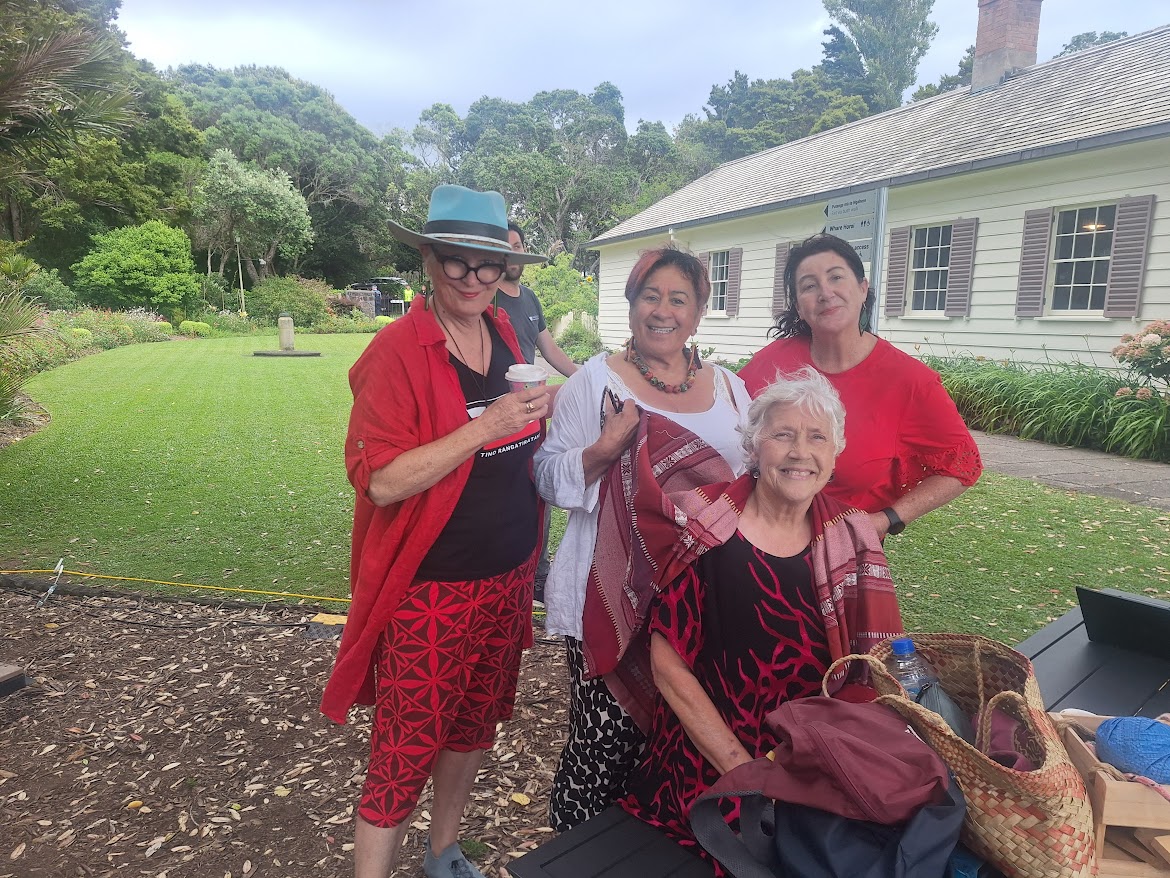
Hei tā ngā mema o Te Poari, kua tino pukumahi rātou me te kōrerorero ki ngā kaitōrangapū i te wā o Waitangi, e matapaki ana i ngā pānga o ngā kaupapa here me ngā whakatau pūtea i runga i ō rātou whānau, hāpori me ngā tūroro noki.
Te Poari members said they had been busy networking with politicians during Waitangi, discussing the impact of policies and funding decisions on their whānau, communities and patients.
Engari anō, ka tukua e te peka mai ki ngā papa te āheinga kia noho i roto i te manaakitanga o te mana whenua, ngā hapū o Ngāpuhi.
But also, the visit to the grounds offered the nurses from around the country a chance to be immersed in the hospitality of mana whenua, Ngāpuhi.
Hei tā Nuku, rānei: “He tino pai te tū i waenga i ngā tāngata Māori kia rāngona te wairua. He whakamīharo.”
Or as Nuku put it: “It’s good to be around Māori and to feel the energy. It’s amazing.”