


The Government, however, has told Kaitiaki that it knows better.

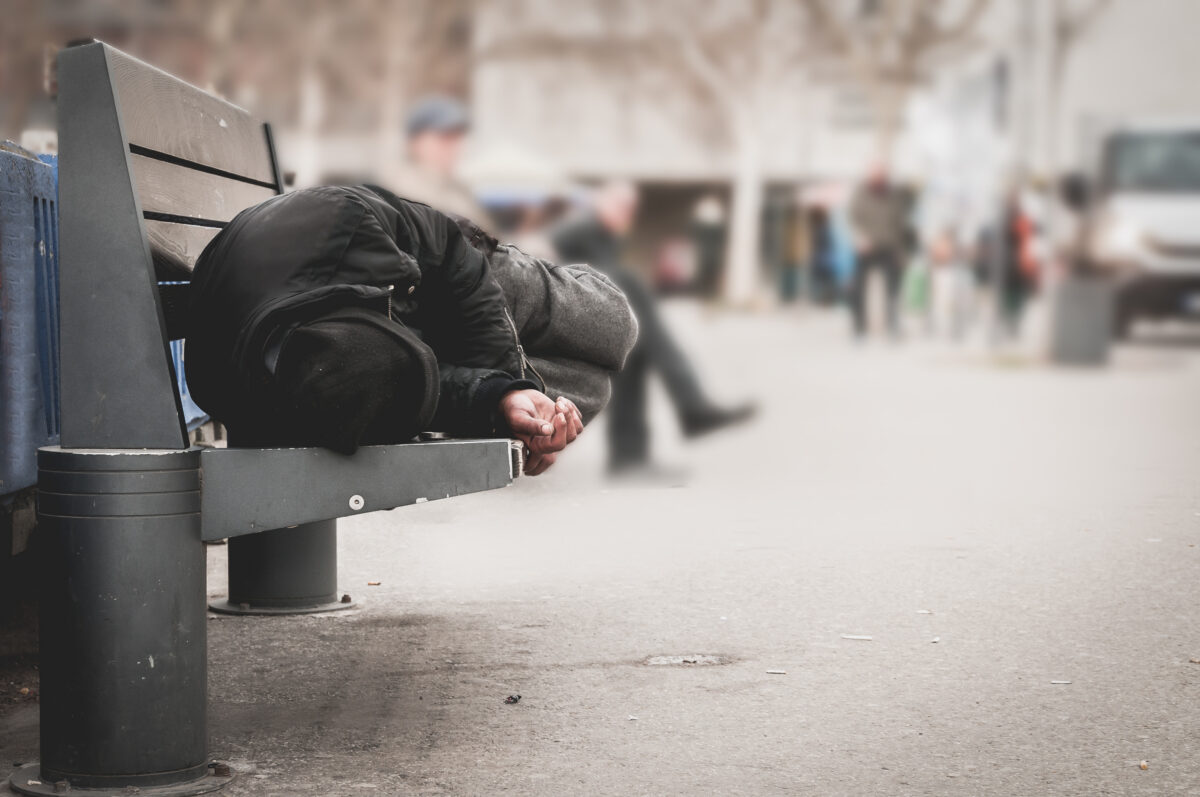
The NZNO submission to the justice select committee, on the Move-on Orders Bill, said it would make homelessness an offence for people as young as 14 — with penalties including a $2000 fine or up-to three months in jail. It risked “victimising children”.
“The possibility that a prison term then introduces a young person to the criminal justice system simply because they don’t have shelter or a home is manifestly unfair.”
Police could order people to move on for simply sleeping rough or asking for money. If they don’t leave the area for up to 24 hours then they could face the fine or prison time.
The NZNO submission called for homelessness to be considered a health issue “addressed by health and social services” rather than within the criminal justice system.

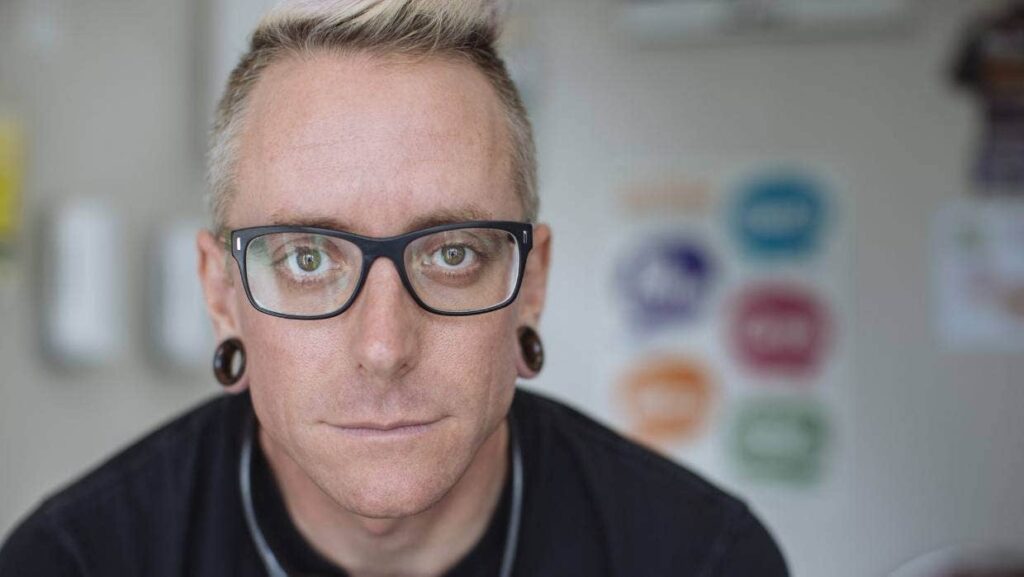
Speaking to Kaitiaki, NZNO college of child and youth nurses committee member and nurse practitioner, Michael Brenndorfer, agreed the bill would criminalise the existence of young people struggling with housing.
“It entirely contradicts everything we know about best practice in youth development and youth health, and instead will only serve to harm those most vulnerable rangatahi in our community.”
It could push “isolated and disenfranchised” young people further into the criminal justice system, he said, and away from actual evidence-based youth support services.
‘It entirely contradicts everything we know about best practice in youth development and youth health.’
Making it worse had been the “essential dismantling” of emergency housing support over recent years, said Brenndorfer.
These made it nearly impossible to arrange safe accommodation for young people, “pushing them onto the streets as their only options for avoiding unsafe family situations”.
“We echo others in the call for the introduction of duty-to-assist legislation making it compulsory for services like the Ministry of Social Development (MSD) to house rangatahi when they are homeless.”
Mental-health contradiction
The submission warned the law could drag police back as mental-health first responders, which the Government had been phasing out since 2024 — although the final phase has been stuck in pause since April.
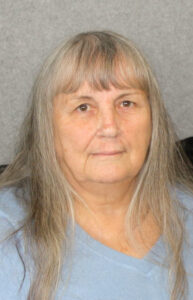
NZNO mental health nurses section chair Helen Garrick told Kaitiaki that with the current lack of mental health services there was a risk that people would be criminalised instead and end up in the corrections system. “The whole thing seems to be particularly targeted towards vulnerable people who can’t do anything about it.”
Not all homeless people were suffering from mental illness or addiction, but many were, she said. They lived on the streets because they had no alternatives.
One of her biggest concerns was that people — particularly the young and very old — would be moved on from their support groups and systems, including medical support.
Garrick said there had been concern that support services generally knew where to find people currently: this would make it “even harder to get hold of them”.
“There’s people with chronic medical conditions who are living on concrete and in the cold, and we can’t even find them to get them into some sort of medical treatment.”
This, she said, was a “terrible thing to do to a group of people”.
Problems, what problems?
When the bill got its first reading in Parliament, in May, Justice Minister Paul Goldsmith called it a tool against “disorderly behaviour” in city centres.
Goldsmith would not reply when Kaitiaki asked if police should help people aged 14 sleeping rough, rather than just move them to another part of the city.

Instead a spokesman said the Government did not agree with the nurses’ and NZNO assessments.
In a written statement Goldsmith told Kaitiaki the Government had no policy to criminalise homelessness.
“Only people who refuse those orders, will face prosecution. A move-on order is not a criminal charge.”
Police Minister Mark Mitchell said that officers had “the expertise to assess and determine what support is required” when dealing with homeless people.