


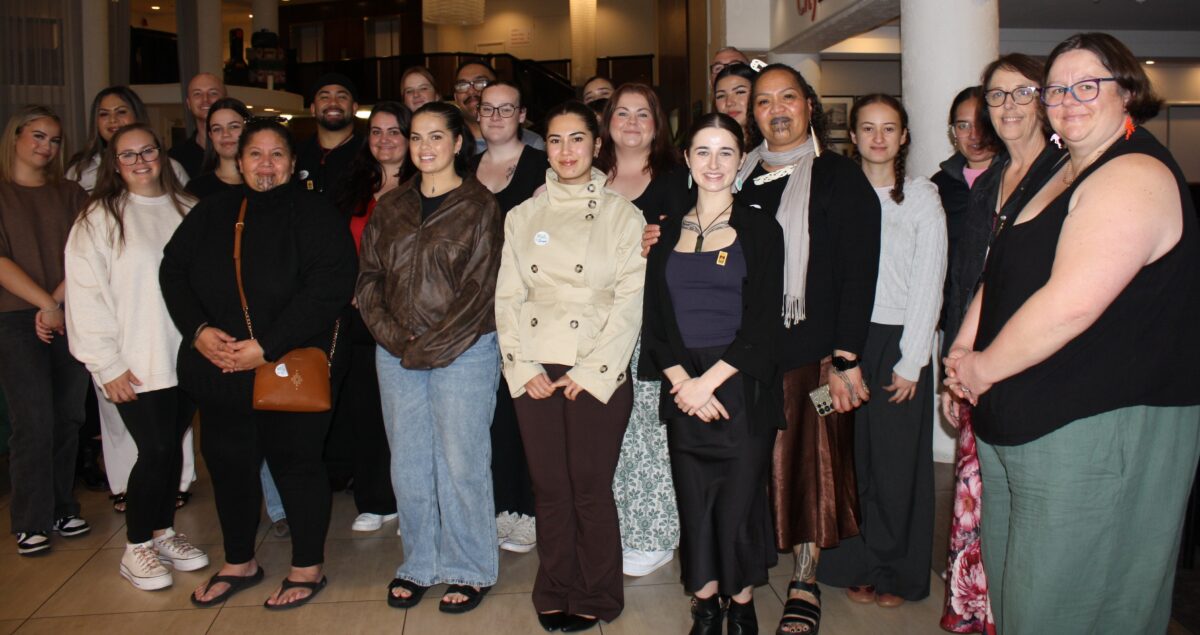
And the kaiako — teachers — listened as NZNO student representatives shared their struggles to stay afloat financially, survive placements and work out how to care for Māori in a culturally safe way.
Sam Prouting said he was out of pocket by $410 per week while on placement at Palmerston North Hospital — far away from where he lived — due to parking costs, having to stop paid work and fuel prices.
‘I’m just trying to do what I need to do to get ahead in my nursing career.’
One student said her family lost $670 a week while she was on placement — “that’s a lot of pūtea to lose in a week for my whānau . . . for me to pursue a career in health care. For me to provide our people — my people — in Aotearoa, in the future, the utmost care”.
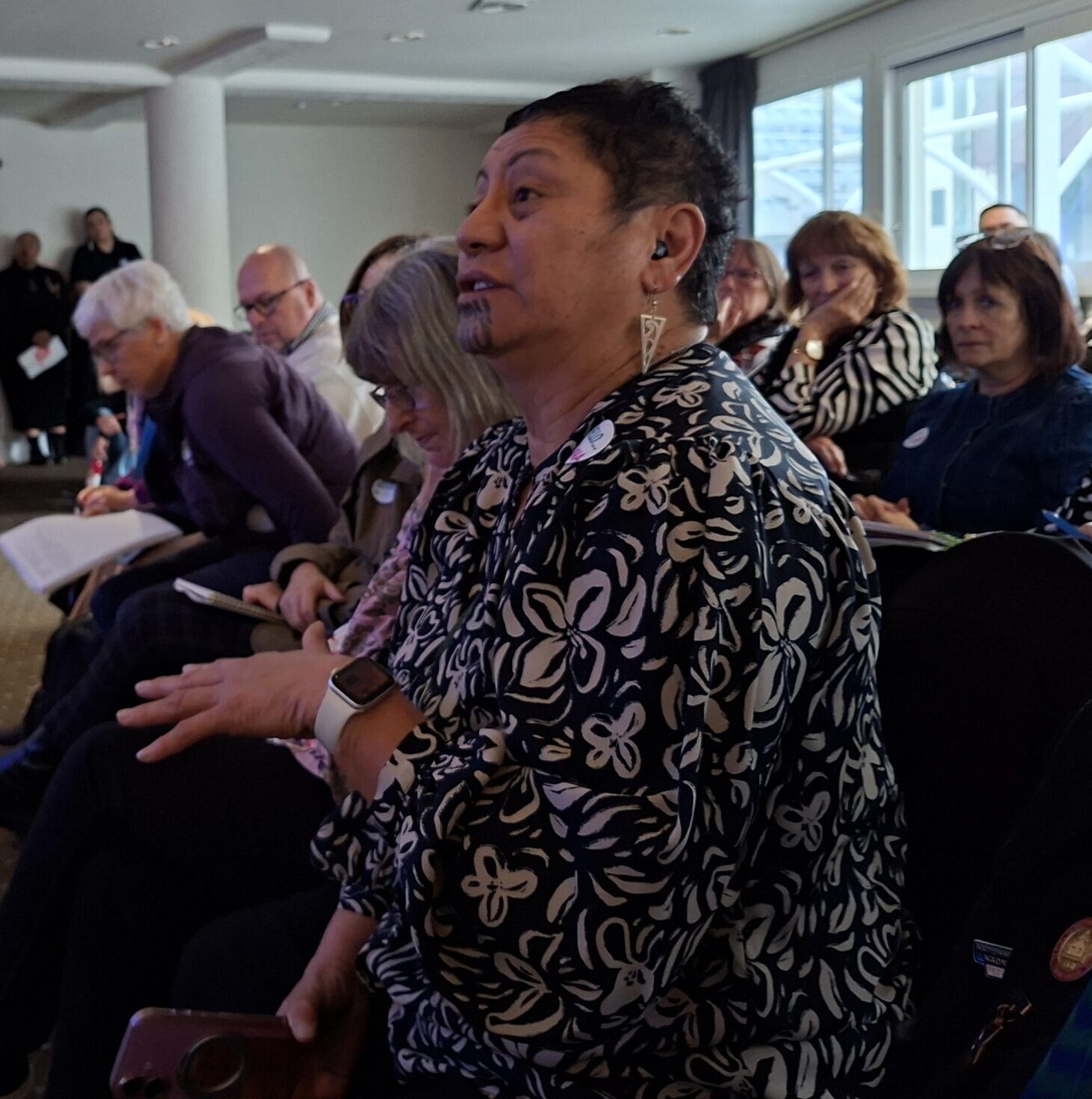
Another student said had to patipati — beg — his whānau members for money to help him get to placement, as he couldn’t do his part-time job. The constant financial pressure had a negative impact on his mental health.
“I had to put a little bit more pressure on my own whānau just to get to placement. My whānau gave and supported me — I know some don’t have that luxury. Some weeks they couldn’t, and I had to use AfterPay,” he told the heads of school.
“I’m just trying to do what I need to do to get ahead in my nursing career.”
The students said financial challenges were still the same, if not worse, than last year with 65 per cent of students struggling to afford basics like bread, rent and fuel, a third spending more than $2000 on study-related expenses and 62 per cent having to cut back on part-time work while on placement.
On top of that, more were now being employed only part-time after graduating, on 0.6 full-time equivalent (FTE), under Te Whatu Ora’s new first year programme — while debt would only grow with the loss of fees-free.
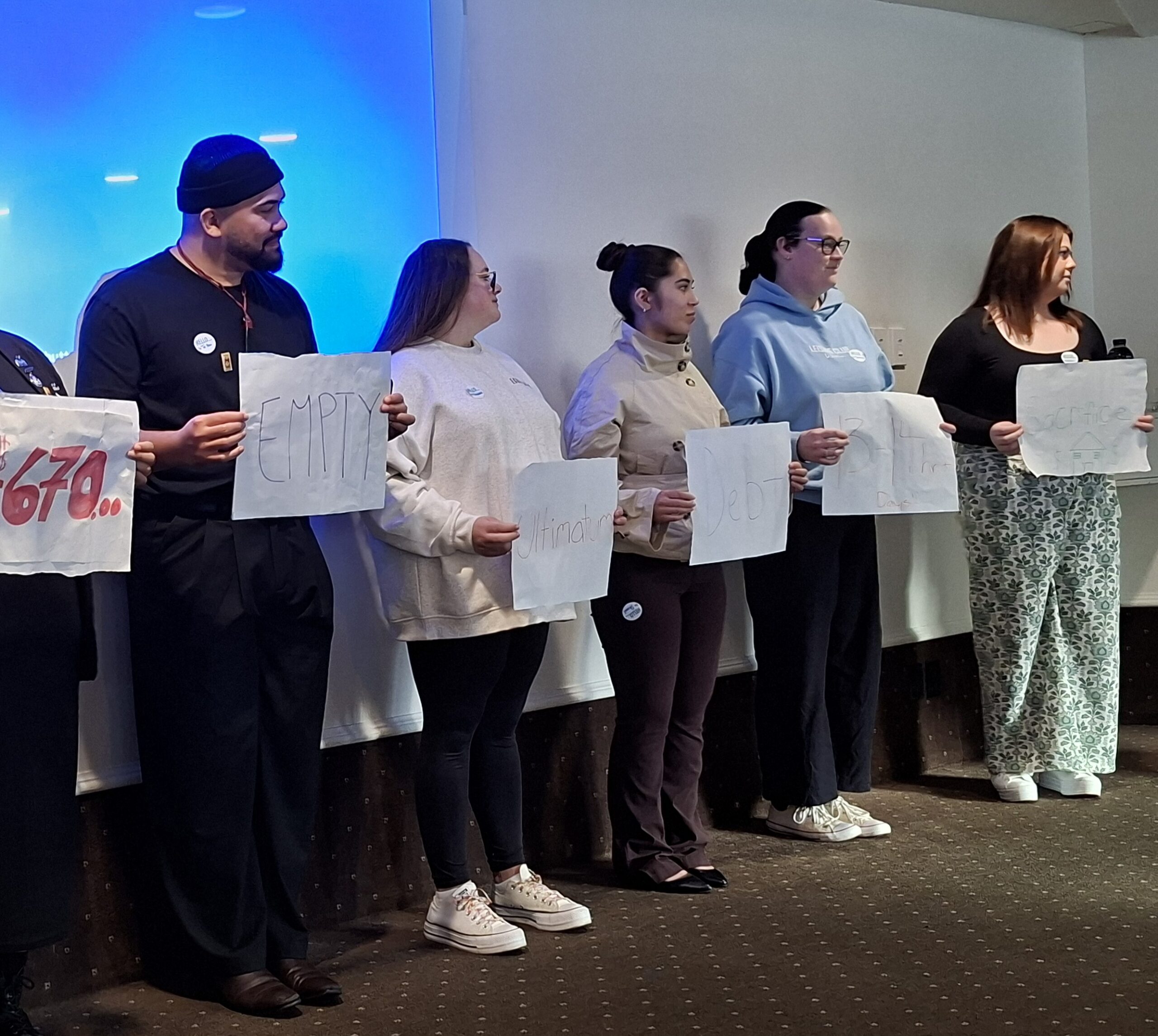
New graduates were dealing with unsafe staffing — and sometimes asked to mentor students “while still building their own confidence and competence”.
Kawa whakaruruhau — Te Tiriti-based cultural safety guidance for nurses — was inconsistently taught across schools and modelled in the workplace, the students said. Many educators and health-care professionals lacked Te Tiriti knowledge, making it hard for students to know how to apply it in every day nursing practice.
‘We know the journey is difficult for you — we have been there.’
Being on placement often meant bullying, poor communication, excessive workloads and lack of support. On top of that, many preceptors were still not familiar with the new pou/competency standards.
‘Advocate for us tauira, we are the future’
The students asked schools to advocate for tauira, in finding employment, upholding te Tiriti and consistency across campuses.
Waikato University Māori health lecturer Donna Foxall promised to think about how to better support students, saying their pūrākau (stories) “touched me, and everyone here”.
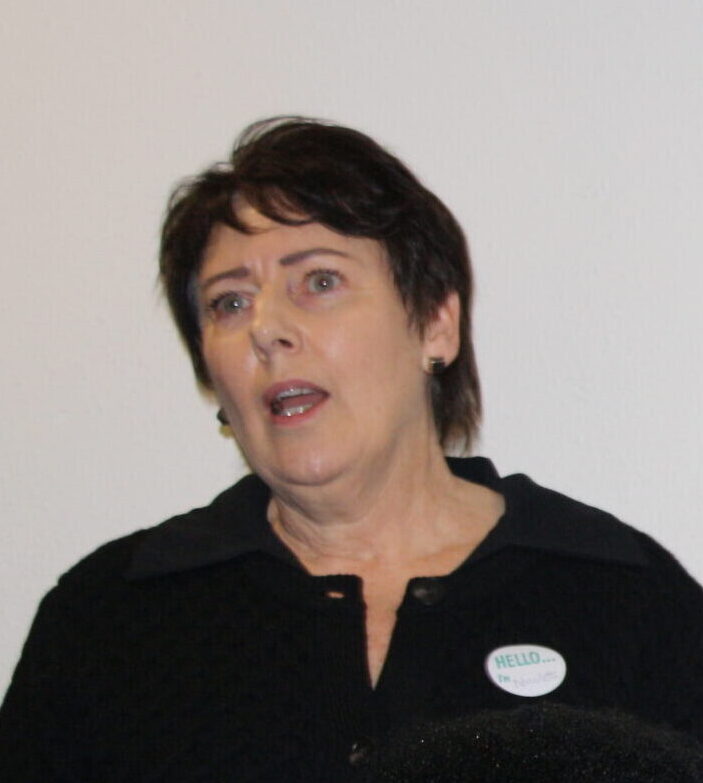
“We know the journey is difficult for you — we have been there . . . we know the financial challenges and physical hardship.”
New Zealand chair of the Council of Deans of Nursing and Midwifery (Australia and New Zealand ) Nicolette Sheridan said she would talk to her Australian colleagues about how to better support nursing students on placement.
Australia last year introduced an A$338 weekly ‘practicum’ payment for nursing and midwifery students on placement.
Finalising an NZNO policy on better financially supporting nursing students on placement was also discussed, with further details to come.