


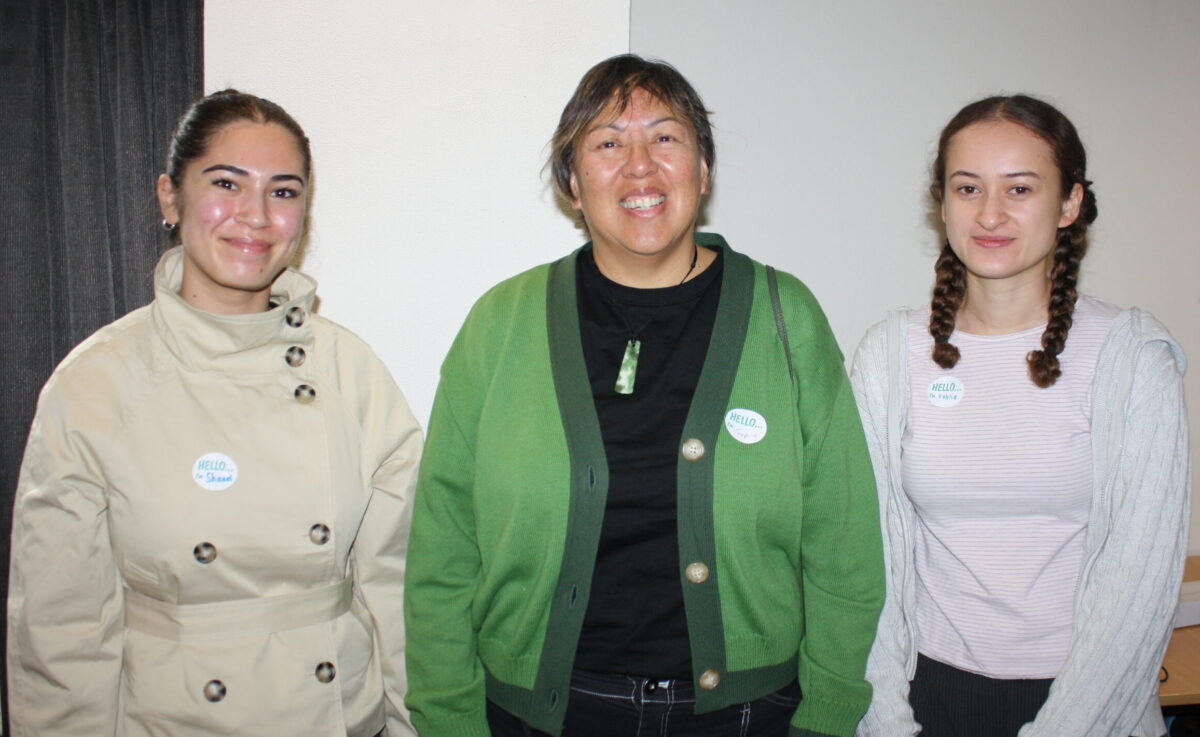
“Having that representation means a lot for tauira Māori,” NZNO’s Te Rūnanga Tauira (TRT) representative at UoA Xahlia Murray told Kaitiaki at NZNO’s national student hui in Wellington.
“It’s quite inspiring and someone we can look up to and see succeed and who is Māori. It really motivates our rangatahi into leadership.”
National student representative at the university, Shanel Dodunski, agreed, saying it was “awesome” to see more Māori nursing leadership.
One of New Zealand’s first Māori nurse practitioners (NPs), Davis (Ngāti Kopaki, Ngāti Manu, Ngāti Whātua Ōrākei) said she never in her “wildest dreams” imagined being in the role — but hoped it would encourage others.
“I hope all our tauira Māori can see that this is a space for them. I hope they can see people who look like them and think like them and that me standing here shows them what is possible,” she said in a statement.
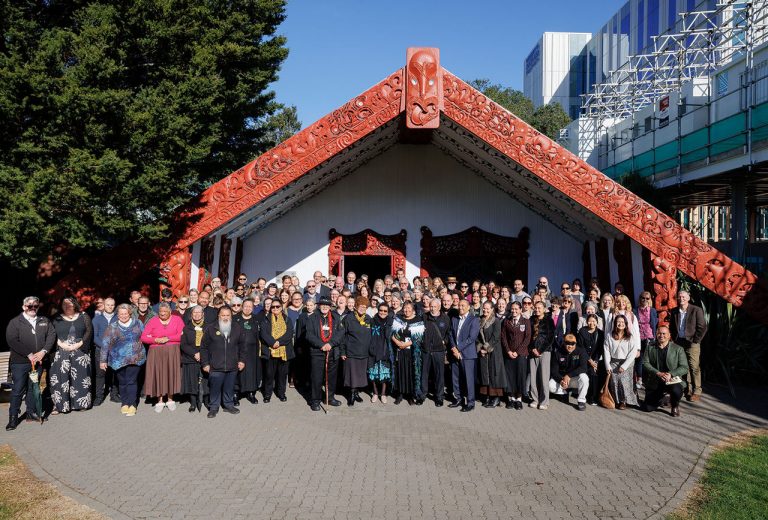
A nurse for 36 years, Davis said she came from line of healers, carers and nurses. “Being a nurse has always felt very natural to me.”
She joined the university in 2022 as a professional teaching fellow before becoming a senior lecturer in nursing. She helped establish the Māori nurse academic rōpū, Mauri o te Hā, as well as support Māori nursing students to connect with wider networks, including NZNO’s annual Māori nurse gathering, hui ā tau.
More Māori leadership in nursing education could ultimately help bring better health for Māori and other populations who carried a significant share of ill health.
Davis, who was appointed in May, was at NZNO’s national student hui where students challenged heads of schools to stand up for them in the face of financial hardship and cultural safety attacks.