


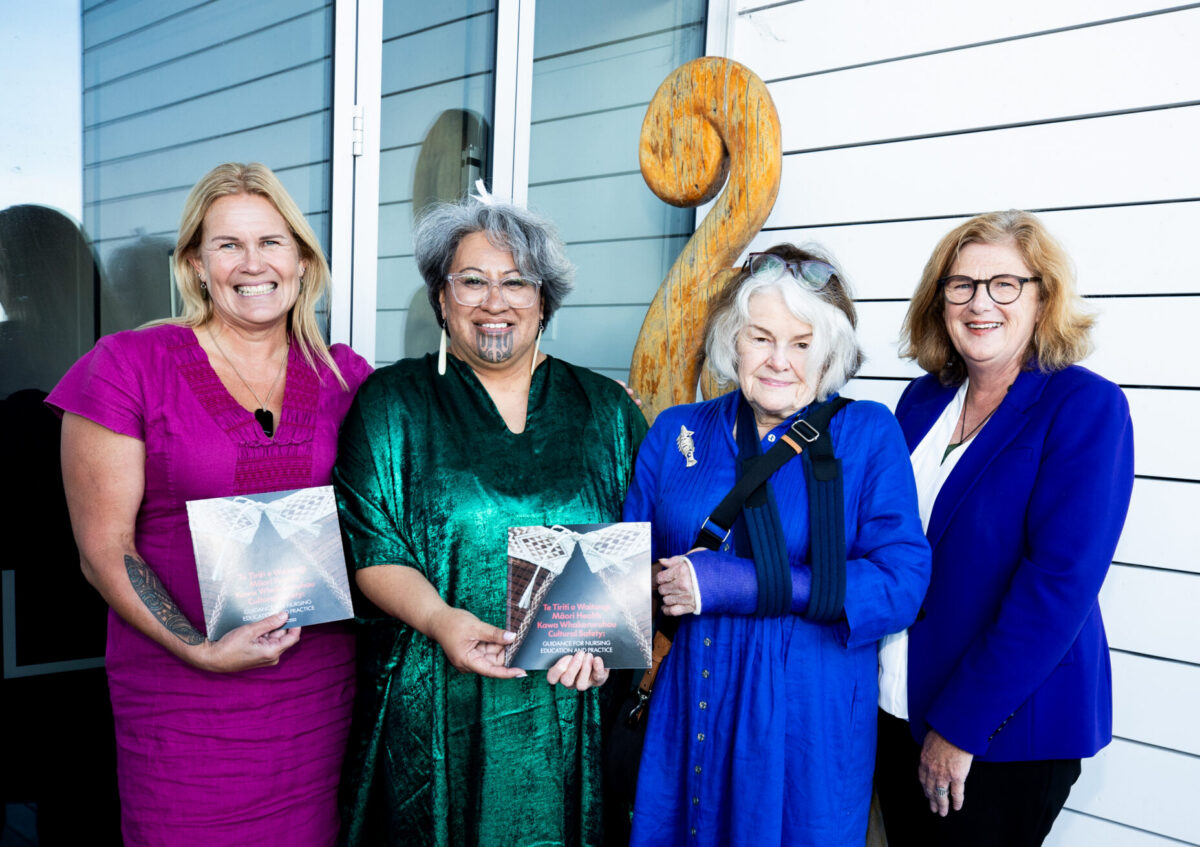
However, the update of pioneering mahi by nurse and educator Irihapeti Ramsden arrives just in time to face echoes of the backlash to its original publication, 34 years ago.
Nursing regulator, the council launched Te Tiriti o Waitangi, Māori Health, Kawa Whakaruruhau, Cultural Safety: Guidance for Nursing Education and Practice in February.
It updated the previous cultural-safety edition, published in 2011, and entrenched Te Tiriti as the foundation of Māori health, kawa whakaruruhau and then cultural safety.
‘So what we really needed to do in this guidance was come back to the real intent – and it was kawa whakaruruhau.’
Nursing Council kaiwhakahaere Waikura Kamo said work on the guide began in 2018, after the council faced a challenge from Māori nursing leaders to do better for Māori health and nurses.
Since then, Kamo and colleagues had talked to “thousands” of nurses about what cultural safety and kawa whakaruruhau meant to them — and discovered patchy and wildly different understandings existed around the motu.
Read this story in te reo Māori here.
The resulting guide was a high level “taonga” for all nurses, to support their practice, alongside its more specific competencies, education standards and code of conduct.
Compared to the broader 2011 cultural safety guidelines, the updated guide refocused on kawa whakaruruhau in the face of persistent Māori health inequities, Kamo told Kaitiaki.
“I don’t think society – definitely not at that time — was ready for kawa whakaruruhau and I think that’s perhaps influenced why it had to be general for cultural safety for everyone,” she said.
“So what we really needed to do in this guidance was come back to the real intent – and it was kawa whakaruruhau.”
NZNO kaiwhakahaere Kerri Nuku told Kaitiaki that the new guidance was about reigniting the kaupapa, “especially at this time”. “And deeply embedding it into the competencies of practice and also into the code of conduct for nurses.”
It was about amplifying its position and “not just making it lip service”, she said.
Nuku said she and researcher Sonia Rapana-Hawkins helped “over a long period with the development” of the refresh — and had been critical of the council’s old position.
‘We ain’t got many kuia left to look after and we’ve got to know how to look after them.’
“Previously the work of Irihapeti Ramsden was diluted and wasn’t seen to be popular, and I think largely there was a lack of understanding around what kawa whakaruruhau is and the difference with cultural safety.”
‘It’s about respect’, says long-time nurse
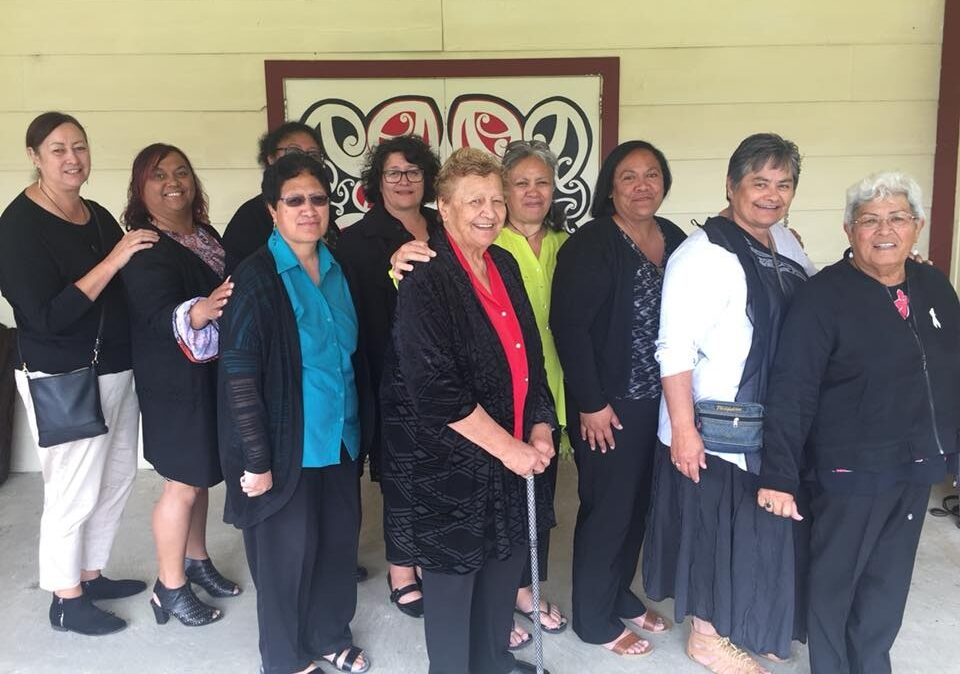
Long-time East Coast rural health nurse Gina Chaffey-Aupouri welcomed the new Tiriti-focused guide as “brilliant”– and much-needed at a politically oppressive time for tangata whenua.
It was about “tūturu to our people — [being true to our people]. We ain’t got many kuia left to look after and we’ve got to know how to look after them”.
While the words could be triggering or confusing for some, Chaffey-Aupouri said it was simply about respect — and empowering people to be cared for how they wished.
“Cultural safety would be how you care for your loved one — it is how you care for any individual in their culture,” she told Kaitiaki.
“I don’t think it’s difficult, but I don’t know any different to what I’m taught — to manaaki, to awhi, to ensure people are comfortable, ensure people understand what’s happening for them and fully inform them.”
For her, it came naturally as breathing.
“Everything I do is maintaining the protection of their rights, participation and care. That’s just like buttering my bread. It’s my life. It’s how I breathe.”
In practice, it meant if someone wanted to be treated at home rather than at the clinic, she would go there.
“If they want to introduce their rongoā as well as the medicine they use, that’s fine. If they want to use their language, that’s fine too. It’s all that.”
Chaffey-Aupouri said tangata whenua were doing it tough health-wise. But it cost her nothing to practice culturally-safe nursing with everyone she cared for in her role.
“For me, it is my life. As a Māori nurse who has nursed for 46 years on the East Coast, it is my life. And nothing will change how I approach, how I talk to people.”
Happy birthday, Irihapeti
Speaking at the launch, Pirimia Burger — Ramsden’s daughter — said the event landed on what would have been her mother’s 80th birthday.
Ramsden died aged 57 from cancer in 2003.
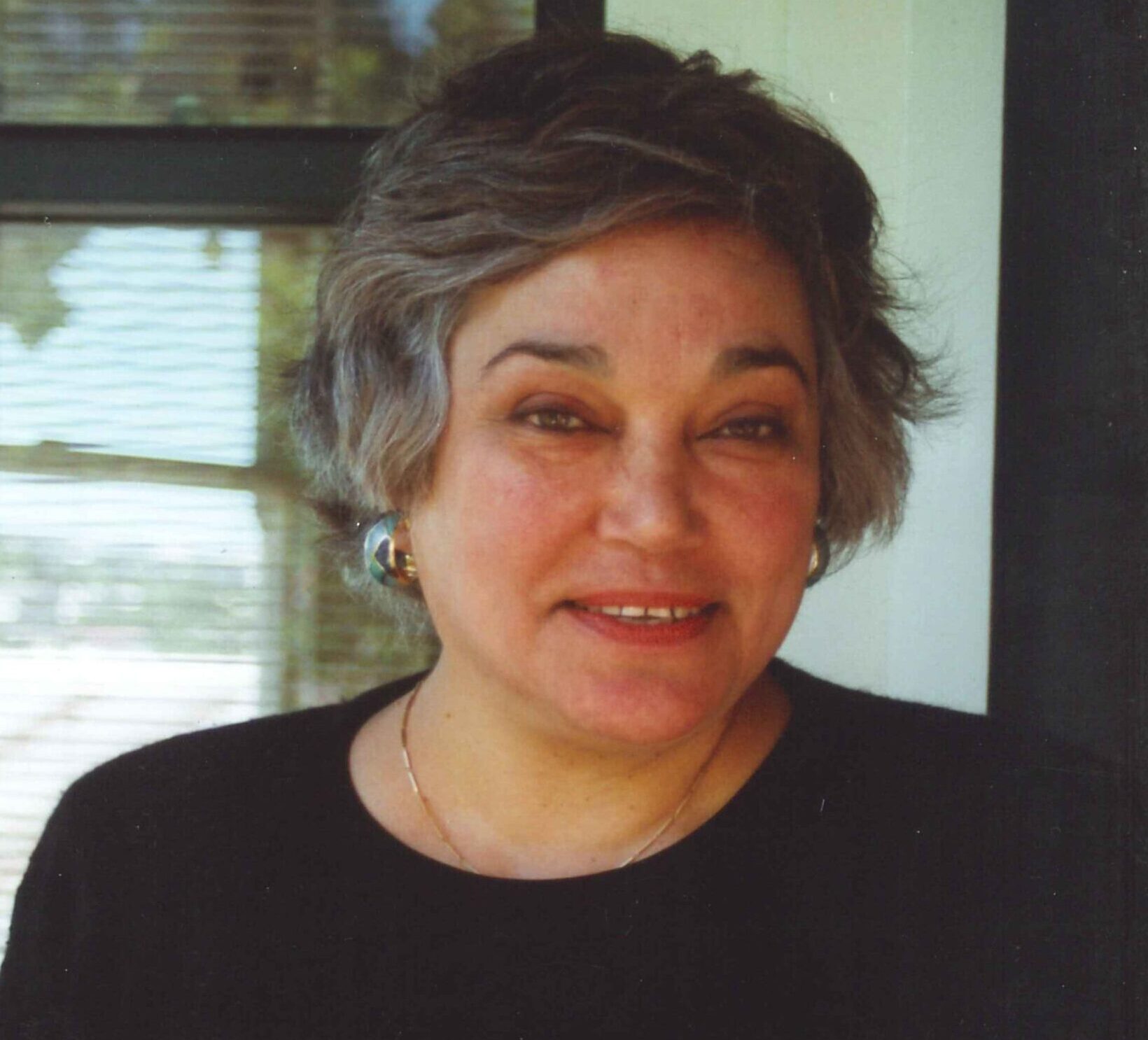
Burger said her mother never wavered from the belief that kawa whakaruruhau or cultural safety were about dignity. It was, she said, about accountability and ensuring that Māori — and all people — received care without being diminished.
Burger was glad to see the kaupapa reaffirmed and refreshed with integrity — “not reduced to a checklist, not softened into something comfortable”.
“Because this was never about compliance. It was about transformation. It was about shifting power so that those receiving care define what safe means.”
Same old backlash
This week, ACT MP Todd Stephenson, the party’s health spokesperson, criticised proposed Tiriti and equity obligations in the nursing council’s draft Code of Conduct.

The code cites cultural safety and kawa whakaruruhau as guidance — directing nurses to the newly-updated document for more information.
Amongst a raft of changes from the 2012 document, the draft code beefs up Tiriti commitments and addresses the impacts of colonisation. Its proposed standards include an expectation to uphold mana, wairua and whakapapa in nursing interactions.
Stephenson said in media reports that health services should be driven on need, not race.
Nuku said his claims lacked knowledge and understanding. They were more political and ideological than reflecting a true understanding of the power imbalance within the system, “and how we can respond better to patients by understanding and being culturally aware”.
Overall, Nuku said she was glad the council had refreshed the guide, which covered mahi by Ramsden that was adopted internationally.
“I think it’s great the Nursing Council has breathed life into it. Could it have gone further? Absolutely it could have. I think the beauty of this is that it has to keep evolving as our populations change, but without losing the integrity.”
Background
Nursing educator and pioneer Ramsden developed the concept of cultural safety in the 1980s. Her version — kawa whakaruruhau — was focused on Māori specifically. But after a 1990s backlash from the nursing profession and public, it was watered-down to a broader cultural safety, which was adopted by the Nursing Council.
The council began revising its 2011 guidelines to be more Tiriti-centric, after a 2018 Waitangi Tribunal inquiry into health services and outcomes found systemic racism was contributing to persistant Māori health inequities.
Several Māori nurses gave evidence as part of the inquiry. Its findings were acknowledged by then-director general Ashley Bloomfield.
Health credentials
ACT’s health spokesperson said health in New Zealand should be driven by need, not race. According to his ACT Party bio, Stephenson’s most recent health-sector experience was as director of patient engagement and experience for Johnson & Johnson in Australasia. He studied law at university.