


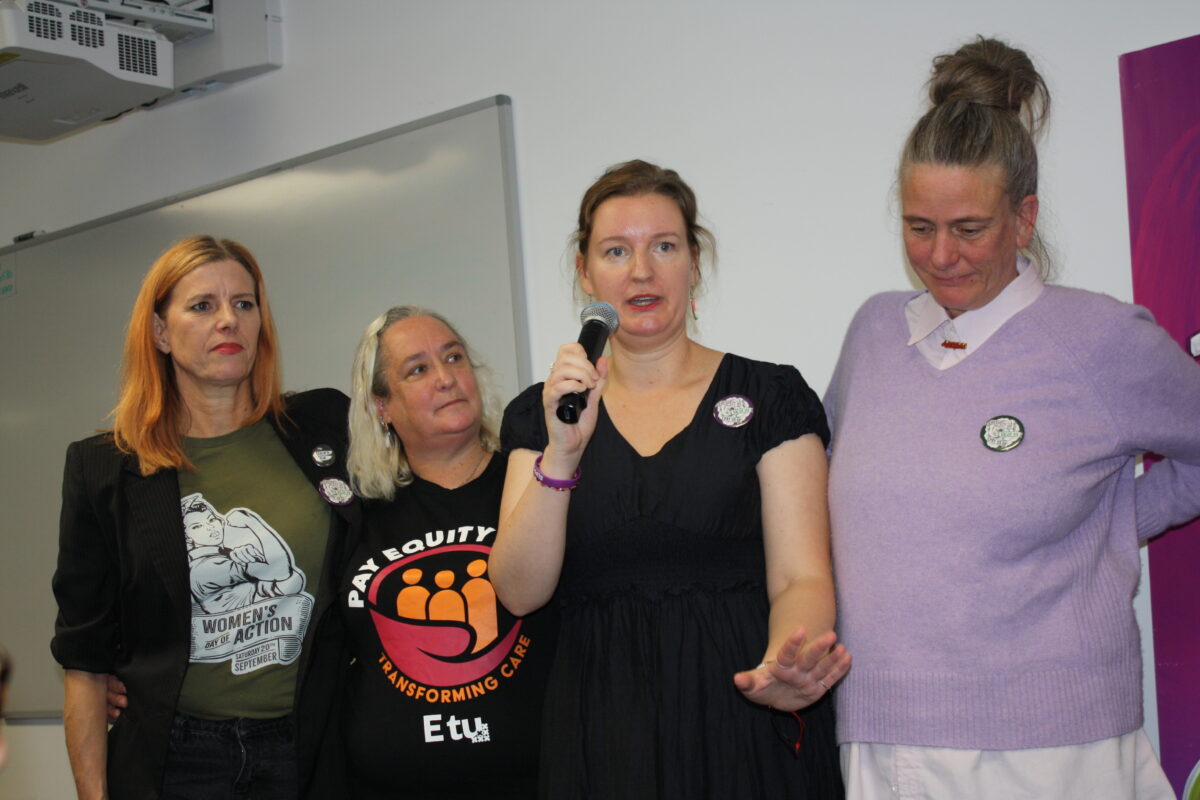
On Wednesday, Pay Equity Coalition Aotearoa (PECA), which includes the New Zealand Council of Trade Unions, lodged a formal complaint with the United Nations (UN).

The complaint asked the UN to investigate whether the Government’s changes to pay equity laws amount to systemic discrimination against women.
New Zealand’s Government had always prided itself on its gender equality reputation, former equal opportunities commissioner and PECA spokesperson Judy McGregor said.
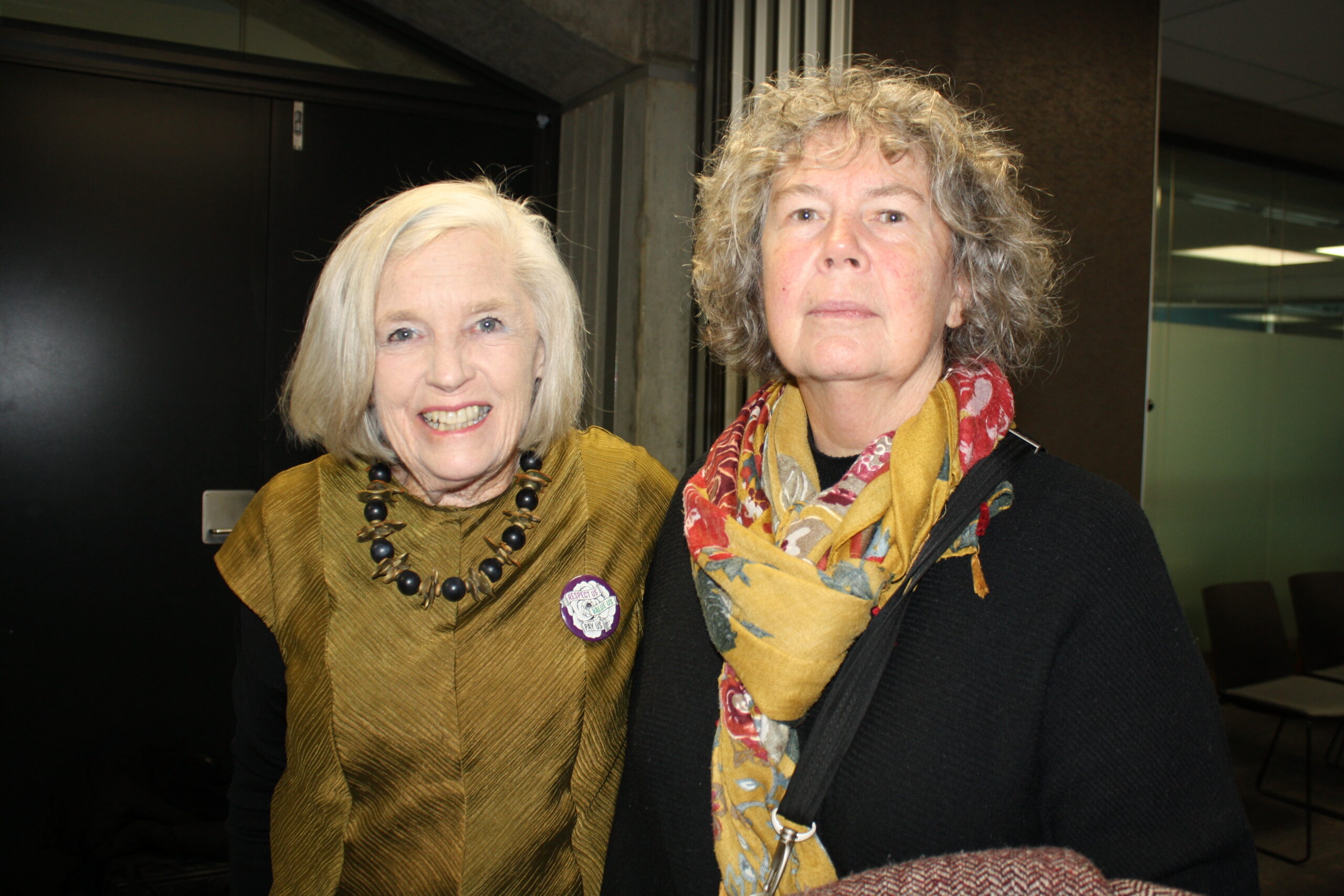
“Now it’s a pariah, and I think whatever happens to the complaint . . . I think the significance will be, firstly, its publicity effect, secondly, its reputational effect, and thirdly we might get a substantive decision from the UN.”
The “devious” action amounted to “state-sponsored gender-based pay discrimination,” McGregor said. “This . . . breached the rights of women to have a say – it was so sneaky, even Winston Peters didn’t have time to leak the email.”

Just getting to the packed room where she was speaking created financial stress for Tamara Baddeley, home care worker.
Baddeley was one of four complainants sharing stories in Wellington a year to the day since the Coalition Government gutted pay equity legislation.

“For me I had to get a new battery for my car yesterday before I drove down from Napier. I don’t know where that money’s coming from.”
Pay equity would mean she wouldn’t have to worry about that sort of thing, Baddeley said. Friends and colleagues could afford decent food for their children, warm clothes, and good shoes — maybe even afford their first home, or a decent holiday.
“It would take the edge off and make little things a bit easier — and those sudden unexpected bills wouldn’t mean deciding ‘do I pay the bills or do I buy food?’.”
Auckland teacher aide Ally Kingi, another complainant, said women weren’t ‘given’ the right to vote in New Zealand’s historic global first in 1893. “No-one woke up one morning and handed it to them. Women fought for it and women won. That is our history, that is our whakapapa, that’s where we come from, that’s who we are.”
Despite this, the “sniveling little sneaks” in the Government had overturned pay equity then crowed about saving their Budget, she said.
Kingi acknowledged the rangatahi – students — who had turned up in support.
“You’re really important – your future is really important to all of us.”
Wellington East Girls’ College students Nardous Ibrahim, Jacquie Sanders, Iris Hall, Eleni Matsis and Molly Henderwood said they came to show their support for “such an important issue”.

Original care and support claimant Kristine Bartlett, who fronted the ground-breaking Supreme Court test case in 2014, said she was happy to see the fight continue, after the mass-dumping.
“I was really upset – I cried for days. I still feel upset now,” she told Kaitiaki.
On May 6, 2025, the Government announced it was introducing and passing the law gutting pay equity the same day. At that point, 14 claims had been settled, and 33 were still underway. The changes reportedly saved the Government $12.8 billion for Budget 2025.
Pay equity seeks the same pay for female-dominated professions (nurses, health-care assistants) as male-dominated mahi requiring similar effort, skills and responsibilities.
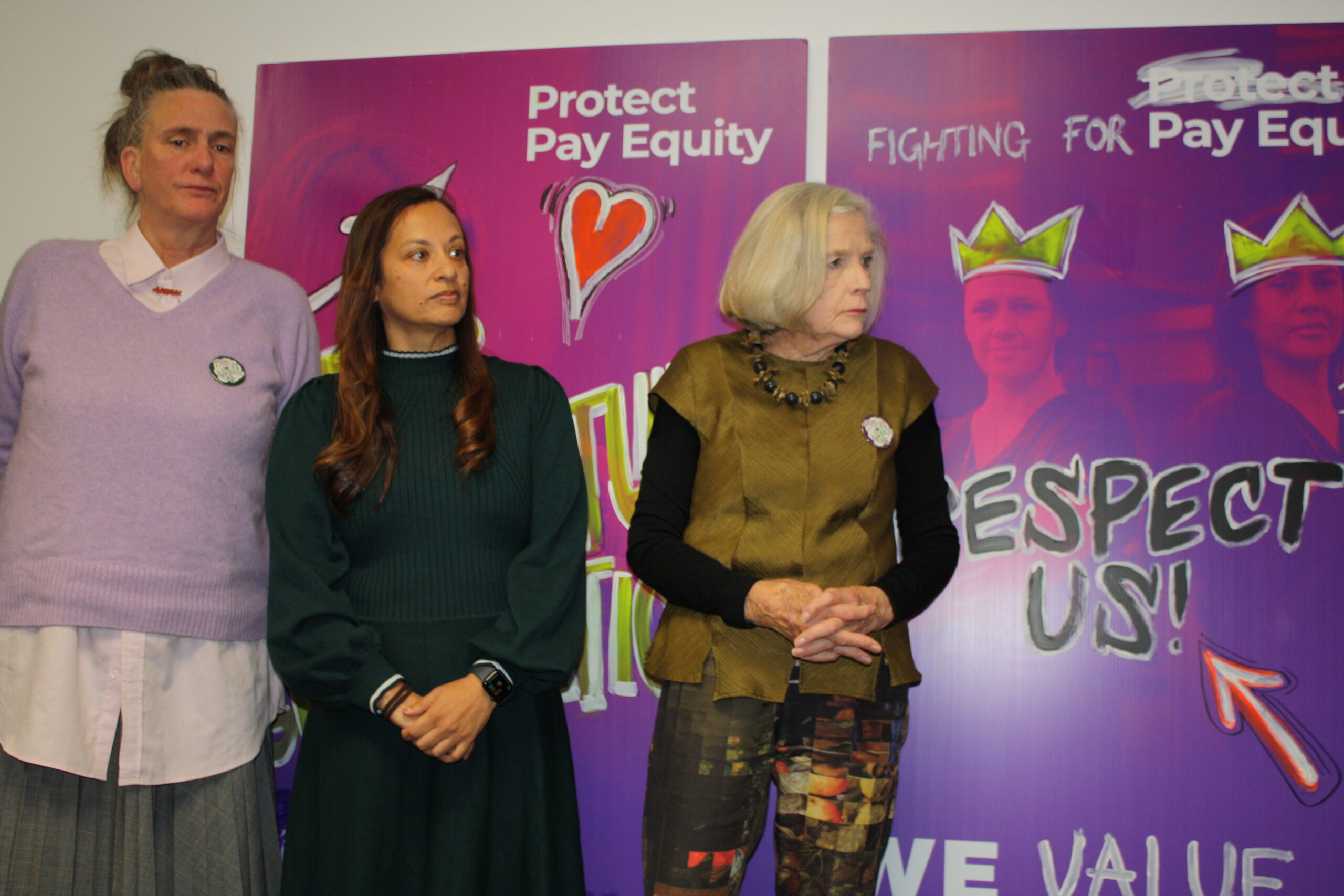
Equal Employment Opportunities Commissioner Gail Pacheco said New Zealanders wanted a human rights-based pay equity system for women – and would not accept anything less.
Last September, NZNO’s Plunket and hospice members refiled claims under the new system, which sets near-impossibly high thresholds.
The old claims were the most advanced of 12 underway through NZNO under the previous system.
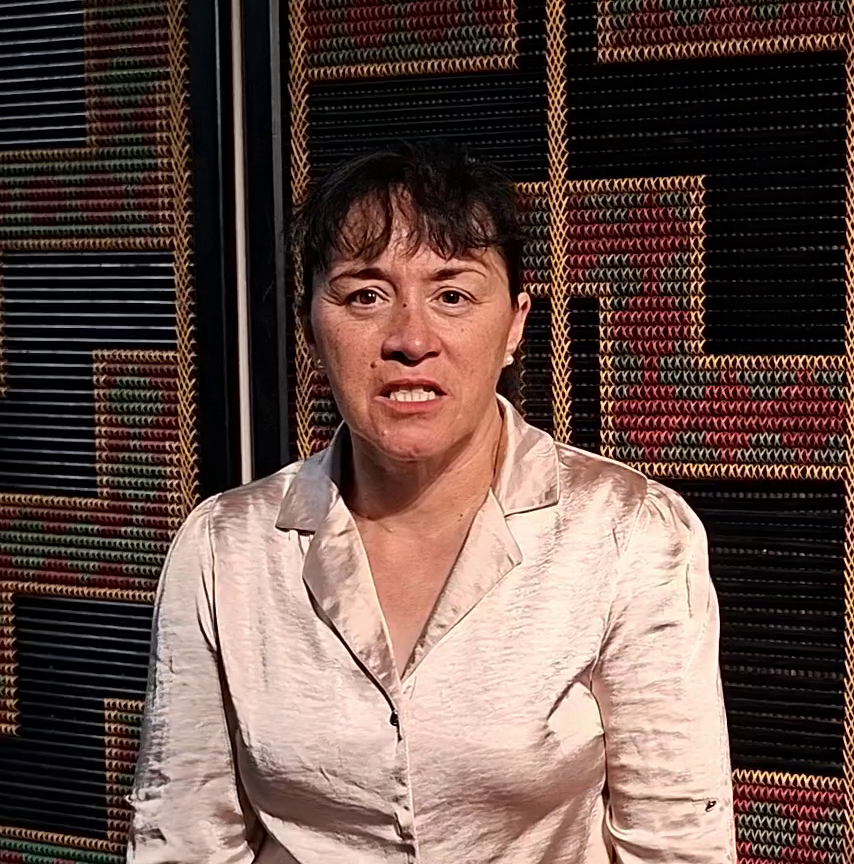
Wellington caregiver and NZNO member Lisa Marriner, at the event to provide support, felt sad that unions were forced to turn to the UN because New Zealand’s own Government had “done the wrong thing”.
Watch Lisa Marriner’s video Women thrown under the bus by Government.
“It’s something that saved the Budget but it’s been at the expense of women.”
The UN will now assess whether the complaint is admissible. If the complaint is accepted, it will be sent to the New Zealand Government for a response.
The people’s voice
In February the people’s select committee — set up to allow public consultation denied by the Government — released its damning report into the law change.
It drew together submissions, Cabinet papers and and other research and included extraordinary nuggets of information.
- In February, 2024, Minister for the New Zealand Workplace Relations and Safety Brooke van Velden met lobby group Business NZ, who complained about the cost of public service pay equity settlements, and asked for a review of the law.
- Health Minister Simeon Brown met employer groups just five days before the shock law change. He knew Cabinet had already agreed to dump the three claims in which they were involved. They left none the wiser.
- Work to axe pay equity was shrouded in such secrecy that it had its own code name, Project Ten, and a no-attachments rule for emails. All papers had to be hand-delivered.
See also: Pay equity wasn’t a nice-to-have