


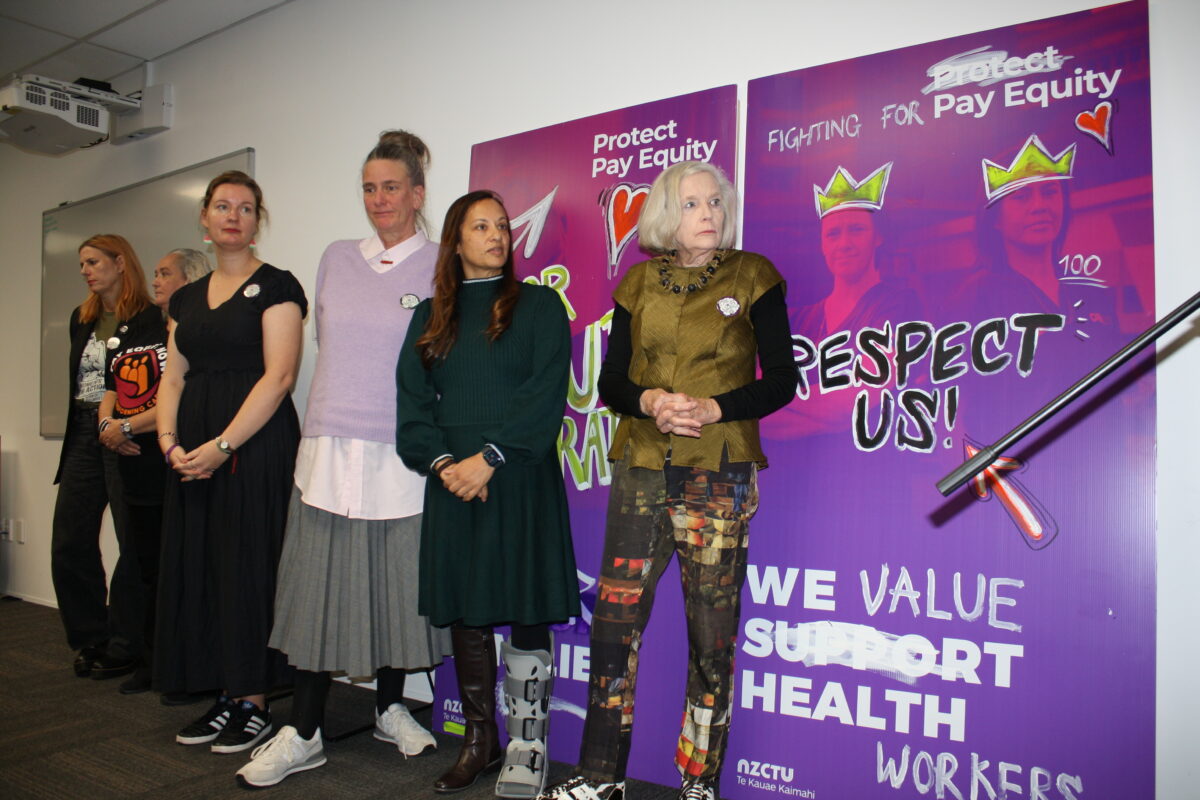
The work that holds communities together – in care, education, and social services — has been consistently paid less than work of comparable value done by men. Pay equity laws exist because of that reality. They are not a bonus. They are a corrective to a long-standing economic imbalance.
One year ago, New Zealand changed those laws.
On this anniversary, that decision has taken on new significance. A complaint has now been lodged with the United Nations, asking whether those changes amount to systemic discrimination against women. That is not a routine step. It reflects the seriousness of what is at stake.
‘These people are not on the margins of the economy. They are in care and disability support, education, and social services: roles that are essential to how we function as a society.’
Because the question at the heart of the complaint is a difficult one: what happens when the mechanisms designed to address the undervaluation of women’s work are weakened? When the law was changed in May last year, existing pay equity claims were cancelled, and new thresholds introduced. At the time, the changes were presented as technical — a refinement of process.

One year on, the outcome is clear: for women in undervalued sectors, the pathway to fair recognition has stalled.
These people are not on the margins of the economy. They are in care and disability support, education, and social services: roles that are essential to how we function as a society. They are also roles overwhelmingly done by women, and long recognised as underpaid relative to comparable work.
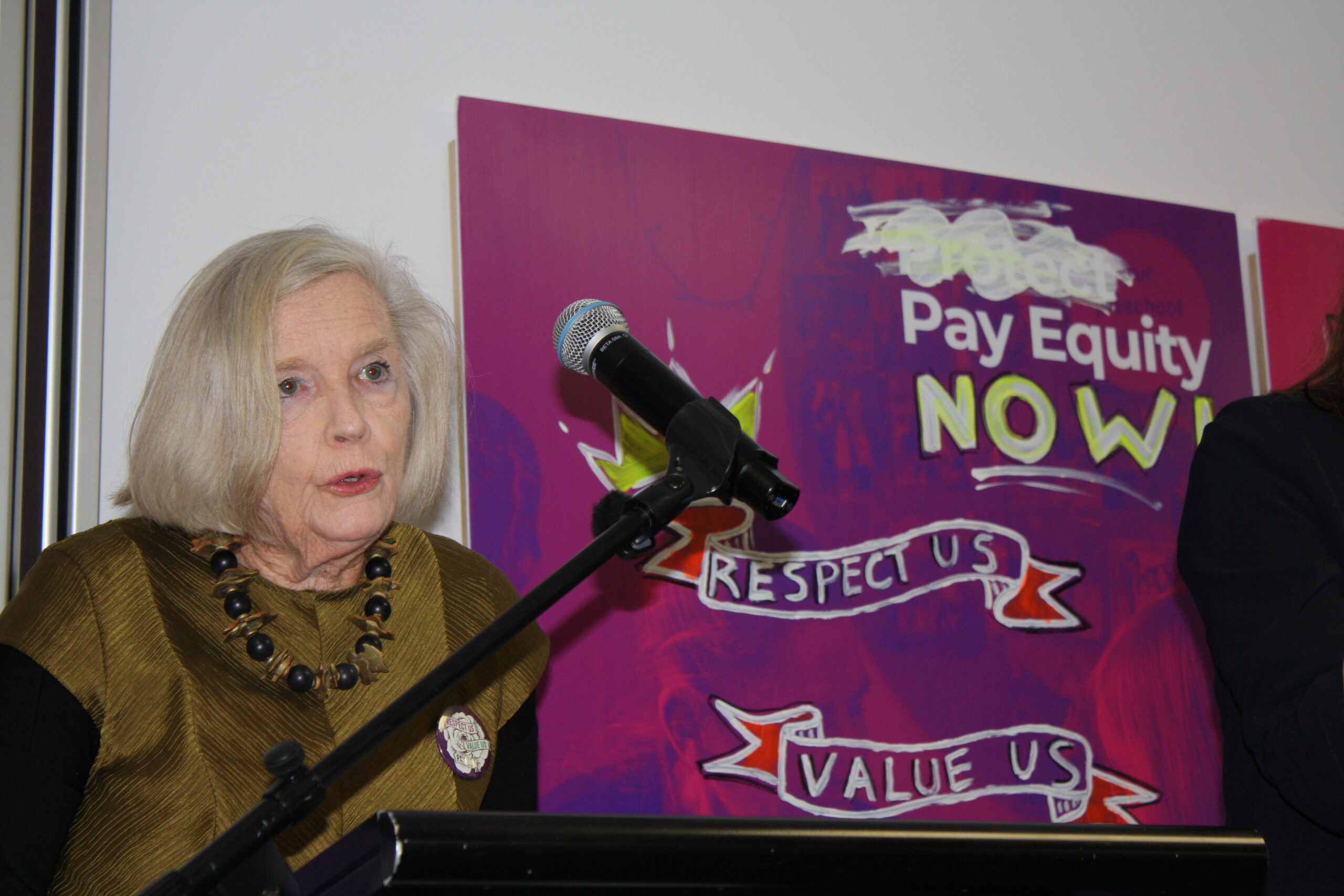
Pay equity is not just about fairness in principle. It is about how we value work – and who benefits from that valuation. Many of the affected workers are in sectors that are publicly funded or directly employed by the state. That means the Government was not only setting the rules. It was also the largest employer affected by the claims.
That raises legitimate questions. When the rules change in a way that removes claims involving your own workforce, it is reasonable to ask whether the balance between fiscal considerations and fairness has been appropriately struck. This is where the United Nations comes in.
‘Whose work do we value? Whose work do we pay for? And what do we do when fairness carries a real cost?’
The complaint has been filed under a mechanism designed to examine systemic discrimination — not isolated cases, but patterns embedded in law and policy. Historically, it has been used in serious cases involving structural failures to protect women’s rights. Its use here signals something important: economic inequality is not separate from women’s rights. It is central to them.
New Zealand has long seen itself as a leader in gender equality. That reputation is built not just on history, but on ongoing choices. Those choices are often tested when they carry a real cost.
Right now, for tens of thousands of women working in undervalued sectors, the system designed to deliver pay equity is not delivering outcomes.
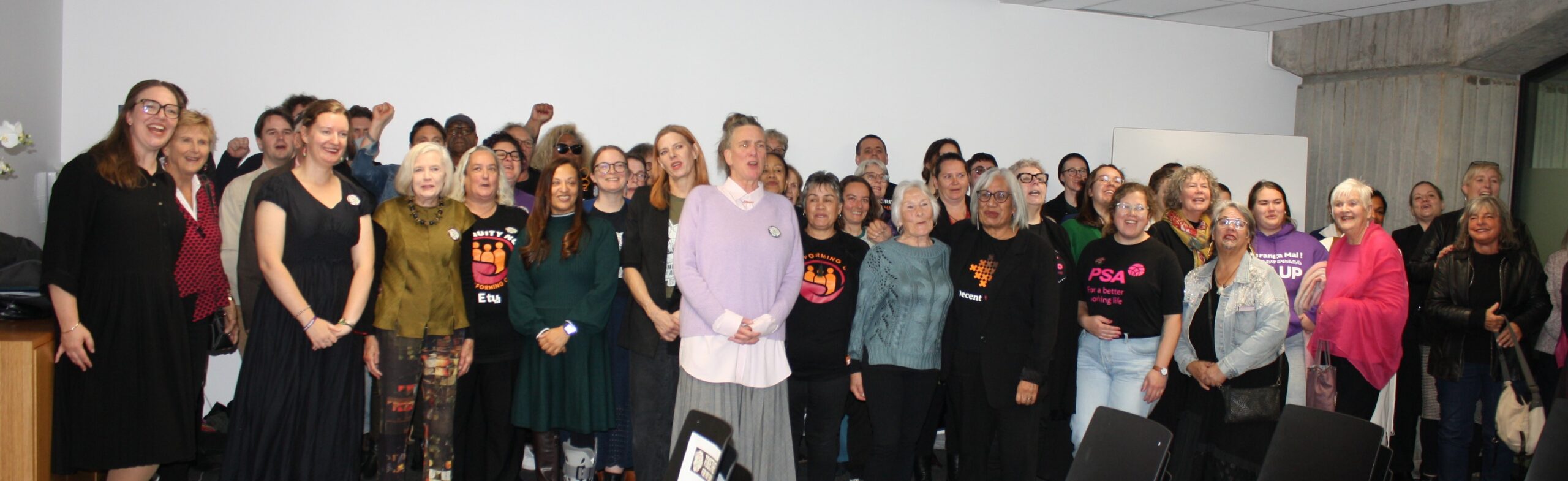
The UN complaint will not resolve the issue overnight. But it does place the question where it belongs — not as a technical disagreement, but as a matter of rights and accountability. Whose work do we value? Whose work do we pay for? And what do we do when fairness carries a real cost?
These are not new questions. But they are now being asked of New Zealand in a new way.
How we answer them will matter – not just for our international reputation, but for the kind of country we choose to be.
— Dame Judy McGregor is a former Equal Employment Opportunities Commissioner and spokesperson for Pay Equity Coalition Aotearoa. This viewpoint was first published in The Post.
See also Complaint lodged with UN over ‘sneaky’ gutting of pay equity claims