


I was part of the 2023-24 NZNO bargaining team, which was gruelling and dragged on for a while — but not as long as this.
When you’re away in bargaining and you know your significant other is having to work and look after the children or animals and keep the home fires burning, it’s a concern — it’s worrying. Especially, if your partner is working in health care, because we all know how stretched health-care workers are, and often on-call too.
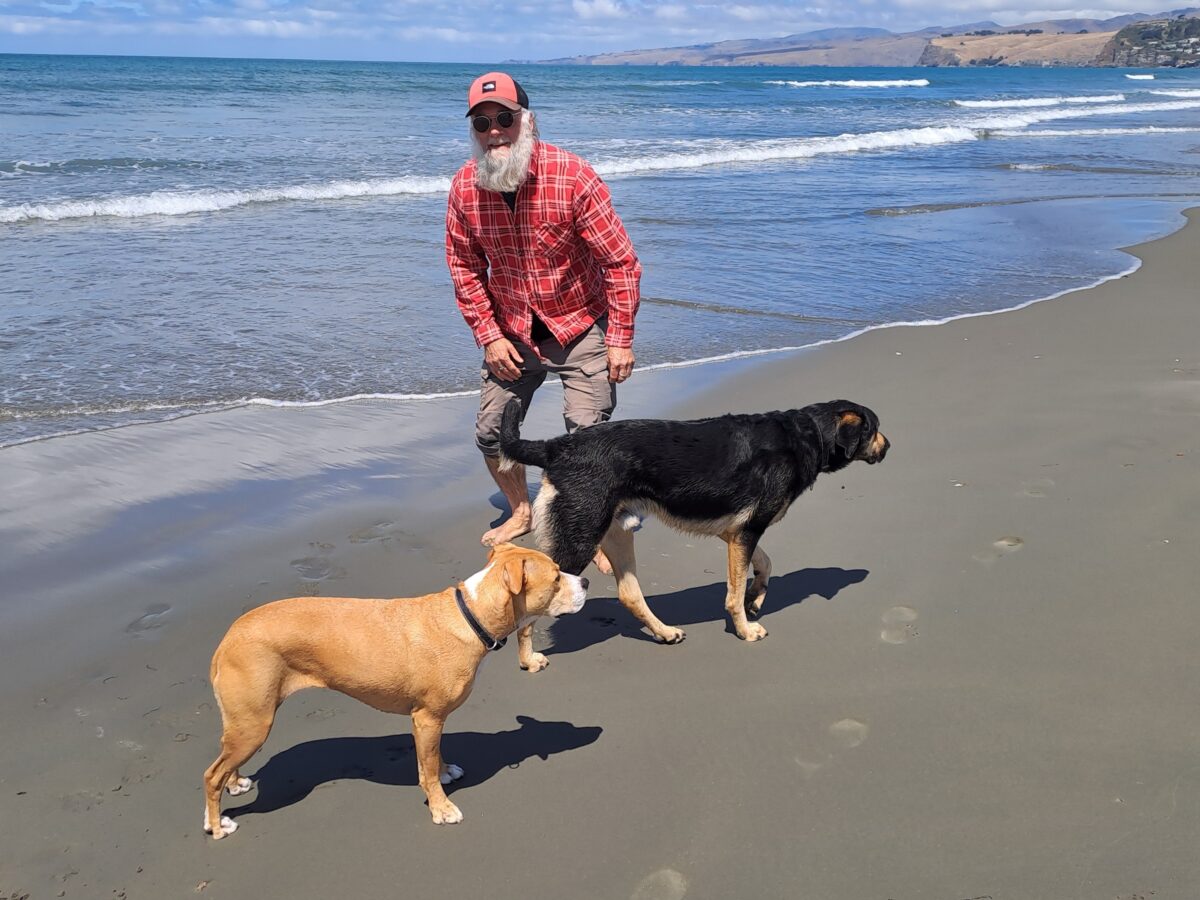
My partner is a midwife, and sometimes the births can be long-hauls — 12 to 14 hours or more — and if you’re away at bargaining, there’s no-one to look after our dogs, or for some of our team they’ve children and whānau at home too, which is really hard.
We are never going to give up. We’re committed, we’re in it for the long haul.
It’s not just the team members impacted, it’s our families as well. If it wasn’t for the support we have from our families, we wouldn’t be able to do it, that’s the reality.
But I’m in it because of what I see when I work on the floor. I’m exhausted most days, all the members are — we are completely stretched throughout the country.
Our health system’s broken and that’s not going to change unless we stand up and push for it to change and fight for it to change — and part of that process is through bargaining.
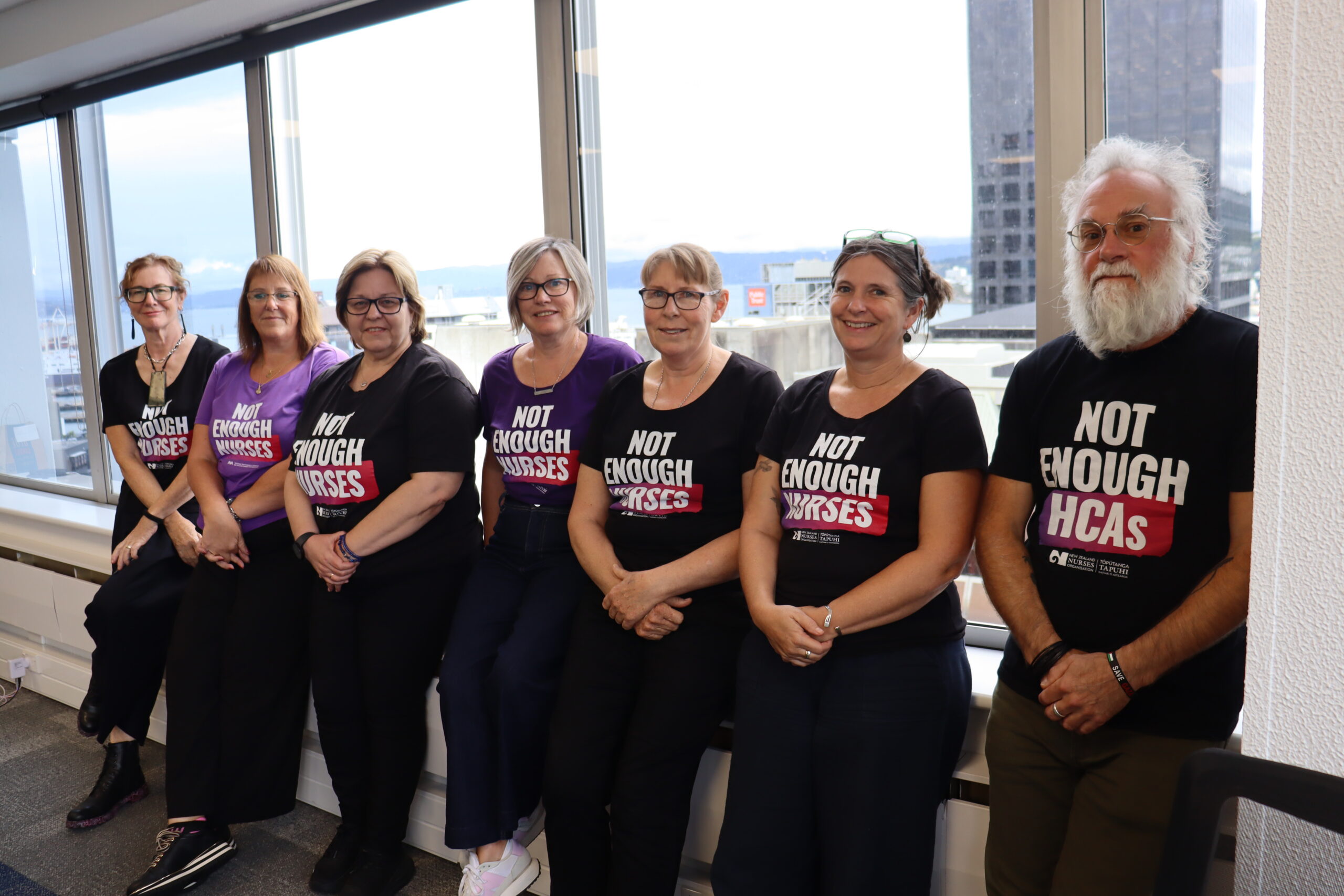
The reality is, legally, the only time we can take industrial action is through bargaining. That’s when we can actually flex our muscle and that’s what important at the end of the day — the ability to flex our muscle and apply pressure to our employer and the Government, because our public health system is under attack and if we don’t stand up and fight back we’re going to lose it.
Those are the things that keep me going – not only fighting for my own job to improve and have safe staffing at my workplace, but for the future of public health which means a better future for everyone.
It’s not easy though. It’s difficult to organise our personal lives around dozens of meetings, often at short notice. Some of us live quite far away with long flights from our regions which are often delayed or cancelled and we end up not getting home for another day.
To achieve our aims, we need our members to back us up. If we don’t have that, we have nothing.
And it’s not just the meetings with Te Whatu Ora — there are hours of delegate meetings discussing the claims. It’s constant — it’s not something you can put aside for long.
As a team, we’ve had to take more than 40 days bargaining leave over the past 16 months – leave covered by the collective agreement.
While my manager has largely been supportive, others have had difficulty getting released by managers due of how short-staffed their units are.
Sometimes they’ve had pressure to find a replacement – which is not their responsibility – or that bargaining is taking too much time. Well, that’s beyond our control.
It’s been so protracted, it’s hard to keep that energy going and obviously the impact on our partners and families can be very tough.
‘Learning diplomacy’
Even so, I see this role as a honour — I’m representing members. There’s also a need to be diplomatic in the room and have a level of pragmatism.
I’m a long-time socialist and my attitude is that unions need to be about more than bread and butter issues – we should be speaking out on social justice and politics, which NZNO does now.
But at the bargaining table, being constantly challenged by the other side means we have to develop really compelling arguments and make sure we have our data and evidence to back it up.
But we can only do so much in the room.
To achieve our aims, we need our members to back us up. If we don’t have that, we have nothing. Our strength comes from the membership and their willingness to take action. That’s our leverage.
We are never going to give up. We’re committed, we’re in it for the long haul. We want a better public health system, we want safe staffing, we want all those things – we’re there for our members and our patients, as well as ourselves.
- Allister Dietschin is a health-care assistant based in Christchurch, long-time NZNO delegate and member of the NZNO-Te Whatu Ora bargaining team.
Members’ views?
The NZNO Te Whatu Ora bargaining team and delegates are holding local member meetings from Monday 9 February to Friday 13 February to report back on bargaining and hear your views about how to move forward. Meetings are being organised in every district. Look out for information locally about meetings at your worksite. A member survey will be held from Wednesday 11 February to Tuesday 17 February to ensure everyone has an opportunity to give their feedback on future direction.