


The Government ignored expert advice that lowering the free bowel screening age for Māori, would raise survival rates to those of non-Māori, cancer leadership network Hei Āhuru Mōwai has revealed.
Fears the health system would not cope with the number of colonoscopies likely to be needed was a key reason, the Māori cancer experts also reveal in a New Zealand Medical Journal article, Tūtakarerewa.
‘We consider the current bowel screening programme eligibility age in Aotearoa, New Zealand to be an expression of structural racism.’
Cancer nurse college (CNC) chair Heather Bustin said the decision was unethical, unacceptable and “structural racism”.

“Ignoring the evidence of an equitable age adjustment, on the grounds health system capacity is not an ethically acceptable justification,” she told Kaitiaki.

The inevitable result would be avoidable harm specifically to Māori, she said.
“We consider the current bowel screening programme eligibility age in Aotearoa, New Zealand to be an expression of structural racism.”
Māori have double the rate of bowel cancer under 60 than non-Māori: with a diagnosis rate of 21 per cent to just 10 per cent — a gap that is only widening, according to Hei Āhuru Mōwai.
Done well, national screening programmes could lead the way in achieving equity, accelerating Māori health gains and upholding Māori rights to health, suggests the article.
‘It doesn’t matter who was in Government. The paper shows these inequities were perpetuated successively, which is really disappointing.’
Instead, structural racism delayed and ultimately stopped a lower bowel cancer screening age for Māori and Pacific (also harder-hit) — described as “deliberate inaction in the face of need”.
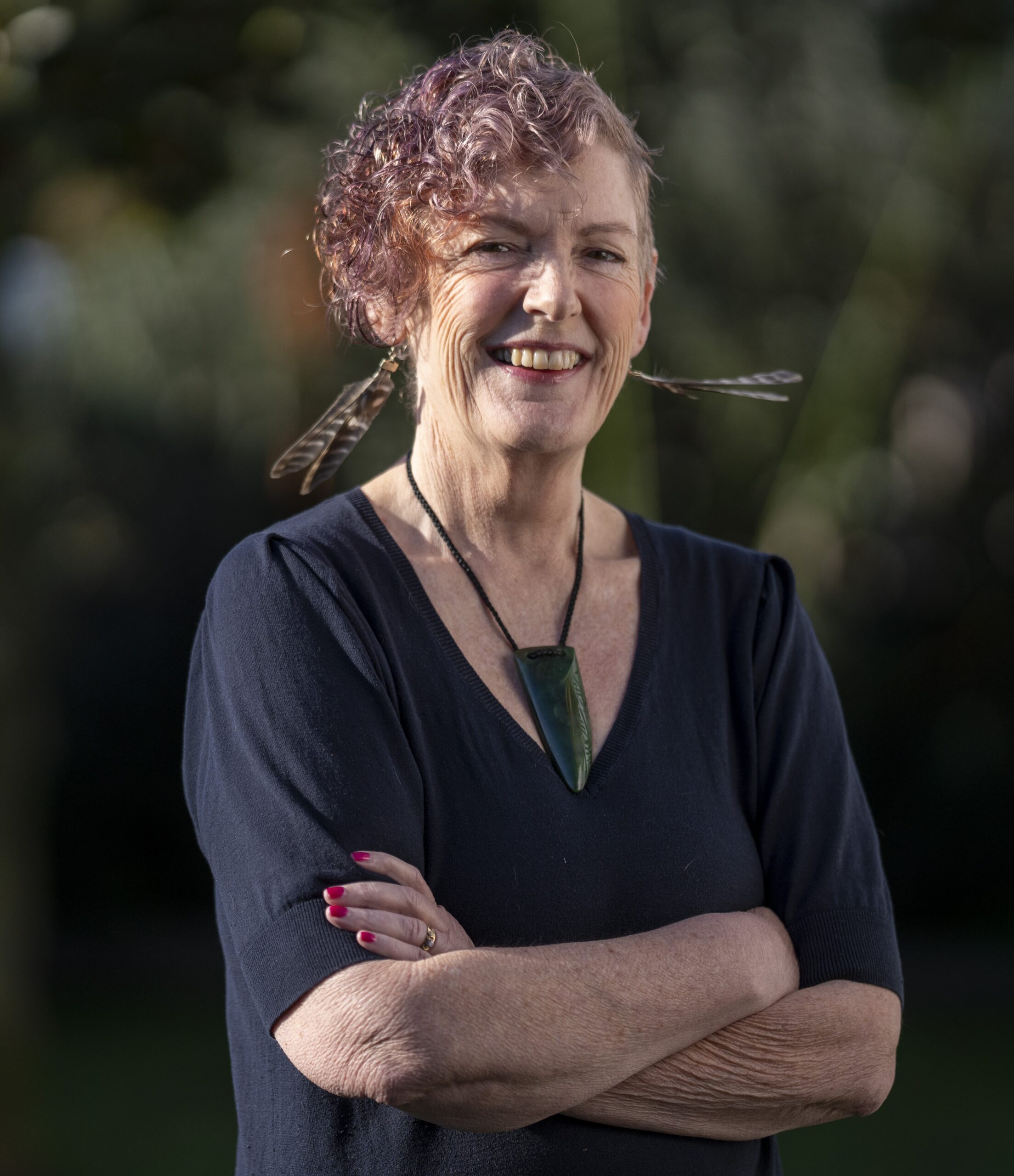
Hei Āhuru Mōwai co-chair Jacquie Kidd, who co-wrote the article, said denying Māori access to life-saving free screening because there was not enough capacity to respond was both unethical and racist.
“They don’t want clinical services to have to do too many more colonoscopies because they don’t have capacity” she told Kaitiaki. “So instead of addressing capacity, because we have all this evidence that there are all these people on the waiting list needing colonoscopies, they maneuver [screening thresholds] so they don’t have so many people on the waiting list.”
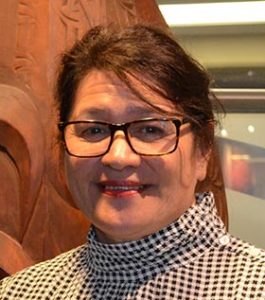
NZNO kaiwhakahaere Kerri Nuku said the decision was “absolutely” structural racism. “There’s no intention, there’s no resource, so we’re not a priority — we’ll just sit by and watch them die.”
She said the Waitangi Tribunal’s 2018 health service and outcomes inquiry identified structural racism and the need to deconstruct it.
There had been some research on the issue under the previous government, but the Coalition Government “built those walls again”. “And they made it easier to embed racism.”
It was sad for Māori mokopuna and whānau, Nuku said — “and sad to watch them pass away from something that easily could have been picked up earlier”.
True need ‘concealed’
Kidd — who was diagnosed with terminal bowel cancer herself at just 58 — said if the true need was never revealed, there would never be investment in more colonoscopies.
“It doesn’t matter who was in Government. The paper shows these inequities were perpetuated successively, which is really disappointing.”
If the advice had been followed, Kidd said she would have been screened earlier and may not now be facing an early death.
The fight for equitable bowel screening
When it launched in 2016, New Zealand’s national bowel screening programme (NBSP) offered free screening to everyone aged 60-74 — ignoring its own pilot scheme recommendations that the programme needed an equity focus, the NZMJ article reports.
In 2019, after new figures showed indeed the gap was widening, cancer experts across the sector urgently recommended the eligible age be dropped to 50 for Māori and Pacific peoples.
But this was rejected in 2020 by the Government, because the rollout was not yet complete. However, Official Information Act requests by Hei Āhuru Mōwai found another reason.
“The incapacity of the health sector to provide colonoscopes was a significant consideration in the final decision not to extend the programme.”
Finally, in 2022, the Government agreed to extend the bowel screening age for Māori and Pacific people to 50 the following year, beginning with Waikato, Tairāwhiti and Midcentral pilots.
But following a change of Government, the nationwide rollout was canned. Instead, Minister of Health Simeon Brown set the age at 58 for everyone — the same age Kidd was diagnosed, too late for her and many others.
Minister of Health Simeon Brown has previously said the Government wanted to keep its promise to match Australia’s free bowel screening age of 45, but needed to increase colonoscopy capacity. He would not say when this would happen.
At a glance
- Māori are more likely to die within two years of a bowel cancer diagnosis, compared to non-Māori.
- Pacific populations are also hard-hit, with bowel cancer the third most-common cause of death.
- Just 50.8 per cent of Māori get screened for bowel cancer compared to 62.1 per cent of non-Māori.
- Just 63.4 per cent of Māori get screened for breast cancer compared to 73.4 per cent for non-Māori.
- Just 66.8 per cent of Māori get screened for cervical cancer, compared to 81.6 per cent for non-Māori.
— Source: Tūtakarerewa — Indigenous advocacy and structural racism in bowel cancer screening in Aotearoa New Zealand, New Zealand Medical Journal, December 2025.