


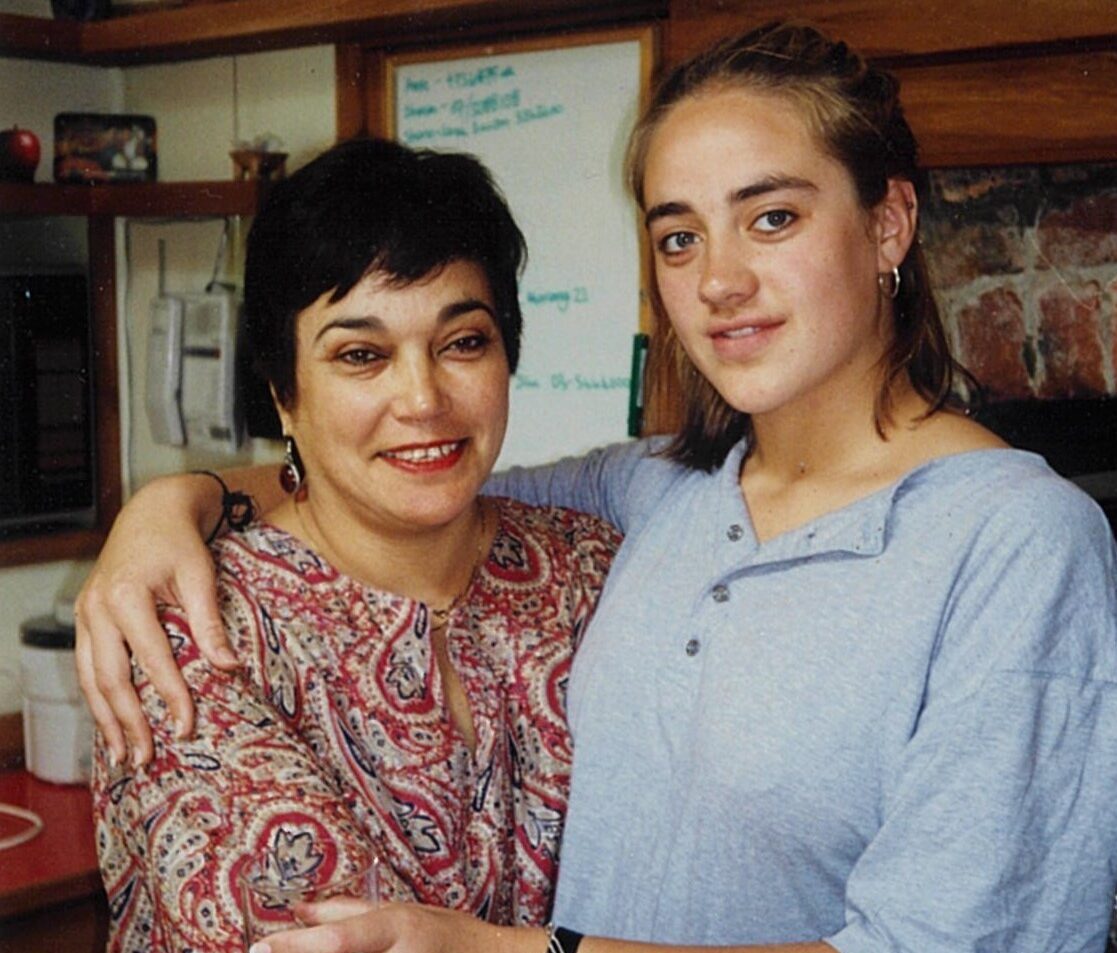
Today has a note of resonance – it would have been Irihapeti’s 80th birthday.
For many years she celebrated it on the 24th — yesterday — but as she was ever the truth-finder, and asker of questions, in the last few years of her life she discovered it was actually the 25th.
She was 57 when she died in 2003. Too young. As I get closer to the age when she died, myself, I see her differently: as we all do as our parents age and leave us.
Which brings me to my humble moment today. I stand here not as an academic, nor as a nurse, nor as someone who can speak to policy or curriculum — but as a daughter growing up with Irihapeti.
She wouldn’t allow my brother Peter and I to call her mum: as a feminist she felt it objectified her. Mummy or mama was fine for a while but it got weird. So from about 14-years old, we simply called her by her name, our great grandmother’s name – Irihapeti.
Find our story on the refreshed kawa whakaruruhau guidance here.
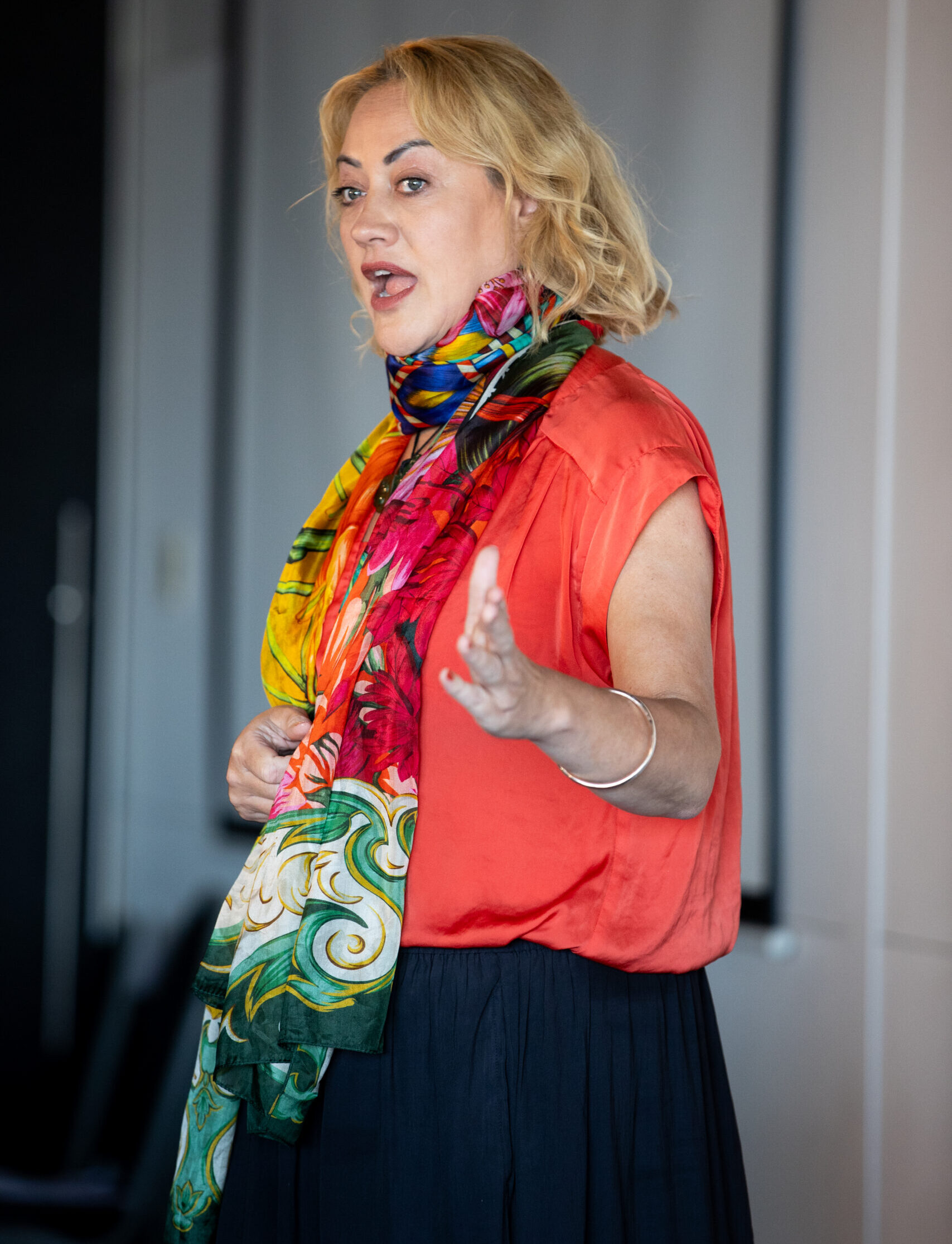
Growing up in the 80s and 90s with Irihapeti as a mother, meant growing up inside a movement.
Kawa whakaruruhau or cultural safety was not an abstract theory in our house. It was at the kitchen table. It was hearing her educate nurses while breathless with chronic asthma on her 40th hospital admission that year, and cringing at ‘why can’t you be like all the other mothers?’.
It was overhearing her being grilled by Kim Hill. It was waving her off to something called a select committee hearing. Having her in other parts of the country three to four times a week, while other mothers attended school sports days or recitals.
It was in the late-night phone calls. The stream of people who came to seek advice, or offer it — solicited or otherwise.
It was in the piles of papers and books.
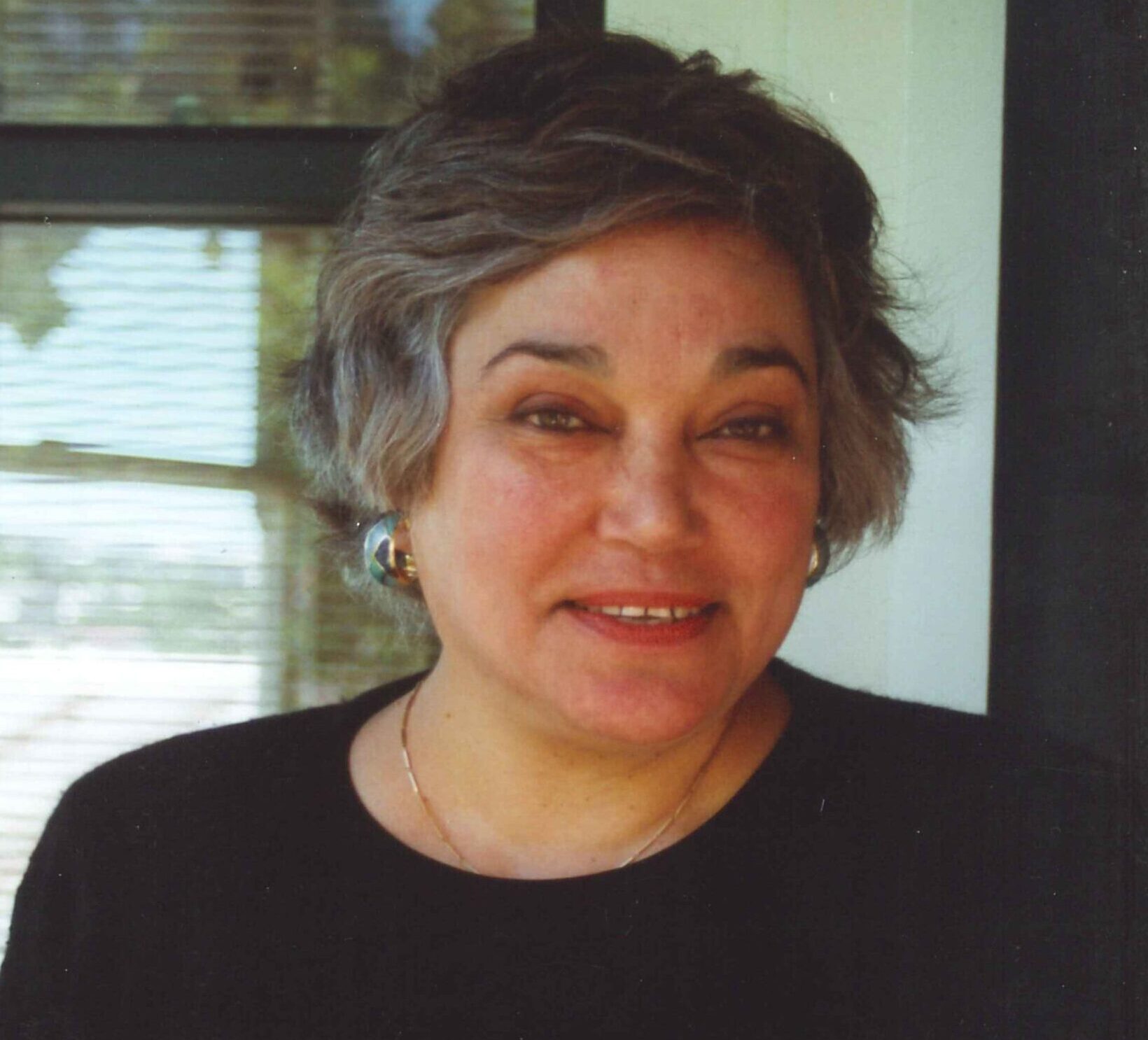
It was in the long silences when the weight of resistance sat heavily on her shoulders.
We knew, somehow, she was far from being like other mothers.
As teenagers, my brother and I didn’t fully understand the scale of what she was taking on. We just knew that what she was saying was unsettling the system.
She was asking nursing, and the health system, to look at itself. To confront power. To confront racism. To accept that safety is not defined by the professional — but by the person receiving care.
That was radical. And it was threatening. Even our friends were a bit scared of her, until they met her and were immediately charmed and fed!
“What we didn’t know until years later was that while she was standing firmly and publicly in that space, she was also receiving death threats — threats to her children.”
However like us, she tested her thinking as it evolved and she relished young peoples’ input into what she thought, what they thought and how it could inform the philosophy. She never patronised us, but encouraged us always to enquire and ask ‘why’ and be able to contribute something useful to a discussion.
What we didn’t know until years later was that while she was standing firmly and publicly in that space, she was also receiving death threats — threats to her children. To us. Such was the power of the work she was doing, the disruption — she was seriously disturbing the status quo.
She never told us at the time. She carried that alone. She protected us from the fear, even as she absorbed it herself. Yet she remained a dedicated, though profoundly busy, loving mother and aunt.
But we did see the toll. We saw the exhaustion. We saw her health decline. We saw the hurt when her work was misrepresented.
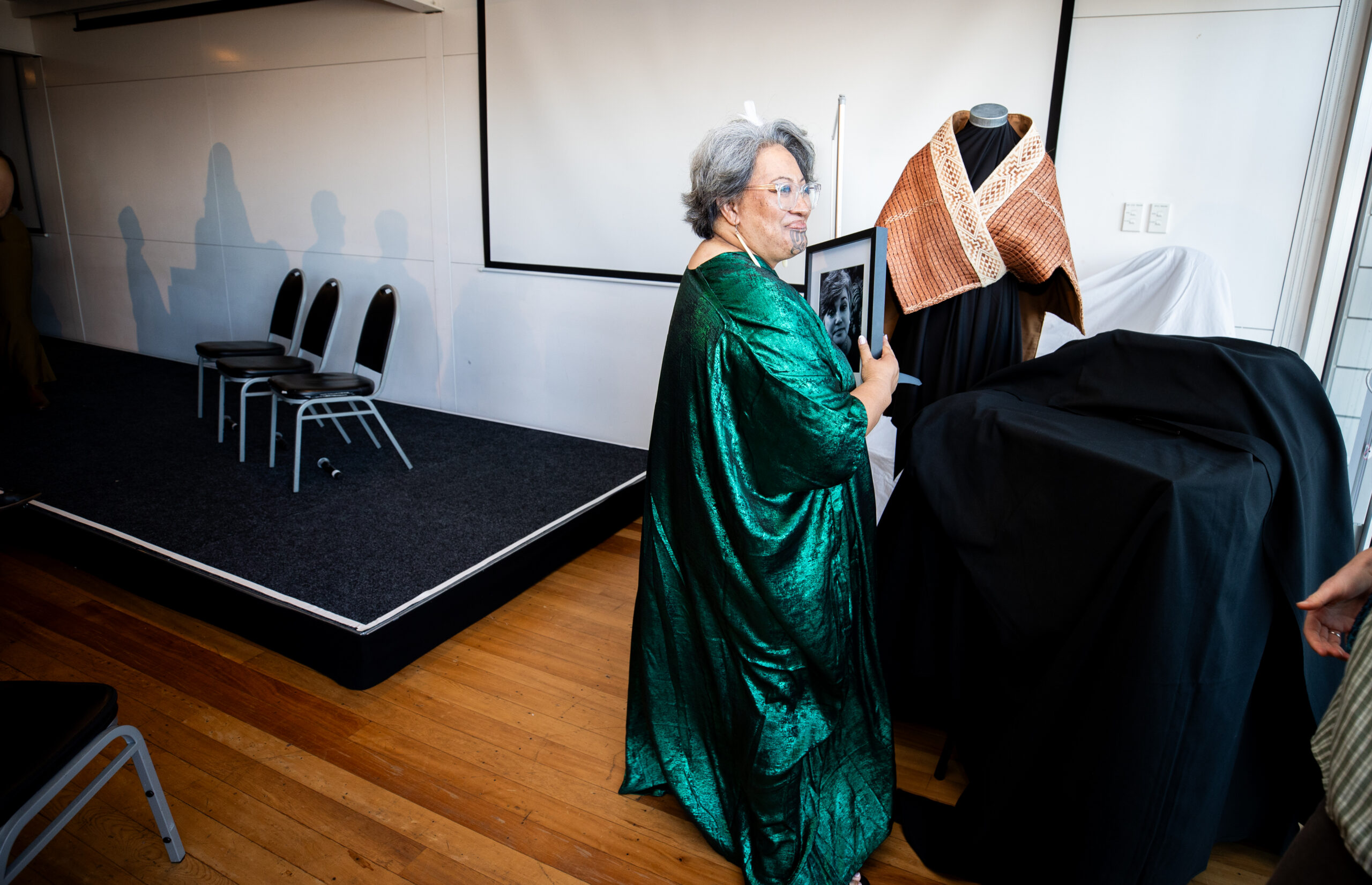
We saw the loneliness of leadership. Her frustration at newspaper articles that pitched Kiri Te Kanawa as a Good Māori, and her as a Bad Māori.
We also saw her unwavering clarity. She was crystal clear in writing and the spoken word, professionally and personally. And she never wavered from the belief that kawa whakaruruhau or cultural safety was about dignity. About accountability. About ensuring that Māori — and all people — could receive care without being diminished.
At home she was our mother – warm, fierce, funny, uncompromising. In the world she was courageous. She held her ground with integrity, not aggression. With intellect, not ego. She wasn’t fighting individuals — she was challenging structures.
Yet as a woman, a mother and a taua – she made sure that Peter and I would prevent our children, her mokopuna, (she only briefly met the first of four) from growing up around some distant cold, calcified, statue-like image of her.
Instead, they would know that she loved music, Spike Milligan, art, food, flowers, bad jokes, colour and flapjacks with lots of whipped cream.
“At home she was our mother – warm, fierce, funny, uncompromising.”
By speaking today I hope Irihapeti remains to some degree a real person, not deified by history but as a registered nurse who came from a legacy of unjust health outcomes in her own family and who wanted something better for everyone, simply starting with her own people because they were suffering the most.
Today, to see cultural safety refreshed and reaffirmed with integrity — not reduced to a checklist, not softened into something comfortable — fills our whānau and Irihapeti’s friends and intellectual supporters, with immense pride.
Because this was never about compliance. It was about transformation. It was about shifting power so that those receiving care define what safe means.
As her children, we carry both the memory of the cost and the certainty of the legacy. The cost was real. But so is the change.
Irihapeti stoically believed that discomfort was necessary for growth. That justice required courage. And that aroha and accountability could sit side by side.
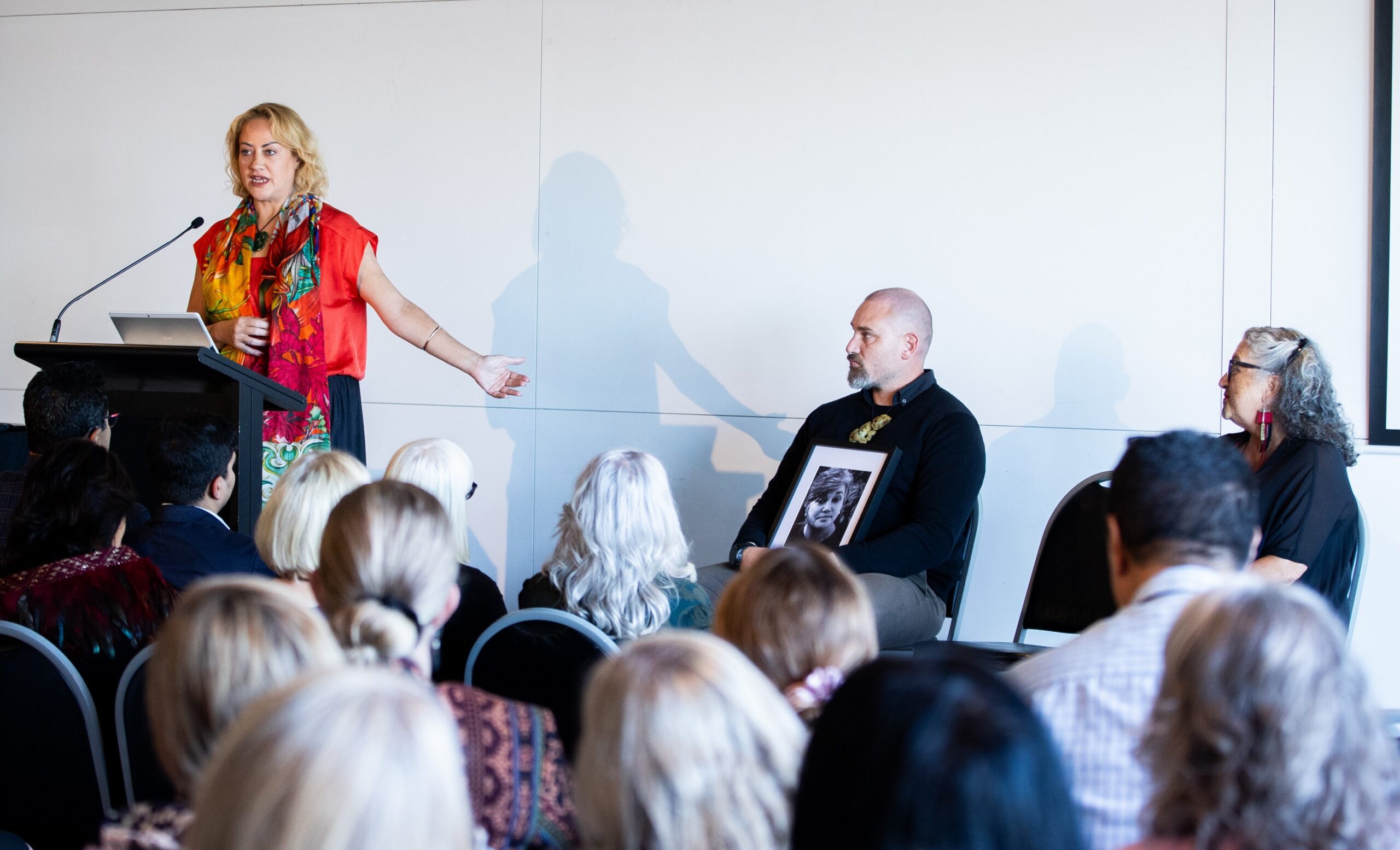
We are so proud of her. And we are deeply grateful to see her work continue — not as history, but as living practice.
To those who helped Irihapeti create and birth kawa whakaruruhau, aku mihi. To those who kept it alive once she was not, aku mihi. To those who have now given it new refreshed mauri, aku mihi.
To all involved, thank you.
- Pirimia Burger, Ngāi Tahupōtiki, Rangitāne, is a deputy chief executive at Te Taura Whiri i te Reo Māori.