


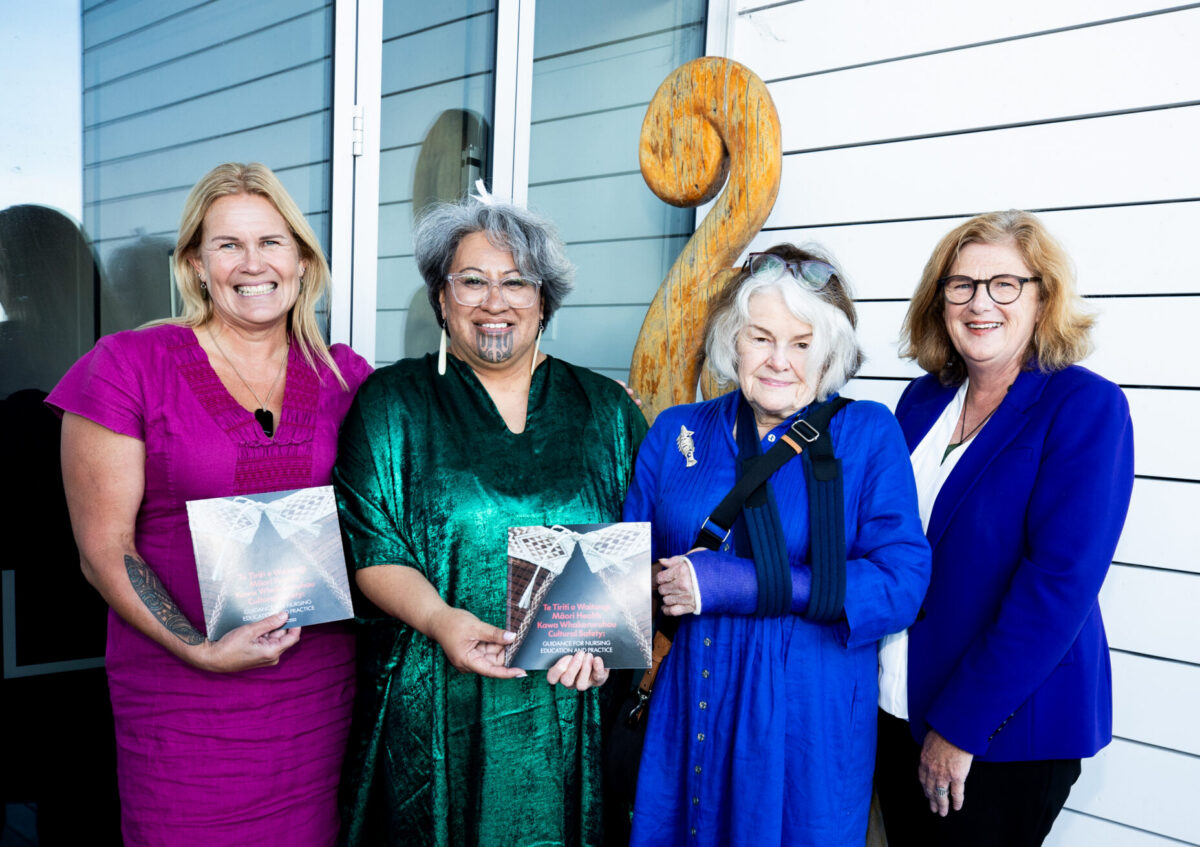
The New Zealand Nursing Council has “breathed life” into kawa whakaruruhau, launching a revamped guidance document that draws Te Tiriti and Māori health to the fore.
Engari, ka tae mai tā rātou whakahou i te mahi a te tapuhi rongonui, kaiako noki Irihapeti Ramsden i te wā tahi ka hokia te paoro o te riri heahea o mua, i whiuwhiu mai ki te pānui tuatahi, i whakaputaina 34 tau ki mua.
However, the update of pioneering mahi by nurse and educator Irihapeti Ramsden arrives just in time to face echoes of the backlash to its original publication, 34 years ago.
Kua whakarewa te kaunihera, te rōpū whakamatua mō ngā tapuhi, i Te Tiriti o Waitangi, Māori Health, Kawa Whakaruruhau, Cultural Safety: Guidance for Nursing Education and Practice i te Pēpuere.
Nursing regulator, the council launched Te Tiriti o Waitangi, Māori Health, Kawa Whakaruruhau, Cultural Safety: Guidance for Nursing Education and Practice in February.
Kua whakahoungia te putanga o mua, i whakaputa i te 2011, ā, kia whakatō pūmau i Te Tiriti hei tuapapa o te hauora Māori, te kawa whakaruruhau me te ahurea haumaru.
It updated the previous cultural-safety edition, published in 2011, and entrenched Te Tiriti as the foundation of Māori health, kawa whakaruruhau and then cultural safety.
‘So what we really needed to do in this guidance was come back to the real intent – and it was kawa whakaruruhau.’
Ka kī te kaiwhakahaere o te kaunihera tapuhi, Waikura Kamo, kua tīmata tā rātou mahi i te 2018 i muri i tā ngā rangatira tapuhi wero kia whakapiki i tā rātou mahi mō te hauora Māori me ngā tapuhi.
Nursing Council kaiwhakahaere Waikura Kamo said work on the guide began in 2018, after the council faced a challenge from Māori nursing leaders to do better for Māori health and nurses.
Nō taua wā, i kōrerotia e Kamo me ōna hoa mahi ki te “manomano” o ngā tapuhi e pā ana ki te ahurea haumaru me te kawa whakaruruhau — ā, ka kitea ngā whakaaro me ngā māramatanga tino rerekē puta noa i te motu.
Since then, Kamo and colleagues had talked to “thousands” of nurses about what cultural safety and kawa whakaruruhau meant to them — and discovered patchy and wildly different understandings existed around the motu.
Ko te pānui tohutohu i puta he “taonga” i te taumata teitei rawa mō ngā tapuhi katoa, hei tautoko i ā rātou mahi, i te taha noki o ngā āheinga matua, ngā taumata akoranga me ngā ture whanonga.
The resulting guide was a high level “taonga” for all nurses, to support their practice, alongside its more specific competencies, education standards and code of conduct.
Hei whakataurite ki te putanga tohutohu 2011, ka arotahi te pānui hou ki te kawa whakaruruhau i raro i te kaha pā tonu mai a ngā tautika-kore Māori, hei tā Kamo ki Kaitiaki.
Compared to the broader 2011 cultural safety guidelines, the updated guide refocused on kawa whakaruruhau in the face of persistent Māori health inequities, Kamo told Kaitiaki.
“Ki tōku whakaaro kāhore anō tō tātou porihanga i te rite — i taua wā — mō te kawa whakaruruhau, ā, koia rā i matea te whakawhānuitanga o te ahurea haumaru mō te katoa kē,” kua kīia e ia.
“I don’t think society – definitely not at that time — was ready for kawa whakaruruhau and I think that’s perhaps influenced why it had to be general for cultural safety for everyone,” she said.
“Nō reira, kua tino hiahia tēnei putanga kia hoki anō ki ngā whāinga tūturu — koia rā te kawa whakaruruhau.”
“So what we really needed to do in this guidance was come back to the real intent – and it was kawa whakaruruhau.”
Hei tā te kaiwhakahaere o te NZNO, hei tā Kerri Nuku ki Kaitiaki, ka whakakāngia anō te kaupapa e ngā tohutohu hou, “inarā hoki i tēnei wā”. “Ā, ka tino whakatōngia ki roto i ngā āheinga mahi me ngā ture whanonga mō ngā tapuhi noki.”
NZNO kaiwhakahaere Kerri Nuku told Kaitiaki that the new guidance was about reigniting the kaupapa, “especially at this time”. “And deeply embedding it into the competencies of practice and also into the code of conduct for nurses.”
Me te aha he whākaha ake i tāna tū, ā, “kaua rawa he ngutu kau”, kua kī ia.
It was about amplifying its position and “not just making it lip service”, she said.
Kua kīia e Nuku ko ia rāua ko Sonia Rapana-Hawkins i atawhai “i roto i tētahi wā roa whanake” i te mahi whakahou — ā, i te whakahē rāua i ngā whakaaro o mua o te kaunihera.
Nuku said she and researcher Sonia Rapana-Hawkins helped “over a long period with the development” of the refresh — and had been critical of the council’s old position.
‘We ain’t got many kuia left to look after and we’ve got to know how to look after them.’
“I te waimehatia ā Irihapeti Ramsden mahi, karekau i tino rorotu ki tō rātou kitenga, ā, ki taku whakapae kāhore i tino mōhiotia te kawa whakaruruhau me ōna rerekētanga ki te ahurea haumaru.”
“Previously the work of Irihapeti Ramsden was diluted and wasn’t seen to be popular, and I think largely there was a lack of understanding around what kawa whakaruruhau is and the difference with cultural safety.”
‘He whakaute noa iho’, ka kīia e te tapuhi/’It’s about respect’, says long-time nurse
E ngākau whakapuke ana te tapuhi hauora tuawhenua i Te Tai Rāwhiti a Gina Chaffey-Aupouri ki te putanga hou e arotahi ana ki Te Tiriti hei “whakamīharo” — e tino hiahiatia ana i roto i tētahi wā torangapū tino taumaha mō te tangata whenua.
Long-time East Coast rural health nurse Gina Chaffey-Aupouri welcomed the new Tiriti-focused guide as “brilliant”– and much-needed at a politically oppressive time for tangata whenua.
He tino “tūturu ki tō mātou tāngata. Ruarua noa iho ō mātou kuia e ora tonu ana kia atawhai, ā, me mōhio tātou me pēhea taua atawhai.”
It was about “tūturu to our people — [being true to our people]. We ain’t got many kuia left to look after and we’ve got to know how to look after them”.
Ahakoa ka whakararu ngā kupu i ētahi tāngata, ka whakapōhēhē i ētahi atu, rānei, hei tā Chaffey-Aupouri he whakaute noa iho — ā, ka whakakahatia ngā tāngata kia rapu i te atawhai ki ō rātou ake hiahia.
While the words could be triggering or confusing for some, Chaffey-Aupouri said it was simply about respect — and empowering people to be cared for how they wished.
“E rite ana te ahurea haumaru ki tāu i atawhai ai i tō ake pūtahi o te aroha — koia te ara hei atawhai i te tangata i roto i tōna ake ahurea,” kua kīia e ia ki Kaitiaki.
“Cultural safety would be how you care for your loved one — it is how you care for any individual in their culture,” she told Kaitiaki.
“Kāhore he tino uaua ki taku whakapae, engari kāhore i te paku mōhio ahau ki ētahi ara atu i tāku i ako ai — kia manaakitia, kia awhitia, hei noho hāneanea te tangata, hei tino mōhio ia ki ngā āhuatanga hauora e pā mai nei ki a ia.”
“I don’t think it’s difficult, but I don’t know any different to what I’m taught — to manaaki, to awhi, to ensure people are comfortable, ensure people understand what’s happening for them and fully inform them.”
He rite ki te whakahā, mōna.
For her, it came naturally as breathing.
“Ko tāku katoa he whakaruruhau i ngā mōtika o te tangata, tōna whaiwāhitanga me tōna āwhina. He parāoa me te pata noa iho. Koia tōku oranga katoa. He pēnei ki te whakahā noa iho ki ahau.”
“Everything I do is maintaining the protection of their rights, participation and care. That’s just like buttering my bread. It’s my life. It’s how I breathe.”
Mēnā e hiahia ana te tangata ki te noho tonu ki tōna ake whare kaua ki te whare haumanu, ka tae atu Chaffey-Aupouri ki taua whare.
In practice, it meant if someone wanted to be treated at home rather than at the clinic, she would go there.
“Cultural safety would be how you care for your loved one — it is how you care for any individual in their culture.”
“Mehemea kei te hiahia te tangata ki te whiwhi i ōna ake rongoā āpiti atu i ngā rongoā auraki, he tino pai. Mehemea kei te hiahia ia ki te kōrero i roto i tōna ake reo, he pai noki. Koia aua mea katoa.”
“If they want to introduce their rongoā as well as the medicine they use, that’s fine. If they want to use their language, that’s fine too. It’s all that.”
Kei raro e putu ana te tangata whenua i roto i te ao hauora. Engari he paku utu mō Chaffey-Aupouri hei tuku i te mahi tapuhi ahurea haumaru ki ngā tāngata katoa nāna rātou i atawhai hei tapuhi.”
Chaffey-Aupouri said tangata whenua were doing it tough health-wise. But it cost her nothing to practice culturally-safe nursing with everyone she cared for in her role.
“Mōku ake, koia tōku oranga. Hei tapuhi Māori mō ngā tau 46 kua hipa i Te Tai Rāwhiti, koia tōku oranga. E kore rawa e huri ahau i tōku kaupapa, i te āhua o tāku kōrero ki te tangata.”
“For me, it is my life. As a Māori nurse who has nursed for 46 years on the East Coast, it is my life. And nothing will change how I approach, how I talk to people.”
Hari huritau, Irihapeti/Happy birthday, Irihapeti
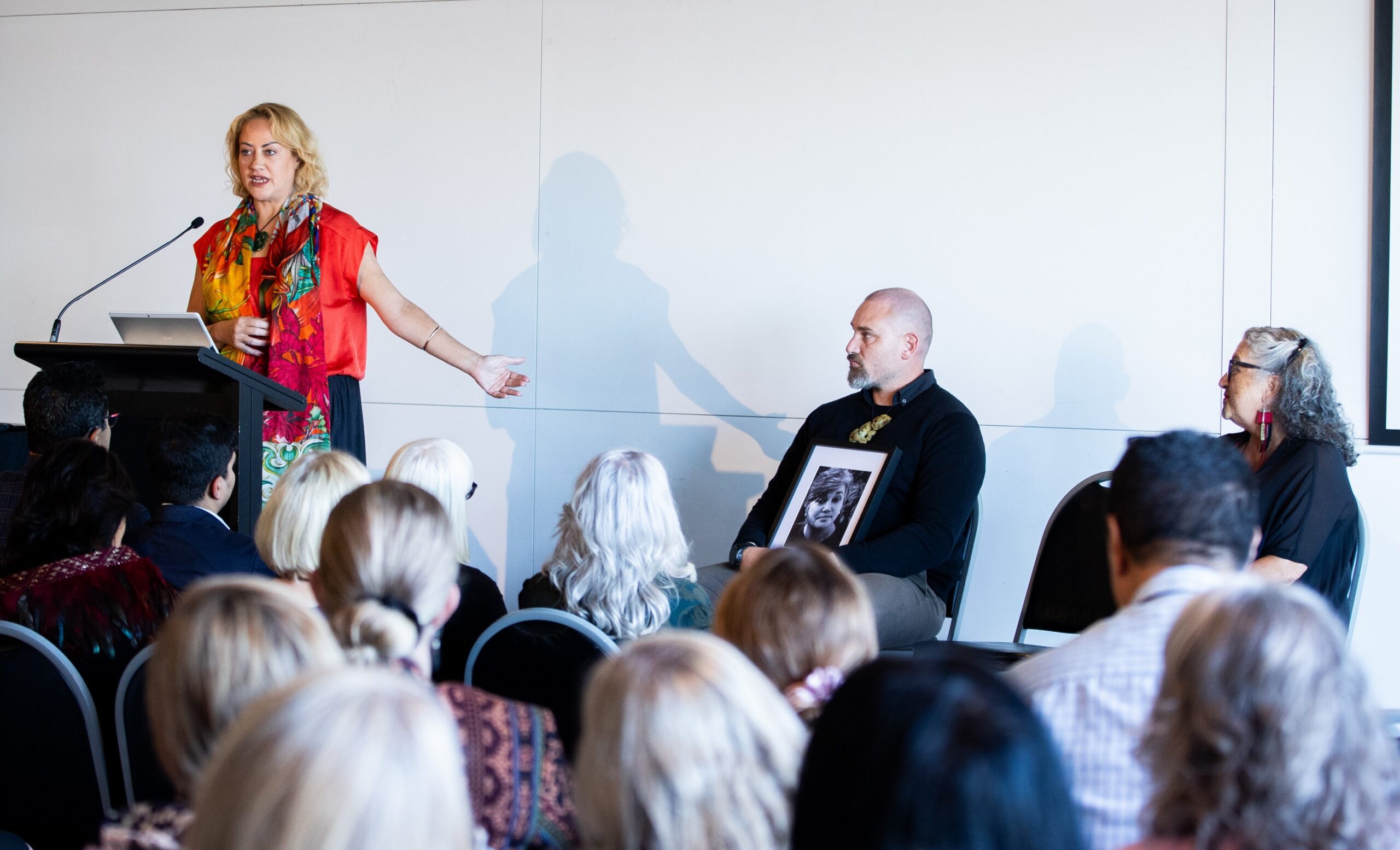
I tū tā Ramsden tamahine a Pirimia Burger hei kaikōrero i te whakarewatanga o te putanga hou, ā, ka kīia e ia ka tau tahi mai te hui i te rā huritau 80 o tōna māma.
Speaking at the launch, Pirimia Burger — Ramsden’s daughter — said the event landed on what would have been her mother’s 80th birthday.
I mate Ramsden nā te matepukupuku i te 2003, 57 tōna pakeke.
Ramsden died aged 57 from cancer in 2003.
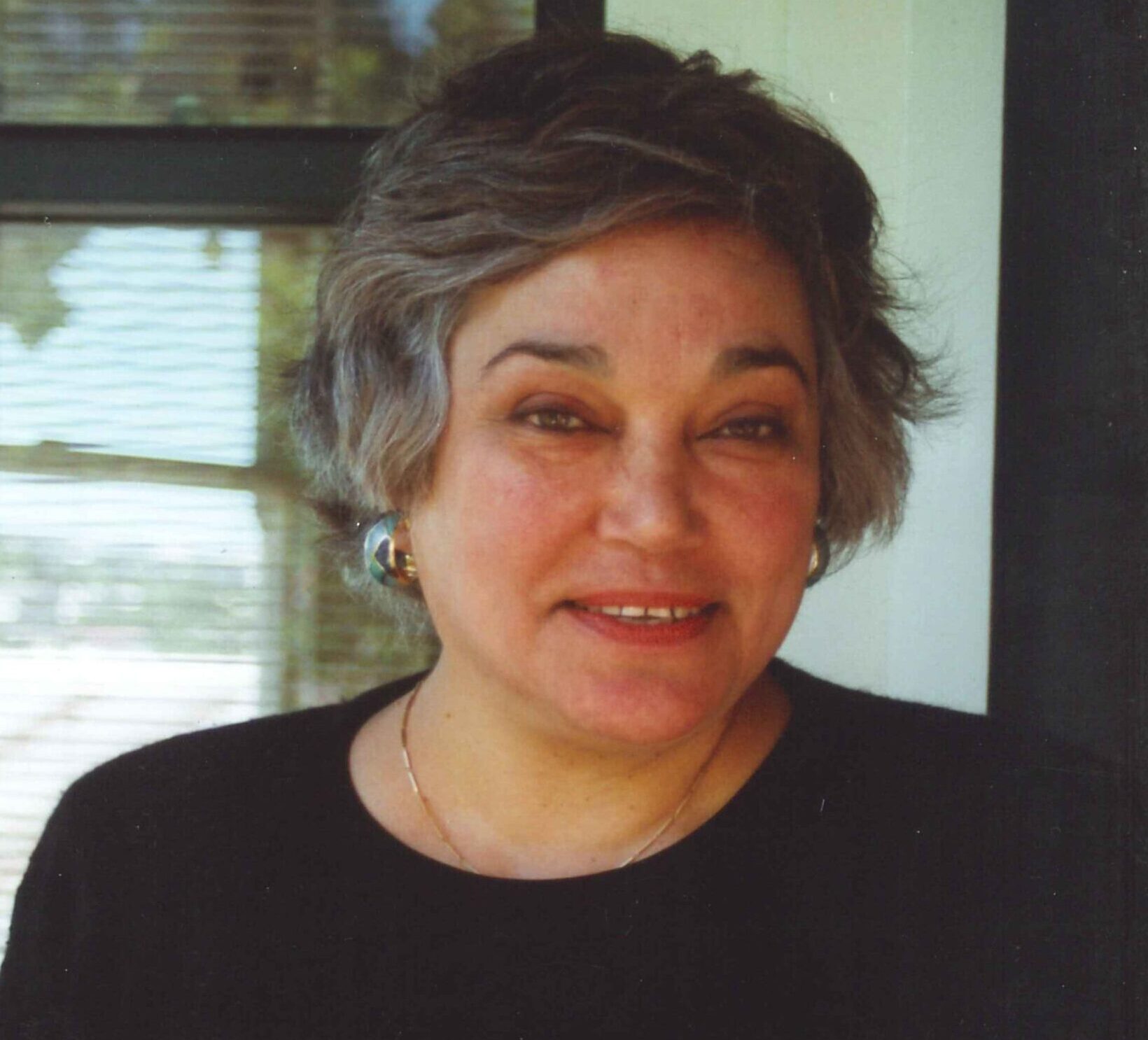
E ai ki Burger, kāhore rawa i mimiti tō tōna māma whakapono ki te kawa whakaruruhau, ahurea haumaru rānei, hei whai i te amaru ki te tangata. Ka whāia noki te papanga, ā, kia āhei ai te tangata Māori – me ngā tāngata katoa — kia whiwhi i te atawhai e kore e takahi i tōna mana.
Burger said her mother never wavered from the belief that kawa whakaruruhau or cultural safety were about dignity. It was, she said, about accountability and ensuring that Māori — and all people — received care without being diminished.
Kua harikoa a Burger ki te kite i te whakatūturu anō me te whakahou noki nā runga i te pononga i te kaupapa — “tē whakaitia ki tētahi rārangi tirotiro, tē whakangāwaritia ki tētahi mea hāneanea noa iho”.
Burger was glad to see the kaupapa reaffirmed and refreshed with integrity — “not reduced to a checklist, not softened into something comfortable”.
“Nā te mea, karekau tēnei mahi kua kimi i te whakaaetanga noa iho. Ka whāia te whakaumu kē. Kia tuku te mana ki a rātou e whiwhi atawhai ana hei tautohi i te tikanga o te haumaru mō rātou anō.”
“Because this was never about compliance. It was about transformation. It was about shifting power so that those receiving care define what safe means.”
He rite tonu te mahi heahea/Same old backlash
I tēnei wiki ka whakahē te māngai hauora o te Pāti ACT a Todd Stephenson ki ngā herenga Tiriti, tautika noki e marohi ana i tā te kaunihra tapuhi Pānui Ture Whanonga hukihuki.
This week, ACT MP Todd Stephenson, the party’s health spokesperson, criticised proposed Tiriti and equity obligations in the nursing council’s draft Code of Conduct.

Ka tukua e te pukapuka te kawa whakaruruhau me te ahurea haumaru hei ārahitanga — e tohutohu ana i ngā tapuhi kia pānui i te pukapuka hou mō te roanga atu o te mōhiotanga.
The code cites cultural safety and kawa whakaruruhau as guidance — directing nurses to the newly-updated document for more information.
I roto i ngā panoni maha ki te putanga 2012, ka whakakaha ake te pānui ture i ngā herenga Tiriti, ā, ka titiro ki ngā pānga o te tāmitanga. E tae rā anō ana ōna paerewa e marohi ana ki ngā hiahia ki te tautīnei i te mana, te wairua, me te whakapapa i ngā pāhekoheko tapuhi.
Amongst a raft of changes from the 2012 document, the draft code beefs up Tiriti commitments and addresses the impacts of colonisation. Its proposed standards include an expectation to uphold mana, wairua and whakapapa in nursing interactions.
Ka kī Stephenson i roto i ngā rongo kōrero me whai ngā ratonga hauora i te hiahia o te tangata, kia kaua e aro ki te momo ā-iwi.
Stephenson said in media reports that health services should be driven on need, not race.
Hei tā Nuku, he kore mātauranga, mōhiotanga noki ō tā Stephenson kōrero. Ka aro pū ia ki ngā whāinga me ngā whakapono tōrangapū kē, kāhore ki te taurite-kore i roto i te pūnaha, “ā, me te urupare pai ake i ngā tūroro mā te mōhiotanga me te ahurea haumaru”.
Nuku said his claims lacked knowledge and understanding. They were more political and ideological than reflecting a true understanding of the power imbalance within the system, “and how we can respond better to patients by understanding and being culturally aware”.
I te mutunga iho, ka tautoko ia i te whakahou i ngā tohutohu, he mahi tērā nā Ramsden i whaihua puta noa i te ao.
Overall, Nuku said she was glad the council had refreshed the guide, which covered mahi by Ramsden that was adopted internationally.
“He whakamīharo tā te kaunihera tuku i te manawa ora ki tēnei kaupapa. Ka taea e rātou te whakahokahokai tonu i te kaupapa? Āe rā. Ki tōku whakaaro me tipu tonu tēnei kaupapa hei hāngai ki ngā panoni a te taupori, engari me whai tonu i te ara tika.”
“I think it’s great the Nursing Council has breathed life into it. Could it have gone further? Absolutely it could have. I think the beauty of this is that it has to keep evolving as our populations change, but without losing the integrity.”
Hei tuarongo/Background
I hangaia e te kaiako tapuhi, a Ramsden te kaupapa o te ahurea haumaru i te ngahurutau 80s. E arotahi ana tāna momo — kawa whakaruruhau — ki ngā iwi Māori. Engari ka waimehatia taua kaupapa ki te cultural safety noa iho nō mūri mai i ngā kaha amuamu a te umanga tapuhi me te marea whānui, hei kaupapa ōkawa mō te kaunihera.
Nursing educator and pioneer Ramsden developed the concept of cultural safety in the 1980s. Her version — kawa whakaruruhau — was focused on Māori specifically. But after a 1990s backlash from the nursing profession and public, it was watered-down to a broader cultural safety, which was adopted by the Nursing Council.
Kua whakahou te kaunihera i te putanga 2011 kia arotahi ake ai ki Te Tiriti hei urupare ki te tirotiro a te Te Rōpū Whakamana i Te Tiriti ki te ratonga hauora me ōna putanga nā tērā i kite i te kaikiri toronaha me te tautika-kore Māori taikaha o te hauora.
The council began revising its 2011 guidelines to be more Tiriti-centric, after a 2018 Waitangi Tribunal inquiry into health services and outcomes found systemic racism was contributing to persistent Māori health inequities.
I tuku kōrero ētahi tapuhi Māori i roto i te tirohanga. I tautokona ngā kitenga e te kaihautū hauora o mua Ashley Bloomfield.
Several Māori nurses gave evidence as part of the inquiry. Its findings were acknowledged by then-director general Ashley Bloomfield.
Tātai pūmanawa hauora/ Health credentials
Ka kīia e te māngai hauora o te Pāti ACT e matea ana tētahi arotahi ki te hiahia noa iho kaua ki te momo ā-iwi i Aotearoa. Hei tā te haurongo ACT o Stephenson ko tōna tūranga rāngai hauora inātata nei ko te tū hei kaihautū o te tūhono me te wheako o te tūroro i Johnson & Johnson i Ahitereiria me Aotearoa. I ako ia hei rōia i te whare wānanga.
ACT’s health spokesperson said health in New Zealand should be driven by need, not race. According to his ACT Party bio, Stephenson’s most recent health-sector experience was as director of patient engagement and experience for Johnson & Johnson in Australasia. He studied law at university.
- Translated by Joel Maxwell