



Over the past two weeks, due to short staffing, hospital capacity pressures and ongoing department presentations, I have worked more than 94 hours — approximately 30 hours over my contracted FTE.

That has meant working three 12-hour shifts and one 10-hour shift, all during afternoon shifts — the very periods when demand and presentations are often at their peak.
During these shifts, I have watched our emergency department reach capacity, with the waiting room full and staff stretched to their limits.
But behind those numbers are real people. And there is a human cost.

For me, that cost is my whānau and, most importantly, my child.
I often only see my son in the morning before he goes to daycare — and sometimes that depends on whether I can wake after an exhausting shift. I miss the simple moments that should be part of everyday family life: the “welcome home,” “how was your day?”, and simply being there when my child gets home.
He gets home approximately 30 minutes after I have to leave for my next shift.
I am incredibly grateful and blessed to have my whānau around me during this time. They step in, pick up the pieces and keep everything going. At times, it feels like they are essentially raising my child while I am at work trying to help keep the system moving.
And I want to be clear — I absolutely love my job.
There is enormous privilege in caring for people when they are at their most vulnerable. It is rewarding and meaningful work, and I am proud of what I do.
But loving the job does not make the current situation sustainable.
The mental strain, exhaustion and anxiety that my colleagues and I are experiencing are becoming increasingly difficult to ignore.
From my own experience, I walk into the department and see it immediately.
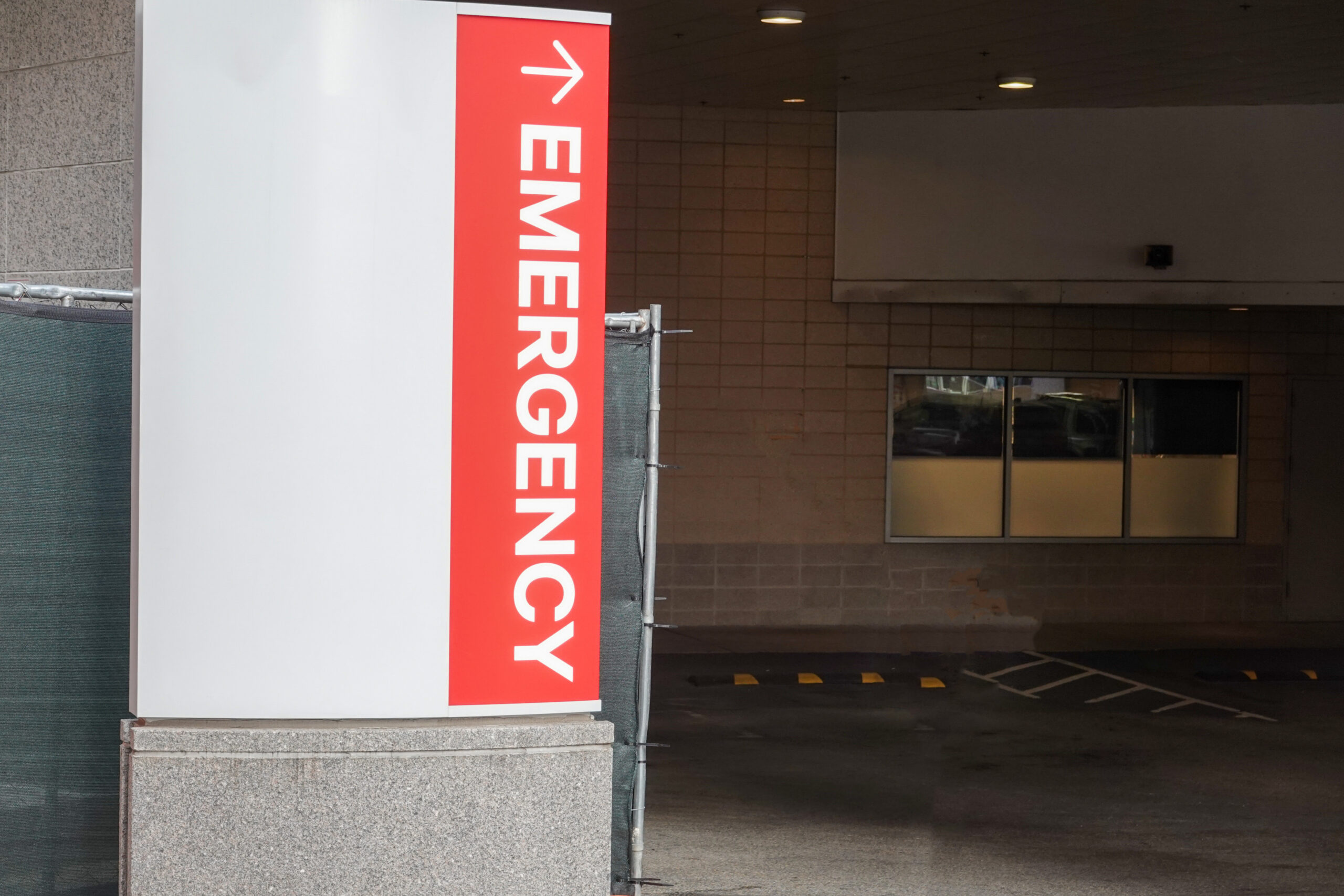
Morale is low. People are exhausted. Minds are racing. Staff are running on empty.
We are operating at the limits of what is sustainable. And this is not okay.
Health-care workers cannot continually be expected to absorb the consequences of short staffing, increasing presentations and limited hospital capacity by simply working more hours.
We cannot keep asking exhausted staff to carry an already overloaded system. Because eventually, something has to give.
And I have reached a point where I am questioning my own career choice and wondering what other options might exist — not because I no longer care, but because I care deeply, and I am exhausted.
‘Morale is low. People are exhausted. Minds are racing. Staff are running on empty.’
This is not about blaming individual staff or pointing fingers. It is about acknowledging that the people holding the system together are people too.
We have families waiting for us at home. We have children who need their parents. We need sleep. We need support.
And we need a health-care system that recognises that staff wellbeing and patient safety are inseparable.
When health-care workers are consistently exhausted and stretched beyond safe limits, this is no longer only a workforce wellbeing issue. It becomes a matter of patient safety, staff retention and the long-term sustainability of our health system.

We cannot continue calling it dedication when people are simply being pushed beyond their limits.
Something needs to change. For our patients. For our communities. For our whānau. And for the nurses and other health-care workers who continue showing up, day after day, despite having very little left in the tank.