



Leonie trained as a community nurse in Wairoa in 1969, when we wore white uniforms, stiff caps, red capes and black tights — without ladders! A time when IV fluids came in bottles and pans were stainless steel (and, if you were unlucky, freezing cold). Whilst Leonie originally trained as a community nurse she later became an enrolled nurse (EN).
Leonie came from, in her words, ”a unionist family”. Her Dad was a fitter and turner who she described as a true union man and she joined the New Zealand Nurses Association (NZNA) — the main nurses’ union of the time — straight away.

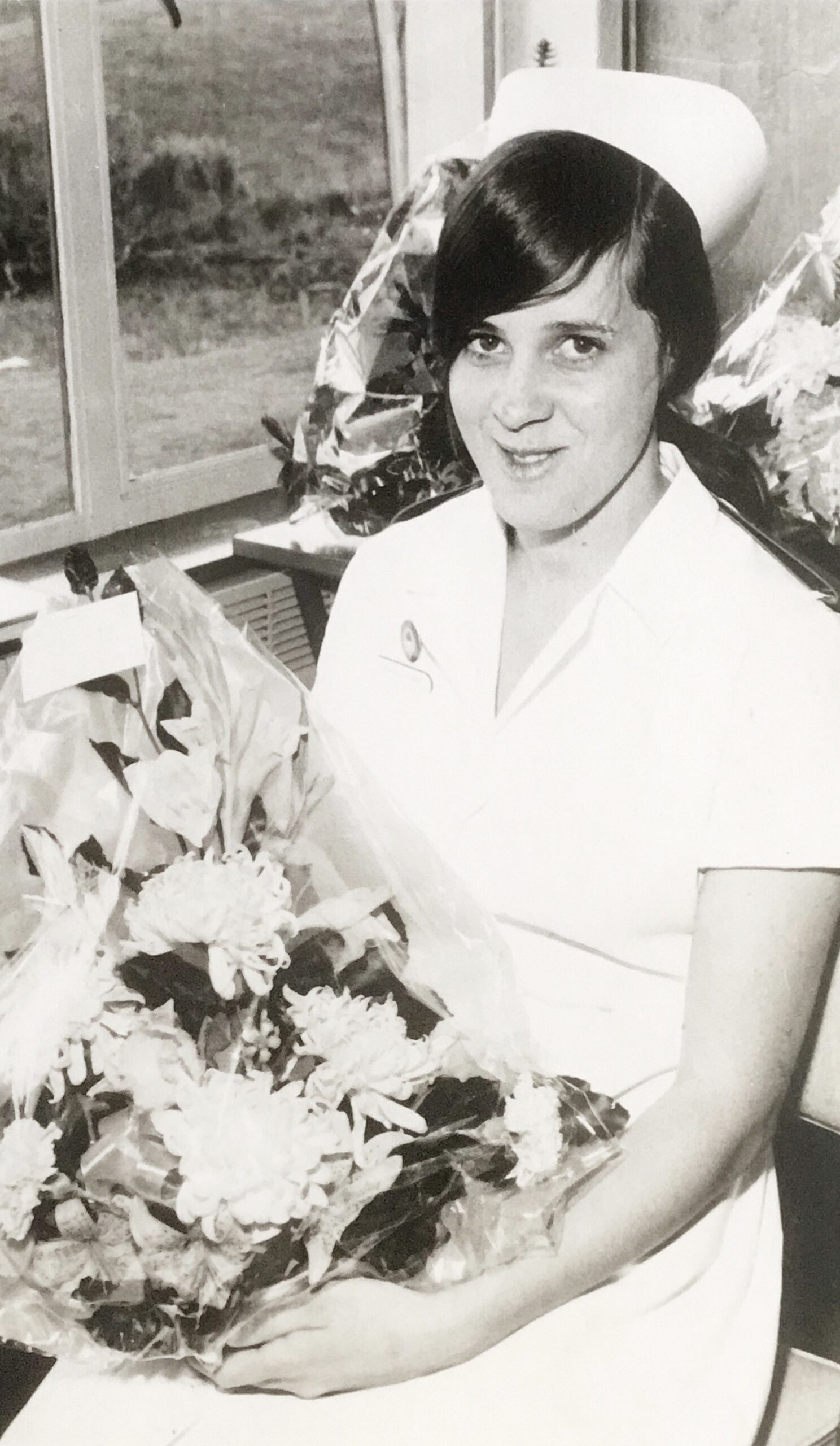
After moving to Kirikiriroa — Hamilton in 1982 she started work at Waikato Hospital where she had a rewarding 34 years. She started in orthopaedics before moving to the gynaecology ward, where she was the only EN. Here she ensured women received the best possible care and, of course, was a fierce advocate for them and their family/whānau.
I first met Leonie when I joined the ward 16 orthopaedic nursing team in the late 1980s, mainly through her gorgeous sister, Jill. Leonie worked in ward 5 and our three ortho ward teams would regularly socialise — often with Leonie in fancy dress with a mad hat or crazy hair.
I knew her to be an ardent supporter of nurses — vocal and determined when she knew something needed to be changed or challenged. It goes without saying that she was a ward union delegate. She wore the title with pride and took the role very seriously.
At that time, as a young mum, I was pretty ambivalent towards activism and unionism but I vividly remember admiring this pocket-rocket EN for her fearless strength, integrity, sense of right and readiness to act for the greater good.
So when I started working at NZNO in 2015 I was not in the least bit surprised to reconnect with her — nor to understand the depth and breadth of her voluntary work with NZNO.
Union activity ‘forbidden’
Let’s now take a step back in time, to better understand what things were like then.
In nursing, union activity was essentially forbidden from the early 1900s. It wasn’t until the 1960s that the profession started to focus much more on the economic wellbeing of nurses and their working environments.
Nurses, too, were starting to recognise the strength of working collectively and actively — a significant shift.
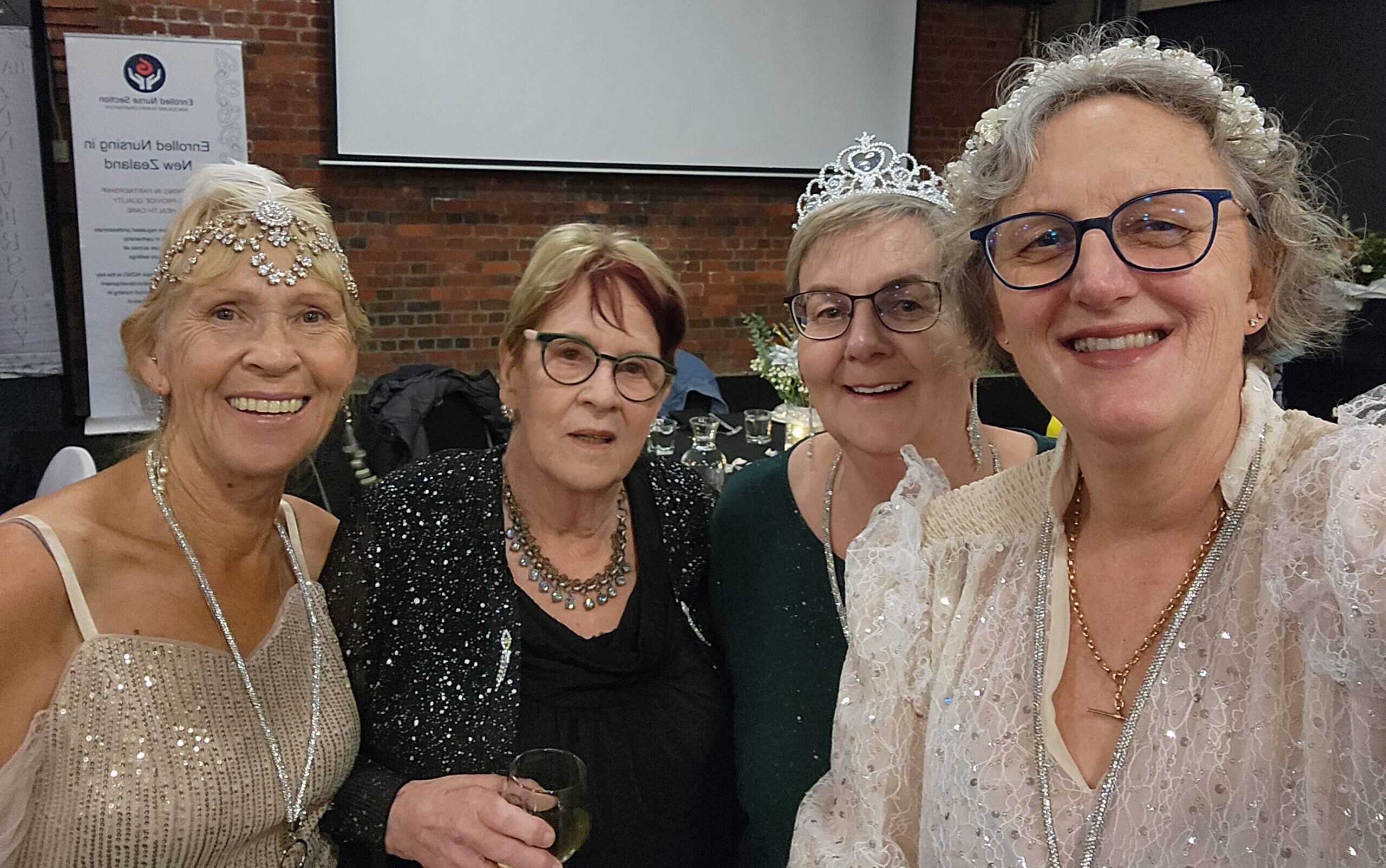
When the NZNA merged with the New Zealand Nurses Union in the early 1990s to become the NZ Nurses Organisation (NZNO), Leonie naturally became an workplace delegate which signalled the start of a very long and productive relationship.
NZNO quickly set up professional groups of nurses around the country who shared specific clinical or specialty work interests — known as sections. It provided a platform, resources, finances and support for members to promote their specialty.
Sections came together both regionally and nationally. Because of her passion for enrolled nursing — and given the drastic changes the EN workforce was experiencing at the time — it was a no-brainer that Leonie would become a founding member of the NZNO Midlands regional EN section before joining the national committee she went onto lead.
By 1993 she was dismayed to witness the end of community nurse and EN training programs around New Zealand. No new ENs would be trained or registered. With true Leonie grit, she very quickly started lobbying for its reinstatement. After a relentless nine-year-battle, EN training did indeed restart in 2002 — something Leonie and the EN section helped to achieve.
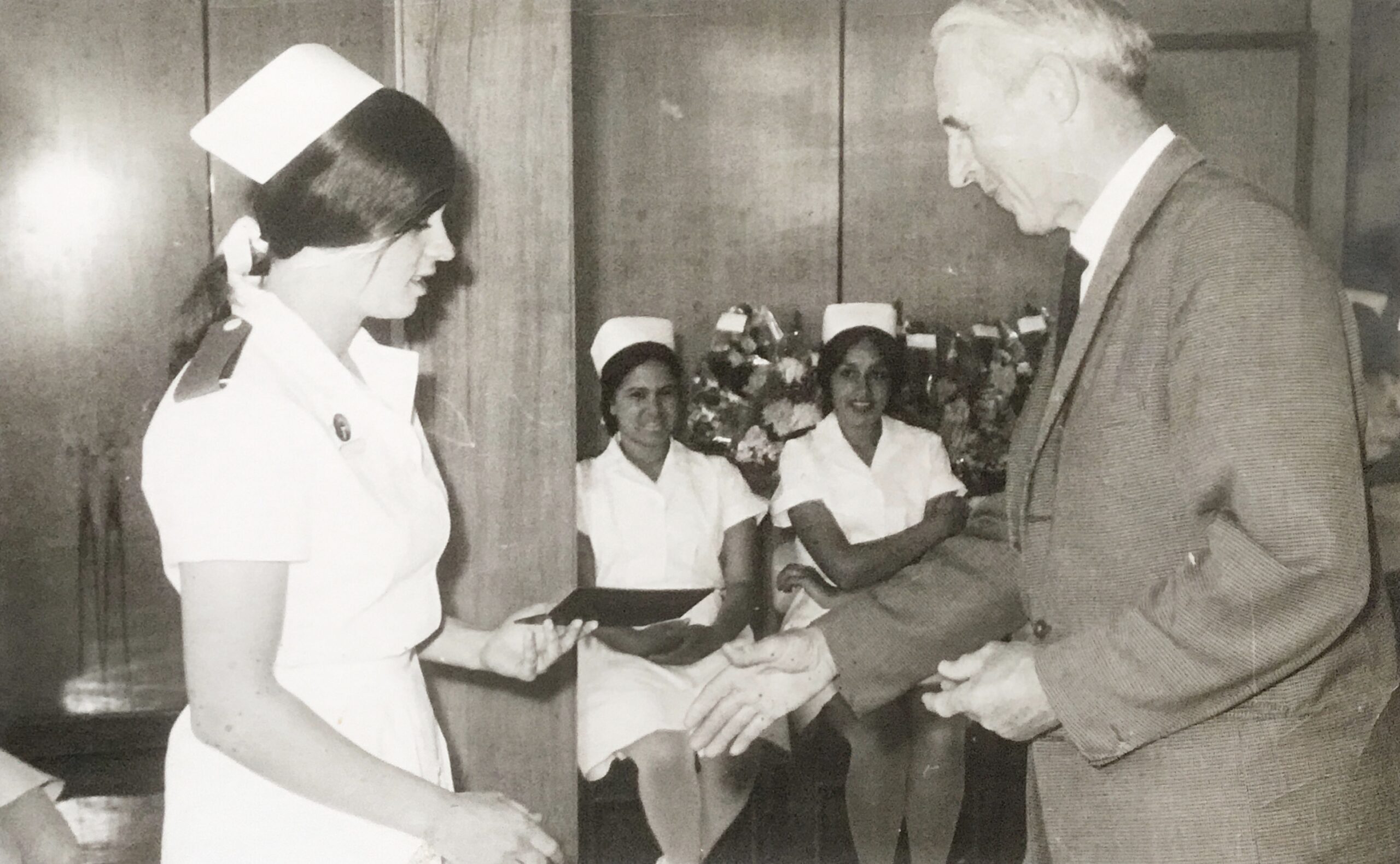
They didn’t stop there. In 2011, after much lobbying from the section, the 12-month EN training programme became an 18-month diploma. Leonie played a significant part of this really important gain.
But she was just getting started. I remember sitting with her across the table from managers during a restructure. That face. That look of sheer determination — stubbornness — comes to mind. She’d say not too quietly to me as we started: “I’m gonna piss them off . . . I’ve got this” — and she did both!
Somehow, though, she never caused offence. She was straight up and professional, always.
Expanded scope
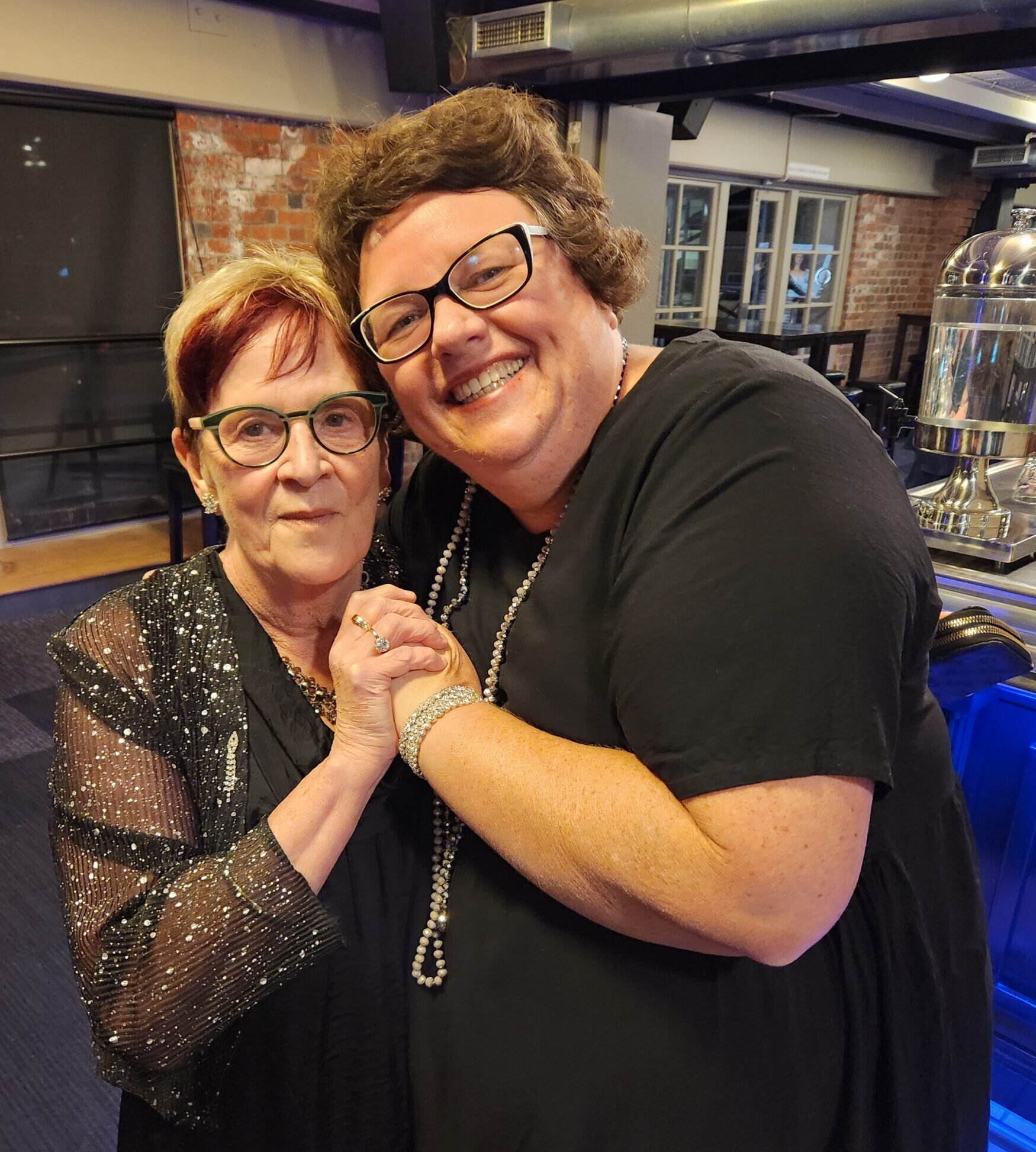
In 2014, Leonie became chair of the EN section and started working with the Nursing Council to update their scope of practice. She and the committee worked tirelessly to ensure the voice of enrolled nurses was heard loud and proud around the motu.
She got to see this work finally come to fruition last year — and, yes, she did celebrate!
Along with her professional advocacy Leonie was an active workplace delegate and part of the NZNO Midlands regional council (now Hamilton — Kirikiriroa local organising group) and now-defunct membership committee to help raise member concerns with NZNO leadership
In 2021, Leonie received NZNO’s award of honour for her passion, dedication and advocacy on behalf of enrolled nurses. In true Leonie fashion she said: “It’s just what you do . . . it’s a team thing.”
Well, let me tell you Leonie — we all know YOU did great things, my friend.
She is still, and will always remain, an honorary member of the EN section.
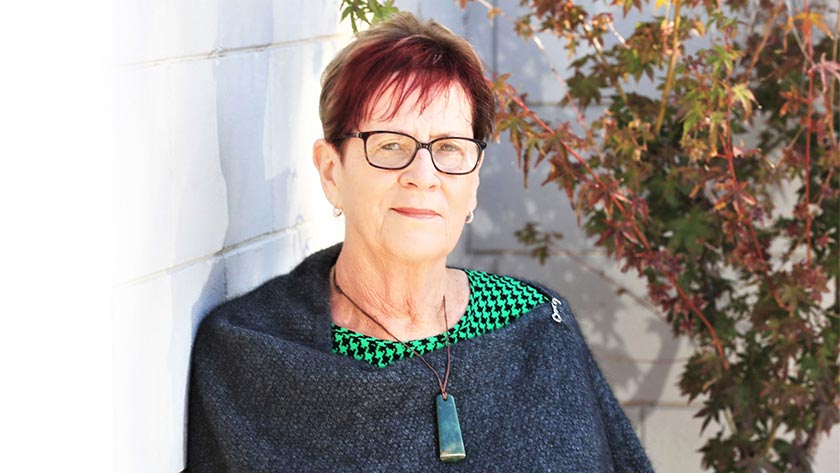
Leonie soon gained a reputation around Waikato Hospital and the region for her passionate advocacy. Anything that needed an EN perspective, Leonie was the go to, and she influenced a significant number of hospital policies.
She became one of the few EN professional development and recognition programme (PDRP) assessors and was also part of the Waikato PDRP council. She was also an EN representative on the Wintec (Waikato Institute of Technolocy) employer engagement group.
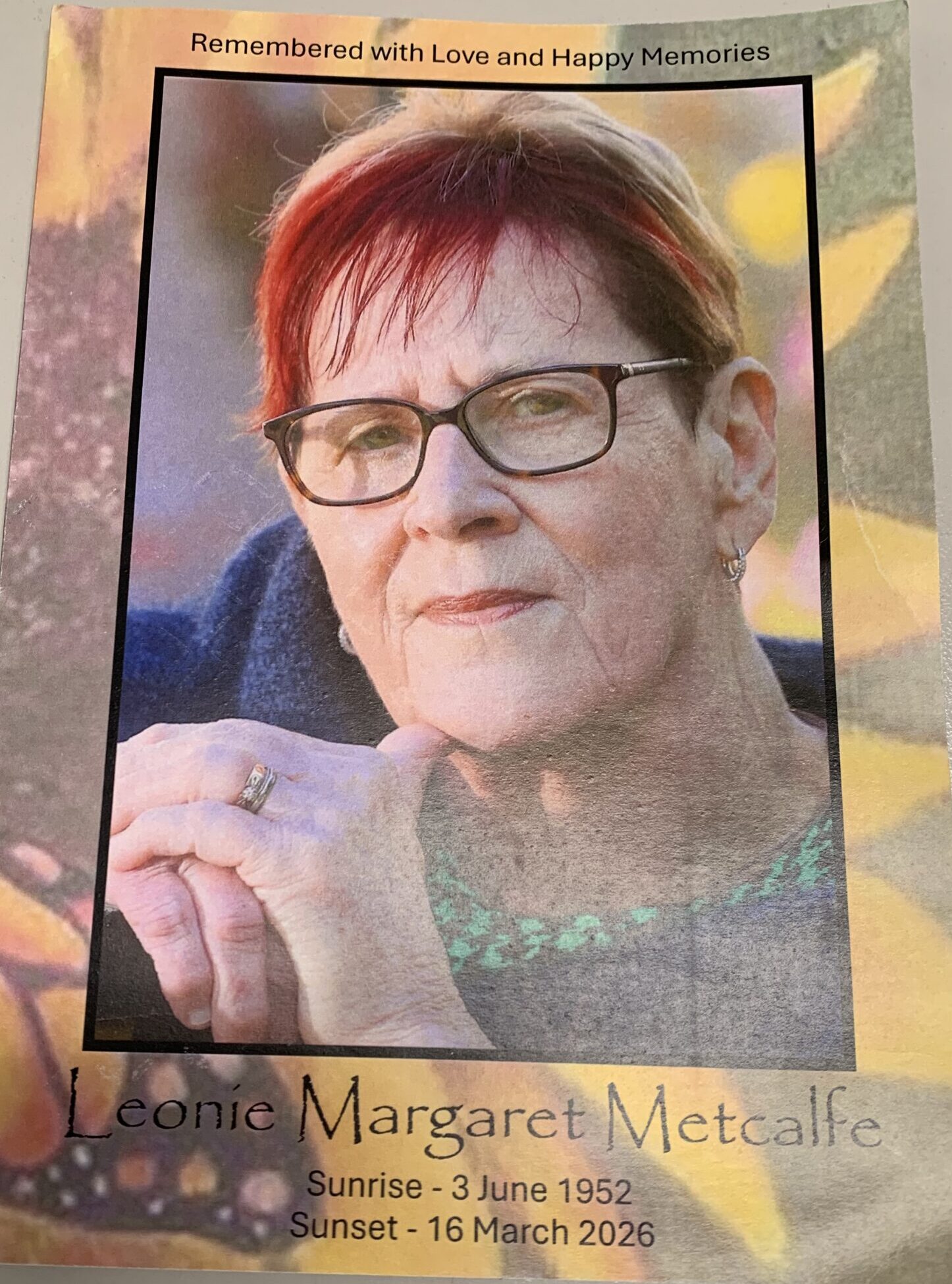
One of her very dearest passions was going to meet new intakes of EN students at Wintec — something we often did together and which reminded me of her true nursing spirit. This resonated in every word she spoke and in her wonderful laugh as she related her (sometimes rascally) EN experiences through the years to the students who hung on every word.
Retiring in 2021 to Leonie didn’t mean slowing down…. Nor did her 2020 diagnosis of mesothelioma — an asbestos-linked cancer.
When she spoke about her disease at the college of respiratory nurses’ symposium in 2024 there wasn’t a dry eye in the house.
She even helped organise the ENS’ conference that year — and the following year was named a “very special diamond” amid celebrations of 60 years of enrolled nursing in Aotearoa.
In the words of ENS chair Michelle Prattley: “What an absolutely phenomenal lady”.
‘An excellent supplier of chocolate’
Even in retirement her activist hat never left her .
Leonie often fronted up to the picket lines. If she didn’t feel like waving a flag or carrying a placard she would be in the background preparing food or pouring tea — and was known for being an excellent supplier of chocolate or “survival boxes” fillled with goodies for those in the thick of strike action.
Boy did we love those boxes — boy did we love her.
Leonie would randomly turn up to the NZNO offices with food, and would always ask about our work, our home life, our whānau, our pets — it was never about her.

Leonie, you will be forever known as a great nurse, a true advocate, a passionate activist and a very very precious friend.
— Leonie Metcalfe died on March 16, 2026. This article is based on a eulogy given by former colleague Annette Bradley-Ingle at her funeral, with edits from co-editor Mary Longmore.