


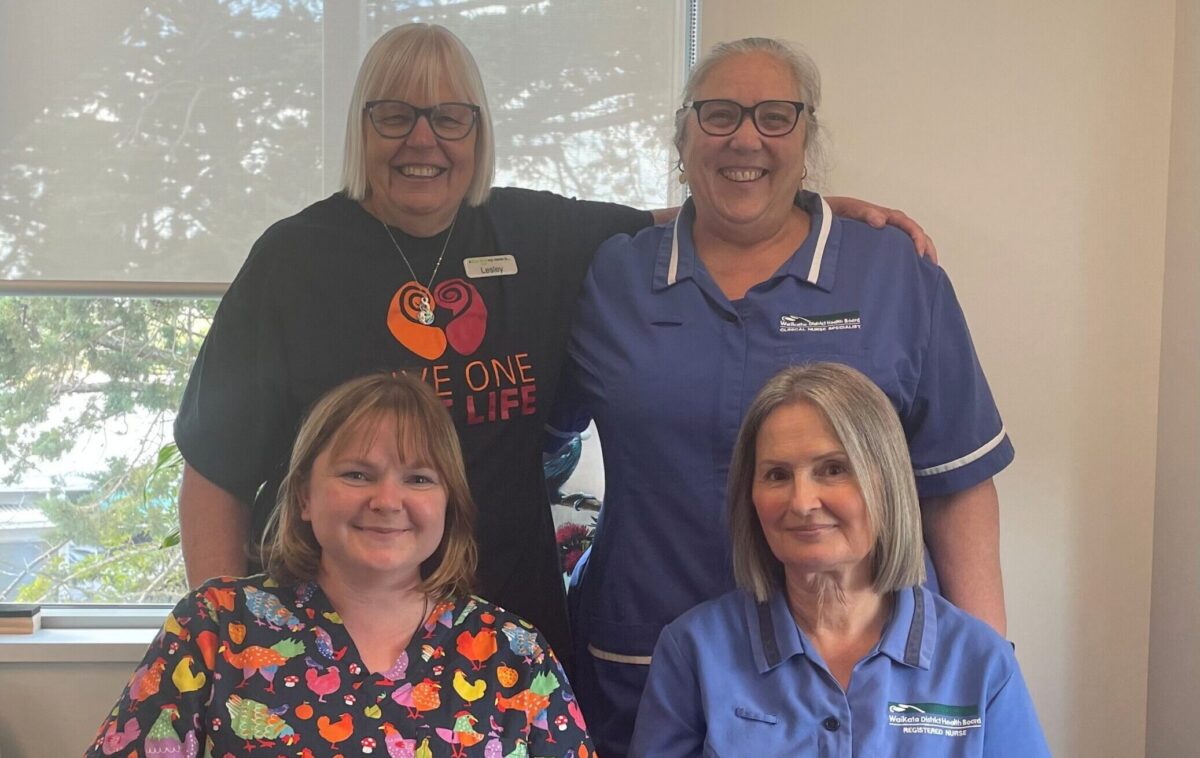
Lesley McCarthy was retiring on November 6, after 49 years and six months in nursing. She was cancelling her NZNO membership. “Thanks for your support and keep up the good work!”
The renal transplant specialty clinical nurse sent the request to the Kaitiaki inbox. Technically it was best sent to the membership department (where it was forwarded) but the chance email had revealed a story that might have gone unmentioned.
Kaitiaki picked up the phone and called McCarthy.
So in her final days in the profession, and reluctant to talk about herself, she agreed to share with Kaitiaki her lifetime spent nursing — how she changed her patients, and how they changed her.
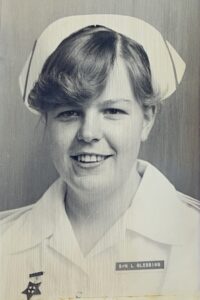
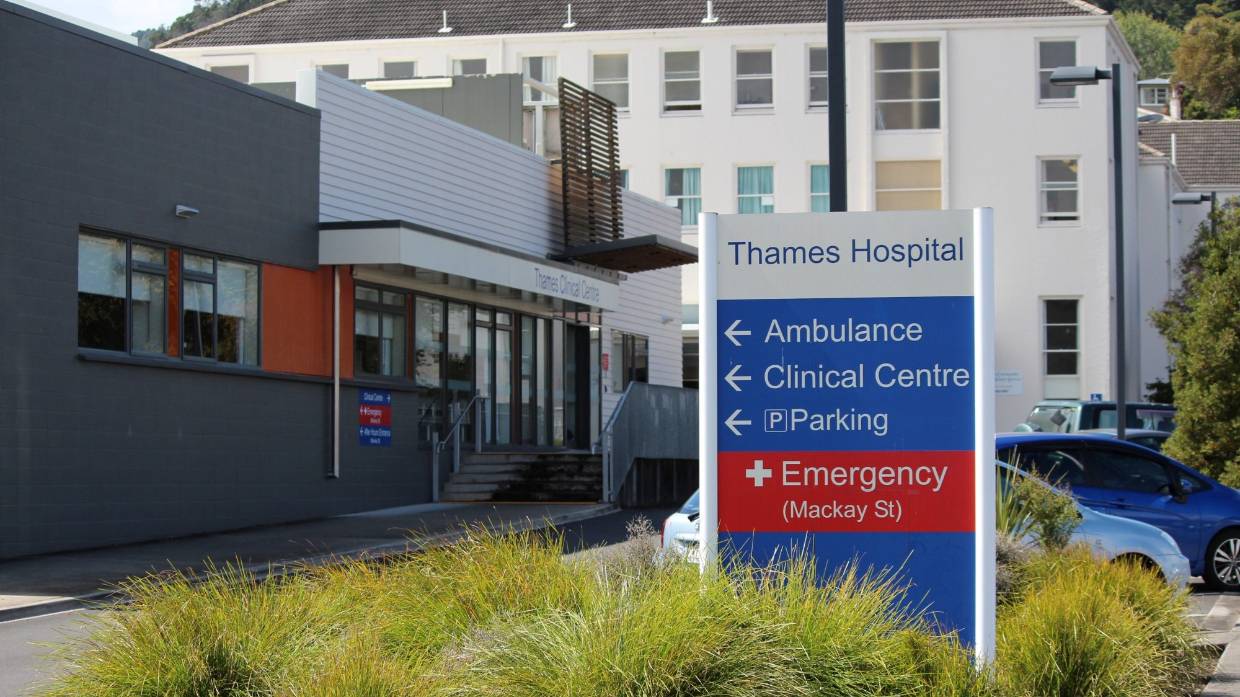
McCarthy started as a nursing student in March, 1977, at Thames Hospital. When she applied, her interviewers asked why she wanted to be a nurse. McCarthy told them it was to help people, and give them the knowledge to help themselves. This might have been a career premonition.
In those days the hospital was “a bustling enterprise” with seven wards. There was a vast array of things to do for a student nurse: paediatrics, orthopaedics, obstetrics, men’s and women’s health.
They had a one-bed ICU; plus an isolation area for active TB patients. There was a lady in an iron lung from the days of polio.
Her uniforms arrived flat-packed and so heavily starched she had to push her hands into the garments and rip them open. She had one set of buttons with shanks — metal u-bends — and one set of epaulettes.
McCarthy had to wear a blue uniform from her accommodation to the ward. Then she had to take the buttons off and put them on her white uniform, which she wore on duty.
Morning tea? Take the buttons off, change into the blue uniform. Lunch? White to blue again. Finally, at the end of the day, back into blue, and she would take her white uniform to be laundered.
“Great infection control I suppose, but by crikey it meant your breaks were short.”
They uniform had caps too, which were always getting caught in things, like traction, or shaken, like the time a psychiatric patient assaulted her.
There was no psychiatric service at the hospital, so patients had to be transferred by ambulance to Kingseat Hospital, south of Auckland. Kingseat closed in 1999. Nowadays it’s home to the Spookers entertainment attraction.
McCarthy, back then, had terrors — asked to transfer the violent patient to Kingseat. During transfers the ambulance driver was in the front and the nurse stayed in the back with the patient. ‘I’m not sure I want to do that’, was her reply.
“So they gave me some stuff in a syringe and said ‘well if he gets too stroppy you can just knock him out’.”
This, she said dryly, wouldn’t be considered now.
The ambulance was a big old Dodge that used to roll around as it headed up the motorway. When she arrived at Kingseat they tried to tell her they wouldn’t accept the patient as the hand-over wasn’t done correctly.
The patient was staying, she said. And he did.
McCarthy graduated in 1980, had a happy year working in the medical ward at the hospital then headed off for her OE.
It was about 1983 when she returned and ended up working in Waikato as a dialysis nurse and teacher.
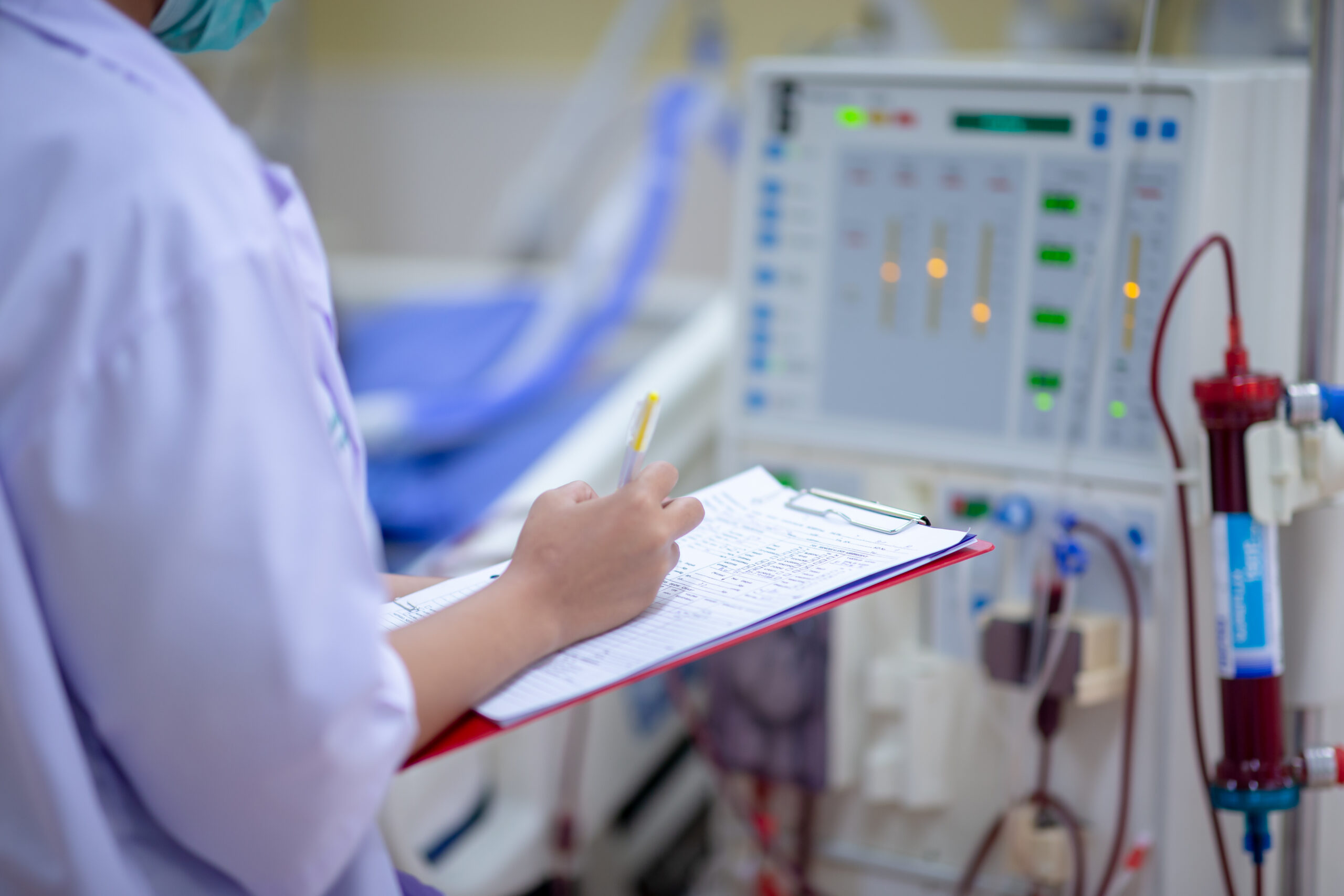
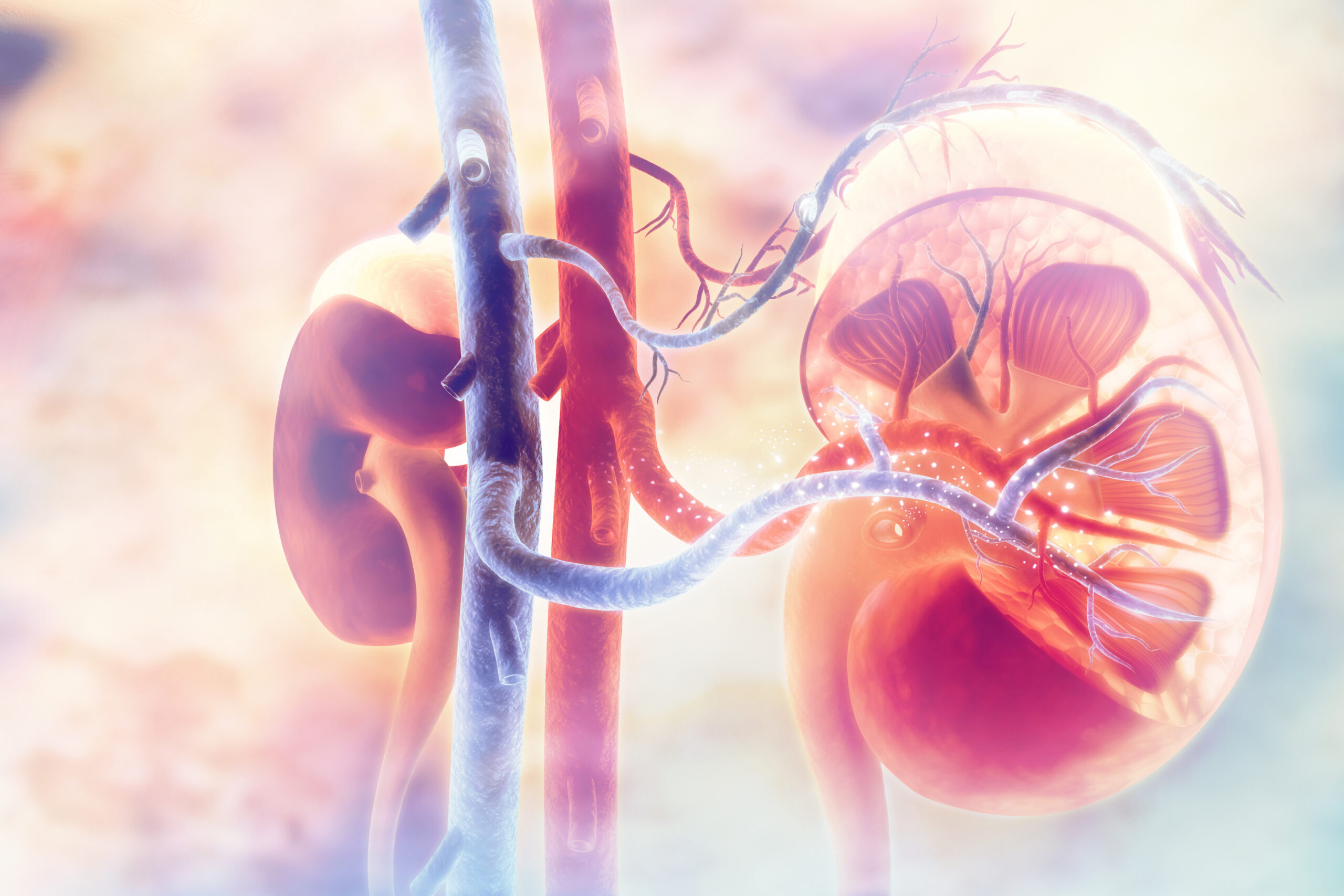
Hemodialysis performs some of the mahi of damaged or failing kidneys — the patient’s blood runs through an artificial kidney called a dialyzer that filters out extra fluid and waste, balances minerals, before returning to the body. Blood out and blood back: If not a miracle, then a gift of science.
Typically two wide-diameter needles, bigger than those used for blood draws or injections, are needed for a high-volume flow.
McCarthy had to learn how to deliver dialysis, then she had to learn how to teach people to deliver dialysis to themselves in their own homes.
Most people are terrified when they come to dialysis. They see those big needles and think they’ll never be able to stick them in themselves, or that they can’t operate that big machine. McCarthy’s gift was giving them knowledge and self-belief — empowerment.
A change, but still kidneys
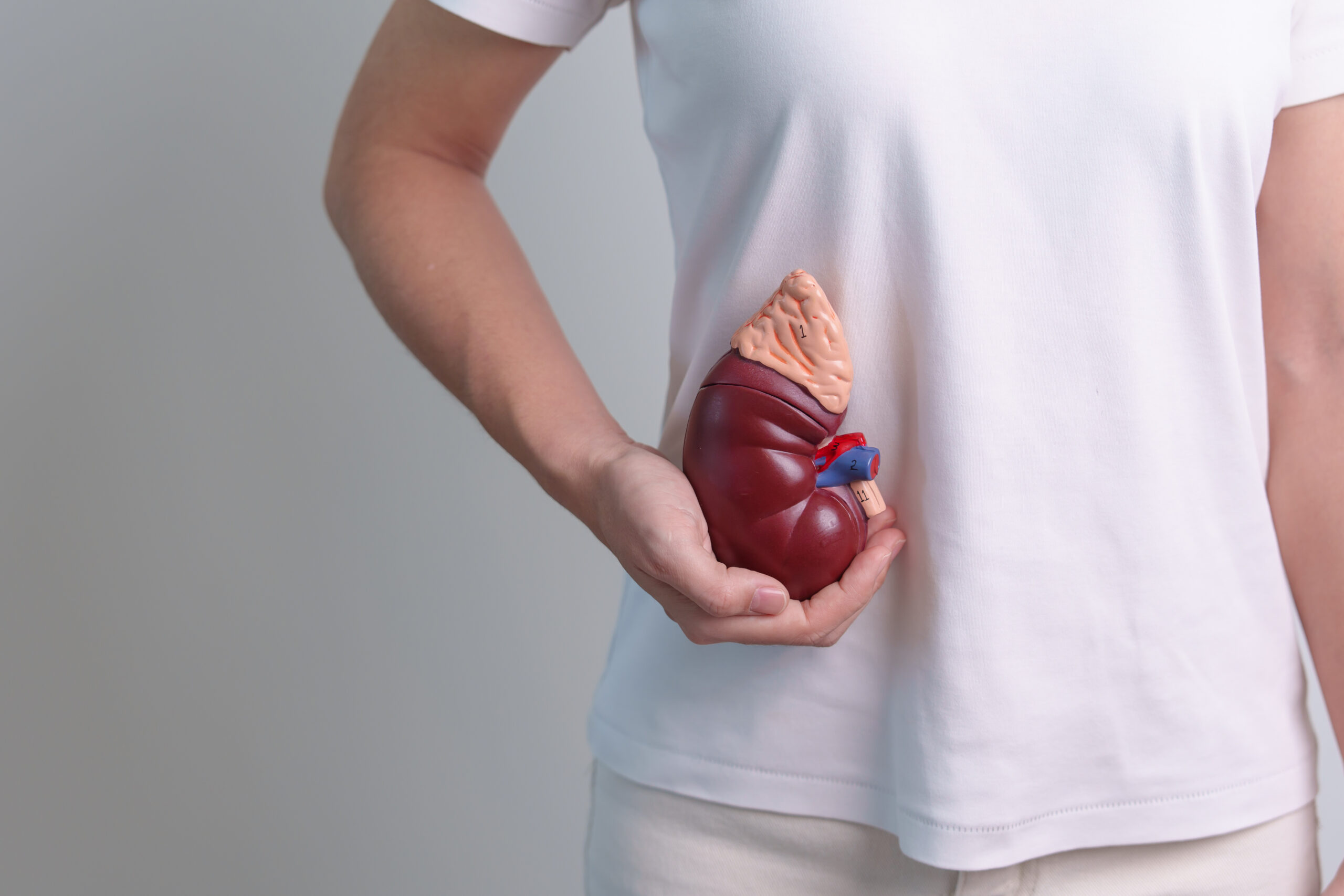
For the last 15 years she has worked in Waikato Hospital as a renal transplant nurse. McCarthy switched to a new job but stuck with kidneys. She vaguely knew about the intricacies of renal transplants but once again had to start learning.
‘So they gave me some stuff in a syringe and said ‘well if he gets too stroppy you can just knock him out’.’
“So that’s been the last part of my career and it’s been an amazing journey too.”
McCarthy and her colleagues do the “work-up” to get the patients onto the transplant list, then maintain them on the list. Waikato isn’t a transplanting hospital, so patients go to Auckland City Hospital for the surgery then return after three to four weeks.
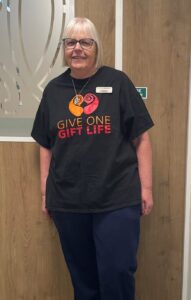
When McCarthy started they were averaging about a dozen transplants a year — now they’re averaging closer to 30. “Thirty-two has been our best year so far. So far this year we’re booked up to 30, so I’m hoping we’re going to get there.”
She’s proud. More Māori are accessing transplants — over 60 per cent of recipients in Waikato this year. When she arrived they were mostly Pākehā people.
Back in her dialysis days, a psychologist once said that it must be depressing when everybody you work with is dying, and she was shocked.
Nobody knows how long they’ve got to live. The way McCarthy looks at it she was helping her patients improve every day they had. “So if they get a year or they get five years that’s ok, so long as they’ve gone home and they get the best out of life that they can.”
To this day she keeps in contact with people she looked after when she started.
One gentleman is still doing at-home dialysis and still with the same amazing wife. He’s had a couple of kidney transplants, of short duration. “He was told ‘you will never have children’, and they had four children. And ‘you’ll never see them grow up’, and of course he’s seen them grow up.”
But sometimes it wasn’t easy. There was a truck driver, in his 20s, and his girlfriend. He’d come in for clinic-based dialysis then head off to drive his truck. Eventually the couple wanted to shift to Tauranga so McCarthy suggested he might have to learn to do the dialysis himself at home — he reluctantly agreed.
“He wasn’t a chatty guy, everything was grunts and groans, anyway he had dialysis at home for many years, they had two children and got on.”
One day he was in the hospital after injuring a shoulder in a workplace fall and told McCarthy that he’d finally decided to cut back on his hours. Great, she said, he would be working part-time then?
He just cocked an eyebrow and said he was cutting back to 40 hours a week. McCarthy had burst out laughing. “I shouldn’t have expected anything less.”
The man dialysed at home till he died, which in the end came from cancer. McCarthy was in touch with the couple as he weakened. They’d made the decision that when he could no longer put in his own needles, they would stop dialysis.
On the day it happened, his wife rang McCarthy: “Les, I don’t know if I can do this, I really want to go and put his needles in.”
“Just remember you made this decision together and it’s ok.” McCarthy said.
And that’s what they did.
‘He was told ‘you will never have children’, and they had four children.’
“So I went to his funeral and they all the big trucks there and they took him away in that. So that’s the special people you get to meet.”
Lesley McCarthy is crying now on the end of the phone line. Her emotions are close to the surface as the days count down to retirement. “If I talk about it too much I’ll cry.”
Her team has been amazing. She wishes nurses had better resourcing and more time. She’s done what she can to survive in the job and keep her patients as safe as she can.

McCarthy urges nurses not to lose the art of nursing. What does that mean? Remember to listen to your patient. Take the time to touch them.
“I think we’ve become very good at doing very technical things and stretching what nurses do, and that’s all great stuff, but I think there’s still room, if we had the time, to take a breath.”

Nurses, trapped in a non-stop bustle, are missing out on something valuable as well as the patients. It’s that interaction with people on the other end of the needles that made McCarthy who she is now, “a very different person leaving than the one who started”.
People never cease to amaze her.