


When we talk about health and safety, people often picture yellow wet-floor signs or sharps containers.
But for those of us on the front lines of health care, health and safety is as essential as the air we breathe.
It’s the difference between a shift where we provide the care our patients deserve, or one where we go home exhausted, worried we’ve missed something critical.
For my colleagues, for myself, and for the people we care for every day, health and safety is not a box to tick. It is a basic human right.
It is the assurance that when we come to work to care for others, we are also cared for in return.
We know what happens when these systems fail.
Poor health and safety is not just about physical injuries. It shows up as chronic understaffing, insufficient resources, and a lack of specialised training.
It’s visible in our emergency departments (EDs) and mental health units, where security is no longer a luxury – it’s a necessity.
We’ve seen the headlines. But more importantly, we’ve lived it.
When a nurse hesitates before entering a room; when a ward is so understaffed that basic monitoring becomes impossible — that is a health and safety failure.
The result is care in crisis — missed medications, delayed treatments, and a workforce pushed beyond its limits.
And it doesn’t stop there.
When systems are stretched, even critical documentation suffers. Continuity breaks down, risks increase, and the safety of both patients and staff is compromised.
This year, there is a global focus on psychosocial harm — and it could not be more relevant here in Aotearoa.
Psychosocial hazards — stress, fatigue, burnout — are just as dangerous as physical ones. In many cases, even more so.
Fatigue is not just being tired. It impairs judgement, slows reaction time, and increases the risk of clinical error.
Burnout is not just stress. It is the erosion of compassion, of energy, and ultimately, of the ability to care.
We must treat these risks with the same seriousness as any physical hazard.
That means safe staffing levels, proper training, strong peer support, and workplaces where taking a break is recognised as a safety requirement — not a weakness.
‘The result is care in crisis — missed medications, delayed treatments, and a workforce pushed beyond its limits.’
This brings me to why our voices are so incredibly important.
Under the Health and Safety at Work Act 2015, we are the workers — and we are the true experts of our own work environments.
Management might see spreadsheets, but we witness the reality of the 2am rush.
We know which doors are faulty, which equipment is unreliable, and precisely how many staff are needed to safely manage a volatile situation.
Without our input, risks are overlooked and critical issues fall through the cracks.
It is both our duty and our right to speak up, to elect health and safety representatives, and to insist that our insights are acted upon.
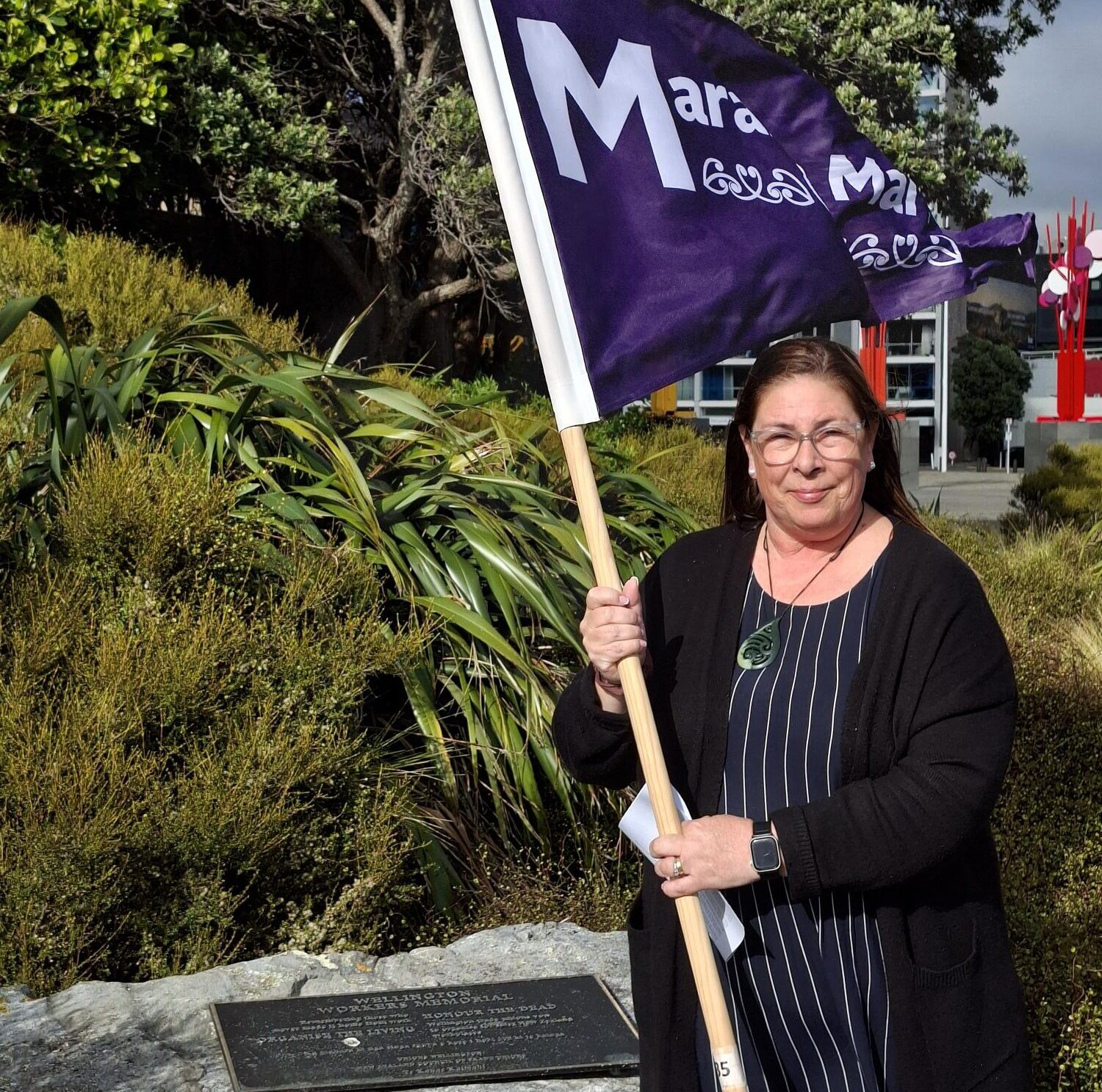
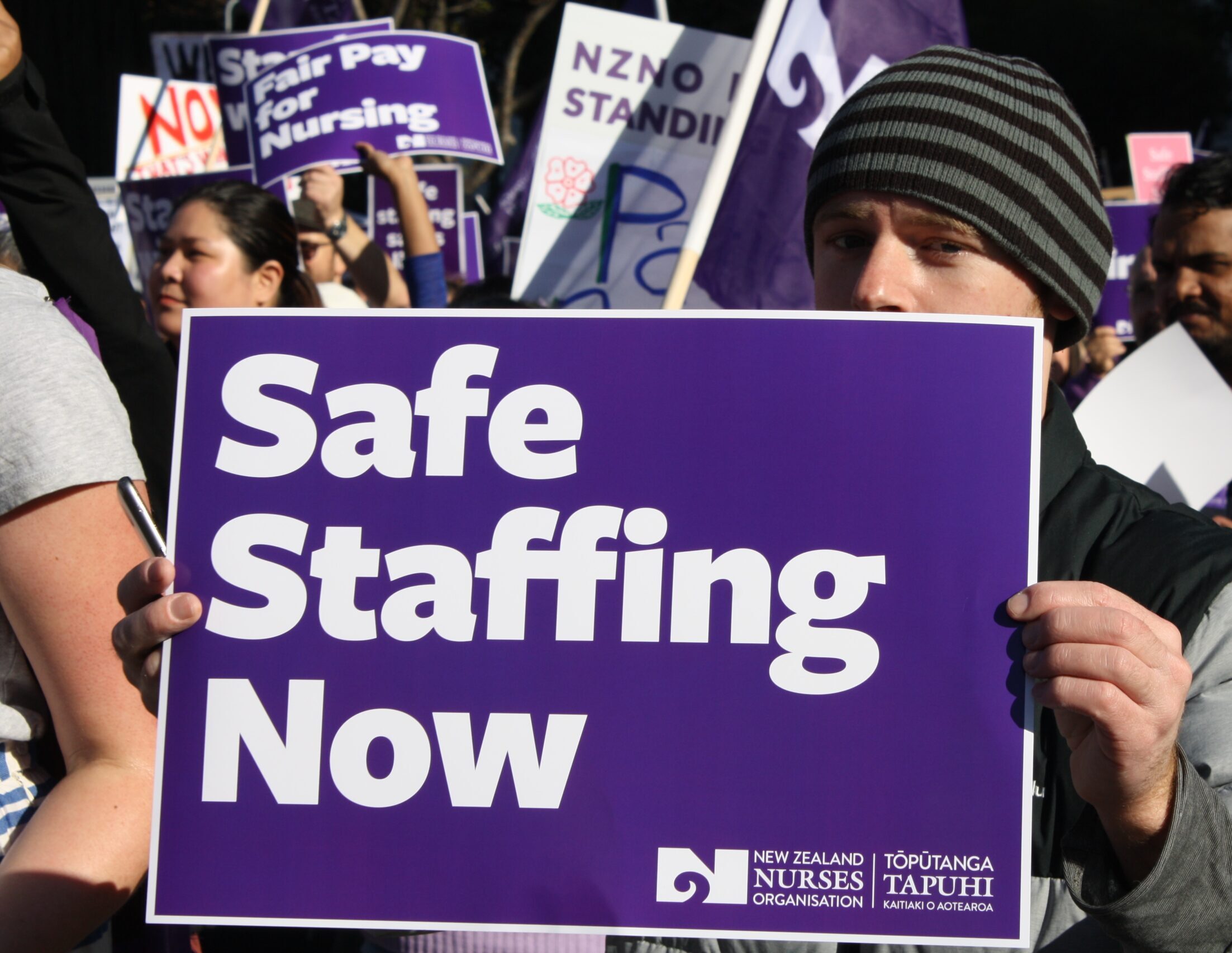
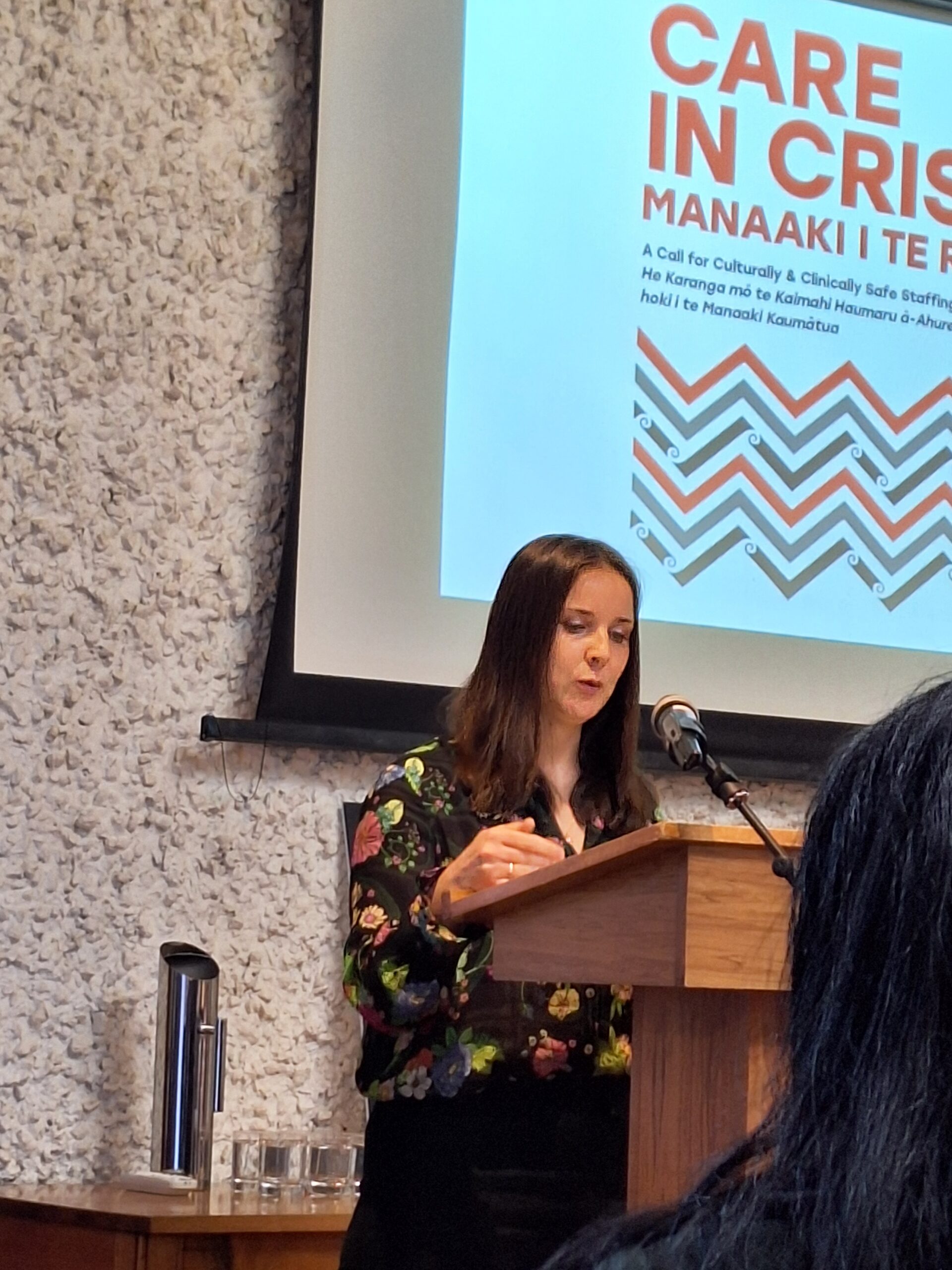
The New Zealand Nurses Organisation (NZNO) is at the forefront of addressing these issues. Through the Maranga Mai campaign, the focus remains steadfast on safe staffing and the Care in Crisis report – which underscores the urgent need for culturally and clinically safe staffing levels.
NZNO is also pursuing legal action against Health New Zealand, asserting that safe staffing is a contractual right.
They are calling for enforceable ratios because we understand that ‘doing more with less’ inevitably leads to disaster.
We are also witnessing a significant push for enhanced security in EDs and mental health settings; and moving away from the dangerous notion that being assaulted is simply part of the job. It is not.
The trade union movement has always been at the heart of progress in workplace safety. Every protection we have today was fought for by workers who refused to accept harm as part of the job.
And that fight continues.
We are calling for safe staffing. For enforceable standards. For workplaces where violence is not tolerated – and where every worker is protected, physically and psychologically.
Because we know the truth: You cannot deliver safe care in an unsafe system.
Today, we remember those who have lost their lives, and those who have been injured or made unwell by their work.
But remembrance alone is not enough. We honour them through action.
Through speaking up.
Through standing together.
Health and safety is not about policies on paper. It is about people. It is about dignity. It is about ensuring that those who care for others are not broken by the system they serve.
A safe workplace is not a privilege. It is a right.

Yet too often, it’s a right we are still forced to fight for.
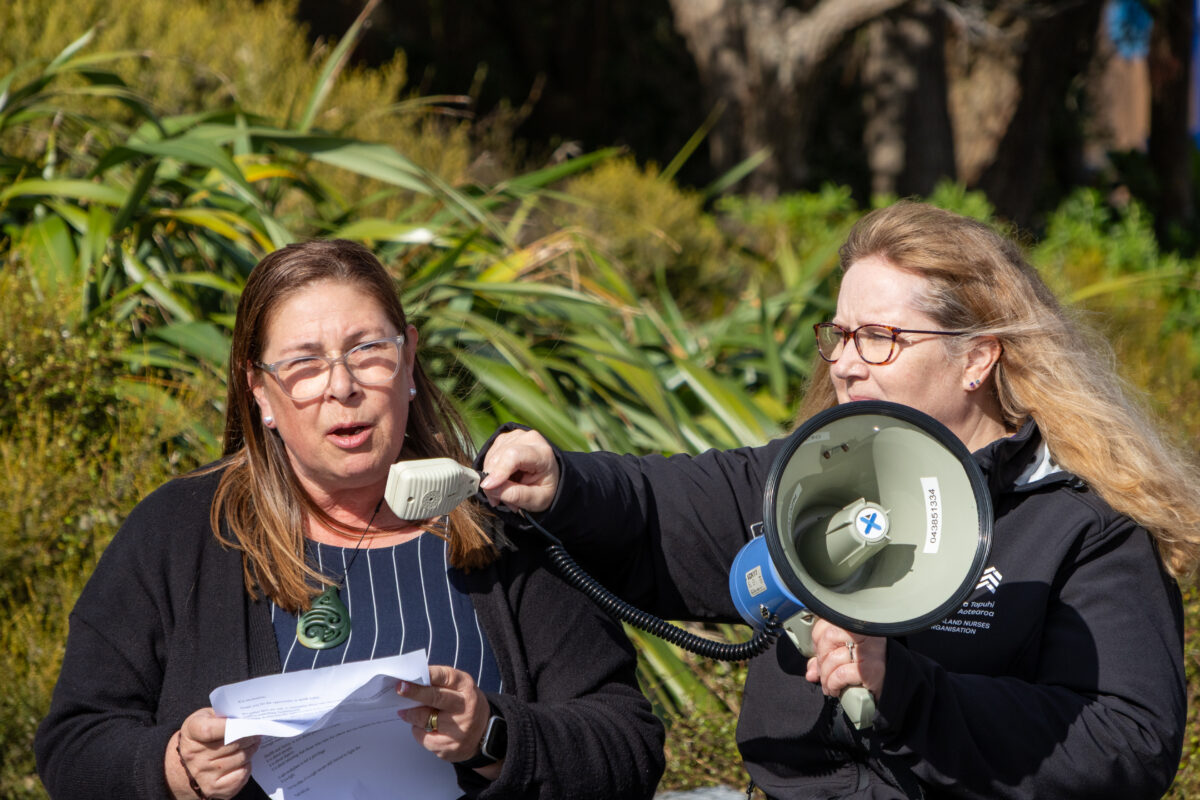
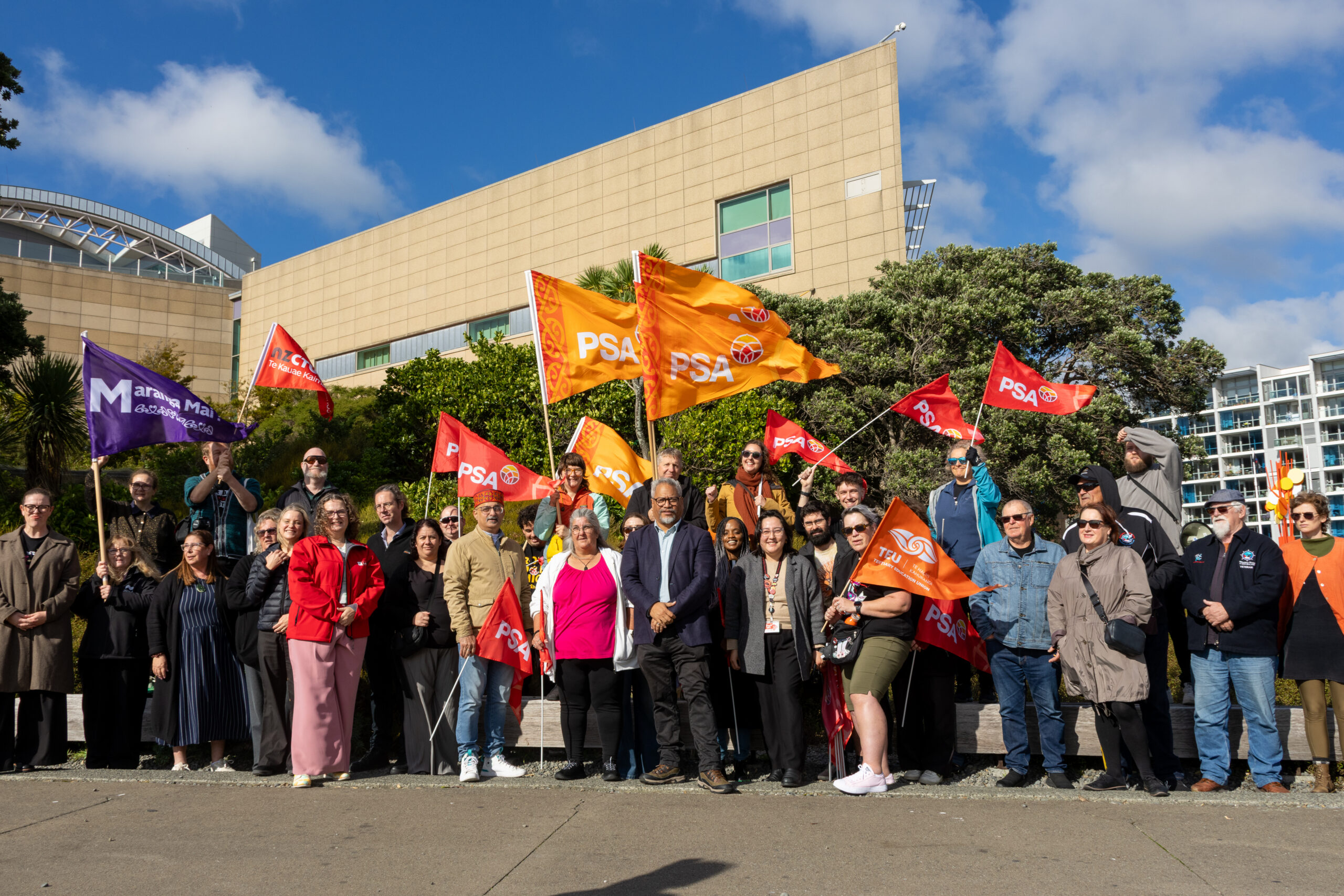
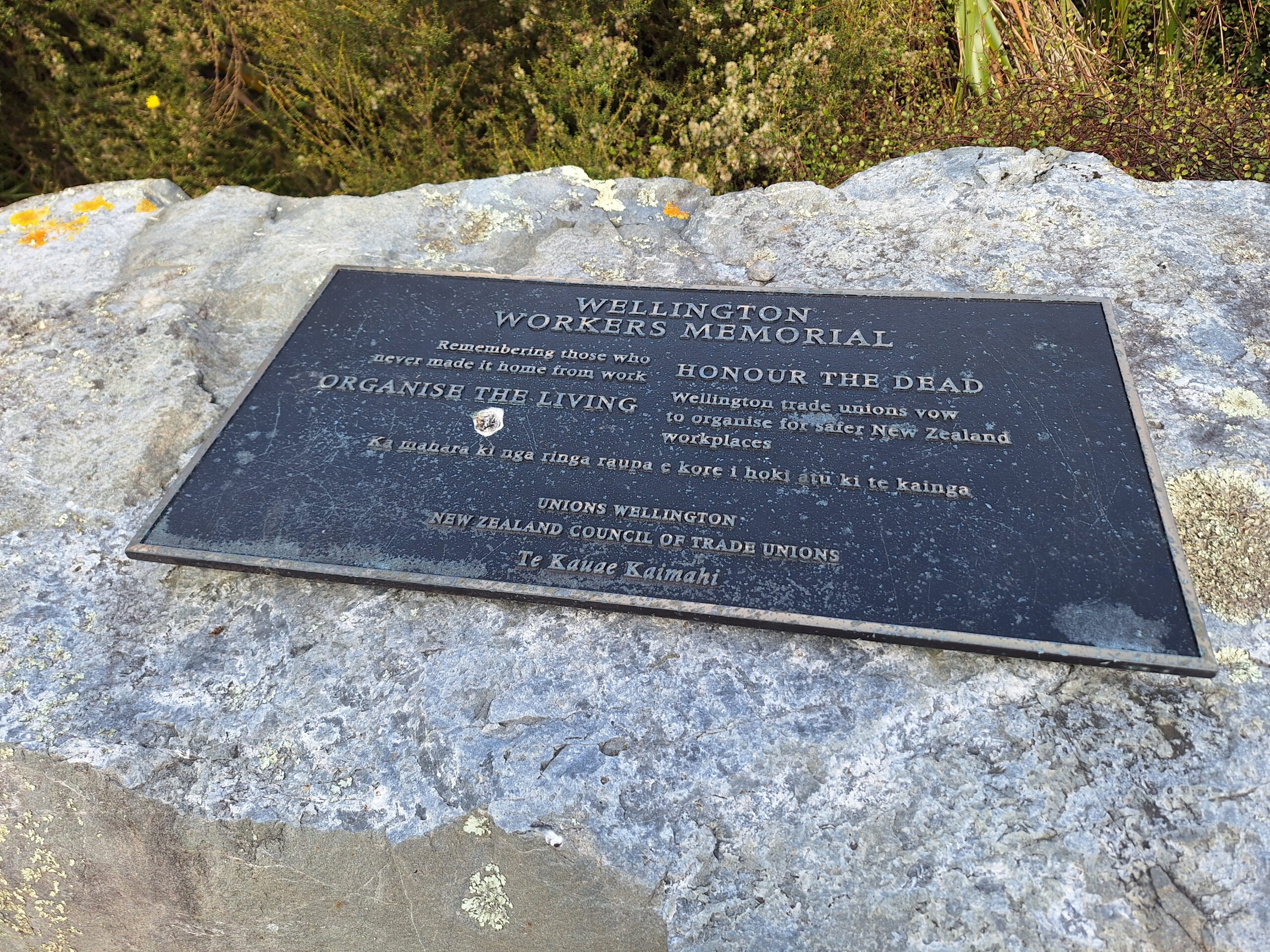
- Tina Giles is an enrolled nurse and NZNO delegate working at Wellington hospital. She delivered this speech at the workers’ memorial stone at Te Papa on the Wellington waterfront. Workers’ memorial day on April 28 aims to protect and improve laws keeping workers safe and healthy at work. In New Zealand, every week 18 workers are killed as a consequence of their work; every 15 minutes a worker suffers an injury that requires more than a week off work.