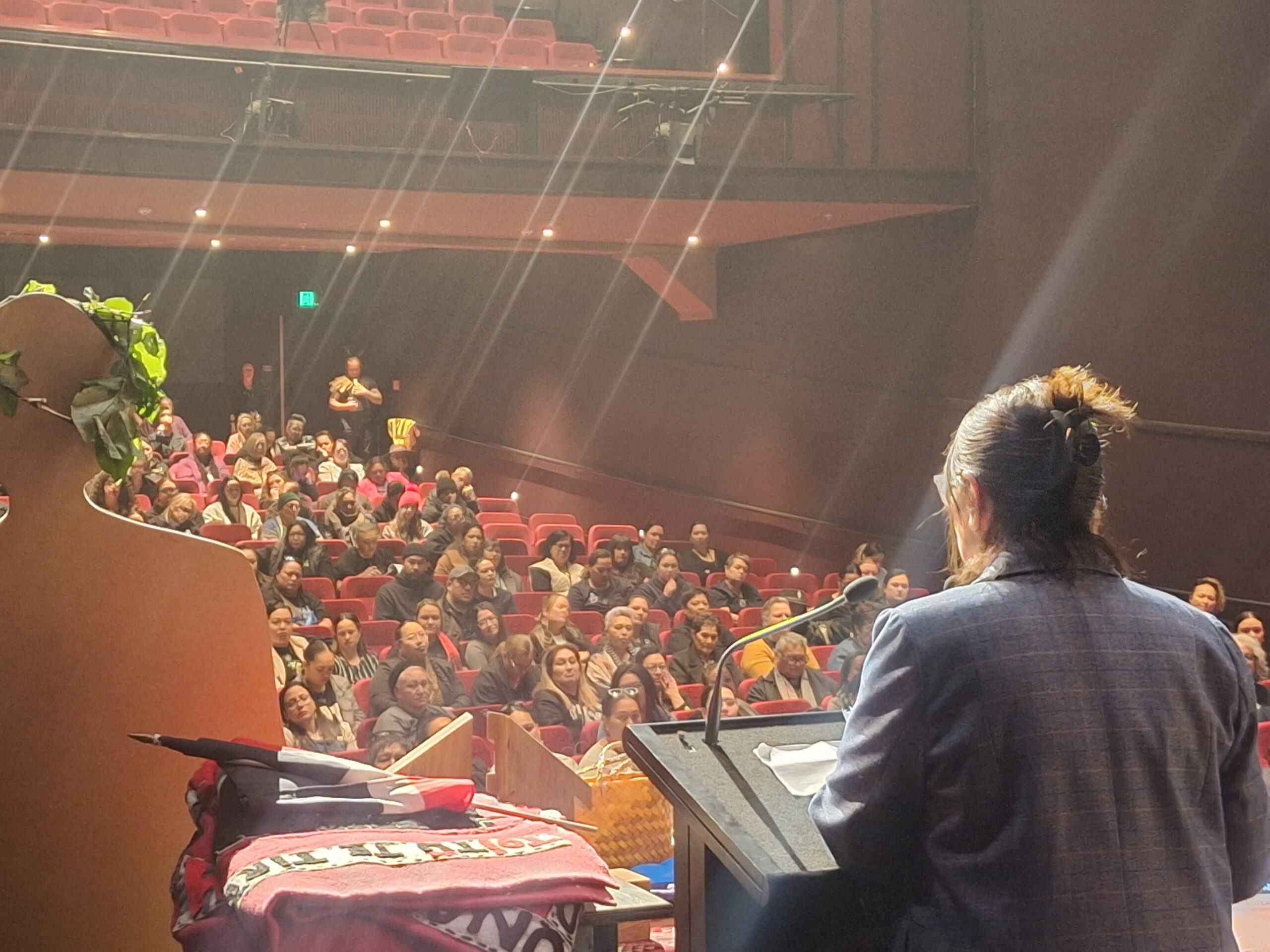


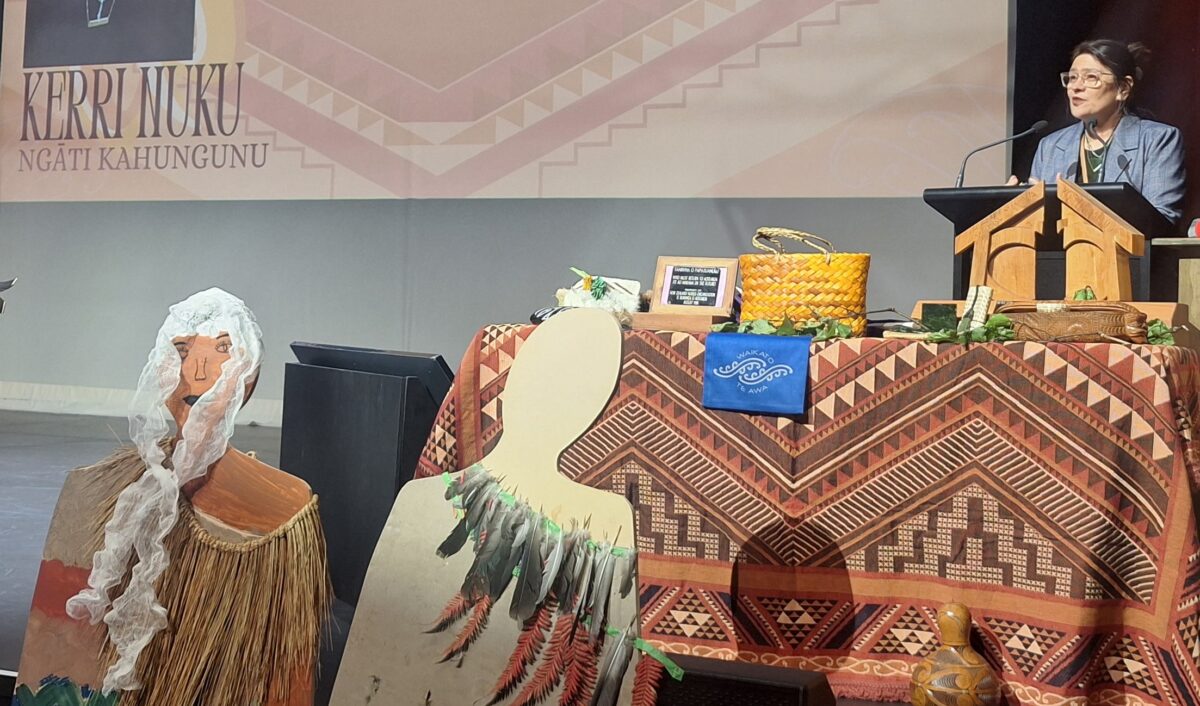
Te Rūnanga o Aotearoa NZNO kaiwhakahaere Kerri Nuku said Aotearoa now knew what an effective Māori nursing workforce would look like thanks to the report, Growing, but not fast enough: Māori nursing workforce insights.
The report revealed the need for a five-fold increase in Māori nurses entering the workforce from about 300 to 1650 annually to achieve “population parity”, where the Māori proportion of nurses matches the overall population.
“This is an intense number and shows the intense need we have to ensure Māori get the culturally safe and appropriate nursing they need. Research shows culturally safe nursing is key to achieving better outcomes for Māori,” Nuku said.
Currently Māori make up about seven per cent, less than one in 10, of the nursing workforce — but make up about one in five of the overall population.

About 27,000 Māori nursing student enrolments annually would be needed to reach population parity, the report said, with fewer than two-thirds of Māori nursing students completing training.

In 2023 alone there were only 3230 enrolments in total including 435 Māori students.
At a glance
- New report Growing, but not fast enough: Māori nursing workforce insights releases today at the Indigenous Nurses Aotearoa Conference.
- Māori nurse numbers entering the workforce need to jump five-fold to match the Māori proportion of the population, achieving “population parity”, the report says.
- The report says solving the problem would likely take 20 to 30 years — setting a target of 2054 for population parity — and require cross-party buy-in.
Māori have poorer health than non-Māori, the report said, covering everything from cardiovascular disease mortality, cancer registration and mortality, to suicide mortality.
Māori also reported higher levels of racial discrimination and unfair treatment by a health professional on the basis of ethnicity, it said.

Nuku said she was concerned about the future of Māori health – “this country’s health”.
“These numbers are so intense and would appear like mission impossible under this Government. But it is our duty to call for what is best for the health of our people,” Nuku said.
The report said hitting population parity was further hampered by the likes of tightened spending — Health New Zealand facing a $1.4 billion spending deficit.
There was still a backlog in elective surgeries from Covid, ballooning demand from an aging population and increasing inflation costs, the report said.
Nurses, it said, were also being tempted to higher-paying roles in Australia.
“It is our duty to call for what is best for the health of our people.”
It comes as new nursing graduates, and 2024 graduates, face a job shortage in hospitals — only 45 per cent matched with work in the mid-year Advanced Choice of Employment (ACE) programme.
Make it a longterm project
The Government must aim to reach population parity by 2054, with milestones such as three-quarters parity (15 per cent) by 2044, the report said. This would require cross-party political support.
It recommended the likes of working with the Ministry of Education to encourage Māori students into relevant courses in primary and secondary schools.
A “transition pipeline” from high schools into undergraduate nursing programmes should be set up and funded for Māori students, it said.

More focus should be put on attracting kaiāwhina into nurse training, encouraging more male Māori into nursing and boosting opportunities for Māori nurses to return to the workforce after a break.
Meanwhile population parity might be easier if proper resources were put into primary and community health services, the report said.
“As a proportion of the total nursing workforce, Māori nurses tend to be more highly
represented in primary and community settings.”
Nurses in iwi-provider services in particular faced higher-needs patients from lower socio-economic — often rural — communities, with higher morbidities and multi-morbidities, the report said. They already faced pay disparities with nurses working in hospitals.
This year’s annual conference theme is Mauri oro, mauri reo, mauri ora. The Akenehi Hei award will be presented on Friday morning while the Tapuhi Kaitiaki Awards – the Māori nurse awards – will be presented that evening.