


‘We’re able to do really awesome things’
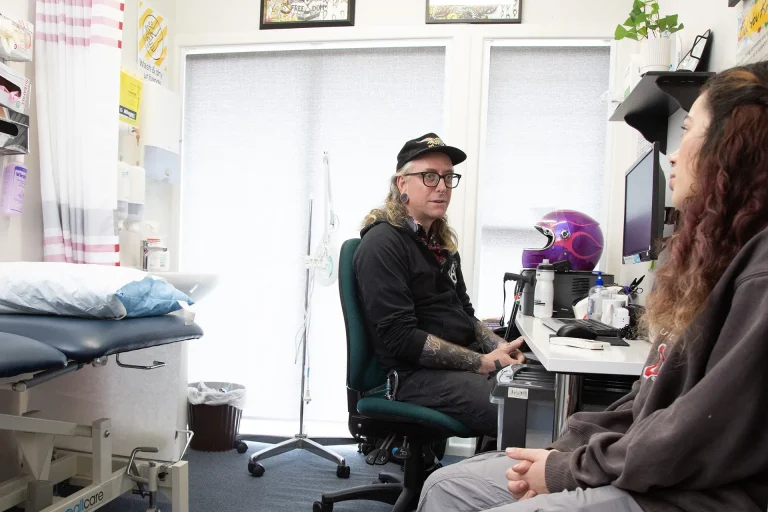
Alongside prescribing, nurse practitioners (NPs) bring diagnostic and complex case management skills to their existing holistic approach, says youth and primary health NP Michael Brenndorfer.
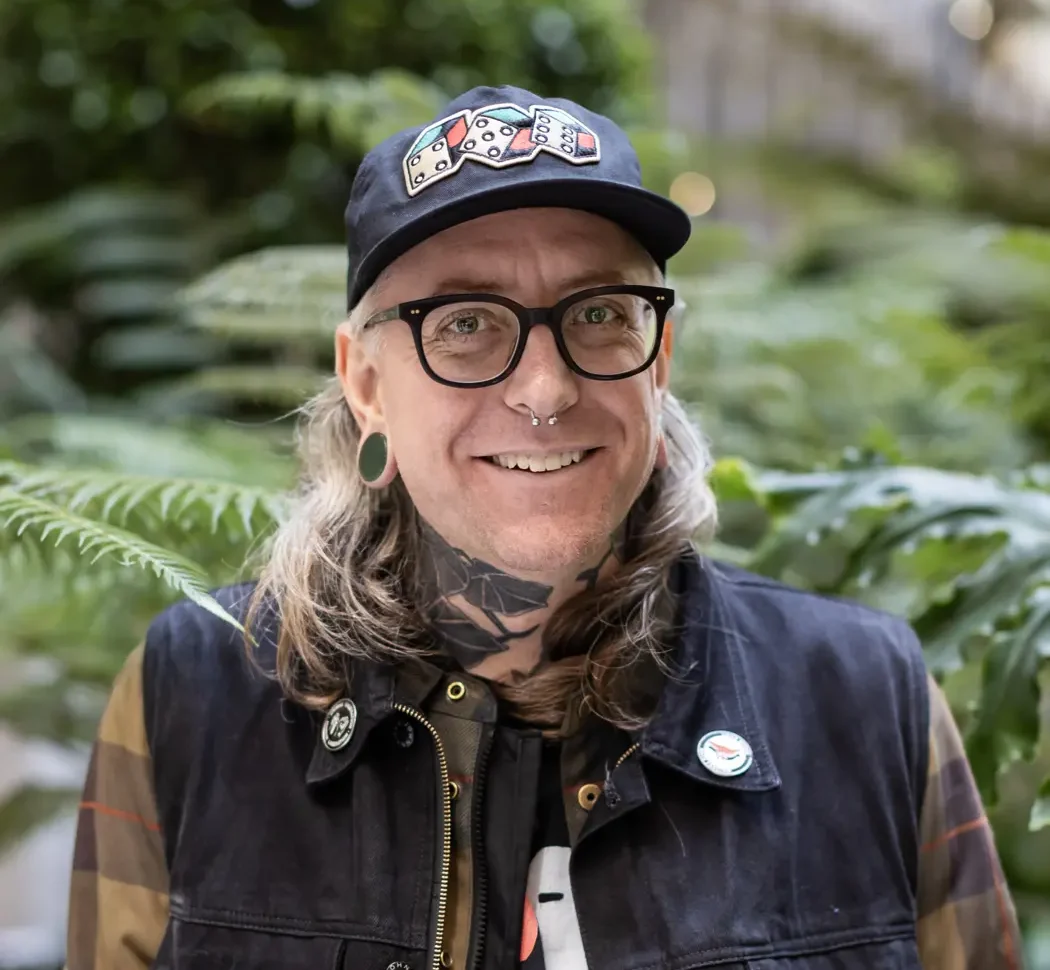
“I often argue that NPs have a broader scope of practice than GPs do because our scope of practices includes not only the biomedical but also the psychosocial, in a much more advanced way.”
Brenndorfer — who is involved with both NZNO’s college of primary health care nurses and college of child & youth nurses — said qualifying as an NP four years ago gave him a whole range of extra skills and tools.
“For me, it was acknowledging the gaps in access and supports that I could provide to the young people I see in my clinic and realising that if I really want to do my best to support them I really need to do my best to increase my scope and my skill level.”
When NPs were able to “fully manifest our scopes of practice and our paradigm we’re able to do really awesome things”, Brenndorfer told Kaitiaki.

Why research matters for everyday nursing practice
Our recent manuscript, published in the New Zealand Medical Journal, 1 draws on findings from five national nurse practitioner (NP) surveys undertaken between 2014 and 2022. Together, these surveys provide an important picture of how the role has developed over time.
This matters because the voices of NPs are not always clearly heard in policy, planning or public discussion. These surveys help bring that mahi into view. They show where NP practice is occurring, how it has evolved and what practitioners identify as the barriers and enablers to providing care. Stories from practice remain essential, but survey data allow us to see patterns, growth and change over time.
Key messages from the surveys
The surveys show that NPs are now an established and growing part of the health workforce in New Zealand.
Over time, NPs have worked across a broader range of settings, including primary care, community services, private practice, non-government organisations and self-employed models of care.
‘The overall message is clear: NPs are making an important contribution to health care in New Zealand, but the system is not yet consistently enabling them to work to their full potential.’
Their clinical contribution is clear. By 2022, prescribing was almost universal among respondents, and most were also ordering laboratory and radiology investigations as part of routine practice.
The findings also suggest that NPs are improving access to care, often in communities and services where access might otherwise be delayed or difficult.
At the same time, the surveys highlight persistent barriers. These include variable support for full-scope practice, limited succession planning, and structural constraints that continue to shape how the role is used.
The overall message is clear: NPs are making an important contribution to health care in New Zealand, but the system is not yet consistently enabling them to work to their full potential.
What was this survey programme?
This work draws on five national NP surveys conducted between 2014 and 2022. The surveys examined trends in demographics, prescribing and clinical practice, work settings and role development over time.
A major strength of this work is that the surveys were sustained over many years.
NP Diane Williams recognised early that collecting this data was important. She understood that if we wanted to show the growth of the role, and better understand the barriers and enablers to care, we needed to continue gathering the voices of NPs over time.
That commitment has given the profession something valuable. This survey programme provides evidence to inform service planning, workforce development, and policy. It also preserves an important professional record as NP practice in New Zealand reaches its 25-year mark.
About the NP workforce survey
This work has now developed into the NP workforce survey (NPWORKS), a more deliberate and sustainable programme of NP workforce research in New Zealand. NPWORKS is co-designed with Māori and non-Māori NPs and nursing leaders and was established because we recognised that these stories and data are too important to lose.2
We are keen to strengthen the NPWORKS steering group and would welcome expressions of interest from NPs who would like to contribute. We are particularly interested in hearing from a Pacific NP and an Asian NP, so that the steering group better reflects the diversity of the profession and the communities we serve.
‘This is not only a story about one workforce group. It is also a story about nursing leadership, advanced practice and what becomes possible when nursing expertise is recognised and supported.’
The NPWORKS data is carefully stored, with a clear protocol to guide access and use. Researchers or groups interested in using the data can apply through a formal process outlining the proposed purpose and use. Applications will be reviewed by the steering committee to help ensure that the data are used thoughtfully, ethically and in ways that strengthen NP practice and knowledge in New Zealand.
Why share this research beyond academic journals?
Academic journals are important, but they are not the only place where nursing knowledge should sit. Sharing this work in Kaitiaki Nursing New Zealand brings it back to the profession in a form that is accessible, relevant and connected to practice.
This is not only a story about one workforce group. It is also a story about nursing leadership, advanced practice and what becomes possible when nursing expertise is recognised and supported.
The surveys remind us that data matter. They help the profession speak with greater confidence about its contribution, its challenges, and what is needed next.
What does this mean for nurses?
There is much here to celebrate. Over 25 years, NP practice has become a significant part of health care in New Zealand. The surveys show a role that has grown in reach, visibility, and clinical contribution.
They also show that progress does not happen by accident. NPs need supportive services, clear pathways, and policy settings that enable full-scope practice. Without these, the contribution of the role is constrained.
For nurses more broadly, this work is an important reminder that both stories and data matter. Survey data help make our mahi more visible, show change over time, and provide evidence to support better decisions for the future.
As we mark 25 years of NP practice in New Zealand, these surveys offer both celebration and challenge. They show how far the role has come, while making clear that more is needed to ensure NPs are fully supported to contribute to the health and wellbeing of the people and whānau they serve.
See also: After 25 years of NPs in New Zealand, where are we now?
Deborah L Harris, NP, MHS, PhD was New Zealand’s first registered NP. She is now professor of nursing and midwifery research at the University of Newcastle and Hunter New England Health, Australia. She wrote this article with Diane Williams, BN, MClinPrac, one of New Zealand’s first primary health-care NPs; Lisa Woods, PhD, BSc, BA, a statistical consultant at Victoria University of Wellington(VUW)’s school of mathematics and statistics; Julia Liu, MNP, BSc, a research assistant at VUW; and Nadine Gray, BN, MHS, national chief nursing officer at Te Whatu Ora-Health NZ.
References
- Harris DL, Williams D, Woods L, Liu J, Gray N. Evolving roles and workforce trends among nurse practitioners in Aotearoa New Zealand (2014-2022). N Z Med J. 2026;139(1631):66-75.
- Harris DL, Brennan P, Hina A, Gray N. Navigating the Pathway to co-designed Nurse Practitioner Research in Aotearoa New Zealand. J Nurse Pract. 2026;22(1):1105632.