


Nāu te rourou, nāku te rourou, ka ora ai te iwi

With your basket, and my basket, the people will thrive
This whakataukī, or proverb, speaks to working in a collaborative approach. It acknowledges that everyone has something of value to contribute, and it further declares that by working together, we can all flourish.
| Tēnā koutou, tēnā koutou, tēnā koutou
Ko Aoraki te maunga  Ko Waitaki te awa Ko Murihiku te marae Ko Wharetutu rāua ko Tahu Pōtiki ngā tipuna Ko Takitimu te waka Ko Ngāi Tahu, ko Kāti Māmoe ngā iwi Ko Wilson te whānau Ko Maryann Wilson taku ingoa. Nō reira Tēnā koutou, tēnā koutou, tēnā tātau katoa. |
Ka whakawhiti au ki te ihi o Manaia.
Ka haruru au ki te wehi o tōku awa ko Taiharuru. Ka whakakī au i te tapu o tōku waka ko Uruao. Ka wehi momona au i te marae ko Tepaia. Ka moiahi au ki te iwi o Te Waiariki. Ka mongapiho au ki te hapū ko Ngāti Kororā. Nō reira tēnā koutou. Ko wai ahau? Ko Te Arahi Mahanga tōku ingoa. |
The aim of this article is twofold. Firstly, to identify the factors affecting the retention of Māori ākonga (students) across nursing education and secondly identify strategies which support ākonga to remain successful in their study.
The authors hope that the findings contribute understanding to the world of the ākonga and strengthens their transition to practice as nursing graduates.
Despite the nursing workforce being in a key position to improve health outcomes, health disparities are widening between Māori and non-Māori.
Education providers such as polytechnics and universities continue to increase enrolments for nursing degree and diploma programmes, then due to funding constraints there can be a long delay for graduates to obtain full-time nursing positions across the motu.
These delays slow the educational investment made by providers, iwi and whānau into the nursing workforce, and contribute to on-going health disparities for Māori and non-Māori.
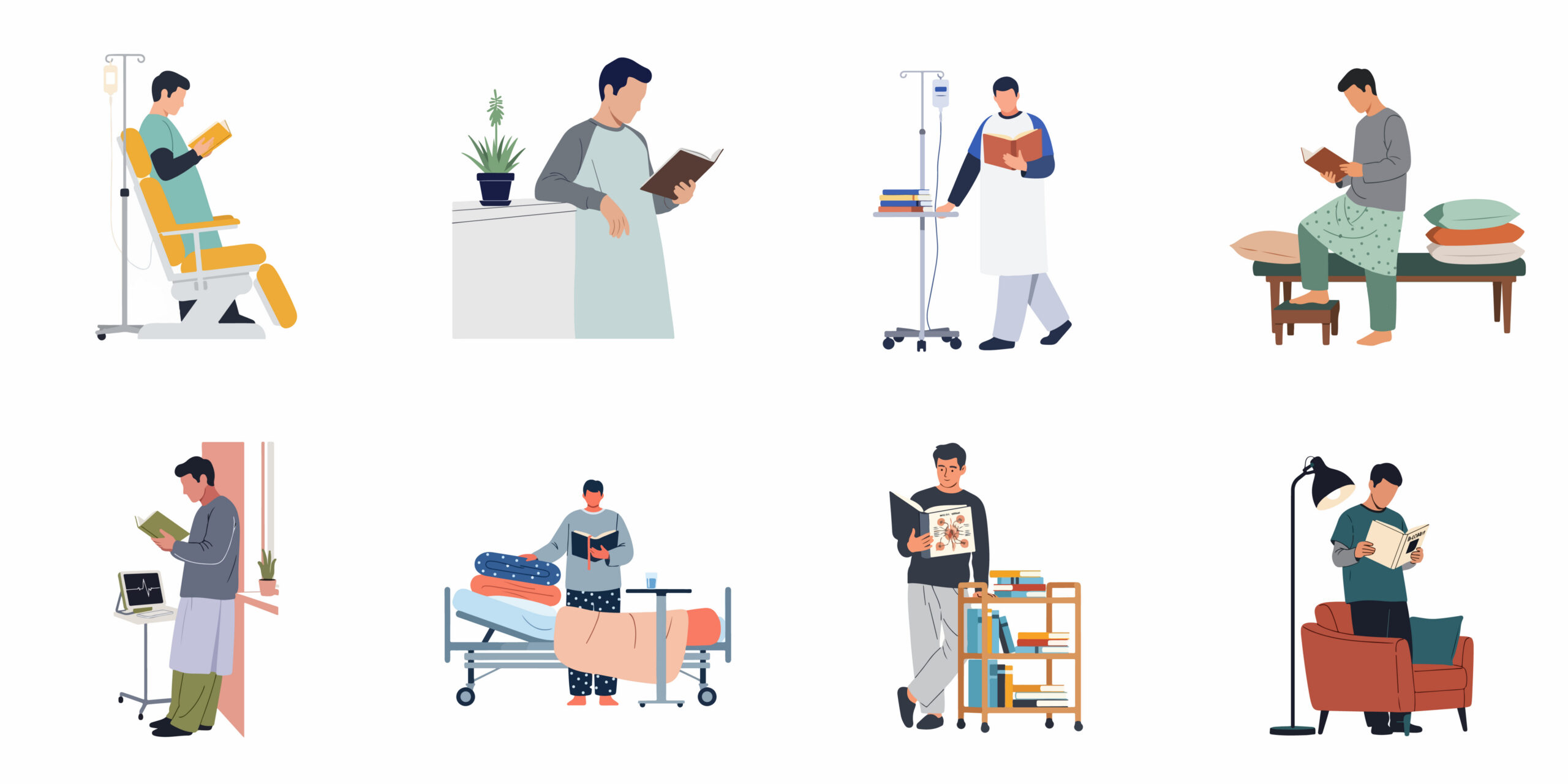
Currently there are seven per cent of the New Zealand nursing workforce who identify as Māori 1 and they tend to practice for a shorter length of time: 27 per cent of Māori had been practising for fewer than six years compared with 20 per cent of non-Māori, and 45 per cent had been practising for more than 15 years compared with 51 per cent of non-Māori. 2
As nurses we know foundations of relational nursing practice 3 , and the ability to engage authentically with health consumers, whānau, hapū and iwi are fundamental to being able to provide quality nursing care that improves health and wellbeing.
Through nursing education ākonga will become critical thinkers who are confident and competent as they progress through their nursing programme.
Historically nursing education providers have had a proven role adapting their programmes to meet the needs of the health workforce and nursing education.
The appointment of Māori academic staff enables polytechnics and universities to support Māori ākonga, which can be beyond that of engaging with course content. 4
Tikanga-informed practice and teaching approaches reflecting Māori values and beliefs enhance the educational experience of ākonga. Capitalising on such approaches requires an understanding of te ao Māori, the educational experience of ākonga and the nursing view of the health workforce.
More research needed

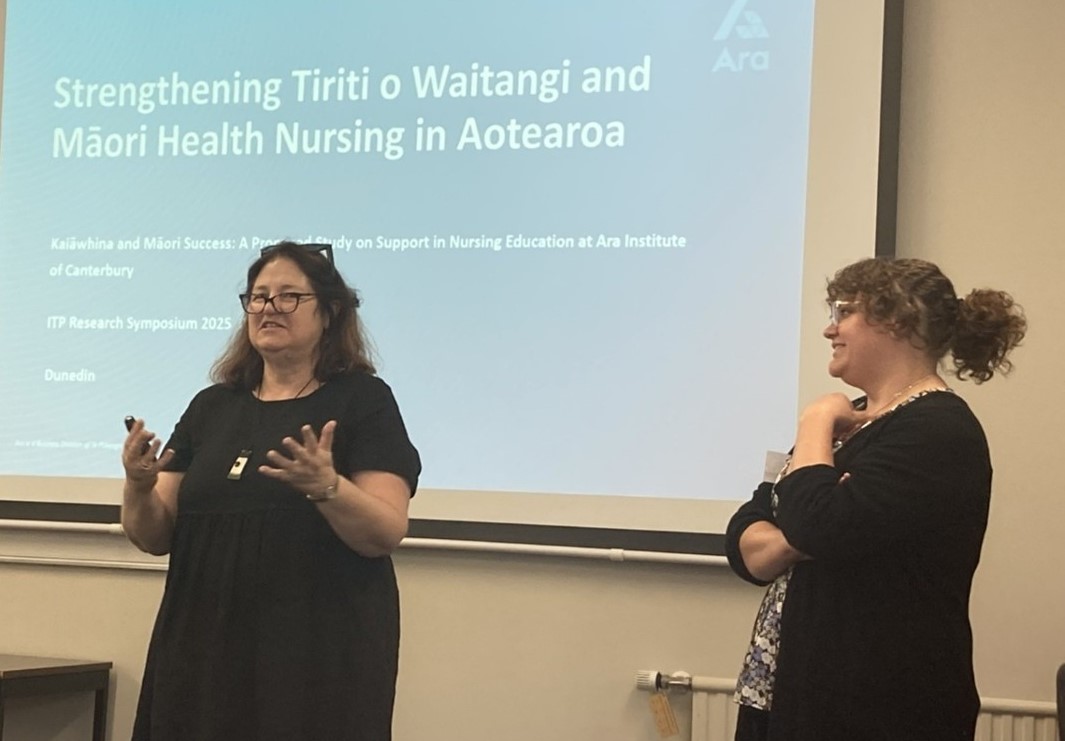
The following is part of a study we have proposed focusing on exploring kaiāwhina and Māori success in nursing education at Ara Institute of Canterbury: Enabling ākonga to be an active participant in the co- development of this role.
As a background our literature review was undertaken in 2025 and spanned a four-year timeframe: 2016 – 2020.
The original search strategy identified peer-reviewed literature from New Zealand, Australia, and the United States. We identified 12 articles that discussed factors and strategies relating to the retention of indigenous/Māori nursing students or health professionals in nursing education or the health workforce.
Interestingly, while strategies to improve workforce retention were published, there appeared to be no evaluation of these strategies.
The literature identified key factors impacting retention of ākonga, reported by students, as whānau, peer support, competing obligations, prior educational experiences, access to student support, economic hardship, racism, and discrimination.
In addition, strategies such as the importance of relationships/whanaungatanga, cultural nurturing, and connectedness in the learning environment enabled a sense of empowerment, built a cultural-support network and promoted ‘cultural practice’ within a given programme. 5
The gap in the literature, however, was the lack of measurement of the effectiveness of those strategies.
Gaining an awareness of the educational experience of the ākonga through their chosen programme is essential for their academic success. 6

We will be utilising a mixed-method study approach, which will be undertaken by a quantitative survey and qualitative interviews and focus groups.
The study will be guided by mātauranga Māori world-views and undertaken by Māori kaiako. Participants will be recruited from all years of the bachelor of nursing (BN) and the diploma in enrolled nursing programmes (DEN) in 2026.
While the term kaiāwhina can have different meanings, in the context of our proposed study this role refers to being a key point of connection for ākonga, acting as a bridge between the structures and requirements of undergraduate nursing education, and actively contributing to Māori self-determination through equitable educational outcomes for Māori.
At Ara, the kaiāwhina role has existed for more than a decade and forms part of the Māori/nurse lecturer role. This supports, ākonga from year one through to completing and successfully exiting the BN or DEN programmes across the Manawa and the rural southern campus.
However, this is a fluid relationship; for example, as ākonga move through their study they tend to seek out the kaiāwhina with whom they have established whanaungatanga, rather than move through the programme with that year’s allocated kaiāwhina.
The kaiāwhina role was originally developed through interactions with other nursing lecturers at the Te Kaunihera o Ngā Neehi Māori o Aotearoa/National Council of Māori Nurses. The role was refined over time, to further āwhina Māori student nurses navigating the BN and DEN programmes, while supporting them academically and with scholarship applications.
Rather than only have one or two lecturers it was better to have lecturers spread across the programme. It was too difficult to fully support students in other courses as we were not fully conversant with the content and assessments.
In addition, kaiāwhina prepared students to attend the annual national Māori nurses hui. For some this requires researching their whakapapa, gaining confidence and opportunity to practice waiata, karakia and learning the kawa/protocol of the given marae.
‘Gaining an awareness of the educational experience of the ākonga through their chosen programme is essential for their academic success.’
For other students the fostering of these connections often reflects the tuakana/tēina relationship embedded in te ao Māori — the relationship between older (tuakana) and younger (tēina) siblings. This is found at the national hui, when students who have previously attended, āwhina students attending for the first time.
Here, recent BN graduate and registered nurse (RN) Te Arahi Mahanga-Graham provides additional insight, and supports findings from the literature review, as she reflects on her experience with kaiāwhina.
Patua te taniwhā o te whakamā
I completed my BN in 2025. Throughout my journey at Ara, it has been quite challenging for me. I remember in my first two years I was struggling to understand the course content, as my first language is te reo Māori.
I was also very whakamā to ask for help from kaiāwhina that tautoko Māori ākonga throughout this degree. The kaiāwhina tried reaching out many times, however once again feelings of whakamā held me back and it was not until I was falling behind in my studies and experiencing challenges in a clinical placement that I had to put my whakamā behind me and ask for awhi.
Over time, I came to understand how valuable it is to reach out for help and make use of the support available to me at Ara.
My feelings of whakamā initially held me back, but once I finally sought awhi, I realised how much it strengthened my learning and confidence.
Meeting with the kaiāwhina was a turning point as she became a major support system throughout my nursing journey. Seeing how much she helped me, I hope that other ākonga will also feel comfortable, not whakamā, to go to a kaiāwhina for guidance.
Many Māori tauira (students) experience similar challenges, when they feel hesitant to ask for help.
Through this experience, I grew both personally and professionally, becoming more confident in advocating for myself and seeking guidance when needed.
As an RN, I want to continue building confidence in my practice and ensure I seek support when I need it, just as I learned to do with the help of people like my kaiāwhina.
I also hope to uplift other Māori tauira and new nurses who may feel unsure or experience feelings of whakamā, encouraging them to reach out just as I eventually did.
Moving forward, I will carry these lessons with me throughout my nursing journey and strive to be the kind of supportive presence for others that my kaiāwhina was for me.
As mentioned earlier, we identified a gap in the literature — little evidence of measurement of the effectiveness of strategies to support ākonga.
Therefore, it is appropriate that the role of the kaiāwhina is measured. The research question has been established, which is: What are Māori students’ perspectives on the role of the kaiāwhina Māori in supporting their educational journey through the nursing degree at Ara?
Conclusion
Addressing the persistent underrepresentation and attrition of Māori within the nursing workforce requires more than increasing enrolment numbers; it calls for intentional, culturally-grounded strategies that support Māori ākonga throughout their educational journey and into practice.
The literature highlights the significance of whanaungatanga, culturally-safe learning environments, and meaningful institutional support, yet reveals a critical gap in evaluating the effectiveness of such strategies.
The proposed study responds directly to this gap by centering the voices of Māori ākonga and exploring the kaiāwhina role as a relational bridge within nursing education at Ara. By grounding the research in mātauranga Māori and co-developing insights with ākonga, this work has the potential to inform evidence-based practices that enhance retention, strengthen transitions to practice, and contribute to equitable educational and health outcomes for Māori.
Ultimately, strengthening Māori success in nursing education is foundational to achieving a sustainable, culturally-responsive nursing workforce capable of reducing health inequities across Aotearoa.
Maryann Wilson RN, MN, is a senior academic nursing lecturer and kaiāwhina Māori ākonga support at Ara Institute of Canterbury; Te Arahi Mahanga-Graham BN, RN works in primary health; Ella Cooper RN, academic nursing lecturer Ara Institute of Canterbury; Anna Richardson RN principle academic nursing lecturer, BN programme leader, Ara Institute of Canterbury. The authors acknowledge the support and assistance of Ada Campbell, RN, kaiāwhina.
References
- Te Kaunihera Tapuhi o Aotearoa/Nursing Council of New Zealand. (2024). Te Ohu Mahi Tapuhi o Aotearoa/The New Zealand Nursing Workforce 2022-2023.
- Te Kaunihera Tapuhi o Aotearoa/Nursing Council of New Zealand. (2019). The New Zealand Nursing Workforce: A profile of Nurse Practitioners, Registered Nurses, and Enrolled Nurses 2018-2019.
- Doane, G. H., & Varcoe, C., (2021). How to nurse: relational inquiry in action (Second edition.). Wolters Kluwer.
- Zambas, S. I., Dewar, J., & McGregor, J. T., (2023). The Māori student nurse experience of cohorting: Enhancing retention and professional identity as a Māori nurse. Nursing Praxis in New Zealand, 39(1).
- Chittick, H., Manhire, K., & Roberts, J., (2019). Supporting Success for Māori Undergraduate Nursing Students in Aotearoa/ New Zealand. Kaitiaki Nursing Research, 10(1), 15-21.
- Milne, T., Creedy, D. K., & West, R. (2016). Integrated systematic review on educational strategies that promote academic success and resilience in undergraduate Indigenous students. Nurse Education Today, 36, 387–394. https://doi.org/10.1016/j.nedt.2015.10.008.