


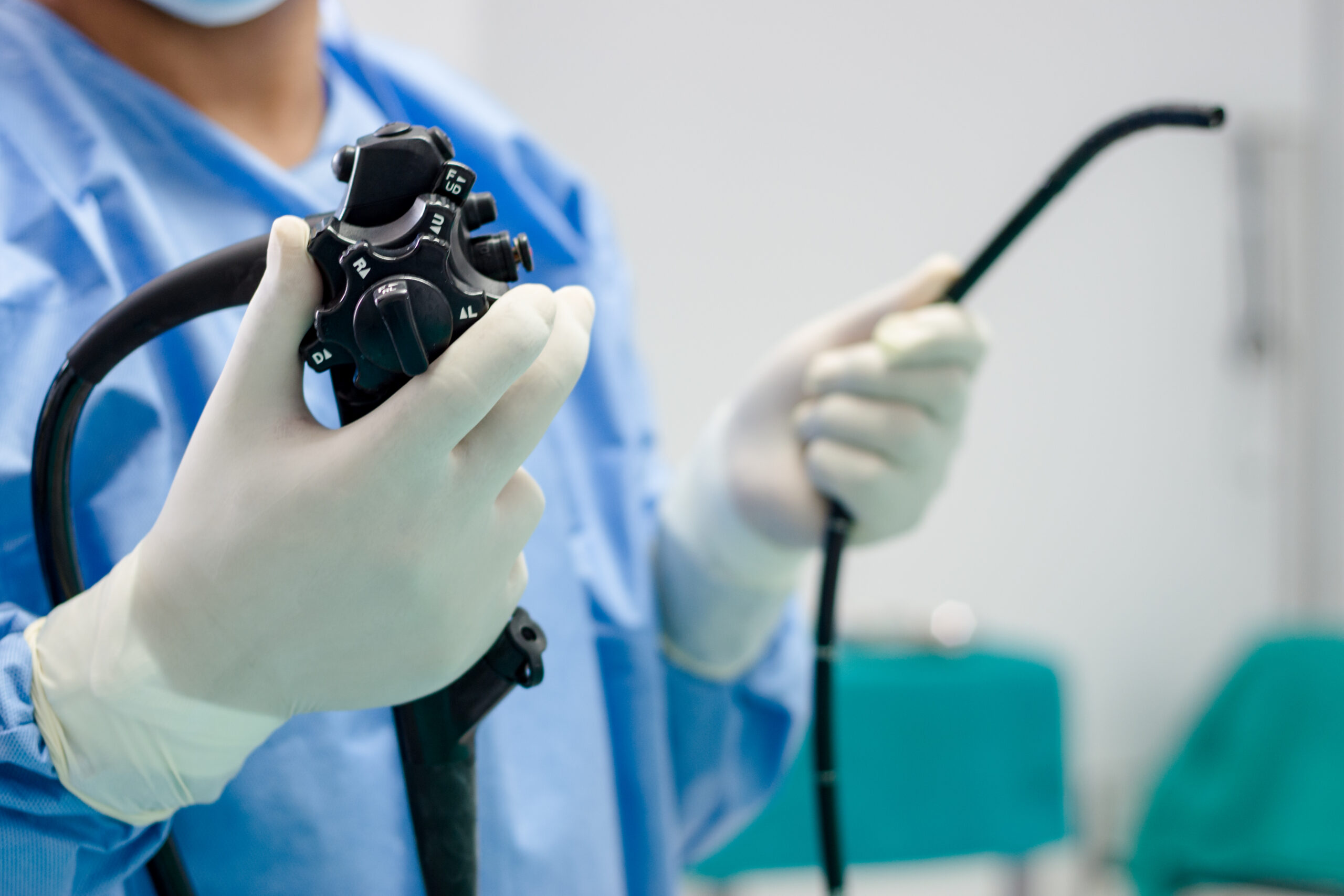
The gastroenterology specialty nurse role started primarily as a support role assisting with endoscopy procedures. The close teamwork and communication between nurse and endoscopist ensures accurate and safe procedures are performed.
The nurse is also the primary clinician in the pre- and post-procedure care phases for patients having endoscopic procedures.
This close working relationship encouraged gastroenterology nurses to undertake role expansions into specialty care, particularly taking the lead in monitoring and being the primary contact for patients diagnosed with a chronic disease.
Patients with inflammatory bowel disease, chronic liver disease and having direct enteral nutrition via a feeding device will be familiar with the gastroenterology clinical nurse specialists that operate out of Palmerston North Hospital.

Care of these patients is a team approach between specialist doctors, nurses, dieticians, radiology, pathology, psychologists, surgical teams and others, with nurses often being the main care co-ordinator and direct contact for the patient if there is a change in their health status.

Having nurses familiar with surveillance requirements for patients, requesting and reviewing pathology and radiology test results, providing education and handling a phone/email ‘hotline’ for patients frees up doctors to manage new patients and acute deterioration in patient status.
Nurses often co-ordinate and participate in multi-disciplinary team meetings and can run nurse-led clinics to provide patients with medication and disease management education and monitor the stability of chronic health conditions.
Nurses in these specialty nurse roles have undertaken post graduate study and receive education and support from other senior nurses around New Zealand through networks established by the NZNO gastroenterology nurses college.
‘The greatest support and provider of advice and overview of specialty nurse practice is the consultant gastroenterologist.’
However, the greatest support and provider of advice and overview of specialty nurse practice is the consultant gastroenterologist.
Specialty nurse clinics are usually held alongside doctor clinics, and nurses need immediate access to doctors to ask questions, escalate anomalies and pass on sudden deterioration in patient condition.
With no consultant gastroenterologists now in Palmerston North Hospital, nurse specialists cannot run nurse-led clinics and will only be able to complete basic monitoring of patient status through blood tests and radiology reports.
‘Hotline’ patient interactions will have a delayed response, leading to more general practice and emergency department attendances and less-than timely care causing preventable deterioration in patient health.
The experienced specialty nurses may feel pressure to go beyond their currently limited practice to help patients they know well after caring for them for many years.
Patient harm may result from this decision, which could also have happened if the nurse did not intervene, but the nurse may suffer corrective action or loss of their nursing registration if they are found to be acting outside their newly-limited scope.
Palmerston North nurses know that patients with a new diagnosis of inflammatory bowel disease and liver disease will not receive all their care promptly or locally and will suffer long term harm because nurses cannot give their usual standard of care regarding disease education, symptom management advice and medication instruction.
The gastroenterology nurses college and NZNO have identified that specialty nurses at Palmerston North face many challenges while there are no consultant gastroenterologists in the health region.
‘The nurse may suffer corrective action or loss of their nursing registration if they are found to be acting outside their newly-limited scope.’
With service being managed by temporary and locum specialists, who can they escalate concerns to in a timely manner to prevent patient harm?
How are newly diagnosed patients going to be cared for? Are patients now expected to travel out of region for specialist appointments and how will the Palmerston North specialty nurses keep up with what is happening with these patients?
How will specialty nurses maintain their education and skills and keep up-to-date with current best practice without doctors in the team?
Is there even a service or team without a vital member?
- A new specialist is expected to start in September. Palmerston North’s hospital is funded for nearly six full-time gastro specialists.
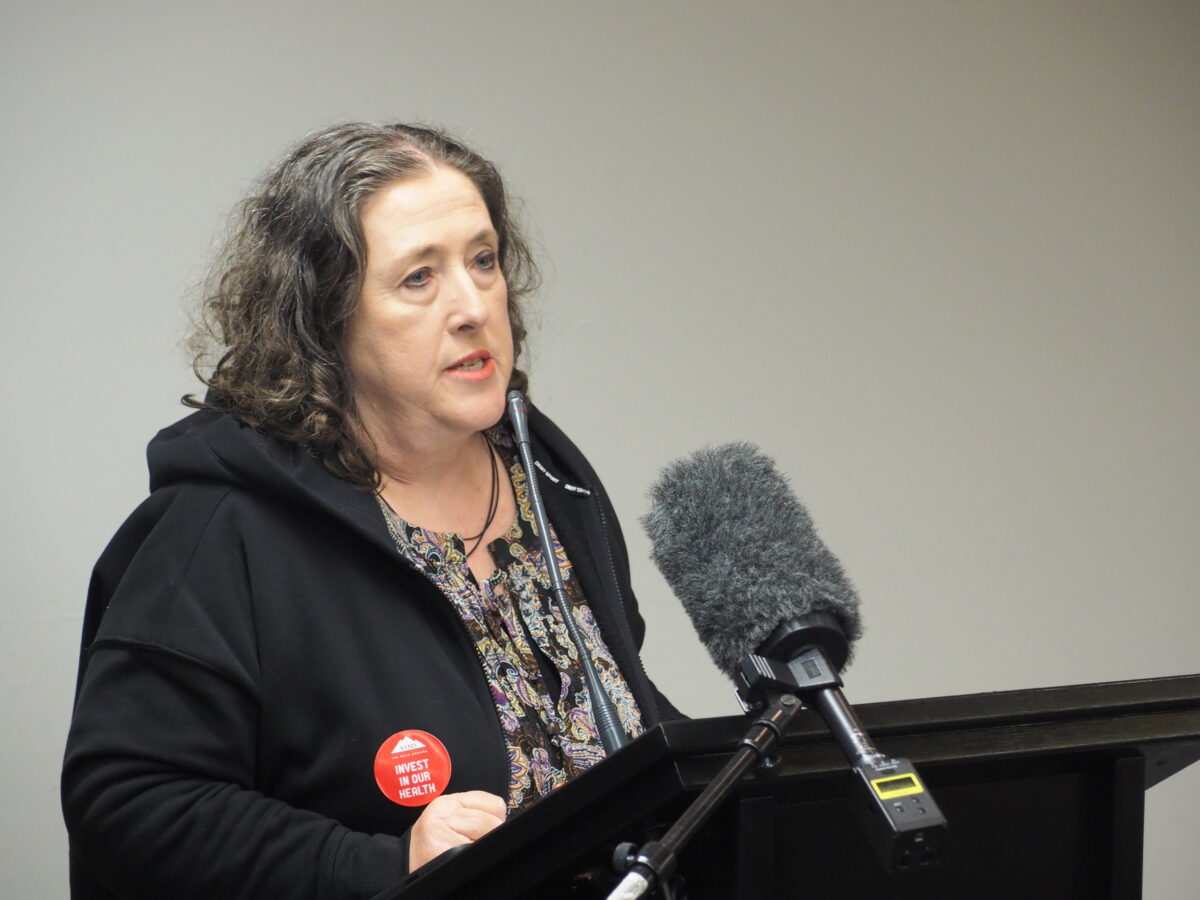
This was an excerpt from a speech given to a packed house of about 140 people by Karen Kempin, nurse practitioner and nurse endoscopist, and secretary of the NZNO gastroenterology nurses’ college.