


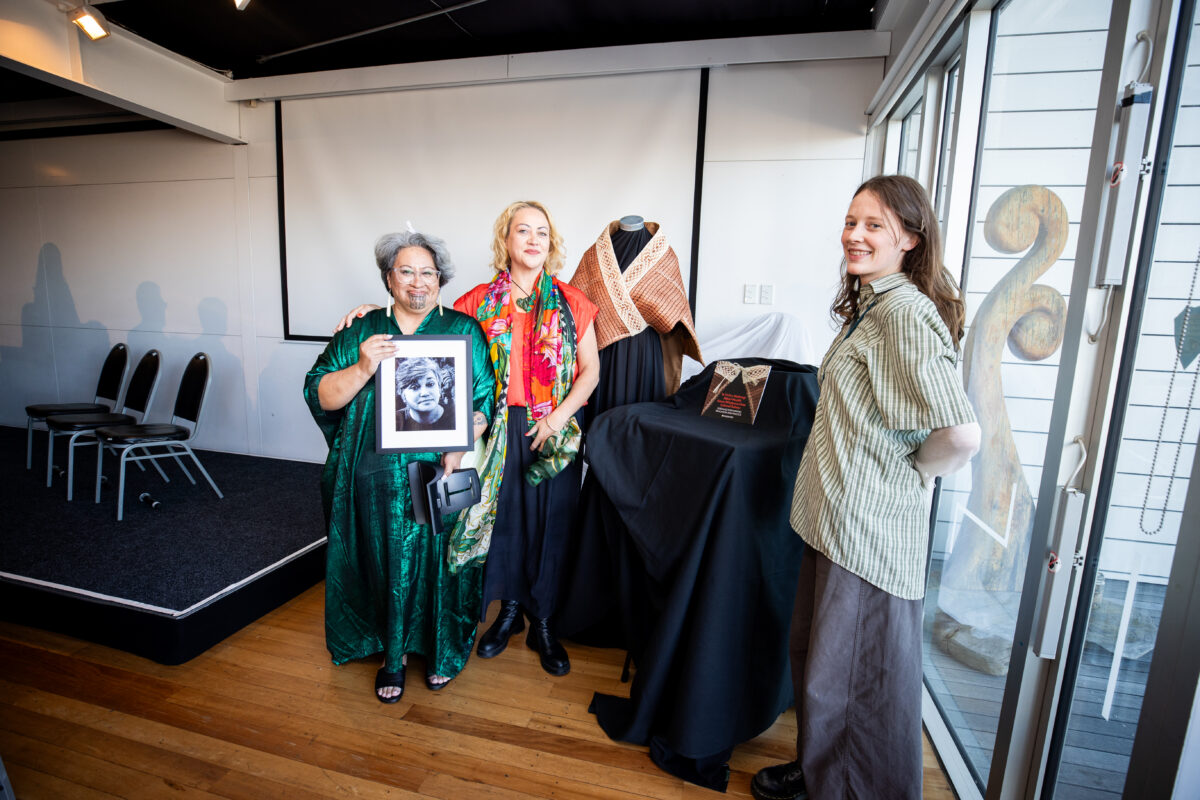
Only a few weeks ago, Kaitiaki published my opinion piece calling for a review of cultural safety. My argument was simple: despite 40 years of cultural safety within nursing education and regulation, Māori health inequities persist. I stressed that this was never the vision of Irihapeti Ramsden, the Māori nurse leader whose work laid the foundations for cultural safety in nursing. To be clear, my concern has never been about the validity of cultural safety itself, but rather its implementation, measurement, and accountability.
Yet here I am again, this time writing in defence of cultural safety.
Health professionals would be left in the unenviable position of continually adapting their standards, procedures and policies to accommodate the priorities of the government of the day.
The recent decision by the Minister of Health not to reappoint members of the Medical Council, reportedly because of concerns about an “ideological agenda“, should concern all health professionals. Not because regulators are beyond criticism, but because professional regulatory bodies must be able to operate independently of political influence. Once politicians start dictating what is acceptable, they cross a line.
Our regulatory bodies risk resembling our health system, forever flip-flopping between political agendas. Health professionals would be left in the unenviable position of continually adapting their standards, procedures and policies to accommodate the priorities of the government of the day, while simultaneously undermining the public’s confidence in the regulator as an independent authority.
Is this our future? Are we really heading this way?
Let’s look at the facts.
The primary role of regulatory authorities is to protect the public and maintain professional standards, not to reflect political priorities. Once governments begin intervening in the composition and direction of regulatory authorities based on political preference, the public have every right to question the independence of those bodies and subsequently lose confidence in the profession and its regulator.
We are all familiar with the political ideology that exists in this current Government: the Treaty Principles bill, the Treaty clause review across Government legislation, the Pae Ora Amendment Act are just a few examples that many Māori view as diminishing rights and protections under Te Tiriti o Waitangi.
Therefore, against that backdrop, it shouldn’t be a surprise that cultural safety and cultural competence have also become part of the political debate.
The Medical Council “ideology” being referred to by the Minister includes cultural competence, cultural safety and a focus on Māori health. We need to be clear about what the Minister is challenging here, because we know cultural competence within regulatory standards is a common expectation amongst health professional regulators, and these standards exist for a reason. Māori health inequities are not an ideological position. They are a matter of fact.
For more than four decades, research has consistently demonstrated that Māori experience poorer health outcomes and inequitable access to health care. Māori continue to experience racism and discrimination within the health system. These findings have been documented repeatedly through scientifically robust research and by Government agencies themselves.1, 2, 3.
The issue therefore is not whether Māori health inequities are ideological fantasy or have been conjured out of thin air. The science is clear, and the evidence is damning; Māori health inequities do exist.
The question therefore is not whether these inequities exist. The question is what responsibility health professions have in responding to them. This is where the Nursing Council enters the conversation.
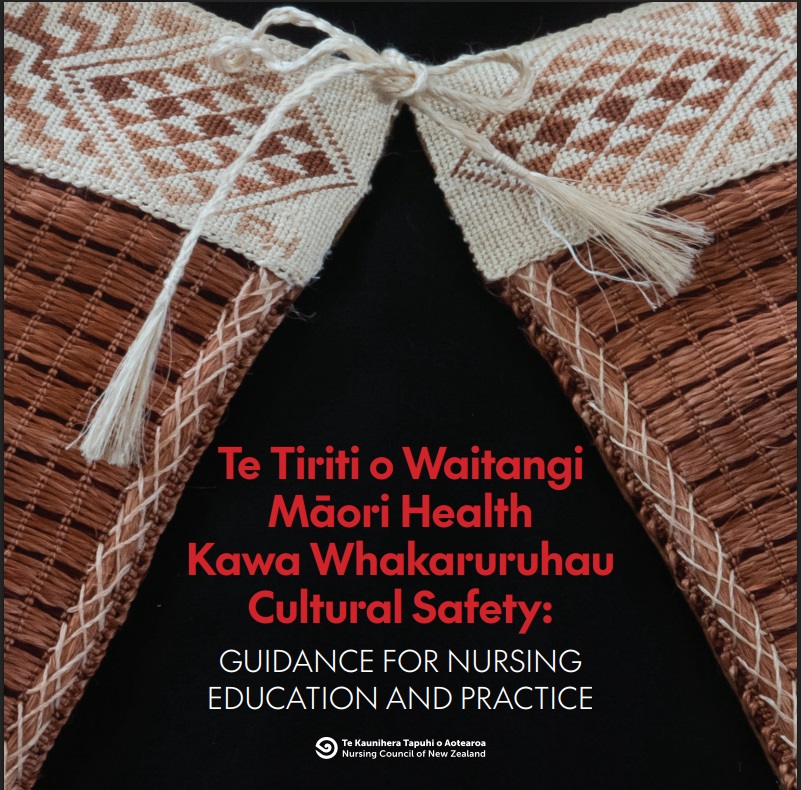
In recent years, the Nursing Council has made important progress in strengthening its response to Te Tiriti o Waitangi, cultural safety, kawa whakaruruhau, racism and health equity through its competencies, standards and regulatory expectations. Many Māori nurses would argue that these developments were long overdue, and others, me included, believe that we still have some progress to make.
I have previously been critical of the Nursing Council’s historical response to these issues. In my view, the profession was slow to acknowledge both its responsibilities as a Te Tiriti partner and its obligation to protect the public by addressing inequitable health outcomes. However, recent changes suggest a Council that has begun taking both the evidence and its responsibilities more seriously.
We also know from our history how easily those gains can be dismantled or diminished.
This progress has not occurred by accident. It reflects decades of advocacy by Māori nurses who have fought to ensure that Māori health inequities are recognised as a nursing issue not simply a Māori issue.
My concern now is whether these gains will be maintained and continue to be strengthened under the Council’s new leadership. I think it is reasonable to observe that the new chair’s recent comments in Kaitiaki de-emphasise the structural and Treaty-based context of Māori health, replacing it with broader, more general commitments that are less specific and less accountable. That distinction is subtle but important and not lost on Māori nursing.
Keeping a close watch
I, along with many of my Māori nursing colleagues, am watching developments closely.
Not because we oppose scrutiny or debate, but because we understand how much effort has been required to achieve the progress made to date. We also know from our history how easily those gains can be dismantled or diminished. For many Māori, these developments are not being viewed in isolation, but as part of a broader pattern of decisions affecting Māori participation, Te Tiriti commitments, and equity-focused approaches across the public sector.
Any attempt to weaken Te Tiriti commitments, cultural safety expectations or equity-focused standards would represent a significant step backwards for the profession. Nursing cannot have it both ways. We cannot claim to be an evidence-based profession while dismissing decades of evidence demonstrating persistent Māori health inequities.
If the direction of travel is for the Nursing Council to follow the path currently being signalled to the Medical Council by this Government, towards reviewing or removing these commitments, then those advocating for change must answer these simple questions: how will doing so improve outcomes for Māori? More importantly, what will replace them? How will success be measured? Who will be held accountable for implementation, monitoring, and outcomes? And most significantly how will the Nursing Council’s obligations as a crown entity under Te Tiriti o Waitangi be maintained?
Nursing cannot have it both ways. We cannot claim to be an evidence-based profession while dismissing decades of evidence demonstrating persistent Māori health inequities.
Until those questions can be answered convincingly, Māori nurses, and indeed all nurses, have every reason to remain vigilant. Ironically, while the Minister accuses the Medical Council of being influenced by ideology, the decision itself reflects the current Government’s ideological position. The difference is not the presence of ideology. The difference is whether we are prepared to ignore decades of evidence when that evidence becomes politically inconvenient.
Read about the refreshed kawa whakaruruhau guidance here, hear from Irihapeti Ramsden’s daughter here, and find out from the Nursing Council why the refresh was needed here.
The future of nursing regulation should not be determined by political ideology, but by evidence, public safety, and our collective responsibility to improve health outcomes for all New Zealanders, particularly those we know have not been getting a fair deal. This is and has always been, the way we do it here in Aotearoa.
As nurses, this is consistent with our ethical obligation of non-maleficence: to do no harm and to act when evidence demonstrates that harm is occurring.
E tū mai ana ngā wero ki mua i a tatou, ngā tapuhi Māori, nō reira me noho mataara, me noho rite hoki ki te tiaki, ki te whakamaru, ki te kōkiri mō ā tātou taonga, otirā mō te Kawa Whakaruruhau, arā Te Tiriti o Waitangi.
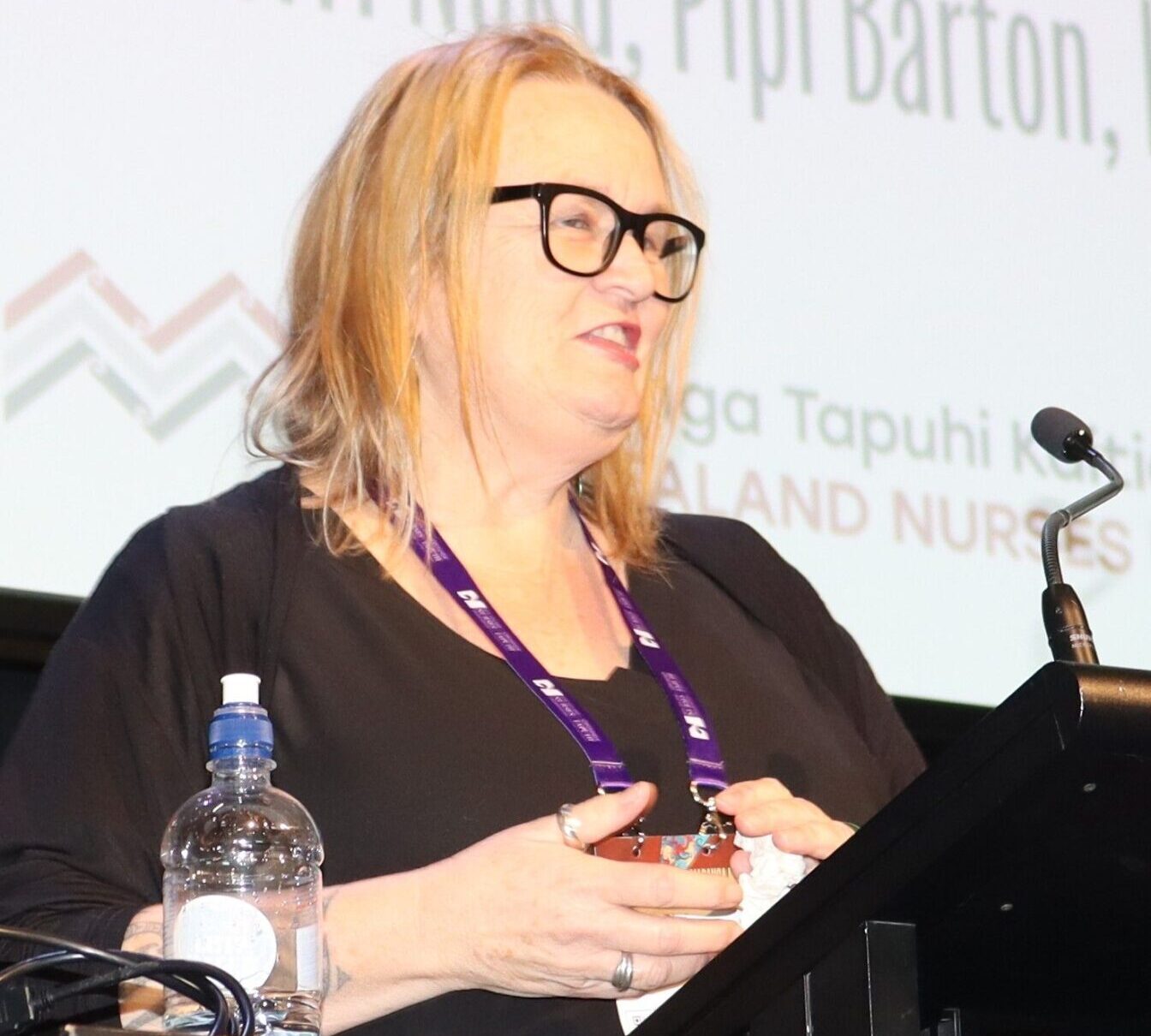
— Pipi Barton RN, PhD. Tapuhi Māori, Ngāti Hikairo ki Kāwhia.
References
- Health and Disability System Review. (2020). Health and disability system review – Final report – Pūrongo Whakamutunga. Author.
- Ministry of Health. (2024). Tatau kahukura: Māori health chart book (4th ed).
- Waitangi Tribunal. (2019). Hauora: Report on stage one of the health services and outcomes kaupapa inquiry WAI 2575.