


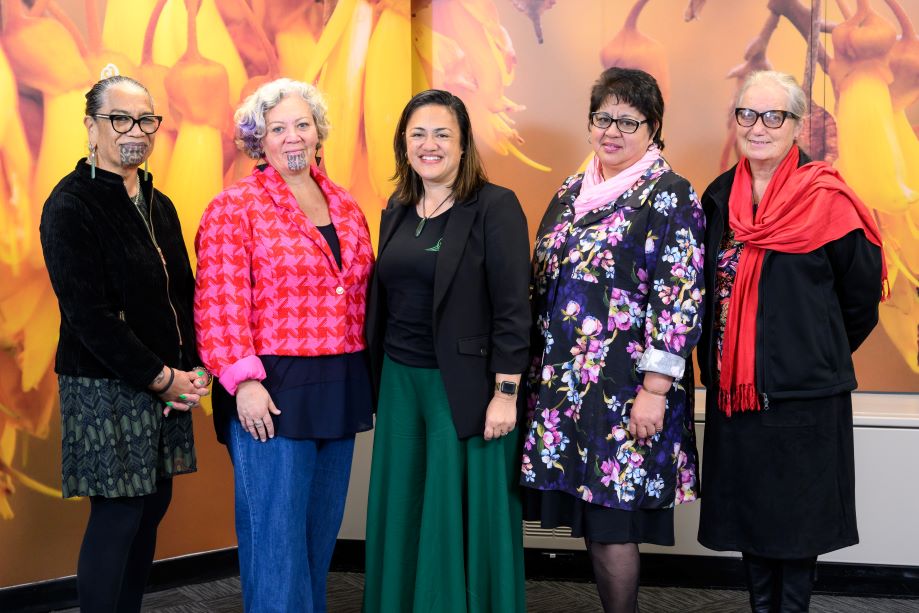
“It’s just shameful actually – I don’t think people realise how far-reaching and how arrogant these moves are in terms of absolute dismissal of policies and processes,” said Brenda Close, chair of the council’s Māori committee, Te Toki.
“If we’re not courageous and speak up then these fellas are just going to continue to whitewash and our whānau are going to suffer at the end of the day.”
‘It’s gone from the most diverse board the Nursing Council has ever had to the whitest.’
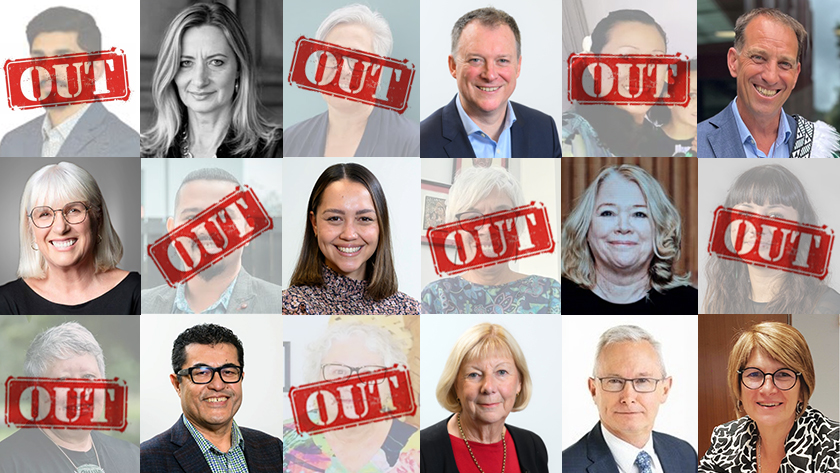
The Nursing Council board is a mix of ministerial appointments and elected members. In the past few months, Minister of Health Simeon Brown has declined to re-appoint several Māori representatives, including chair Ngaira Harker, Margareth Broodkoorn and Ripeka Tamanui-Hurunui. Candy Cookson-Cox and Hariata Vercoe are understood not to have re-applied leaving just Waikato nurse practitioner Miriam Manga, Ngāti Kahungunu ki Wairoa, as the sole Māori representative on the board from next month when Tamanui-Hurunui finishes up her term.
Pacific nurse leader Pauline Fuimaono Sanders was also declined by the Minister but Pacific church leader Iosefa Paituli Tiata reappointed. Two internationally-qualified nurses (IQNs), Jiju John and former deputy chair Manu Pelayo both resigned earlier this year, Pelayo saying only: “For personal reasons I find it untenable to continue”.

In recent months, Brown has instead appointed Sharon Brownie, Frances Hughes, Anthony Hill, Alex Gordon, Amanda Singleton, Helen Nielsen and Julia Hennessy.
“It’s gone from the most diverse board the Nursing Council has ever had to the whitest,” said one former member, who Kaitiaki agreed not to name.
Close said it was an deeply disturbing to see Māori perspectives almost wiped out at board level. After years of work to bring a Te Tiriti-guided approach to nursing and health care in the face of persistant health inequities for Māori, she feared for the future of cultural safety at the Council.
“From our perspective, the behaviour’s pretty sinister. Particularly that we recently launched kawa whakaruruhau, cultural safety, Te Tiriti o Waitangi. And that’s now so strongly embedded in nursing practice, as it should be.”
‘If we’re not courageous and speak up then these fellas are just going to continue to whitewash and our whānau are going to suffer at the end of the day.’
Another Te Toki member, Māori nursing educator Sandra McDonald, said cultural safety related directly to clinical outcomes. “If someone leaves the hospital and doesn’t have that understanding . . . their health outcome can be astronomically different.”
“The opportunity for these people to have a better health outcome, a better access, a better experience, is going to be trampled.”
Te Toki was set up five years ago to guide the council, which has been highly proactive in setting up Te Tiriti-led cultural safety in nursing with the release of its kawa whakaruruhau guide earlier this year.
The latest revelations come after Brown publicly lashed out at the Medical Council’s “ideological agenda” following similar cultural safety moves — declining to reappoint chair Rachael Love, Ngāpuhi, Te Arawa, and deputy Simon Watt.
Doctors’ unions have expressed concern at the move, describing it as overreach and a backward step — and noting that cultural safety was key to clinical outcomes.
Push for greater regulatory control
The changes come as the Government pushes for greater influence of all health regulators and the removal of Te Tiriti obligations, through proposed changes to the Health Practitioners Competence Assurance Act.
Tōpūtanga Tāpuhi Kaitiaki o Aotearoa -NZNO kaiwhakahaere Kerri Nuku said she had raised concerns repeatedly since the Government last year released its consultation: Modernising Health Workforce Regulation.
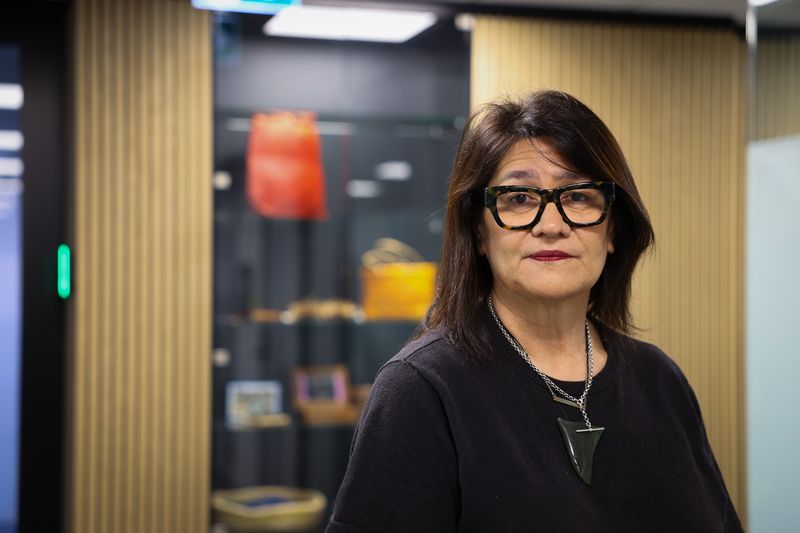
“If we follow the current coalition pathway, our internationally-acclaimed work in the area of cultural safety and the work of Irihapeti Ramsden, kawa whakaruruhau, will be eradicated by a Minister who does not understand the concept and has never worked with directly with patient care.”
The result would be widening gaps between “the rich and poor, Māori and non-Māori, young and old, those with disabilities, and LGBT groups”, she said.
Nuku said quality care for patients would be “driven by political priorities” and not patient care.
“Patient voice will become marginalised for those with the influence. I hope the public can understand the impact of these changes.”
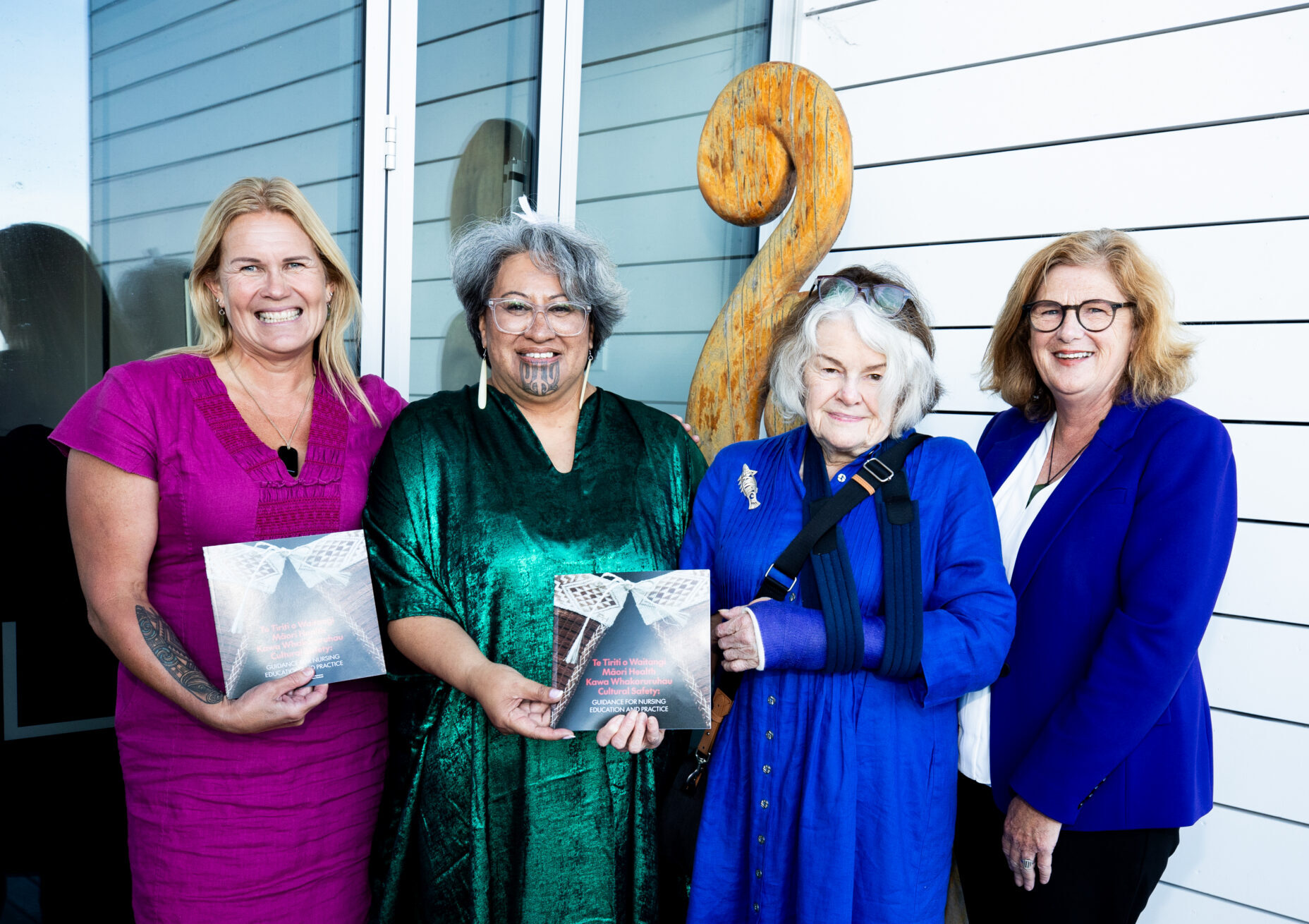
Chief executive Cath Byrne and kaiwhakahaere Waikura Kamo said they were unable to comment. Former chair Ngaira Harker also did not want to comment.
Minister of Health Simeon Brown was approached for comment but had not responded within 24 hours.
The Nursing Council Board is a mix of elected members and ministerial appointments but must have at least three elected members and one Māori member under its current policy. Elections are due to be held in August.
Nursing Council chair Sharon Brownie responds:
Asked if kawa whakaruruhau would continue to be a priority under her leadership, Brownie would not commit — nor to the future of Te Toki Māori committee within the Council.
Instead, she told Kaitiaki that Council’s primary obligation was adhering to its legislative requirements under the Health Practitioners’ Competency Act, as well as ensuring public safety.
But she said professional health practice in New Zealand had strong roots in the holistic model of care developed by professor Mason Durie.
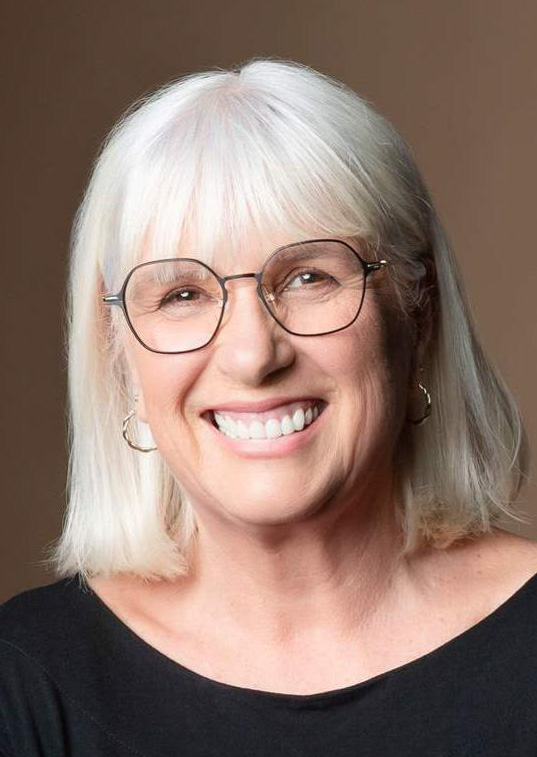
“In respect to safe practice, care for the whole person is central to safe nursing practice.”
Brownie said recent statistics showed Māori life expectancy had improved but “there is still more work to be done”.
The Council “remained committed to supporting ongoing improvements in Māori health outcomes” and working collaboratively with Government, health providers and regulators “to strengthen the contribution of the nursing profession to equitable, high-quality health care for Māori and all New Zealanders”.
Asked if Te Toki would remain, Brownie would only say she was preparing to meet both Te Toki and the Council’s Pacific advisory group, Fautasi, in the near future to “gain insight into current priorities and perspectives”.

After being appointed to the Nursing Council board last September, Brownie became chair in April, following Harker’s resignation.