


‘We deserve better’ — PHC delegate
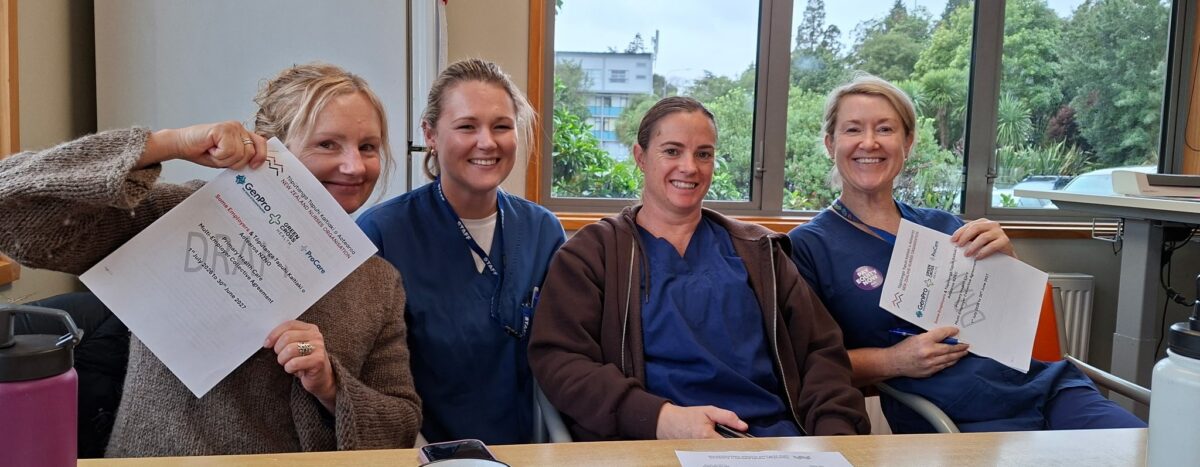
PHC delegates, speaking at a bargaining meeting, said they cared deeply for the community and deserved to be paid fairly for their skills.
Pukekohe patient facilitator and receptionist Karyna Ross, who is an NZNO delegate, said as the scope of PHC nurses’ work grew, so did the pressure.

Hospital pressures also meant PHC nurses were taking on more long-term patient care, connecting whānau, hospitals and specialists.
“Those of us working in primary health do it because we care for the health and wellbeing of all of our families who walk through our doors and the greater community. But it is our highly skilled nursing and administrative work that deserves to be acknowledged and paid fairly.”
Join the next update on Friday 4 September at 12:30–1:00pm via the PHC MECA Facebook group and Zoom. Join your PHC MECA group here.

Face-to-face bargaining between NZNO primary health nurses and representatives of about 580 general practices and urgent medical centres resumes tomorrow, Thursday September 3.
That’s three months after the last meeting — despite promises by the employers they would respond within four weeks.
Waikato registered nurse (RN) Tracey Morgan, who is on the bargaining team, said the sense that employers were dragging their feet just added to the lack of respect felt by PHC nurses at being paid less than hospital nurses.
‘Primary Health Nurses continue to be undervalued yet they are often the ones who are there before clinic opens and still there past close time.’
At the same time, they were struggling to care for patients during a particularly tough winter ‘flu season. Many were getting sick themselves, which added to the pressure of finding cover.
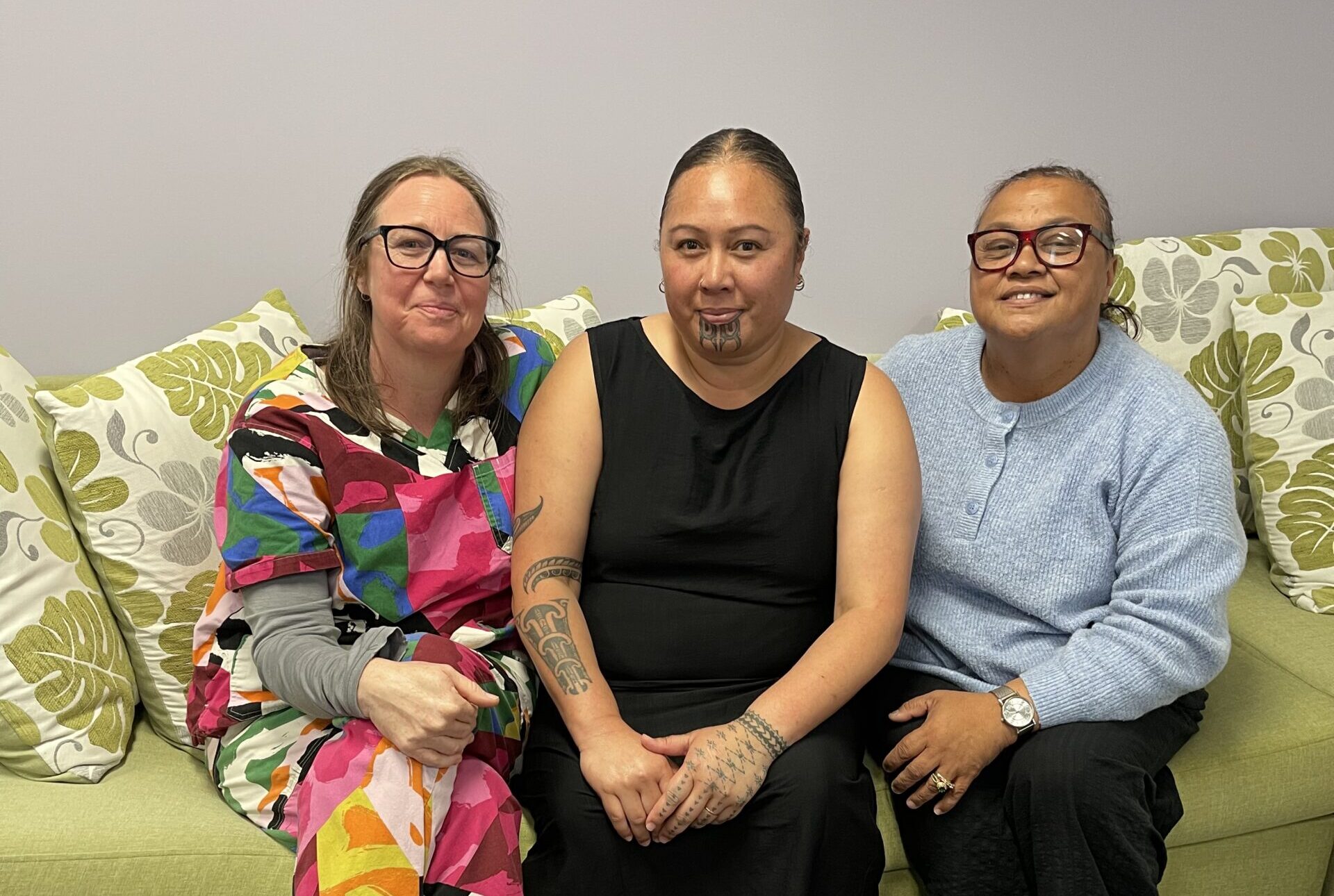
“We primary health nurses are doing the work that keeps people out of hospital,” she said. “We’re carrying that pressure, without pay parity or certainty about when the MECA [multi-employer collective agreement] will be resolved,” she told Kaitiaki.
“Primary Health Nurses continue to be undervalued yet they are often the ones who are there before clinic opens and still there past close time.”
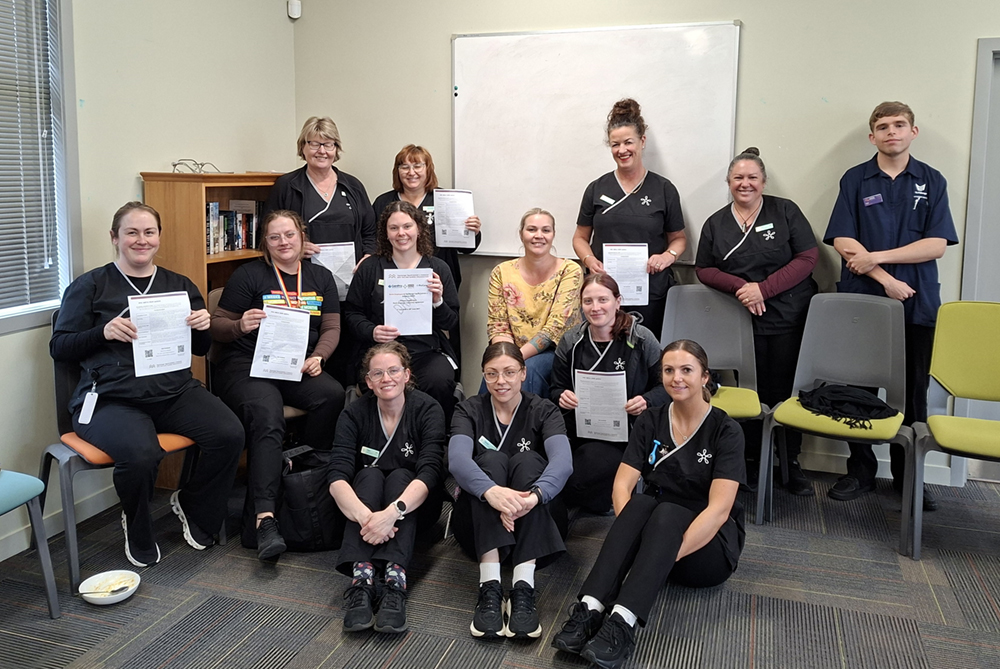
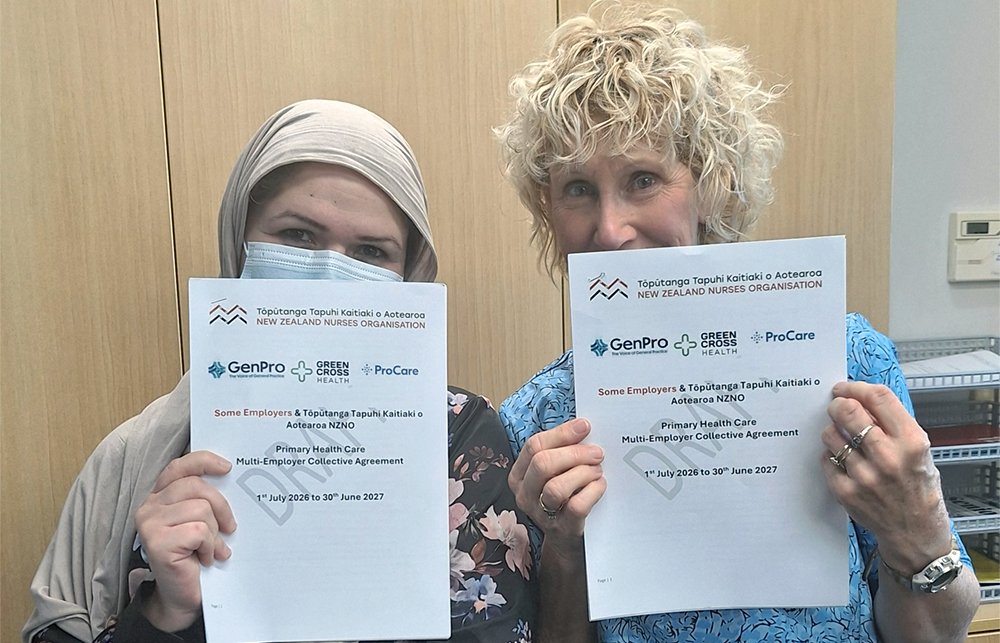
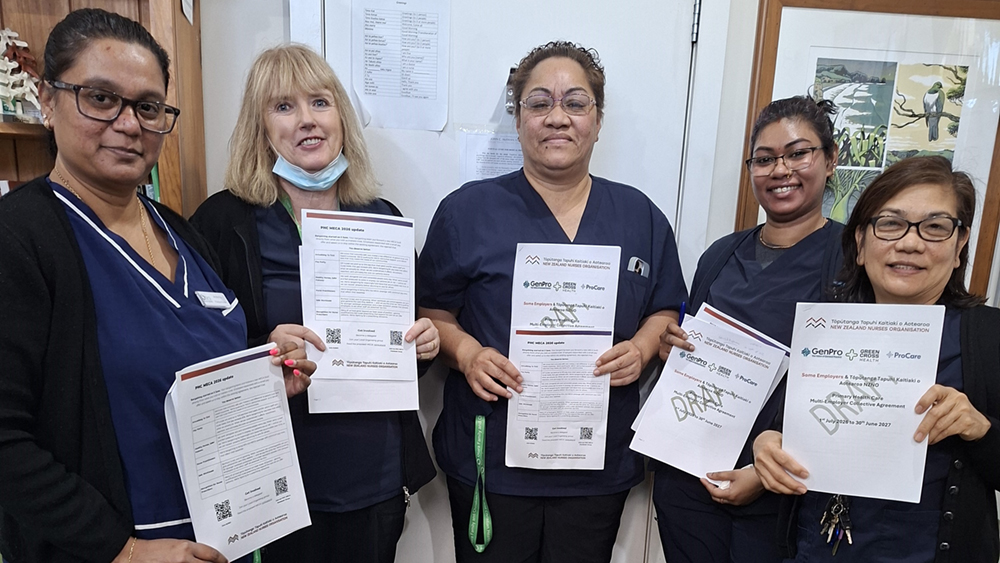
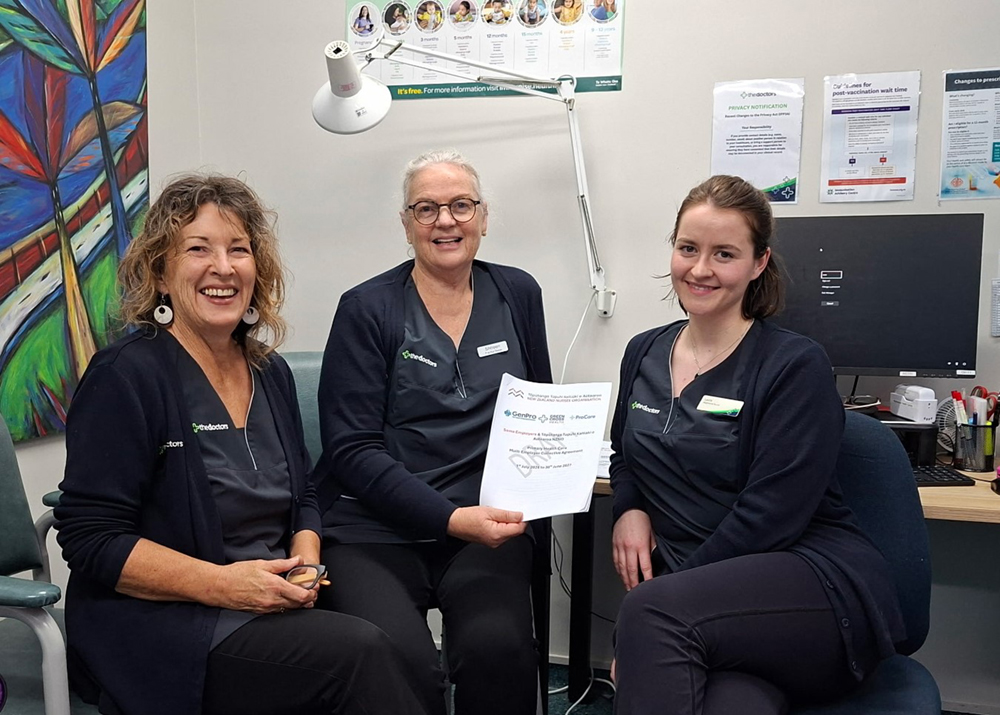
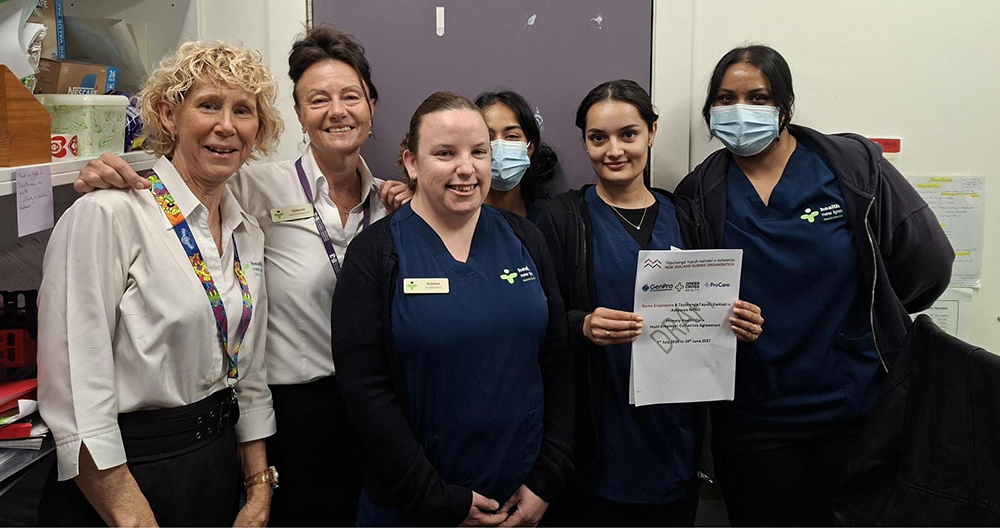
However, PHC nurses around the motu were finding their own ways to protest, from sharing photos or writing a collective letter to their managers.
Morgan said the bargaining team would be taking that solidarity back into the room this week.
“We deserve more, and we’re walking into that room with our 3000-plus colleagues under the PHC MECA in our minds and our hearts.”
Employers blame ‘unexpectedly new’ MECA for delay
Bargaining meetings began in early June, when NZNO’s team proposed pay rises of up to 8 per cent for RNs; 14-15 per cent for ENs and HCAs; 18 per cent for nurse leaders and 26 per cent for administrators, as well as two more annual sick days. A completely redrafted MECA also would also cover nurse practitioners (NPs) starting at $75 per hour, include Te Tiriti principles and introduce unsafe work escalation processes.
But employers took eight weeks to reject the proposals, suggesting instead re-introducing 90-day trials and all-inclusive salaries — which are generally unlawful in collective agreements.
‘While we all agree that a new, modern and cleaner PHC MECA is a good thing, the document tabled is entirely new.’
About 580 PHC employers are being represented in bargaining by three separate primary health networks: GenPro, ProCare and Green Cross Health.
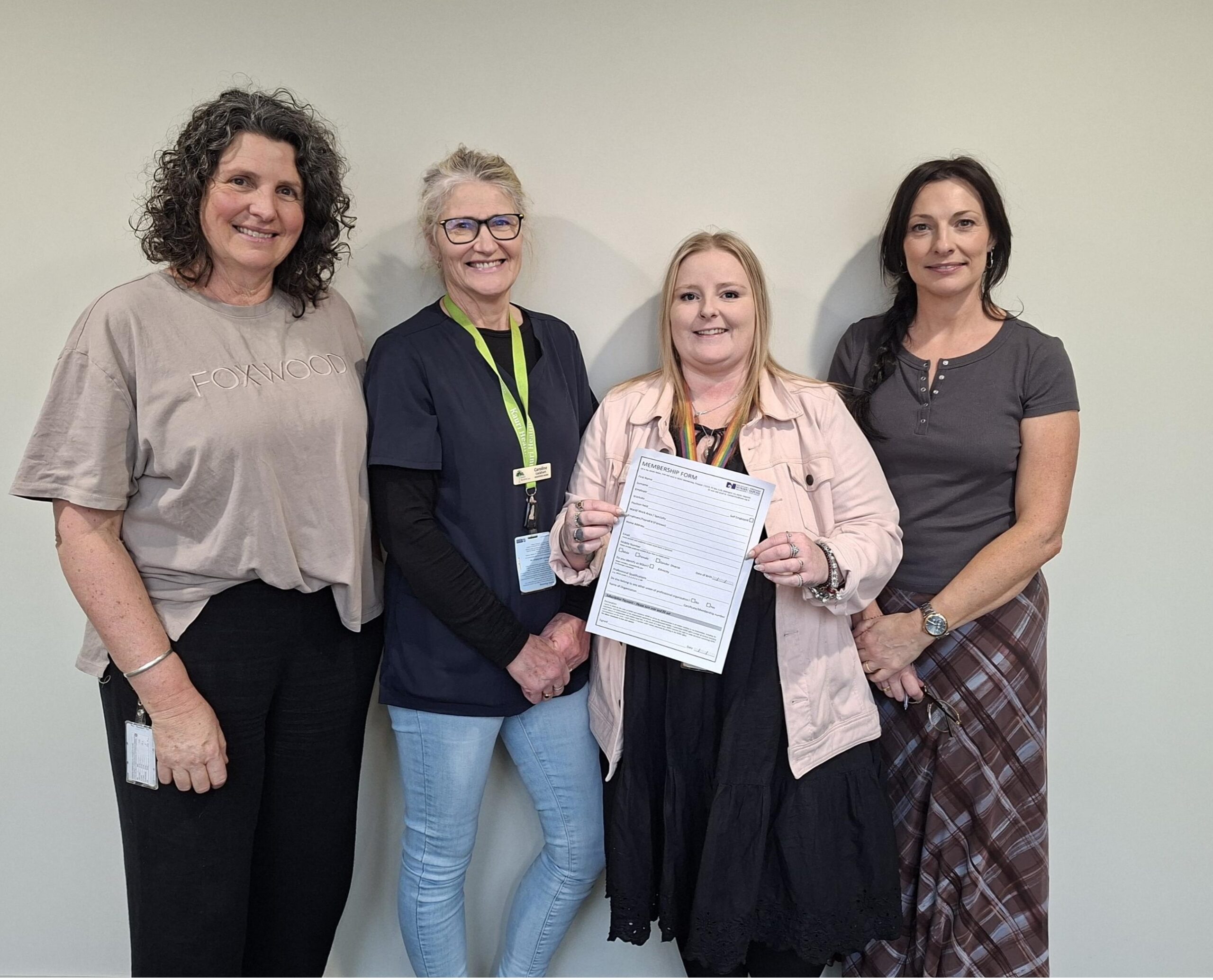
ProCare general manager of people and culture Matt Prestwood, who is leading the employer negotiations, blamed the delay on an unexpectedly rewritten and “entirely new” MECA being proposed by NZNO.

“While we all agree that a new, modern and cleaner PHC MECA is a good thing, the document tabled is entirely new, meaning there are a lot of existing clauses that employers may require, or favour, to be kept in the agreement, that are missing,” he told Kaitiaki.
Agreeing on these clauses had taken longer than anticipated, but the PHOs were keen to progress things “as rapidly as possible from here”, he said.
PHC nurses won an eight per cent pay rise in 2025 — but today are lagging about 11 per cent behind their HNZ colleagues’ pay scales since a new HNZ-NZNO agreement was settled. But the gap can be as high as 20 per cent for senior nurses or 30 per cent for administrative staff, who are also covered in the PHC MECA.
The PHC MECA covers about 3000 nurses, health-care assistants and administrative staff who belong to Tōpūtanga Tāpuhi Kaitiaki o Aotearoa-NZNO. But it does not yet include NPs — something NZNO wants to change



Primary health-care nurses 2026-27 claims include:
-
- Registered nurses: Increases of 4-8 per cent up to $51 per hour for the most senior.
- Enrolled nurses: Expanded pay scale with top hourly rate increased from $35 to$40 — 14 per cent.
- Graduate RNs: Rates up from $33 to $35 per hour — 6 per cent.
- Administrators/receptionists: Expanded scale with top hourly rate increasing from $27 to $34 — 26 per cent.
- HCA: Expanded pay scale with top hourly rate increasing from $29.50 to $34 — 15 per cent.
- Senior nurse/leaders: Scale expands from one to three steps and top hourly rate from $47 to $58 — 18 per cent.
- Bringing NPs into the MECA starting at $75 per hour for new graduates up to $90 for NPs with three-plus years’ experience.
- Increased annual sick leave from 10 to 12 days.
- Acknowledgement of Te Tiriti o Waitangi as the founding document of Aotearoa.
- Removing all-inclusive rates that would include overtime, call-backs and Kiwisaver and 90-day trials.
- A new escalation process for unsafe workloads.
See the claims in detail here.
- This article was corrected on September 4 to amend clarify Karyna Ross’s job title.