


More than 38,000 Tōpūtanga Tapuhi Kaitiaki o Aotearoa NZNO members were eligible to vote in the ballot.

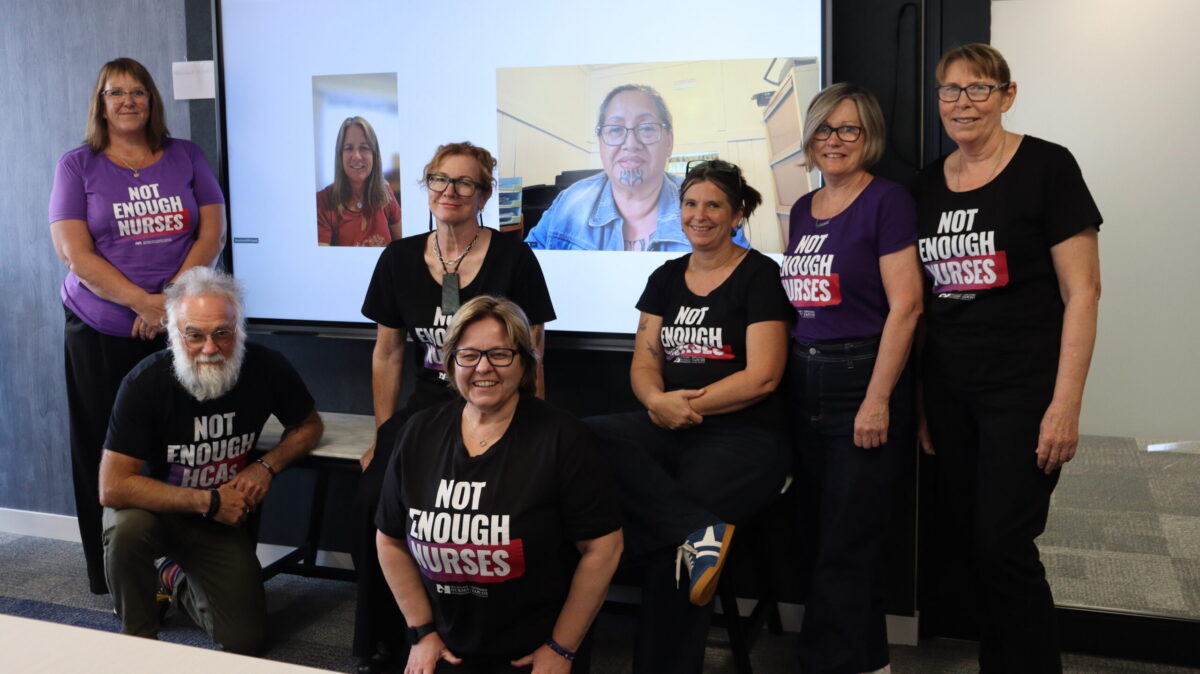
NZNO Auckland delegate and bargaining team member Dawn Barrett said NZNO and HNZ would now begin work to implement the agreement.

“This includes launching a time bound work programme with NZNO to research nurse-to-patient ratios, including applying a cultural lens supporting our Te Tiriti commitments. Te Whatu Ora has also agreed to strengthen its care capacity demand management staffing tool, by reviewing ways to make it more transparent, enforceable and accountable,” she said.
Barrett said the bargaining team thanked all NZNO members who participated in the extended 20 months of bargaining.
“We could not have made any progress without their willingness to stand up for what was right for patients and nursing staff.

“We recognise that many members who voted to reject this offer were willing to carry on the fight.
“We celebrate you and know there is more to be done as we continue to battle to ensure all New Zealanders get the care they need and our nurses, midwives and health-care assistants are properly recognised and valued,” Barrett said.

The process so far
This was the third offer from HNZ since bargaining began in September 2024. Members rejected an offer last May for a one-plus-one per cent pay rise across two years. An “even worse” offer in June for two-plus-one per cent across two years prompted strike action. Both failed to lock in safe staffing or match the cost of living. A counter-offer by NZNO was rejected.
There have been multiple strikes over the past 20 months’ of bargaining, starting in December 2024, then 2025’s May Day rallies, perioperative nurse and 24-hour nationwide strikes in July, a two-day strike in September, a mega ‘save our services‘ strike in October, partial strikes in November, dozens of uniform strikes around the country and a district nurses’ strike in April this year.