

‘Yes’ ENs are part of graduate job promise, says Labour
Enrolled nurses (ENs) are skilled, regulated health professionals. They deserve far more recognition than they currently get.
Since January last year, ENs have had a new, independent scope of practice. They no longer have to work under the direction and delegation of a registered nurse (RN). Within their scope, they can practise in their own right, working alongside RNs and nurse practitioners (NPs).

Every eligible New Zealand-trained graduate, registered or enrolled, will be offered a job.
That change hasn’t reached many wards and clinics. Local policies and outdated workforce models still hold too many ENs back, and how they are employed depends on where they live. ENs make up only 3.5 per cent of the nursing workforce. With our health system short of nurses, we can’t afford to underuse them.
We need a national EN workforce plan, so that ENs are employed consistently as independent practitioners across the country.

Labour’s graduate nurse job guarantee includes ENs. Every eligible New Zealand-trained graduate, registered or enrolled, will be offered a job.
A first job is only the beginning. EN graduates also need clear career pathways. That means ongoing training and professional development, and an easier route for those who want to become RNs.
— Labour health spokesperson Ayesha Verrall.
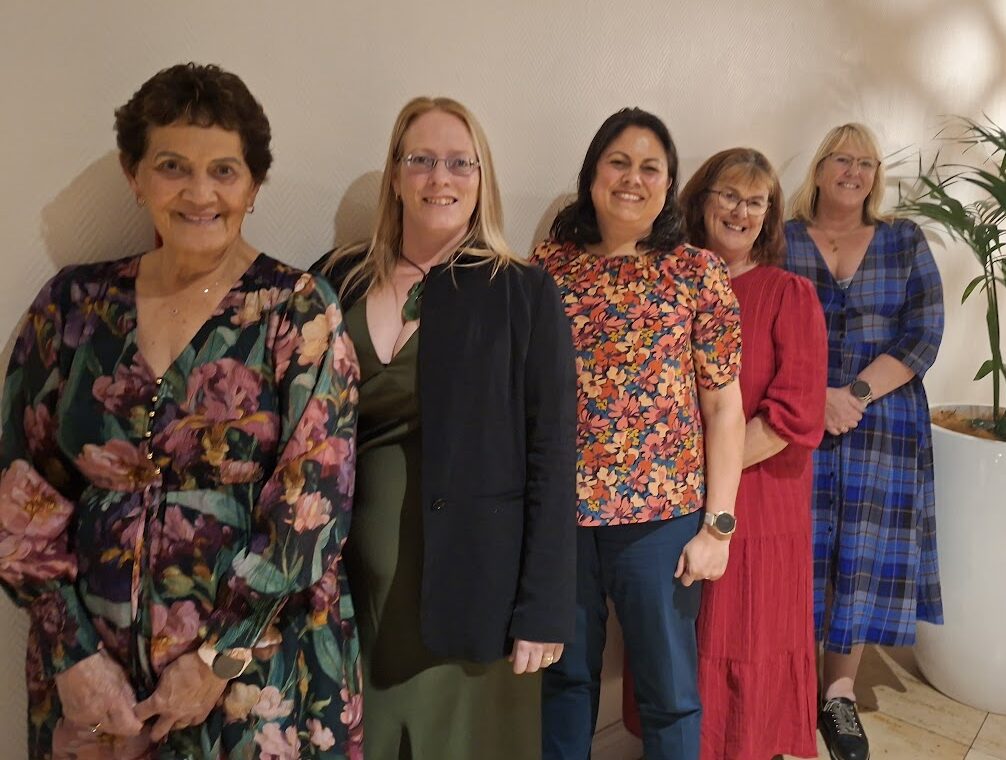
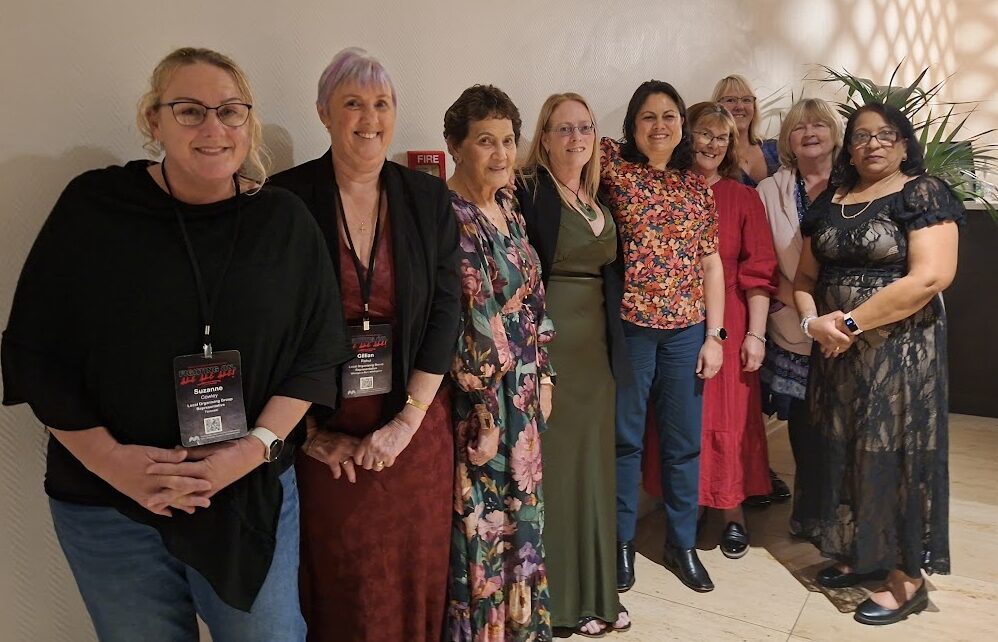
At a meeting with Labour’s health spokesperson Ayesha Verrall in September, we highlighted that enrolled nurses (ENs) are a skilled, regulated and available workforce that is currently being significantly underutilised.
The 2025 updated EN scope of practice provides ENs with greater opportunities to contribute across a broad range of clinical settings. ENs can assess, plan, implement and evaluate care in partnership with patients and the wider multidisciplinary team.
The issue is therefore no longer whether ENs can contribute, but whether the health system is prepared to make full use of their skills and scope of practice.
We raised concerns about the slow and inconsistent implementation of the updated scope, noting that some policies, employment practices and models of care continue to reflect an outdated understanding of the EN role. We are calling for national leadership to ensure consistent implementation across Te Whatu Ora-Health NZ (HNZ) and funded services, so an EN’s ability to practise to their full scope does not depend on where they work.
See also: If we have enrolled nurses, why aren’t we letting them nurse?
A dedicated EN workforce plan was also identified as a priority. This should include funded graduate employment and supported-practice pathways, sustainable EN positions, workforce redesign, retention and career development, education opportunities and clear expectations that services utilise ENs to their full scope.
‘The issue is therefore no longer whether ENs can contribute, but whether the health system is prepared to make full use of their skills and scope of practice.’
Graduate employment was a particular focus. We welcome Labour’s stated commitment to ensuring eligible New Zealand-trained graduate nurses have access to employment within the health system — while seeking confirmation that EN graduates would be explicitly included.
We have asked Labour to make measurable commitments around EN graduate employment, implementation of the updated scope, workforce planning, increased utilisation, national consistency, public reporting and education for clinical and workforce leaders.
We also asked Labour to respond to specific questions, including whether it would guarantee employment pathways for eligible EN graduates, fund graduate and supported-practice positions, set targets for increasing EN employment and require HNZ to report on EN employment and utilisation.
These measures would help move the discussion from recognising the challenges facing enrolled nursing to delivering measurable action.
Our message is that ENs are already educated, registered and working across Aotearoa. With the updated scope now in place, the priority must be leadership, implementation and better utilisation of an existing part of the nursing workforce.
— Michelle Prattley is chair of the NZNO enrolled nurses section and a Christchurch EN.