


Recently, I had the pleasure to spend some time with the executive of NZNO, the nurses’ union. The purpose was to discuss developments in the health sector in recent times, the future of that sector and the people working in it. This was a private discussion, the detail of which will stay that way, but I do want to share some wider reflections.
These reflections arise from the simple but very striking impression that we had a far more stimulating and incisive discussion about the issues than any I experienced with officials, managers, politicians or consultants while involved with Te Whatu Ora. It reminded me that the ongoing avoidance of real engagement with the sector unions which characterised that experience was wrong-headed and counter-productive.
But democratic, activist unions are authentic voices though, in my experience, the ones which are the least welcome voices to hierarchical management and governance.
As is common in many areas of our economy, the organised voice of those working at something is obscured or ignored by those managing and governing that work. To the loss of the common interest in favour of the private and/or privileged interest. I’m aware that labour organisations are not immune to the dangers of isolation from the active base — it is often easier and less challenging to listen horizontally than vertically when such distance arises in hierarchies. But democratic, activist unions are authentic voices, though in my experience; the ones which are the least welcome voices to hierarchical management and governance.
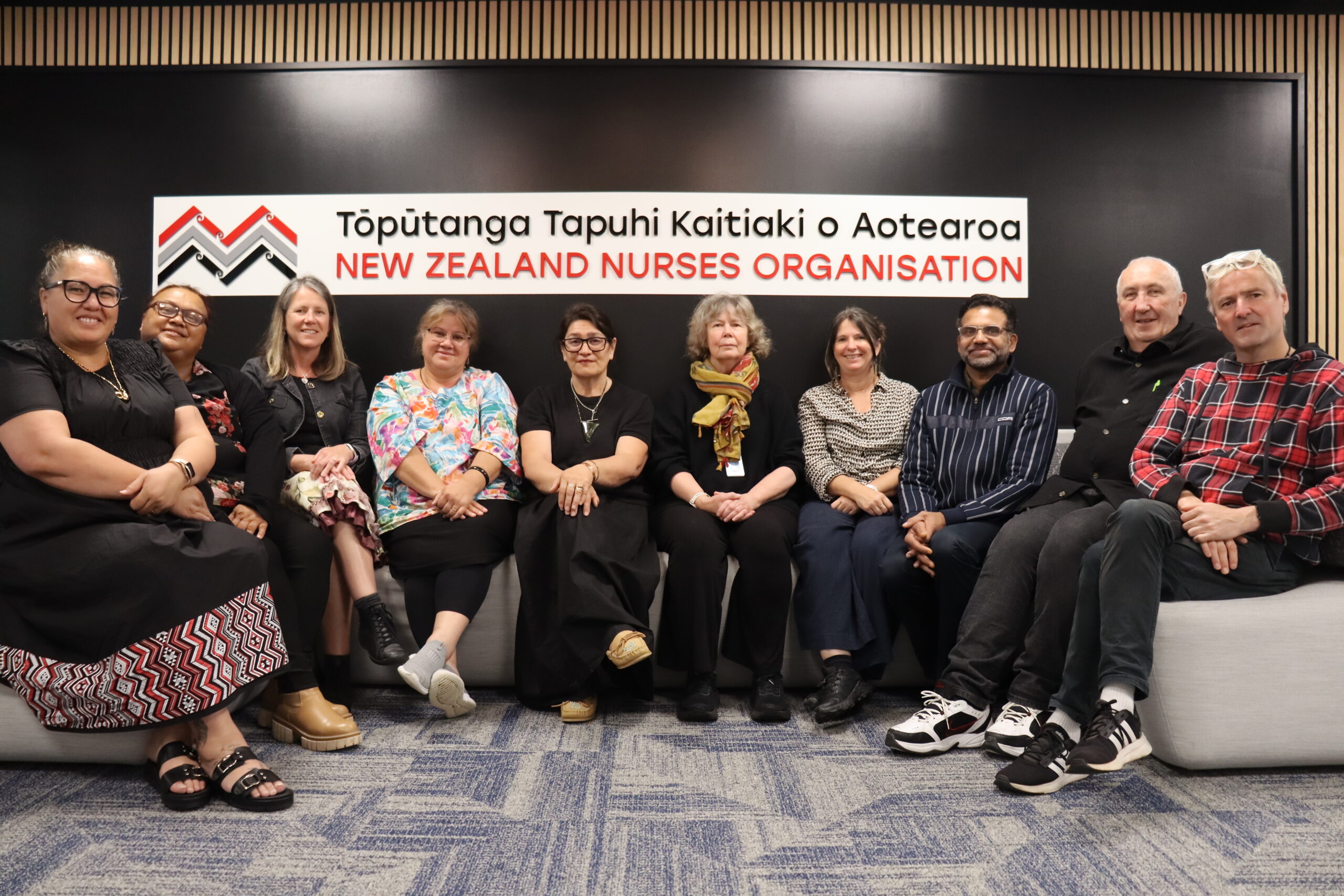
In the discussion today I had informed, experienced, engaged people from a wide range of the nursing workforce. They knew far more, and knew it in a more caring and nuanced way, than highly-schooled and KPI-driven managers chasing targets rather than serving others, or executives with career aspirations narrowing the breadth and courage of their vision, or visiting politicians preening for cameras and their handmaiden consultants dropping in to draft an invoice.

They should be heard and they go well past the vital issues of patient and worker safety and unreasonable pay scales which rightly label the picket lines.
No surprise, this group had real insights, some challenging of and some aligned with my limited perspectives. They should be heard and they go well past the vital issues of patient and worker safety and unreasonable pay scales which rightly label the picket lines when they are not heard. The union has to deal with these day-by-day.
But what I heard also was a much deeper recognition that a genuine health system has to put the common or public interest above the private interest, has to deliver care by a fully-funded common or public structure, moulded and accountable to its communities; and has to build that from healthy housing, work, environment, nutrition and physical activity. That equity is a core health system foundation not an occasional measurement tool.
What, I wondered as I walked away, would have Te Whatu Ora looked like today if these and others like them had been running it? A damn sight better and could hardly not be.
(My apologies if I have under-reported the depth of your kōrero to those present, who all told me far more than I could tell them).
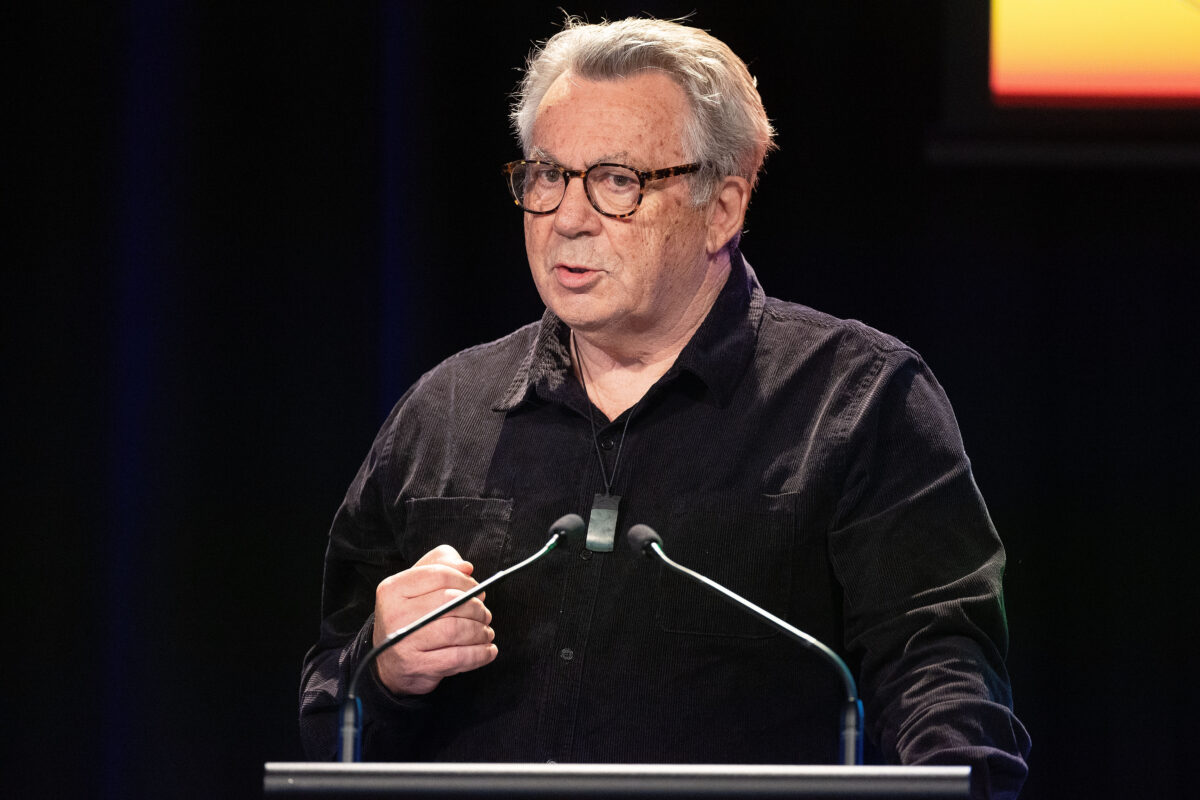
Economist and trade unionist Rob Campbell was chair of Te Whatu Ora-Health New Zealand 2021-23. He was sacked over social media comments claiming Christopher Luxon was ‘dog-whistling’ with National’s proposal to scrap Māori co-governance of the country’s storm, waste and drinking water. He is now chair of national health alliance Kaitiaki Hauora, to which NZNO also belongs.
This viewpoint was reproduced with permission from Campbell’s Substack.