


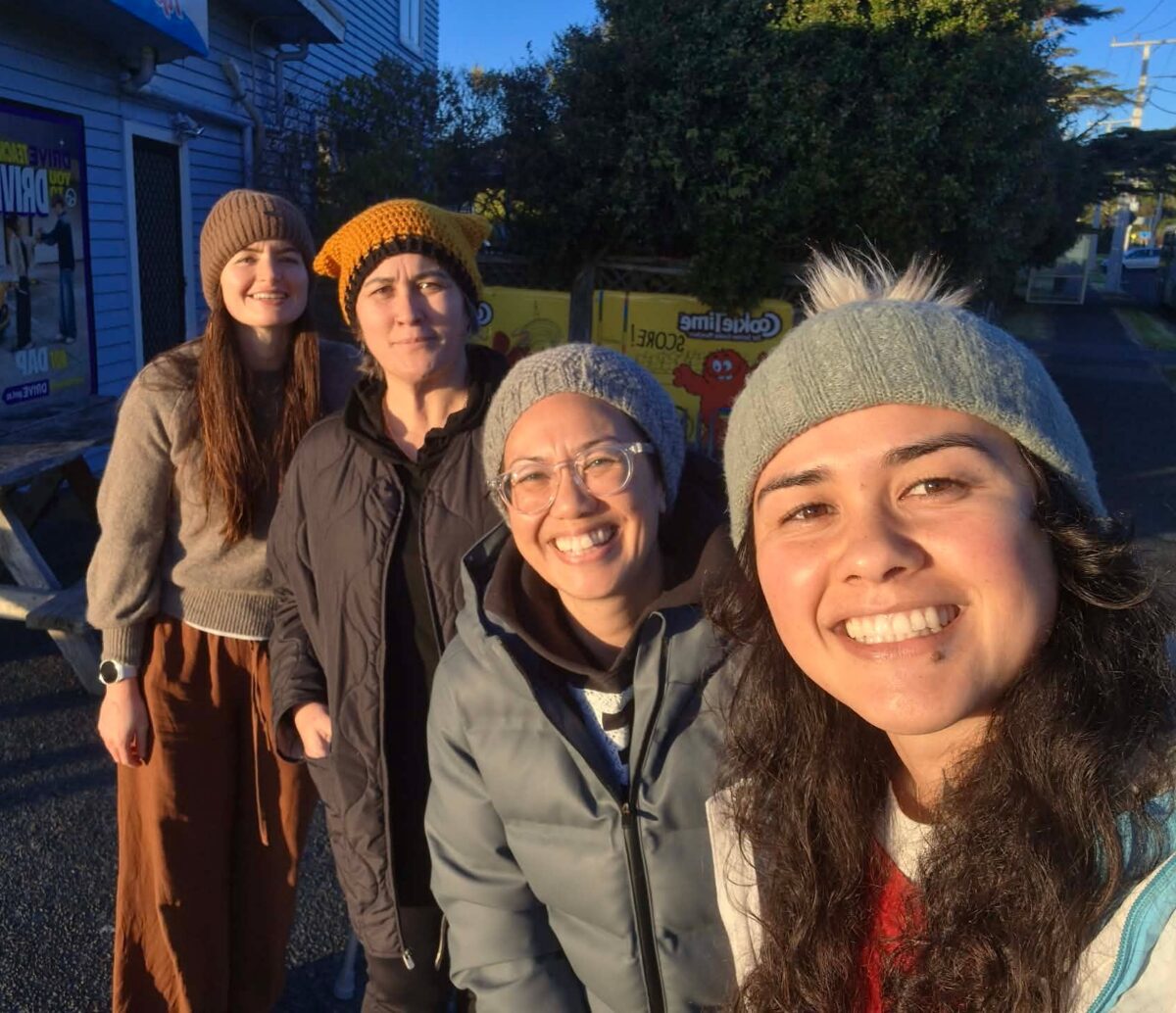
Although they live and work in different regions of the motu, they meet regularly to support one another through the challenges and successes of the doctoral journey.
Waipapa Taumata Rau nurse researcher Ebony Komene (Ngāpuhi, Te Arawa, Tainui), who has been actively connecting doctoral nursing students across the university, said Māori nurses often wore multiple pōtae (hats). “These pōtae sit not just in the nursing space but the Māori space — and then you add the research component. So, we need to be connecting with each other”.
While there are no official figures on the number of Māori nurses preparing for doctorates in Aotearoa, Komene says the number is likely small — less than 40 — “so a safe and supportive space is important”.
She and colleague Coral Wiapo (Ngāti Whātua o Kaipara), a doctoral candidate and teaching fellow in the university’s school of nursing, decided to establish a Māori nēhi PhD whānau last year after realising they may be the only nurses in the Māori and indigenous scholars’ network, Te Kupenga o MAI.
‘We don’t accept the loneliness — how do we change that so it’s not lonely?’

“We wanted to connect with each other and see how we can support ourselves through this journey, because often it’s a lonely one,” said Komene, whose research explores how Māori NPs/Mātanga tapuhi weave medicine, nursing and te ao Māori in their practice.
“We don’t accept the loneliness — how do we change that so it’s not lonely?”
With support from the head of research at Te Kura Neehi – School of Nursing, they sent a school-wide invitation to connect with other Māori nurses undertaking doctoral study.
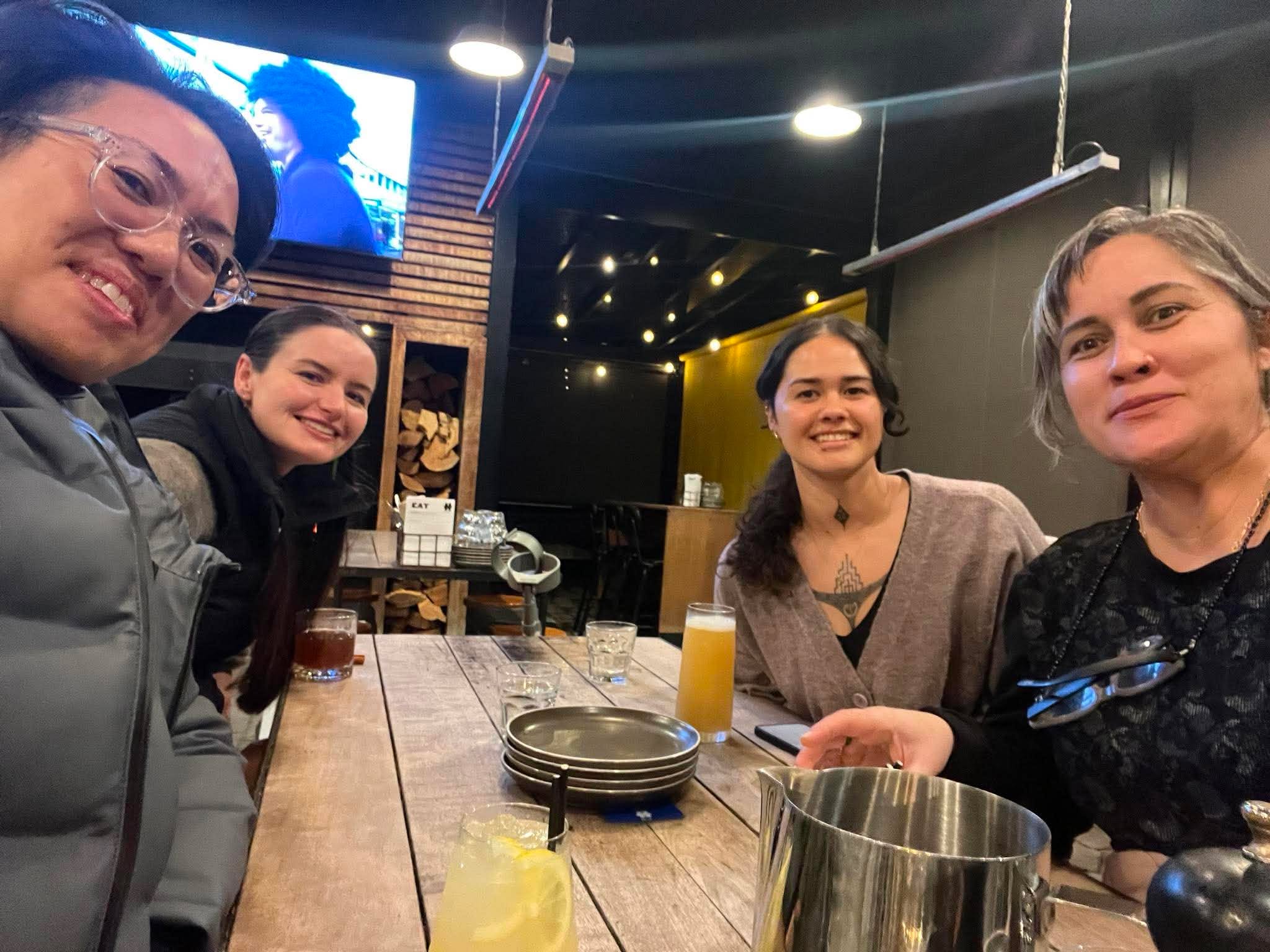
Among the first to respond were Nadine Riwai (Ngāti Porou, Te Aitanga-a-Māhaki, Te Uri o Hau, Ngāi Takoto), Adele Ferguson (Ngāpuhi, Te Rarawa), and Liz Lewis-Hills (Ngāti Whatua, Ngāpuhi).
The rōpū has since grown to around six members who meet online each month to discuss their mahi, support scholarship applications, publish research and progress their theses.
‘Having these wāhine around . . . provides a sense of reassurance and connection, knowing others are experiencing similar challenges and milestones.’
Their tautoko for one another was evident throughout the interview, as they celebrated each other’s achievements.
Riwai, a charge nurse manager in Māori Health whose background spans primary care, women’s health and cancer screening, said the rōpū was a space where they felt comfortable asking questions, sharing challenges, lifting each other up and learning from one another, regardless of where they were in their doctoral journey.
They were also imagining some collective publishing at some point, said Komene.
“So, it’s just a little pocket of opportunity we’ve just been growing and growing.”
Lewis-Hills, who has Thai and Māori whakapapa, said having the tautoko of other Māori nurses and wāhine was a big confidence-booster, confirming the direction of her PhD which reimagines diabetes in pregnancy service delivery for Māori.
“We need to take up space,” she said. “Having these wāhine around is invaluable. It provides a sense of reassurance and connection, knowing others are experiencing similar challenges and milestones, even if we are at different stages of our journeys.”
‘When you’re weaving together Western research tools and mātauranga Māori, you need a solid sounding board.’
As a member of UoA’s department of Māori health, Te Kupenga Hauora Māori, Lewis-Hills is supervised by clinicians and academics from a range of disciplines. She said the Māori nēhi PhD whānau added an important nursing perspective to her doctoral journey including opportunities to connect, share experiences and insights with fellow Māori nurse researchers.
Ferguson, who recently submitted her final PhD draft, said she also drew a lot of strength, cultural support and whakawhanaungatanga — kinship — from the rōpū as she researched how Whakatāne Hospital responded to the Whakaari/White Island eruption.
“When you’re weaving together Western research tools and mātauranga Māori, you need a solid sounding board. Bringing my work to the rōpū was a key part of my methodological process.”
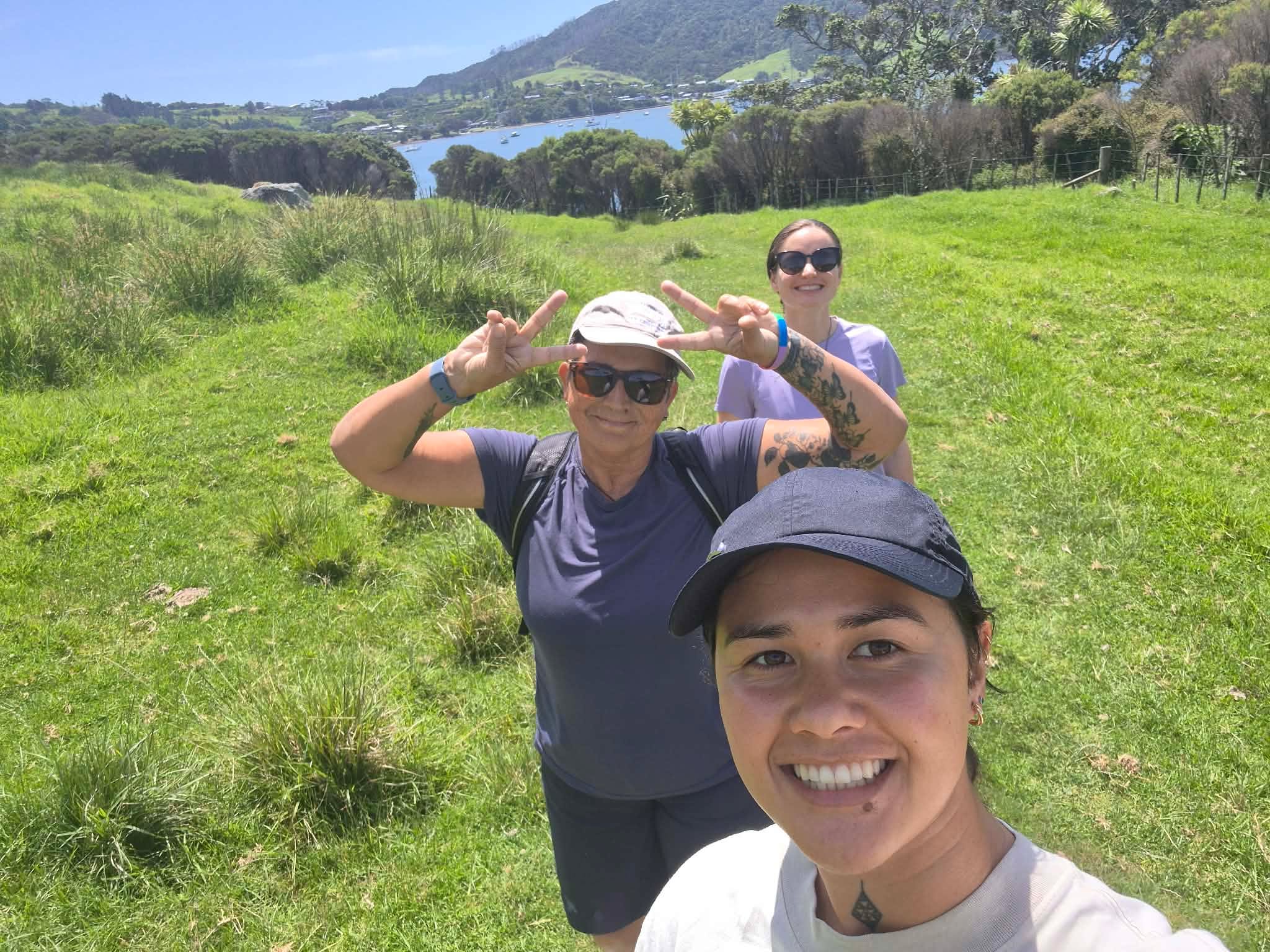
Riwai, who is researching inequities in cancer screening for Māori, said she also loved the kaupapa of the rōpū. “Coming together as a nursing whānau is important. These hui remind you that you’re part of something bigger. It’s nice to see where everyone’s at and know you’re not alone.”
The group brought together nurses who had completed, or were nearing completion of, their doctorates and were willing to share their experiences which made the rōpū invaluable for those earlier in their doctoral journeys, Riwai said.
‘This group gives us a space to do that and grow our Māoritanga, be confident as Māori nurse leaders and learn from others who have come before us.’
Eillish Satchell (Ngāpuhi, Pākehā) who has a background in emergency nursing and is a lecturer at Waipapa Taumata Rau, said the rōpū provided a space to grow as Māori nurses and researchers.
“Coming from a blended whānau, there’s not always safe spaces to explore and celebrate being Māori. This group gives us a space to do that and grow our Māoritanga, be confident as Māori nurse leaders and learn from others who have come before us.”
Satchell — now Dr Satchell after completing her PhD in May — has been working with ambulance services on how to support whānau during death and dying during out-of-hospital emergencies.
Last December, after successfully applying for support from the Mana Toa fund for Māori and Pacific post-graduate students, Komene, Wiapo and Satchell went on their first writing retreat in Te Whara, Whangārei — where all three have whakapapa.
Having a dedicated time and space to focus on writing and rangahau (research) allowed Wiapo and Satchell to complete their doctorate, with Satchell writing her final chapter there.
But the connections and uplifting of wairua was just as important, she said.
“Going on the retreat allowed me to do some work and also make sure I was doing all the things I wasn’t doing at home – taking care of my tinana, making sure I was having some kai and uplifting my wairua by being around other Māori nurses writing.”
Wiapo shares how her research used mana wāhine theory and wānanga to explore the lived realities of being wāhine, Māori and a nurse. The opportunity to connect with other wāhine Māori nurses undertaking doctoral research, often grounded in their own lived reality, was critical to creating healing spaces from which to research.
Another retreat was held this month, July, this time in Kawakawa Bay, Tāmaki Makaurau, and it may become an annual event, Komene said.
” Our rōpū needs spaces like this. We’ve got mums, nurses studying part-time, and people with whānau responsibilities. These are all the challenges we’re navigating throughout this journey.”
- Komene was recently awarded the 2026 Fulbright-Ngā Pae o te Māramatanga graduate award to research the role of indigenous nurse practitioners.